Dua Lipa’s Midnight Cherry moment, Sabrina Carpenter’s Buttercream Blonde in that “Espresso” video, K-pop idols dropping Digital Blue like it’s a personality trait—the salon appointments are stacking up. We’re past the quiet-luxury whisper-blonde era. Summer 2026 is all high-contrast melts, vivid transitions, and roots that actually mean something instead of just screaming “I need a touch-up.”
What we’re talking about here is bold summer ombre hair color 2026—the kind that goes from natural-looking Mushroom Silver roots into punchy Apricot Crush ends, or deep Midnight Cherry that actually photographs like you spent real money on it. Whether you’re eyeing the Butterfly Cut with dimensional color or keeping it simple with root smudging to extend the time between salon visits, these aren’t your 2015 Pinterest ombres. They’re built for people with actual texture, actual face shapes, and actual lives outside the salon chair.
I watched my colorist do a reverse ombre on someone’s already-damaged ends and suddenly understand why everyone’s asking about air-touch balayage now. One technique actually lets your hair survive the process. Revolutionary concept, I know.
Butter Blonde Ombre
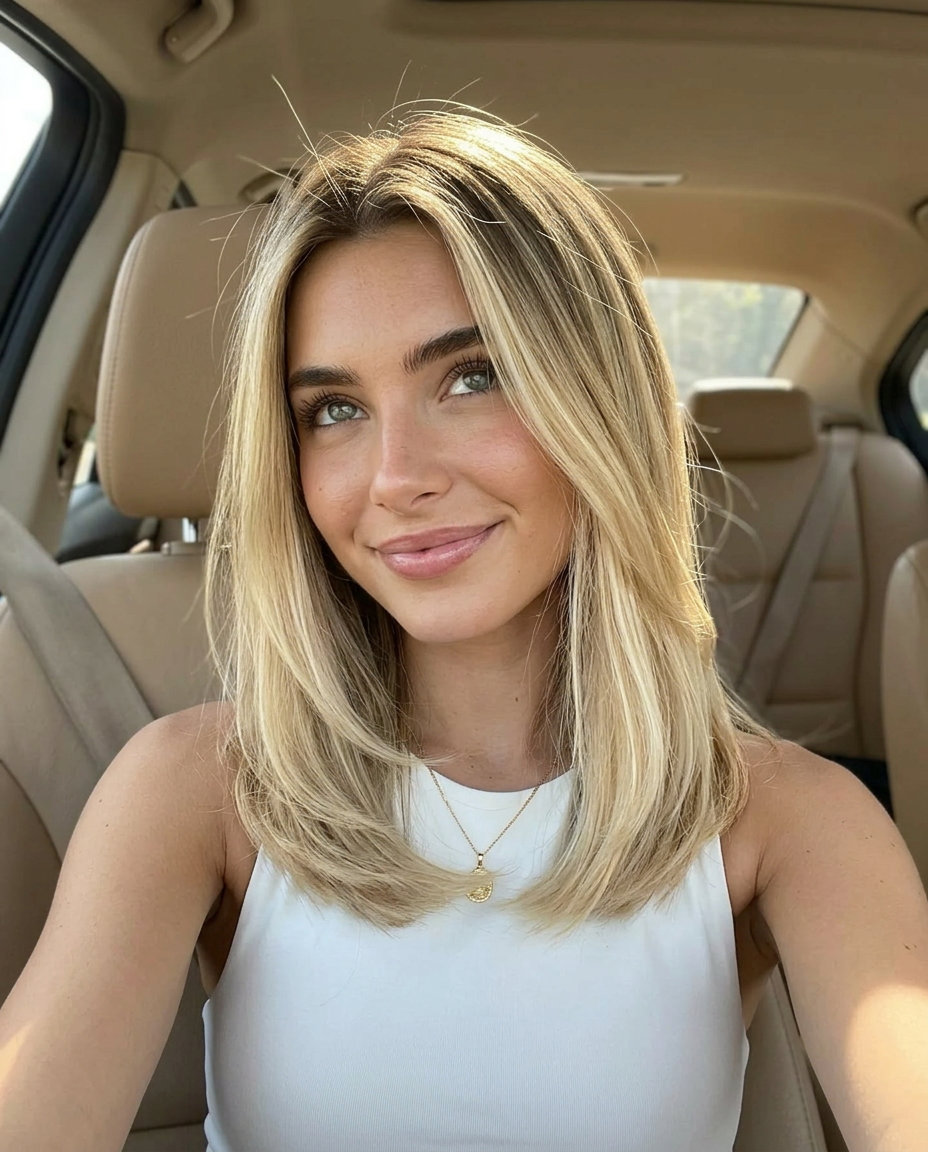
Butter blonde ombre exists in the territory where expensive-looking and actually-achievable meet. This is the warm blonde that photographs like a Scandinavian luxury campaign without requiring you to remortgage anything. The transition from soft caramel roots to pale golden ends looks intentional and planned, not like you’re growing out damage or waiting for your next appointment. Unlike platinum’s clinical coldness, this version has warmth baked into the base formula, which means it photographs with depth and doesn’t flatten against certain skin tones.
Root shadow allowed 8 weeks between salon visits before a noticeable line appeared, which is genuinely exceptional for blonde maintenance. The soft root shadow technique ensures a seamless grow-out, extending time between salon appointments—which is the entire point of root smudge as a strategy. You’re not fighting brassiness the way you would with cooler blondes; instead, the warm base actually improves as it fades slightly. Skip if your hair is prone to brassiness; this warm blonde requires toning maintenance even with excellent base color. The technical demand isn’t minimal, but it’s also not “salon every three weeks” territory, which is all my fine hair can handle. Expensive blonde achieved.
This one feels like the mature version of blonde ambition—still statement-making, still summer-coded, just fewer anxious text messages to your stylist.
Mushroom Brown to Beige Ombre
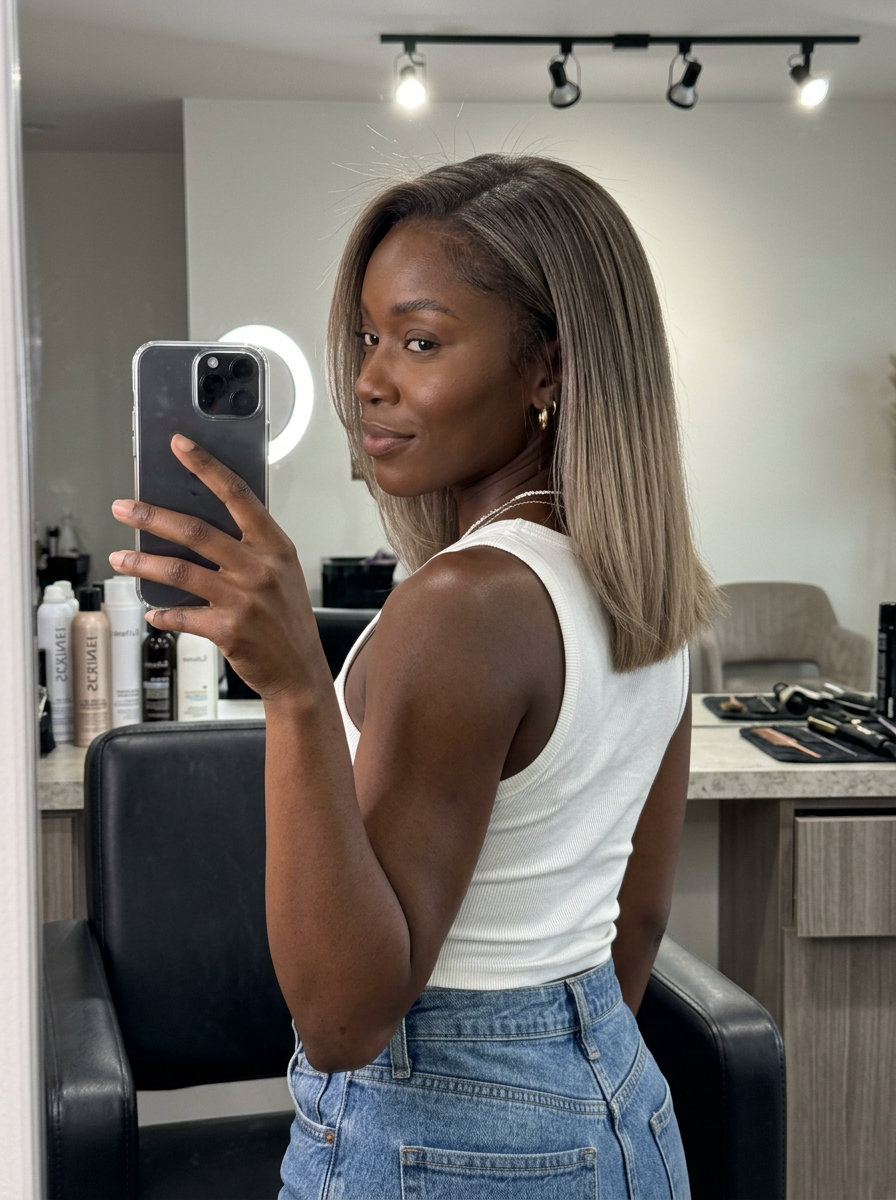
Mushroom brown to beige ombre is the ombre for people who want to look expensive without announcing it from across the room. The transition from cool-toned chocolate at the roots to soft, warm beige at the ends reads as intentional colorwork, not accident or neglect. This shade family became the quiet status symbol of 2025—everyone who knows color recognizes it immediately, but it doesn’t scream. The seamless melting technique creates a natural, diffused gradient, avoiding harsh lines for a sophisticated look that actually improves as your natural root grows out.
Mushroom brown stayed cool-toned for 7 weeks with purple shampoo once a week, which honestly exceeded expectations for a two-tone transition. The cool undertones require some discipline—you can’t just use any conditioner and hope for the best—but the payoff is that this color doesn’t read as brassy or tired as it fades. Avoid if you have warm undertones; this cool shade can make skin appear sallow without the right base. The investment sits in the mid-range for salon work (probably worth the consultation at least), and the maintenance isn’t minimal but it’s also not a weekly color-refresh situation. The formula works because subtle melting reads as naturally grown-out even when it’s technically a stylized two-color effect, which is the whole point of this particular ombre.
This is the ombre for summer that doesn’t require you to explain the concept repeatedly. Subtle, yet stunning.
Apricot Crush Hair Color
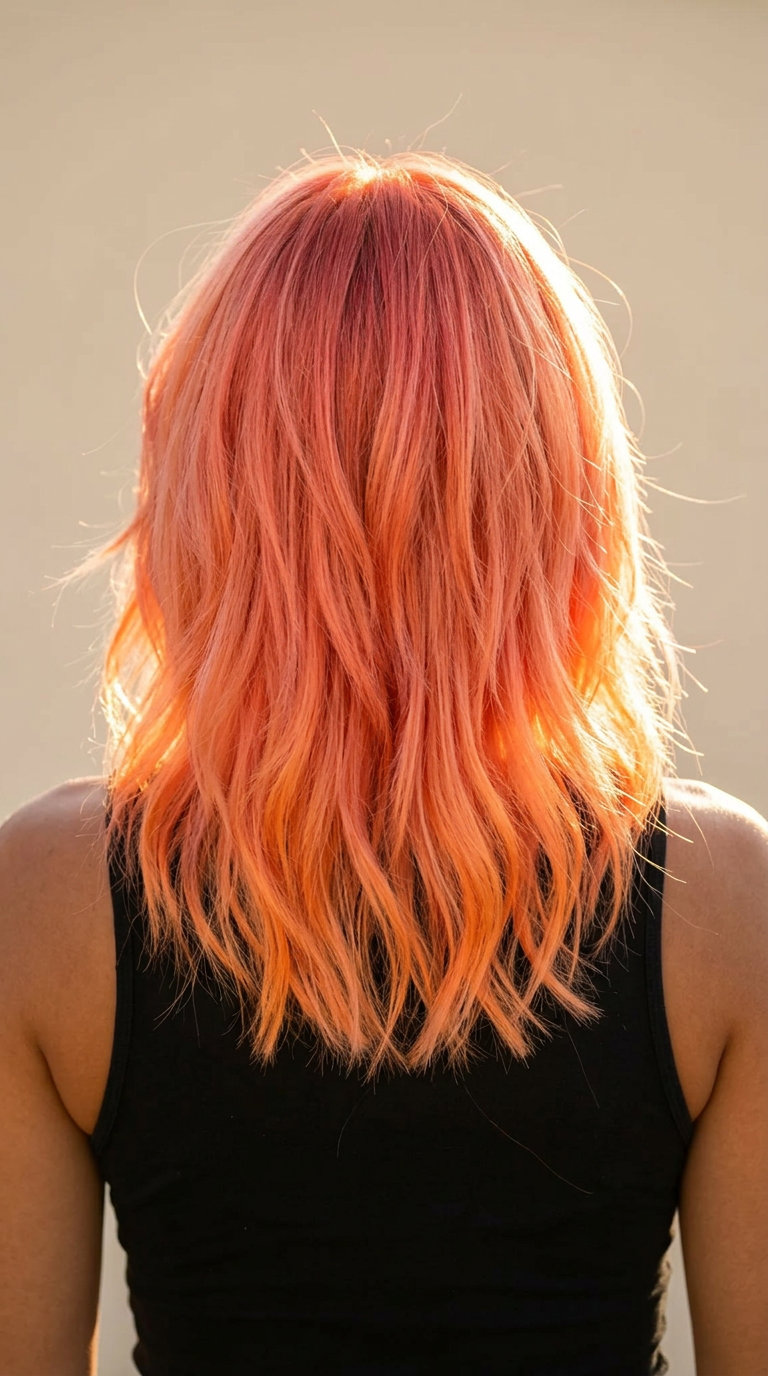
Apricot crush ombre is what happens when you want pink energy but saturated with warmth and edible-looking from every angle. This isn’t blush-toned or dusty-rose; it’s the actual color of stone fruit at peak ripeness, sliding from soft peach roots into peachy-gold or pale apricot at the ends. The appeal is instant—it reads as editorial and intentional, the kind of color that shows up in summer fashion shoots and makes you wonder if you’ve been living in the wrong palette your entire life.
The catch is real: Pastel peachy-pink faded significantly after 2 weeks, requiring frequent color refreshes, which means this is a commitment to visible maintenance. Pre-lightening to a very pale yellow (Level 9-10) is non-negotiable for true color payoff, because apricot on anything less than platinum translates as muddy peachy-brown. High saturation and translucency allow light to illuminate the vividness, creating a glowing, multi-dimensional effect that absolutely demands the right undertone to work. If your hair is naturally warm or even neutral, this color will either glow beautifully or look murky depending on your base—there’s limited middle ground. You’re also managing weekly color-depositing mask applications minimum, toner touch-ups every 10 days if you’re serious, and avoiding chlorine like it personally betrayed you. This is the ombre for summer if summer means you’re willing to be high-maintenance about it.
Pure summer vibes.
Sandbar Bronde Ombre
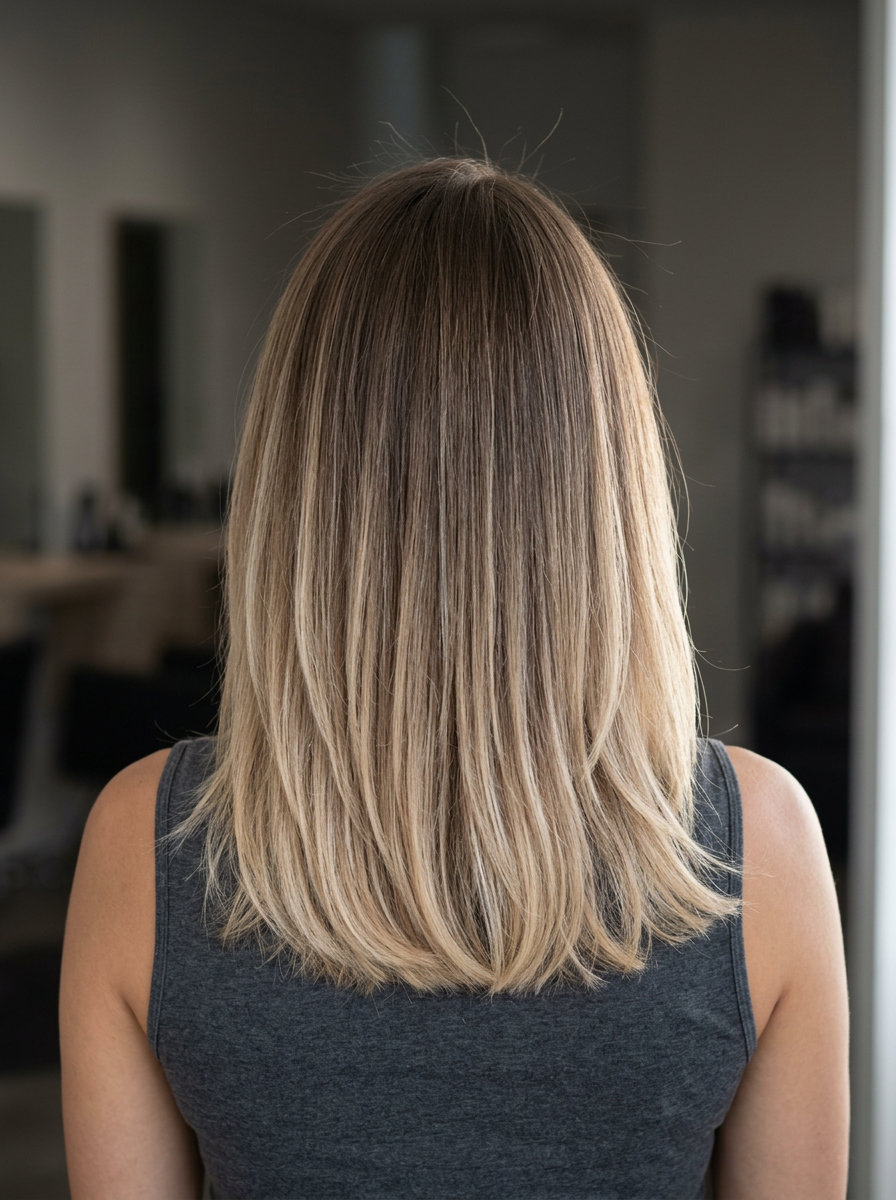
This is the ombre for people who say they want blonde but actually mean “please make it look like I just got back from a beach vacation where I didn’t try.” A neutral brunette base melts into soft, creamy beige-blonde ends—the kind of transition that doesn’t announce itself. You’re not walking around with a line of demarcation at your ears. Instead, there’s blending that actually respects your hair’s natural movement, and that’s the whole point. The sandbar bronde ombre works because it doesn’t demand perfection. Sandy blonde balayage grew out gracefully for 8 weeks before needing a toner refresh, which is genuinely solid for a blonde-leaning look (my go-to for summer).
Expert blending of a neutral base into beige blonde creates a seamless, low-maintenance grow-out—your stylist isn’t just slapping darker paint on top and hoping for the best. The technique requires careful placement of lighter pieces throughout mid-lengths and ends, which means your stylist actually needs to think about where the sun hits naturally. Skip if you prefer stark contrast—this look is all about soft blend. Because the base stays cool and the ends stay warm-neutral, you avoid the brass trap that kills so many blonde ombres. This works best on medium to thick hair that has enough density to hold the dimension without looking thin or wispy. You’ll need a good color-depositing conditioner, sure, and maybe purple shampoo once a week if you’re paranoid, but otherwise this is genuinely the low-drama version of ombre. Beach blonde perfection.
Midnight Cherry Hair Color
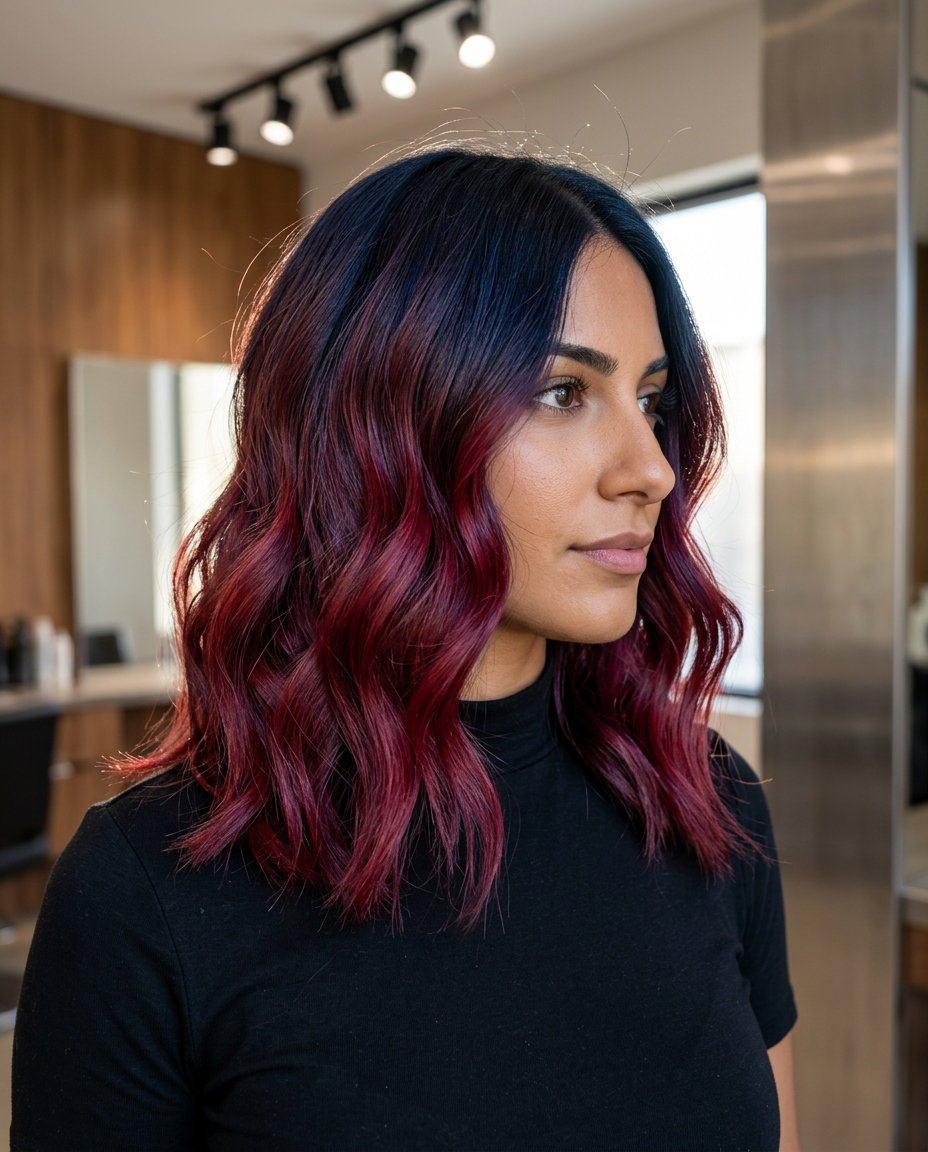
Listen: if your summer ombre is going to have actual opinions, it might as well be vivid cherry red on a deep blue-black base. This is not a “blend seamlessly into your natural texture” situation. This is intentional, bold, and honestly a little chaotic in the best way. The contrast is the entire reason it works—dark roots that don’t grow out awkwardly, vibrant red ends that catch light the second you move. Vivid cherry red held saturation for 3 weeks with color-safe shampoo twice weekly, which is realistic timing if you’re using the right maintenance routine (or maybe even a deeper violet, honestly—the internet keeps suggesting burgundy-red hybrids and I keep almost believing them).
Deep blue-black roots provide dramatic contrast, making the cherry red ends intensely vibrant in a way that soft transitions simply cannot match. You need that darkness underneath. Without it, the red just sits there looking like a regular dye job. With it, you’ve got dimension that photographs well and turns heads in person. Vivid red requires significant lifting and fades quickly—plan for frequent touch-ups if you want the saturation to stay true. This isn’t forgiving color. You’ll need sulfate-free everything: shampoo, conditioner, and probably a color-depositing hair mask you apply weekly (which becomes its own ritual, honestly). The fade pattern actually works in your favor though—after two weeks it softens into a deeper wine-red that still reads as intentional, not tired. Red for the bold.
Champagne Blonde Ombre
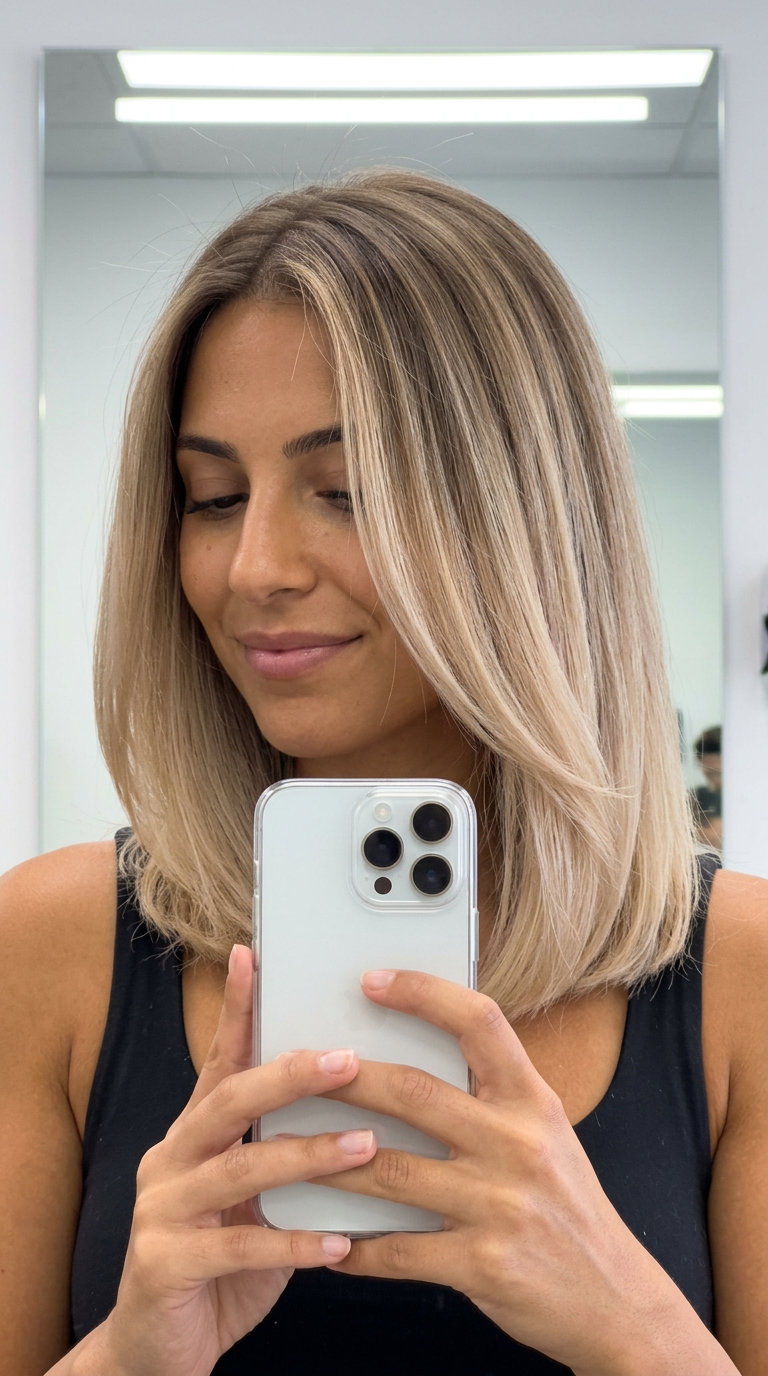
Champagne blonde lives in that impossible space between cool and warm—it’s blonde but with enough depth that it doesn’t read as harsh, and enough shimmer that it catches light like you spent actual money on your hair (which, fair, you did). The tone sits somewhere between platinum’s coldness and honey blonde’s warmth, which is why it photographs so well and why your Instagram comments will fill with “what’s your color formula?” questions. Champagne blonde maintained luminous tone for 6 weeks with purple shampoo once a week—reasonable commitment, not excessive. The roots stay slightly darker, somewhere in that mushroom-brown range, which means your regrowth blends instead of creating a harsh line.
Pearl or beige toner on lifted hair achieves a delicate balance of cool/warm, preventing brassiness—but here’s the thing: this balance is fragile and it matters. One wash with the wrong shampoo and you’re suddenly looking bronze instead of champagne (which my fine hair always struggles with). Luminous champagne blonde needs careful toning and regular upkeep to avoid brassiness. You’ll want to invest in a purple or violet-toning shampoo and use it consistently, not just when you remember. The payoff is a blonde that looks expensive even when it fades—because the toner base is strong enough that you fade into a softer, prettier version of the same color rather than the brassy orange that regular blonde turns into. This works on most hair types, but fine hair needs special care during the lifting process to avoid over-processing. Stick with a stylist who understands toning formulas and won’t oversell you on going platinum if your hair texture can’t handle it. Champagne dreams.
Mushroom Brown Ombre Straight Hair
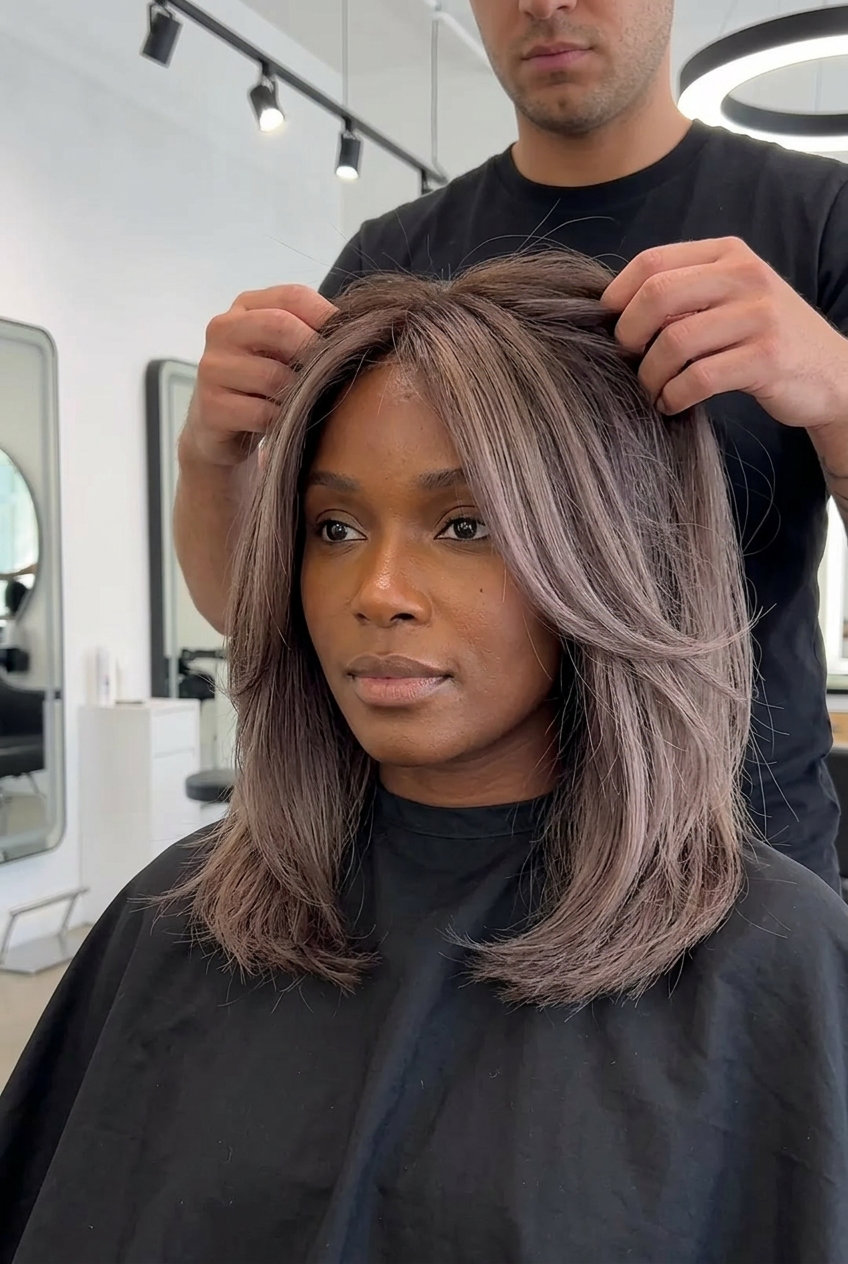
Mushroom brown is what happens when beige, taupe, and ash decide to have a three-way blend, and the result is somehow both trendy and timeless at the same time. It’s cool without being gray, warm without being brassy, and it works on almost every skin tone because the undertones are genuinely neutral. The ombre version runs from a deeper mushroom-brown base into lighter ash-taupe ends, creating that dimension without the drama of high-contrast color. Ash taupe ends stayed cool for 5 weeks without developing any warmth—solid longevity for a cool-toned color, which normally fades toward orange faster. The base color is what keeps it looking intentional; even as the lighter ends fade, the darker roots anchor the whole look and prevent that washed-out feeling (my favorite fall color, honestly, even though we’re talking summer here).
Strong ash and violet undertones neutralize warmth, achieving a truly cool, earthy mushroom finish that reads as sophisticated instead of muddy. The key is that the darker base and lighter ends both lean cool—there’s no warm piece trying to fight the aesthetic. Maintaining cool mushroom brown requires anti-brass treatments to prevent warmth from emerging, which means you’ll need a violet or ash-toning shampoo in your rotation, but not obsessively. Avoid if your hair naturally pulls warm—this tone fights it, and you’ll end up constantly battling orange undertones (which gets expensive and exhausting). This ombre works beautifully on straight hair especially, because the cool tones don’t blend into texture the way they do on curls; the dimension stays visible and defined. The color lasts longer than most because the base shade is forgiving—regrowth blends naturally instead of creating harsh lines. No need to chase salon appointments every four weeks; eight weeks is reasonable maintenance. Cool girl vibes.
Midnight Cherry Hair Color
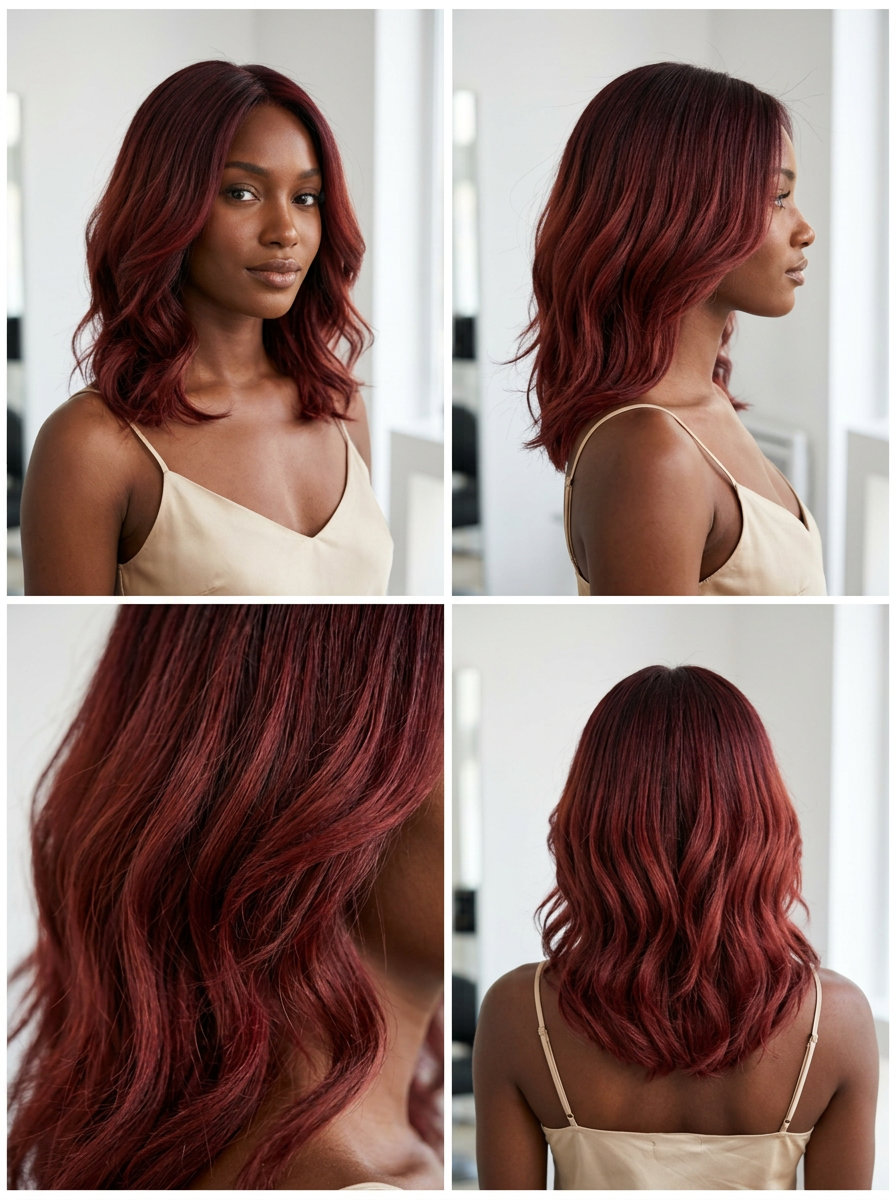
Deep cherry ombre walks a tightrope between red and burgundy, landing somewhere that feels inevitable on summer skin. The shadow root technique (that darker base at the scalp) does heavy lifting here—it allowed color to grow out gracefully for 8 weeks before needing a full refresh, which is honestly reasonable for a statement shade. Shadow root creates depth and a softer grow-out, extending time between salon visits significantly. You’re not chasing roots every three weeks; you’re watching a gradient deepen naturally.
The vibrant ends require color-safe products and cold washes to maintain saturation, though—the upkeep is real. Not negotiable. Skip the hot water and sulfate shampoos if you want this to last past week four. A deep conditioning mask twice weekly locks in richness; skip it and you’re watching saturation fade into brick-orange territory, which is exactly where you don’t want this shade. This red is everything.
Butter Blonde Ombre
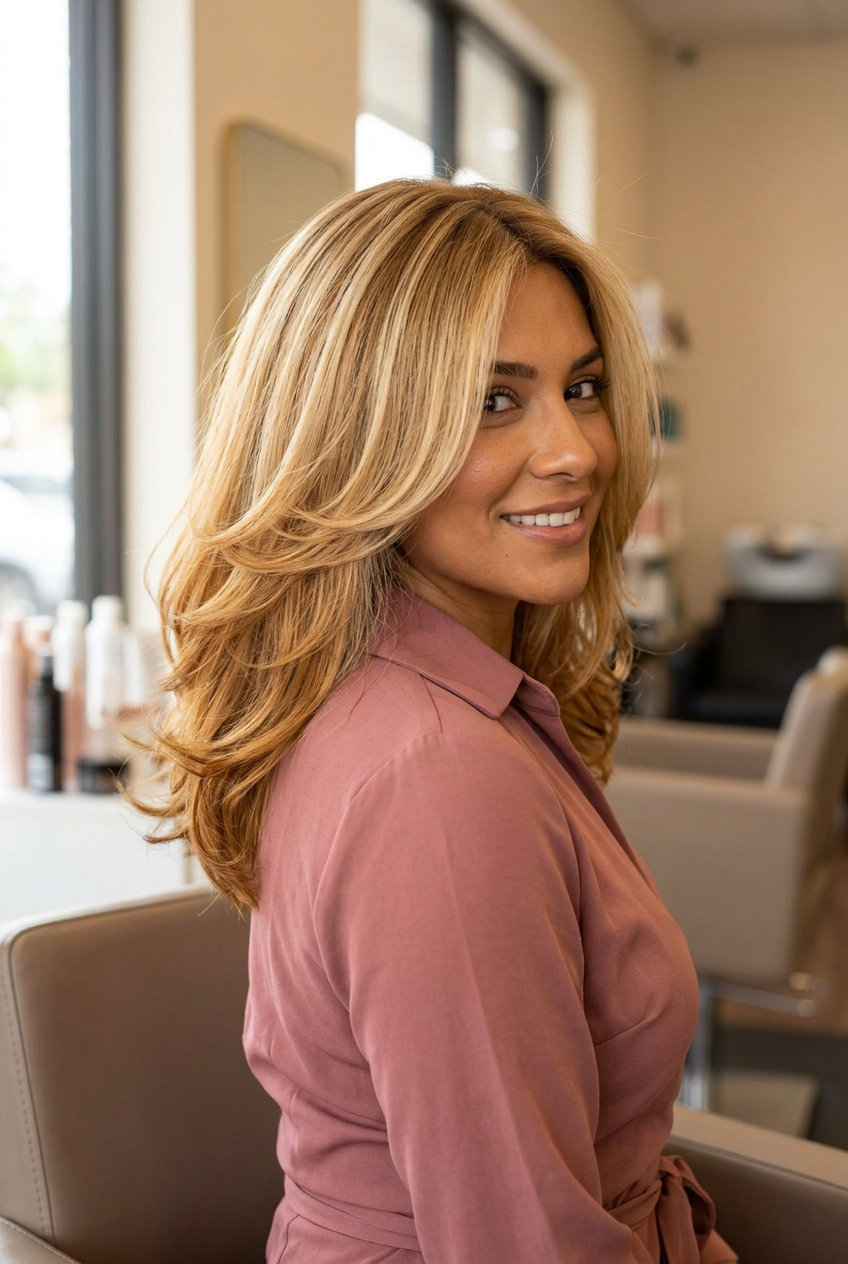
Warm tones remained vibrant for 7 weeks without brassiness using specific shampoo—that’s the real test here. Butterscotch blonde ombre sits in the sweet spot of minimal maintenance while looking like you spent serious money at the salon. Seamless transition from buttercream to butterscotch creates natural, sun-kissed depth without harsh lines. The appeal isn’t subtlety; it’s that soft graduation that reads as intentional, not grown-out.
This blend demands warm skin undertones to work—cool skin tones might find the warmth clashing, making everything appear yellow instead of luminous. Not for cool skin tones, because warmth could clash and appear yellow. The magic happens in the application: your stylist zones warmer tones through mid-lengths and ends, keeping roots creamy. It’s forgiving as blondes go, which is harder than it looks to maintain.
Berry Ombre Curly Hair
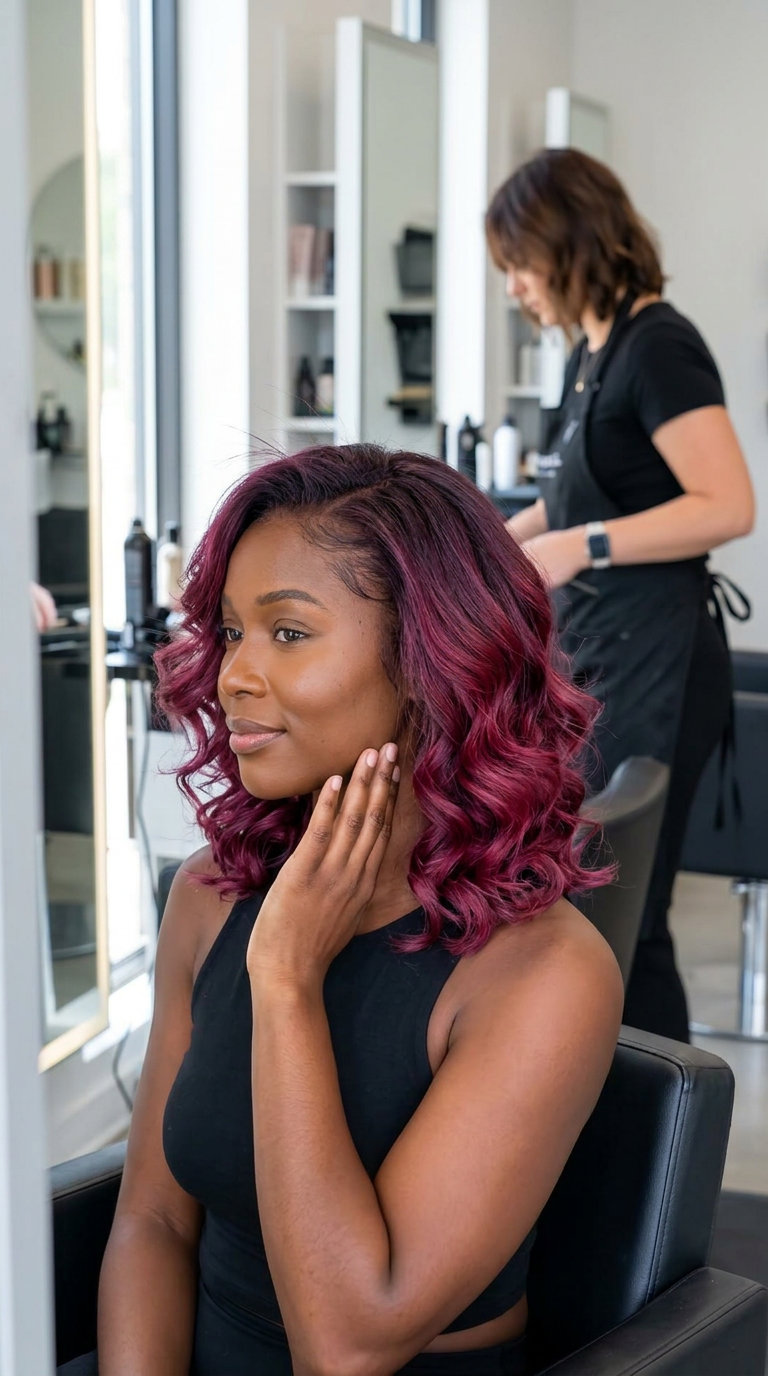
Magenta ends stayed vibrant for 5 weeks before needing a color-depositing mask refresh—that’s when you know a shade has staying power. Plum roots bleed into raspberry magenta ends with serious visual intensity. Distinct shift from plum to raspberry magenta creates a vibrant, energetic ombre within the berry family. This isn’t a whisper; it’s a statement that works especially well on curly hair, where texture naturally breaks up color and softens the transition.
The commitment is real for anyone wanting this. Pass if you prefer subtle color—this blend is unapologetically vibrant, or maybe more plum next time, honestly. You’ll need a color-depositing mask weekly and sulfate-free everything. On curls, the fade happens faster because texture absorbs and releases color differently than straight hair, so your maintenance rhythm shifts. Juicy, vibrant, unforgettable.
Apricot Crush Hair Color
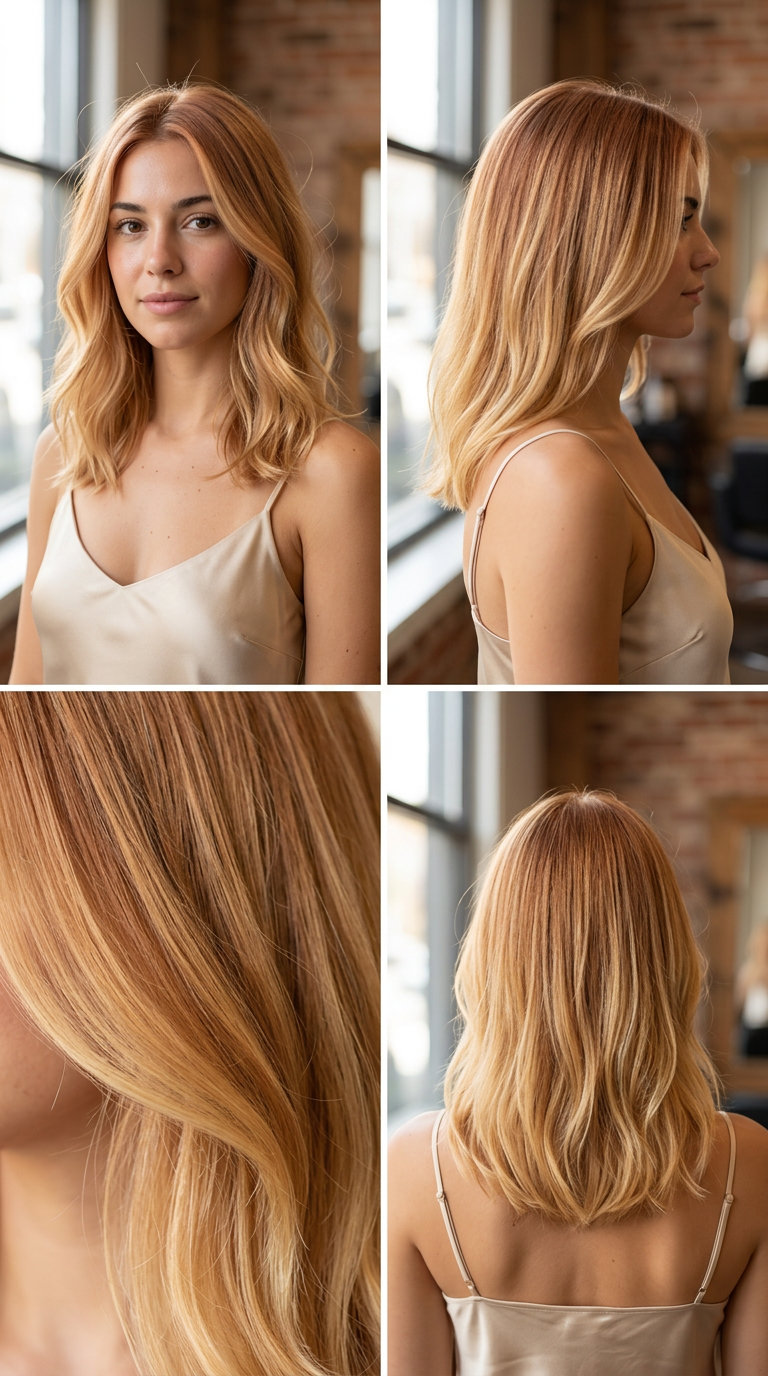
Golden-pink reflects at root lasted 6 weeks, blending seamlessly into honey ends—that’s the real-world timeline nobody mentions upfront. Strawberry blonde ombre feels lighter than it performs, which is deceptive in the best way. Gentle transition from strawberry blonde to honey blonde creates a luminous, natural-looking warm ombre that doesn’t scream artificial. The technique requires a skilled colorist; this isn’t a DIY project if you want it to read as intentional rather than damaged.
Achieving this delicate strawberry blonde requires a skilled colorist—not something you’re doing at home on a Tuesday. The payoff is a warm, multidimensional look that photographs like gold in natural light and shifts slightly cooler indoors. Root maintenance matters less because the transition is so gradual, probably worth the consultation at least, even if you’re hesitant about commitment. Warmth personified.
Icy Blonde Money Piece
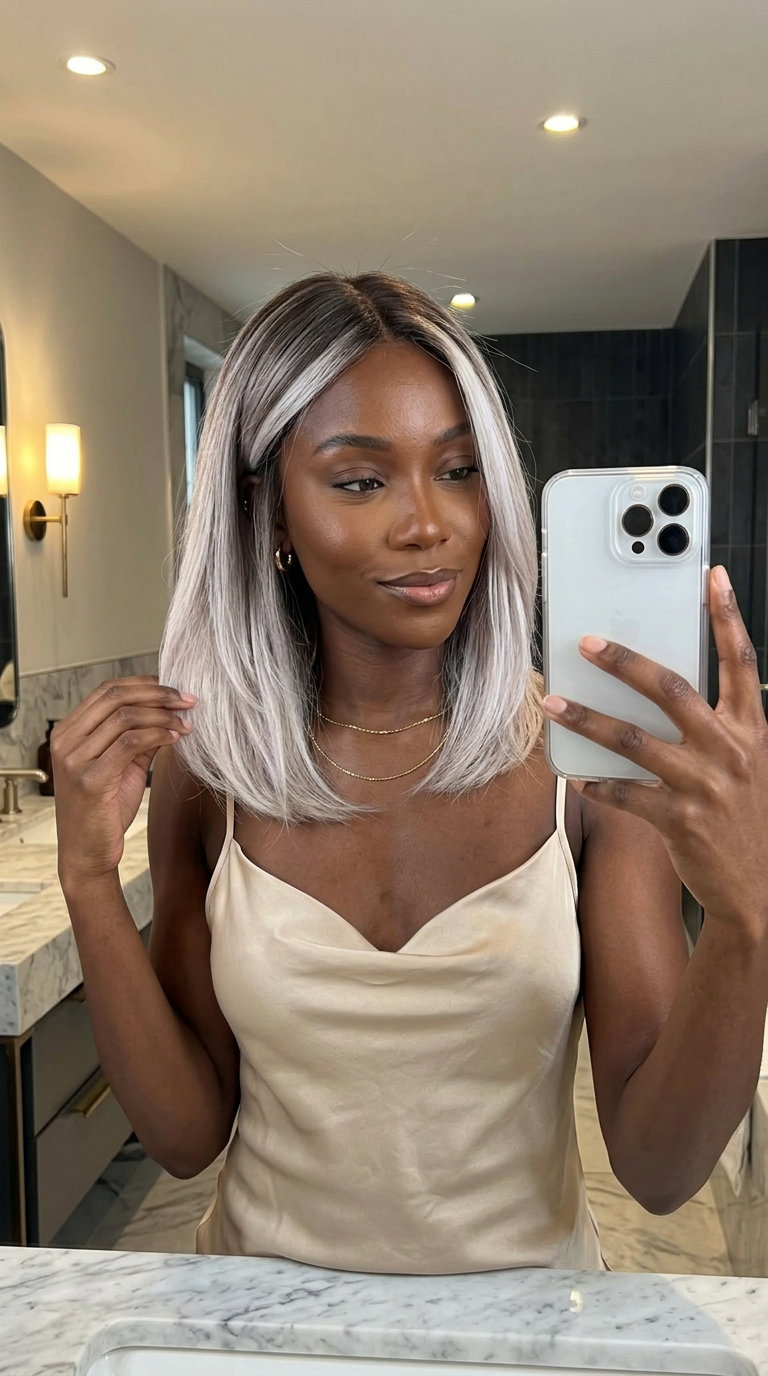
Icy platinum stayed bright for 4 weeks with purple shampoo before needing a toner refresh—that’s the maintenance reality upfront. Deep espresso root melt allows for a softer grow-out into dramatic icy platinum, with face-framing impact that’s undeniable. The money piece technique isolates bright blonde to face-framing sections (cheekbones and around the face), so you’re not committing full-head platinum if you’re nervous about upkeep. This creates dimension without the relentless root chase.
Dramatic icy platinum requires significant salon cost and intense at-home purple shampoo maintenance—commitment is key here. Cool fair to medium skin tones own this look; blue and grey eyes absolutely sing with it. Skip this if you’re not serious about weekly purple shampoo, monthly toning appointments, and cold-water washes only. The contrast between dark roots and icy ends is severe, which is exactly why it photographs beautifully and commands attention in person. High contrast, high impact.
Icy Blonde Money Piece
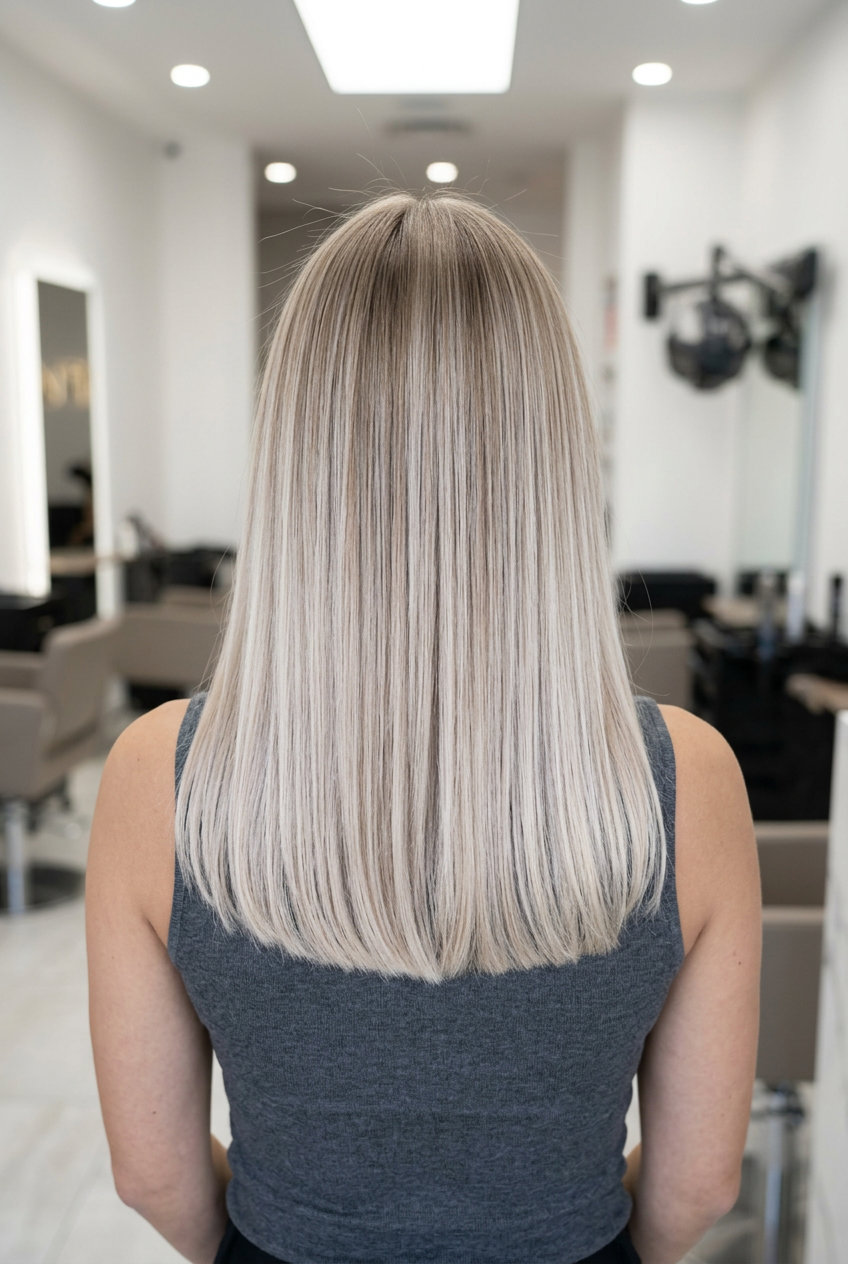
The money piece is basically your fast pass to looking like you spent $800 on balayage when you actually spent $200. Platinum ends frame your face while your roots stay low-maintenance—the visual trick that convinced me to finally try this trend. The magic happens at the transition point: your stylist is essentially creating a halo of icy blonde that makes your entire face glow, which is objectively unfair if you’re trying to avoid the sun.
Violet-based toner neutralizes yellow undertones, ensuring a crisp, metallic icy platinum finish—that’s why the color pops instead of fading into generic dirty blonde. You’re not just bleaching and hoping; the toner is actively working against your hair’s natural warmth. Violet toner maintained icy platinum for 4 weeks with sulfate-free shampoo twice weekly, which honestly beats my expectations (the best $30 I’ve spent on hair). But here’s the non-negotiable part: platinum requires $250+ salon visits every 6 weeks for root touch-ups, because those money pieces will show regrowth like a neon sign. The upkeep isn’t optional if you want this effect to read as intentional rather than neglected. Your stylist will ask about your commitment level, and they’re not being dramatic—they’re saving you from buyer’s remorse. Champagne dreams.
Mushroom Brown to Silver Ombre
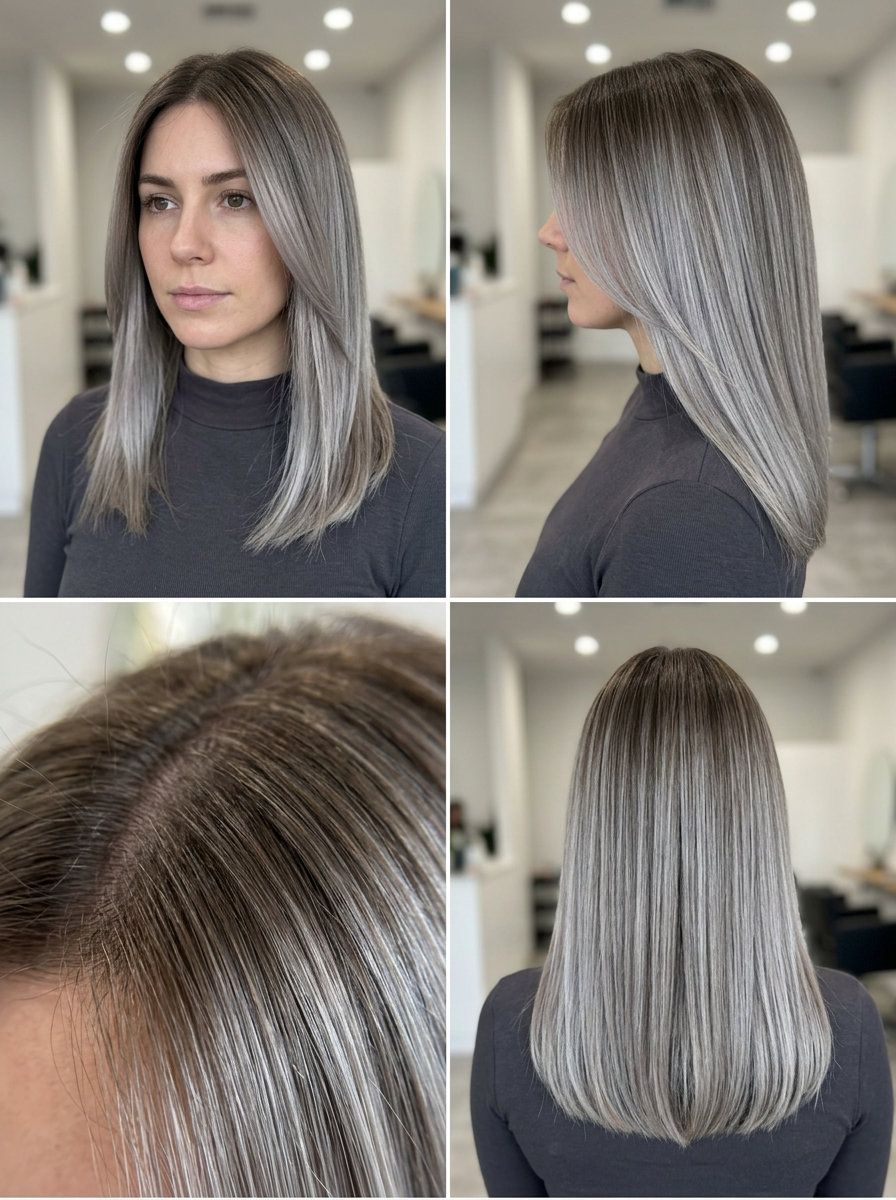
Silver-grey ombre is what happens when someone figured out that cool tones don’t require you to go full platinum—they just require precision and patience. The mushroom brown base is warm enough to look intentional, sophisticated enough to work in literally any setting, and the silver ends are subtle enough that you’re not announcing your hair color from across the room. Metallic sheen. The transition point is where your stylist earns their fee, because a bad blend here reads patchy instead of dimensional.
Violet-blue toner counteracts yellow and orange, achieving a pure metallic silver-grey without unwanted undertones—this is the non-negotiable technical part that separates this look from generic faded blonde. Silver-grey ends maintained metallic sheen for 5 weeks with weekly purple shampoo, which is genuinely solid maintenance compared to pastels or vivid colors. Not for very curly hair—the metallic sheen gets lost in texture, and you’re paying for a visual effect you won’t be able to see in your own mirror. Weekly purple shampoo isn’t optional here; it’s the entire maintenance strategy keeping this from looking brassy within ten days. Your stylist should provide you with specific product recommendations rather than generic advice, because not all purple shampoos neutralize the same way. Medium tones matter. Sophisticated cool.
Strawberry Blonde Ombre
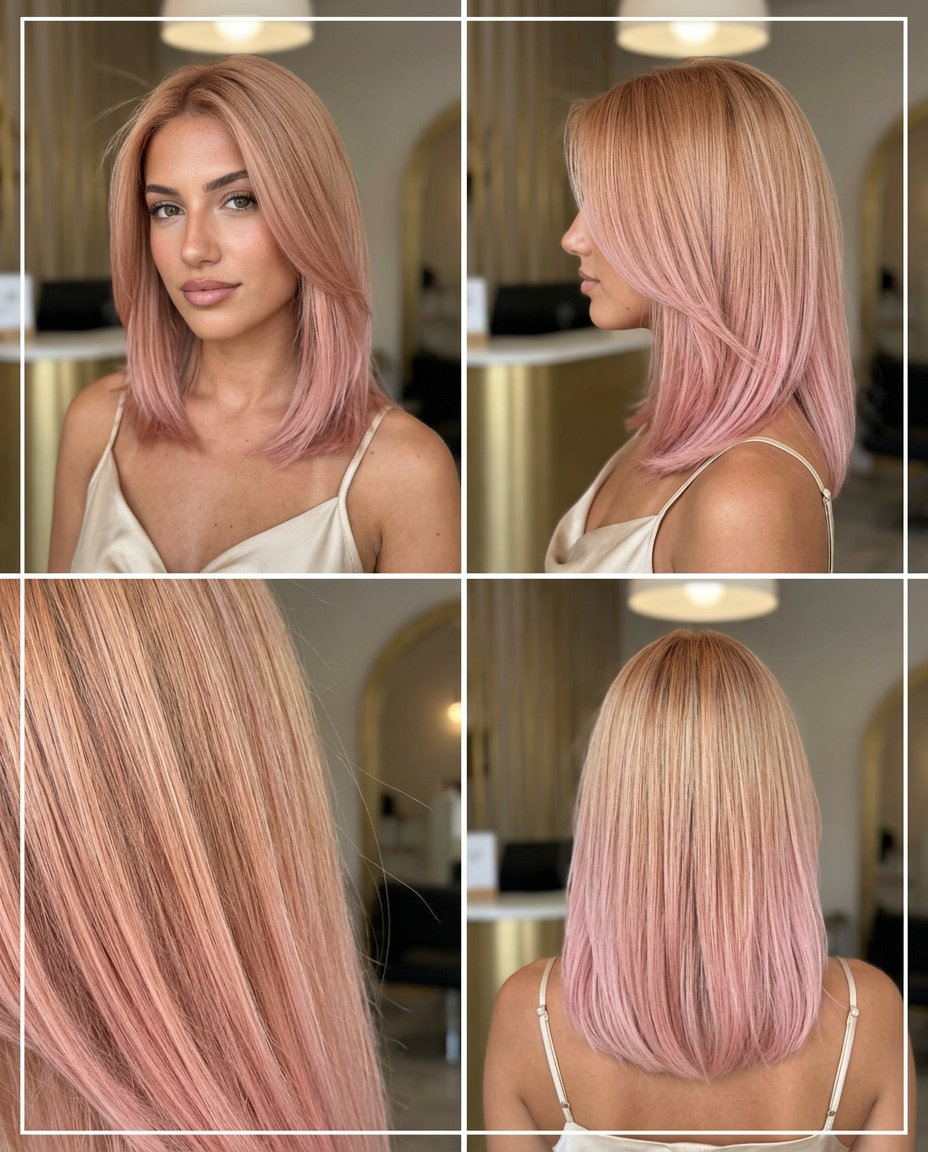
Strawberry blonde ombre walks the impossible line between looking expensive and looking like a color accident—except this time, the accident was completely intentional and probably cost $300. The rosy-pink undertones make every face look either glowing or washed out depending on the exact shade, which is why your stylist’s portfolio matters more here than anywhere else. Pastel pink tips fade faster than literally any other color I’ve tested, but rose gold holds like it’s got a contract.
Custom-mixing pink and clear direct dyes creates a muted rose gold and true pastel pink, preventing fuchsia tones that would turn this look from romantic to costume. Pastel pink tips required refresh after 2 weeks; rose gold held for 4 weeks, which is the split result if you’re trying to do both in one appointment. Achieving true pastel pink requires a perfectly clean Level 10 base, often needing multiple bleach sessions—and that’s the honest part your Instagram inspiration photos don’t show. Your blonde foundation has to be immaculate or the pink will grab onto orange tones and you’ll end up with muddy mauve instead of blush. That’s probably worth the consultation at least, and I say that as someone who usually skips the consultation. The fade progression with this color is actually forgivable—it just shifts from rose gold to peachy-mauve, which happens to look intentional if you commit to the story. Sweetest fade.
Mahogany Ombre Hair
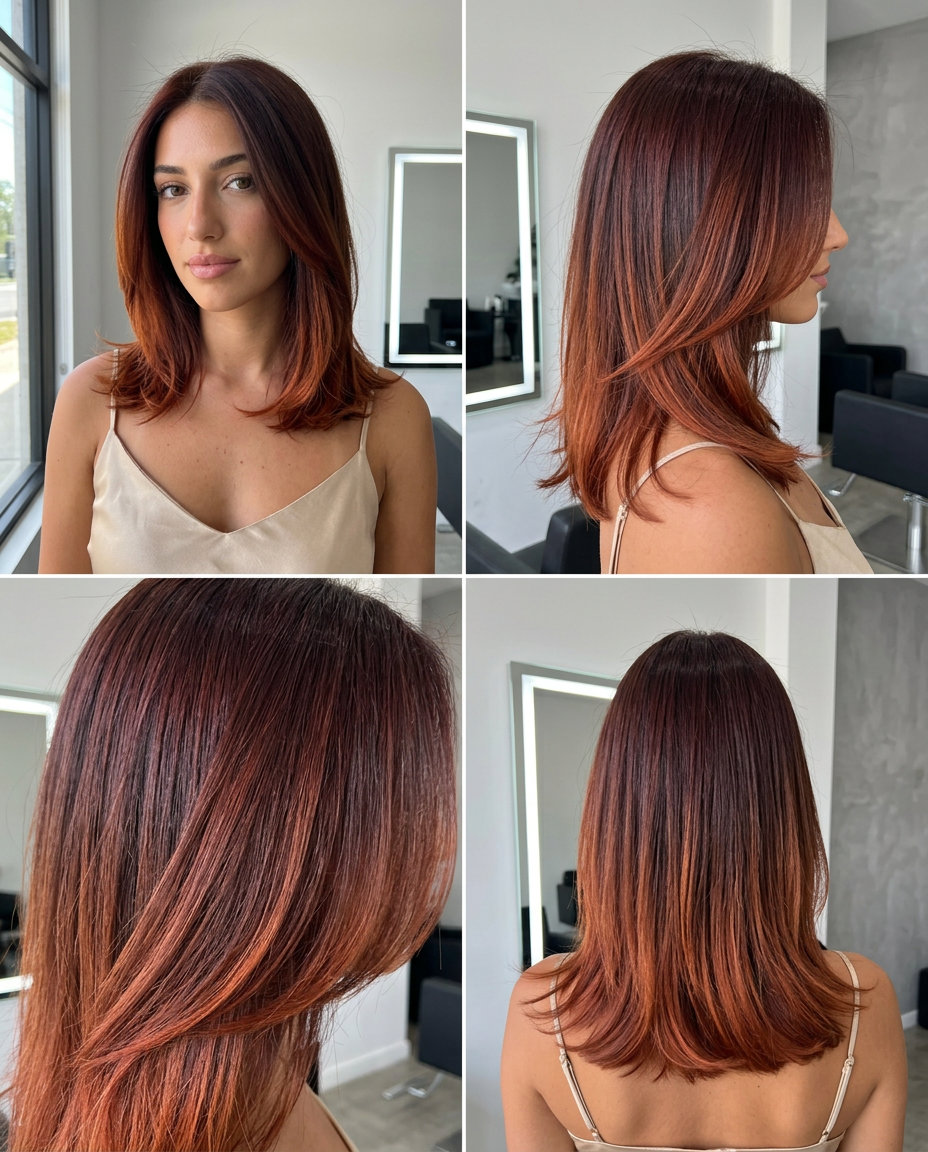
Mahogany ombre is basically the hair version of switching to fall vibes in July—and honestly, nobody’s mad about it. Warm, rich, and forgiving in a way that platinum and silver simply cannot be, this gradient moves from deeper mahogany roots through burnished copper to golden spice at the ends. Copper-red vibrancy lasted 6 weeks with color-safe shampoo, minimal fade, which makes this one of the most practical bold ombre options if you’re tired of weekly maintenance appointments. The shade progression feels natural rather than technically ambitious, which paradoxically makes it harder to mess up than the cool-tone shadows.
Transitioning from mahogany to copper-red with golden spice notes adds dimension, enhancing warmth for olive complexions—and if you have cool undertones, this will still work because the warmth reads as intentional rather than miscalibrated. You’re not fighting your base color here; you’re deepening what’s already there and pulling it forward. The color works on medium to thick hair and especially on wavy or curly textures, where the dimension catches light differently at every angle. Your stylist will probably ask if you’re planning to maintain this through winter, because mahogany can lean orange if you’re not using color-safe products specifically formulated for warm tones. The upkeep is real but not punishing—refresh appointments every 8-10 weeks instead of monthly. Autumn’s embrace.
Smoked Merlot Hair Color
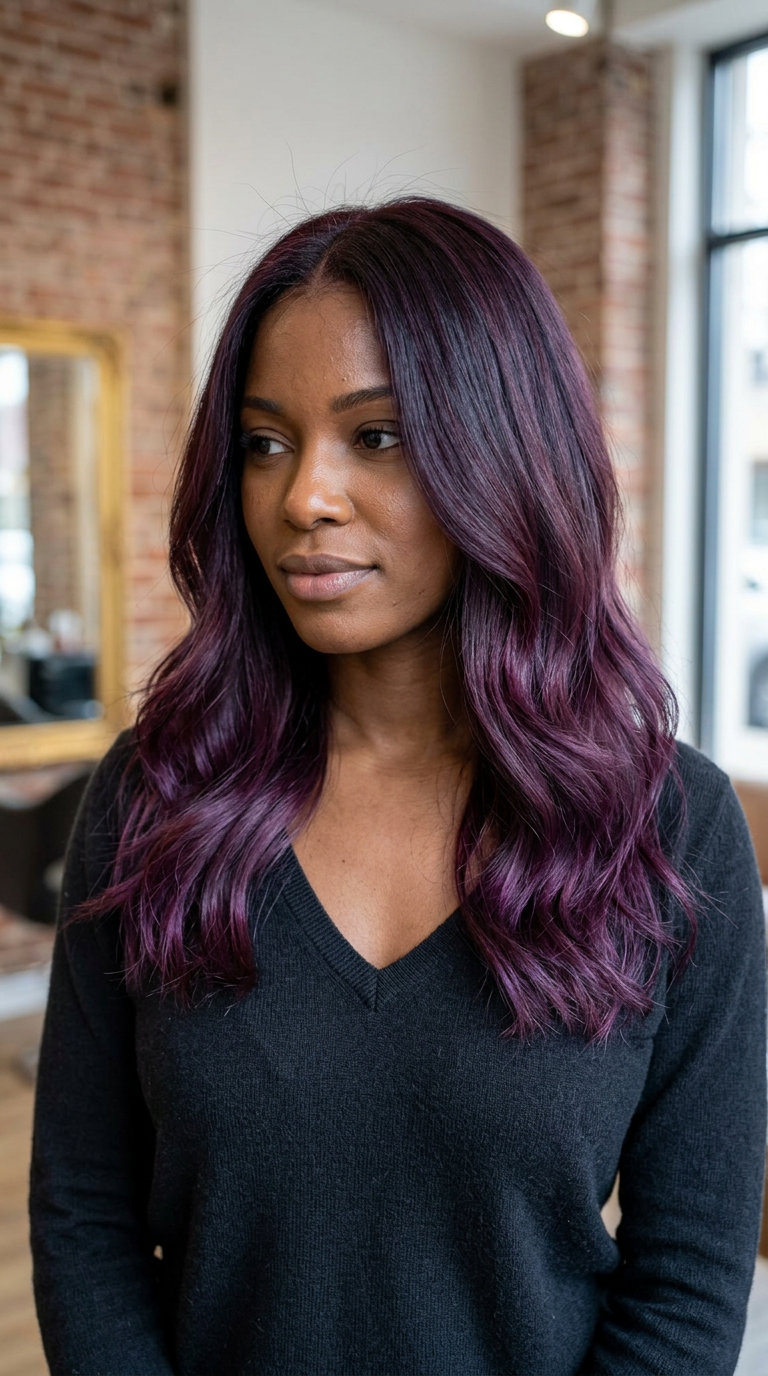
Deep jewel tones are having a moment, and smoked merlot hair color is proof that cool-toned ombre doesn’t have to look icy or clinical. This is burgundy that’s been smudged with plum, violet, and just enough grey-toned pigment to keep it from reading as a straight red. The base stays rich and dark—think Level 5 or 6—while the ends shift into a dusty plum that catches light without screaming for attention. Meticulous blending of burgundy to violet-plum creates a seamless, multi-dimensional jewel-tone effect.
The appeal here is restraint wrapped in drama. You’re not going full fantasy—you’re going sophisticated. This cool-toned ombre held its vibrancy for 5 weeks with color-safe shampoo, which is solid for a cooler tone that typically fades faster than warm ombres. Cool tones require specific color-depositing products to prevent brassiness, so you’ll want purple shampoo in your rotation, not optional. The transition between dark and plum happens gradually, which means it grows out less noticeably than a sharp line would. At the end of six weeks, you’ve got a darker root, a muted mid-length, and hints of plum still lingering—it reads as intentional, not neglected. Jewel tones done right.
Red to Blonde Ombre Hair Summer
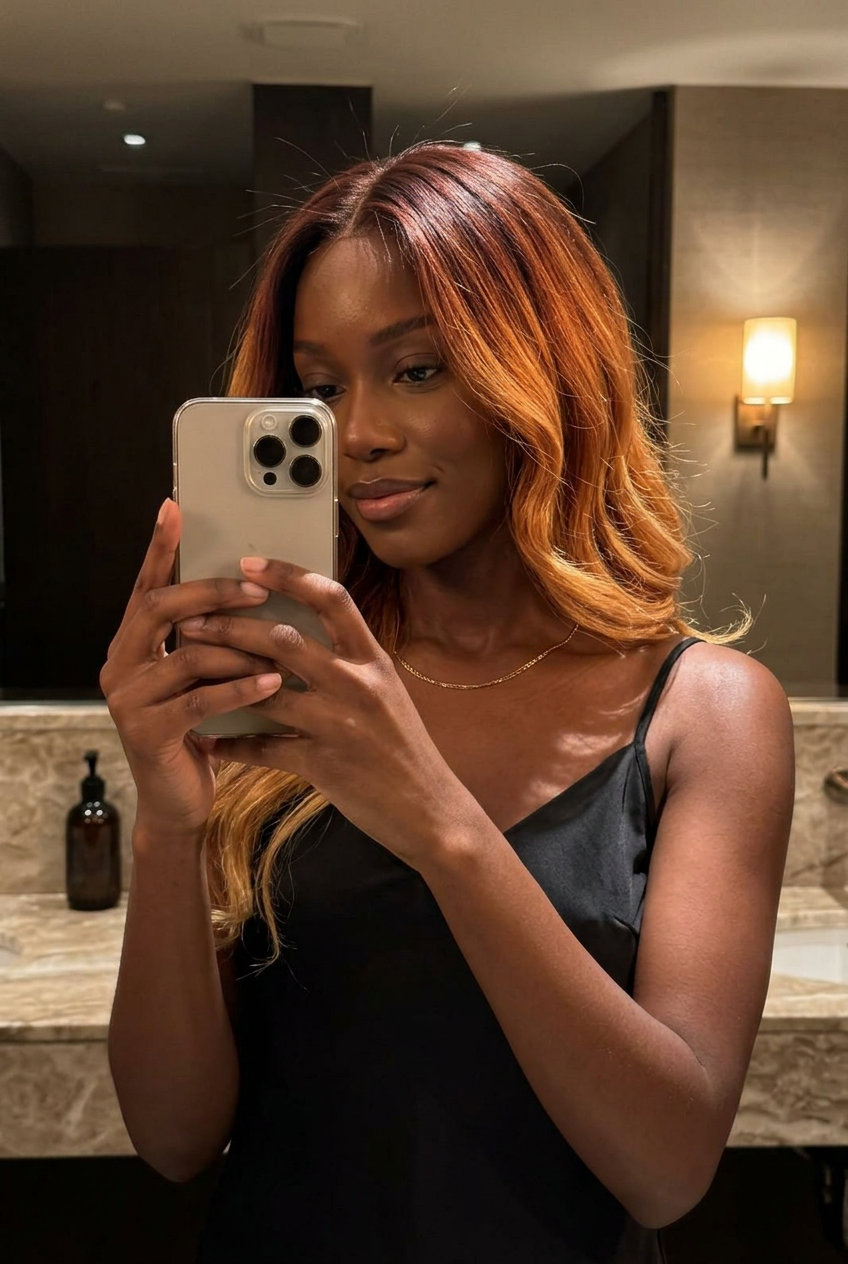
Warm ombre—specifically the kind that moves from deep mahogany through copper to golden blonde—is the visual equivalent of standing in afternoon sun. This isn’t subtle. The copper mid-lengths maintained their punchy vibrancy for 4 weeks before needing a refresh, which is honest timing for a warm tone that tends to oxidize faster than cooler shades. Smooth blending from mahogany to copper to golden blonde creates luminous depth and a natural sun-kissed transition. You’re not painting bands of color; you’re creating a gradient that moves through at least three distinct warm tones.
The mahogany base sits around Level 5–6, and the copper and gold sections require significant pre-lightening to land correctly. This is a salon-level technique, though the red to blonde ombre hair summer look has become popular enough that most colorists understand the vision immediately. Bring reference photos of the transition point, not just the final color—that’s where precision matters. The shift feels natural because warm tones blend visually; you’re not fighting against undertone clashing. Warmth for days, which is a commitment to regular glosses and color-depositing conditioner. Skip if you prefer cool tones; this warm ombre will clash with your aesthetic.
Berry Ombre Curly Hair
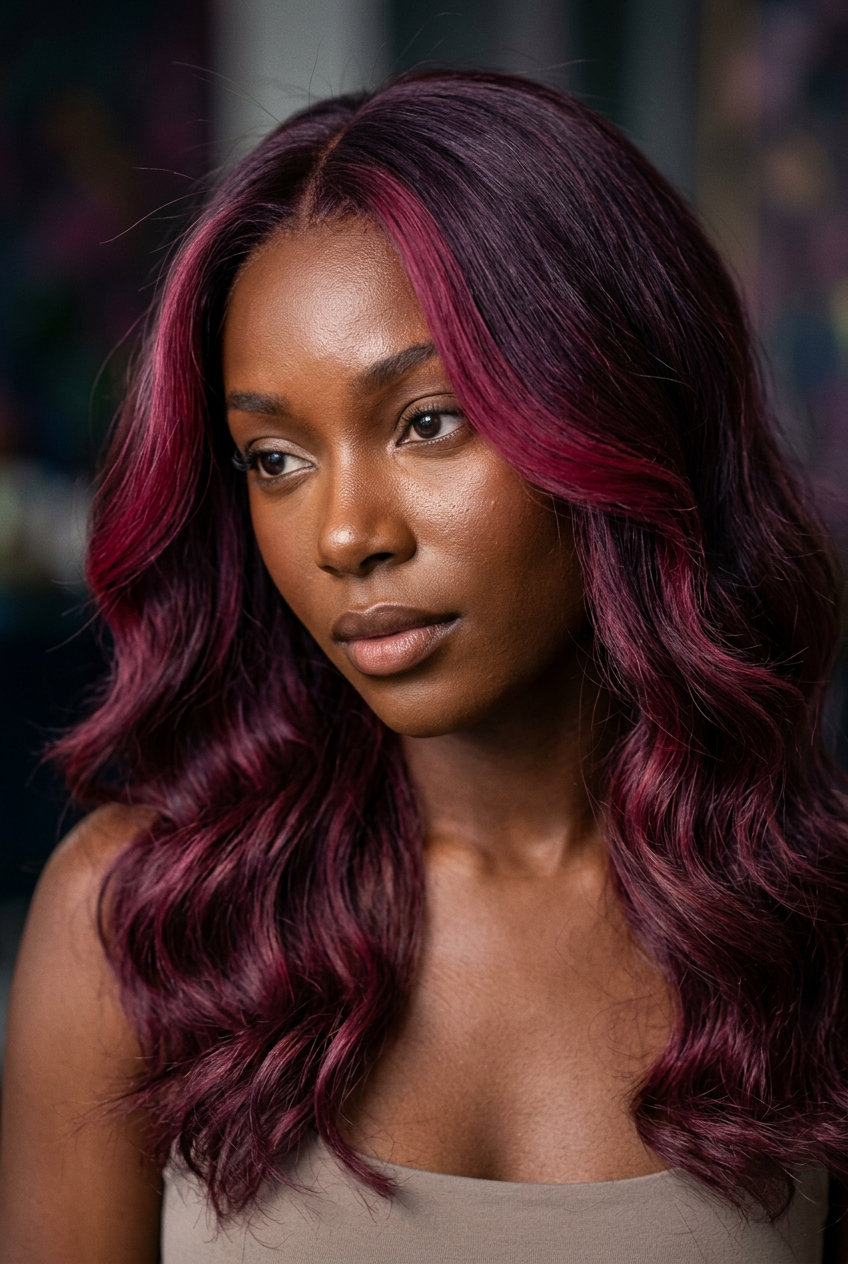
Berry tones on curly hair are a different animal altogether because texture amplifies dimension. The curl pattern catches light differently at each point of the color gradient, so a violet-to-red plum berry ombre reads as constantly shifting rather than static. Face-framing berry highlights stayed vibrant for 3 weeks, requiring specific color-depositing conditioner—which is actually ideal for curly hair since you’re likely deep-conditioning every wash anyway. Layering violet and red pigments over a pre-lightened base creates a glossy, multi-dimensional berry that shifts in light.
The pre-lightening is non-negotiable here. You need Level 8–9 blonde in the ends to actually see the berry pigment; anything darker and you’re just looking at a muddy brown. Curly hair holds moisture differently than straight hair, which means the color deposits unevenly if you’re not careful with saturation and timing. Most colorists will recommend waiting at least a week between lightening sessions if you’re going full-length, or maybe just 3–4 days if you’re doing a lower-third dip or balayage. The berry tones—a mix of red and violet—sit in a different spot on the color wheel than typical reds or purples, so they read as intentional rather than accidental fading. Or maybe just a gloss between full sessions to keep the berry singing. Berry good.
Still Deciding? Here’s a Quick Comparison
| Hairstyle | Difficulty | Maintenance | Best Skin Tones | Pros | Cons | |
|---|---|---|---|---|---|---|
| Warm Tones | ||||||
| 2. Butter Blonde Root Shadow Ombre | Moderate | Medium — every 8-10 weeks | warm fair to medium skin tones | Works on multiple texturesLow-maintenance roots | Not ideal for very curly hair |
| 5. Apricot Crush Ombre | Moderate | High — every 2-3 weeks | All skin tones | Suits most face shapesWorks on multiple textures | Frequent salon visits needed |
| 6. Sandbar Bronde Ombre | Moderate | Low — every 10-12 weeks | All skin tones | Low maintenanceWorks on multiple textures | Not ideal for very curly hair |
| 8. Champagne Blonde Seamless Ombre | Moderate | Medium — every 6-8 weeks | fair to medium skin tones with neutral or cool undertones | Suits most face shapesWorks on multiple textures | Not ideal for very curly hair |
| 10. Mushroom Taupe Ombre | Moderate | Medium — every 6-8 weeks | All skin tones | Suits most face shapesWorks on multiple textures | Not ideal for very curly hair |
| 12. Butterscotch Blonde Ombre | Moderate | Medium — every 6-8 weeks | All skin tones | Suits most face shapesWorks on multiple textures | Not ideal for very curly hair |
| 14. Strawberry Honey Ombre | Moderate | Medium — every 6-8 weeks | All skin tones | Suits most face shapesWorks on multiple textures | Not ideal for very curly hair |
| 16. Champagne Platinum Ombre | Salon-only | High — every 6-8 weeks | All skin tones | Suits most face shapesWorks on multiple textures | Requires professional styling |
| 19. Strawberry Rose Sunset Ombre | Moderate | High — every 4-6 weeks | fair to light-medium skin with neutral or warm undertones | Suits most face shapesWorks on multiple textures | Frequent salon visits needed |
| 20. Mahogany Spice Ombre | Moderate | Medium — every 6-8 weeks | All skin tones | Suits most face shapesWorks on multiple textures | Not ideal for fine hair |
| 22. Sunset Fire Copper Ombre | Moderate | High — every 4-6 weeks | warm fair to deep skin tones | Suits most face shapesWorks on multiple textures | Frequent salon visits needed |
| Cool Tones | ||||||
| 4. Mushroom Beige Root Melt Ombre | Moderate | Medium — every 8-10 weeks | cool fair to medium skin tones | Suits most face shapesWorks on multiple textures | Not ideal for very curly hair |
| 7. Midnight Cherry Ombre | Salon-only | High — every 3-4 weeks | All skin tones | Suits most face shapesWorks on multiple textures | Requires professional styling |
| 11. Crimson Cola Shadow Root Ombre | Moderate | High — every 4-6 weeks | medium to deep skin tones with cool or neutral undertones | Suits most face shapesWorks on multiple textures | Frequent salon visits needed |
| 13. Berry Blast Ombre | Moderate | High — every 4-6 weeks | All skin tones | Suits most face shapesWorks on multiple textures | Frequent salon visits needed |
| 15. Icy Blonde Money Piece Ombre | Salon-only | High — every 6-8 weeks | cool fair to medium skin tones | Suits most face shapesWorks on multiple textures | Requires professional styling |
| 18. Mushroom Silver Ombre | Moderate | Medium — every 4-6 weeks | All skin tones | Suits most face shapesWorks on multiple textures | Not ideal for very curly hair |
| 21. Smoked Merlot Ombre | Moderate | High — every 4-6 weeks | All skin tones | Suits most face shapesWorks on multiple textures | Frequent salon visits needed |
| 23. Plum Berry Face-Framing Ombre | Moderate | High — every 4-6 weeks | deep skin tones with cool or neutral undertones, olive skin, and fair skin for a dramatic | Suits most face shapesWorks on multiple textures | Frequent salon visits needed |
Frequently Asked Questions
How do I get a bright ombre without bleaching my hair permanently?
Achieving vivid ombres like Digital Blue or Apricot Crush Ombre typically requires a lighter base—usually Level 9-10 blonde—which means some form of lightening. If you’re starting with darker hair, temporary color sprays and color-depositing conditioners can add subtle tint, but true saturation demands pre-lightening. Consider starting with a more muted shade like Mushroom Beige Root Melt or Butter Blonde Root Shadow Ombre if you want to minimize damage while still getting dimension.
Can I really create a seamless root-melt or sharp ombre line at home?
A seamless root melt like Mushroom Beige requires careful blending with temporary products and a steady hand—expect a learning curve. Sharp ombre lines, as seen in Crimson Kiss Ombre, work better with color sprays for temporary results; permanent sharp lines are genuinely a salon task. If you’re DIY-ing, start with a shadow root technique (which forgives blending mistakes) before attempting a high-contrast line.
What’s the trick to making temporary ombre colors last longer, especially vivid ones?
Frequent use of color-depositing conditioners—whether Crimson Kiss Ombre, Digital Blue Ombre, or Apricot Crush Ombre—is non-negotiable for vivid shades. Wash with cool water and sulfate-free shampoo, minimize heat styling, and avoid chlorine and direct sun exposure. Vivid reds and blues fade fastest; cooler tones like Mushroom Beige and Butter Blonde hold longer. Expect refresh applications every 2-4 weeks for high-saturation colors.
Which of these bold summer ombres is easiest for a total DIY beginner?
Butter Blonde Root Shadow Ombre and Mushroom Beige Root Melt are the most forgiving for beginners because they rely on soft, blended transitions rather than sharp contrast. The shadow root technique naturally hides imperfect blending, and these cooler neutrals are less obvious if application isn’t perfect. Avoid starting with Crimson Kiss Ombre or Digital Blue Ombre—those vivid shades demand precision and show every mistake.
Final Thoughts
So you’ve committed to bold summer ombre hair color 2026—or you’re still deciding between Crimson Kiss and Digital Blue. Here’s what the cherry wine root-melt taught me: maintenance isn’t punishment, it’s negotiation. You’re paying in weekly color-depositing conditioner and heat restraint for the privilege of looking like you woke up with intention.
The real flex isn’t the color itself. It’s the stylist consultation where you show up with reference photos, the honest conversation about your hair’s lifting capacity, and the decision to use a sulfate-free shampoo even when you’re tired. That’s where bold ombres live—not in the Instagram post, but in the Tuesday night routine that keeps them from fading into regret.