The layered wolf cut is everywhere this summer, and it’s not the heavy, high-maintenance version from 2023. Jenna Ortega’s choppy shoulder-length cut with burgundy tints during the Beetlejuice 2 press tour proved the wolf works for the soft-goth crowd. Meanwhile, stylists are pushing toward what they’re calling the “air-dry evolution”—think the Hush Cut’s effortless Korean-inspired layers, the Cub Cut’s shaggy-bob energy, and the Executive Wolf’s polished-but-still-textured finish. Three completely different vibes, same DNA. The shift is real: less blow-dryer theater, more “I woke up like this.”
The layered summer wolf cut 2026 ranges from the barely-there wispy layers of the Hush Cut to the dramatic disconnection of the Jellyfish Wolf—cuts that work on fine hair, thick hair, oval faces, and the I-don’t-own-a-flat-iron crowd. What separates these from the generic Pinterest wolf cuts is the specificity: internal thinning for the poofy-hair problem, ghost layers for volume without visible lines, razor carving for that feathery texture that actually air-dries.
I got a wolf cut in 2024 expecting a styling nightmare and got the opposite—suddenly my hair dried faster, looked intentional without product, and survived the humidity better than my old blunt layers ever did. That’s the real sell here.
Rose Gold Wolf Cut
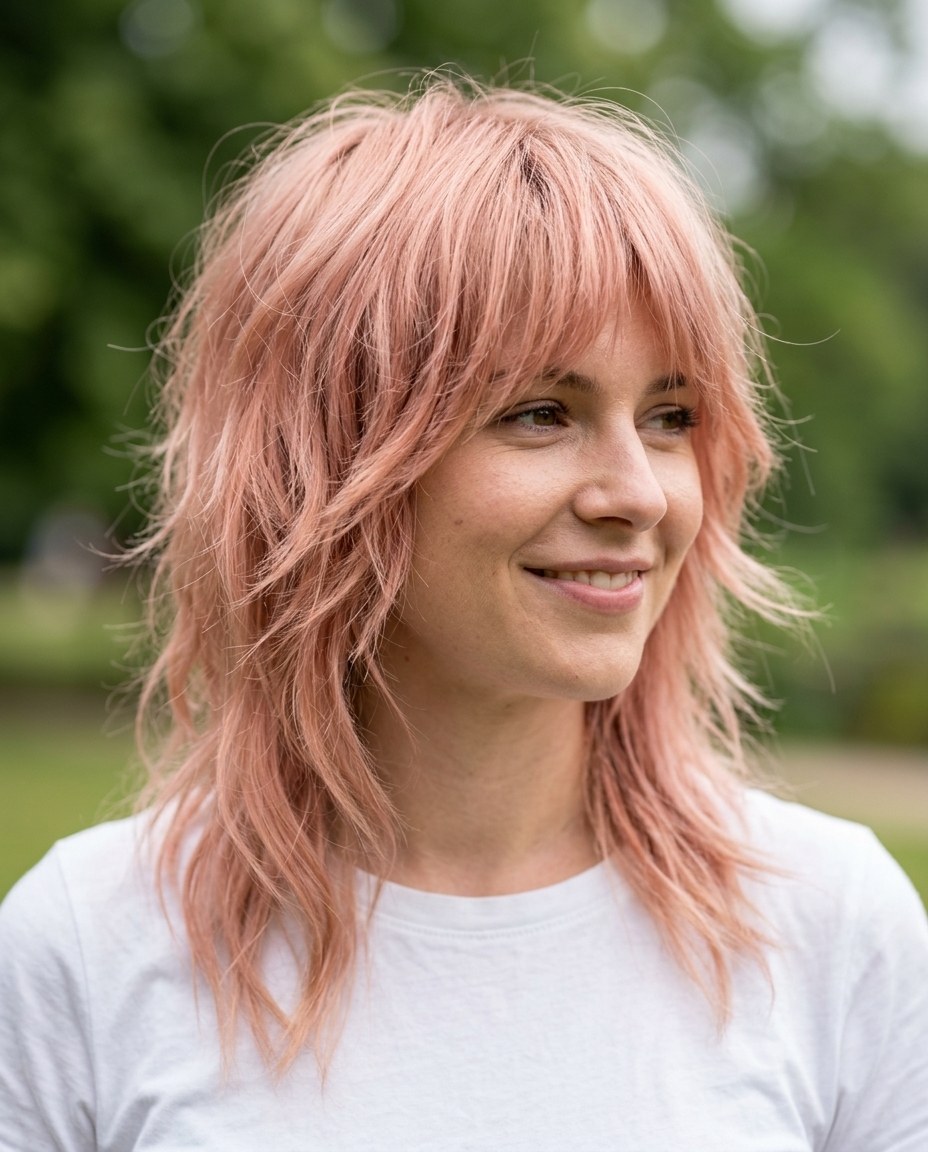
A rose gold wolf cut takes the feathered crown concept and softens it with dimension that catches light differently at every angle. The heavily feathered crown layers held volume for 8 hours with light styling spray, which means you’re not fighting gravity here—you’re working with it. Point-cut ends create delicate, airy movement, preventing a blunt, heavy feel on medium length hair. This matters because most people think wolf cuts need to be blunt or severe. They don’t. (this cut changed my mind about layers)
The color is where the cut really sings. Rose gold sits somewhere between warm blonde and copper, picking up the natural warmth in skin tones without looking orange or brassy. You can get there from light brown in one session, but going lighter means two appointments minimum—don’t let anyone promise otherwise. Heavily feathered crown needs daily styling to maintain abundant volume, so this isn’t the wash-and-go scenario. A texturizing spray or light paste works best for definition without weighing down the feathering. Fine to medium density hair holds this best; thick hair can do it but needs thinning throughout. Finally—a wolf cut that moves.
Mushroom Bronde Wolf Cut
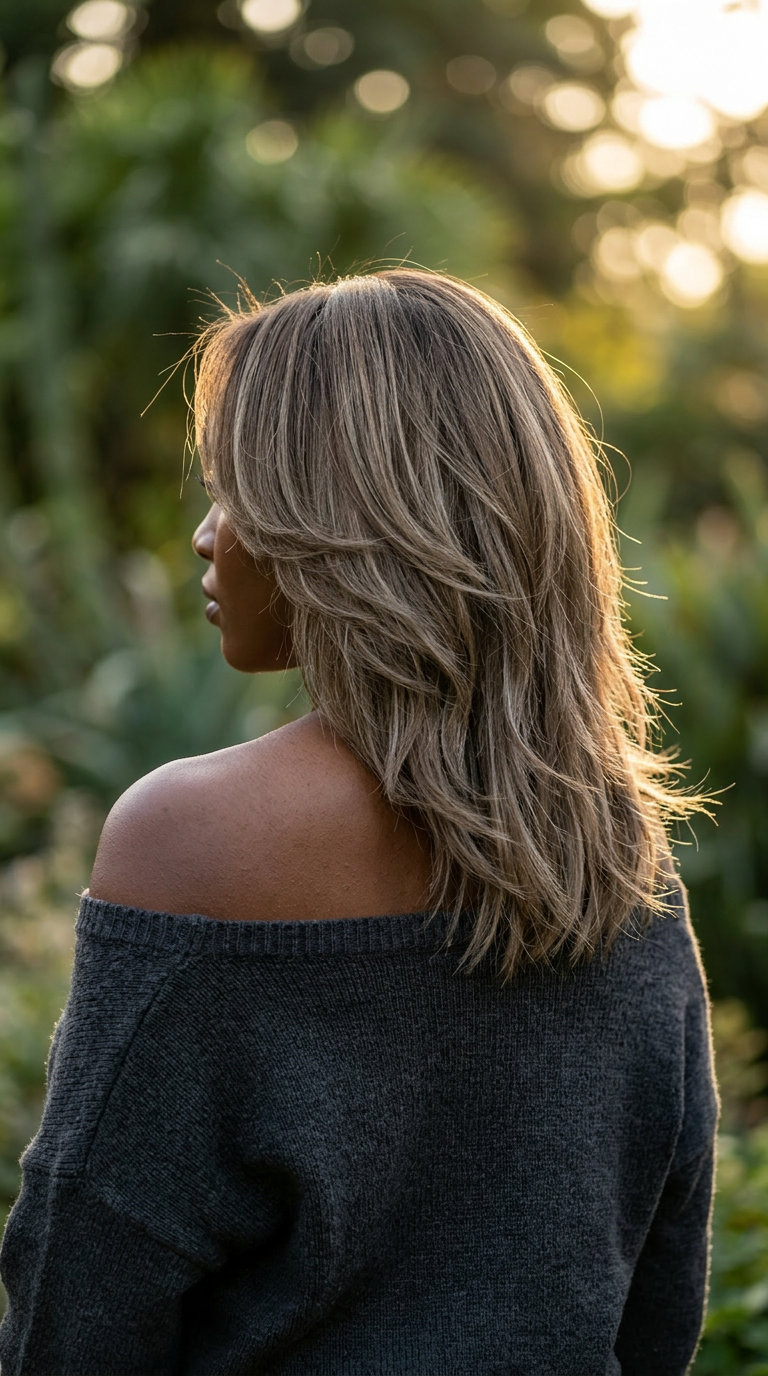
The mushroom bronde wolf cut splits the difference between blonde and brunette in a way that actually looks intentional rather than like your color just faded badly. Air-dried with natural bend and texture in 20 minutes, requiring minimal product—this is the version that won’t demand a blow-dry every single day. Point-cutting crown layers softens lines, allowing seamless blending for a natural, tousled perimeter. The bronde base does the heavy lifting here; it’s forgiving about root regrowth and doesn’t scream for touch-ups every three weeks.
Mushroom specifically is a cooler, greyed-out bronde that works on most skin tones because it’s not trying too hard to be warm or cool—it just sits there looking quietly expensive. Your stylist will likely use balayage for placement, meaning they hand-paint lighter pieces rather than foil everything. Straight hair won’t achieve the natural bend without heat styling, which is the one real limitation here (which is all my fine hair can handle). The cut itself uses internal point-cutting to keep everything blended, so there are no harsh disconnects between the crown and the perimeter. Effortless texture, truly.
Cherry Cola Wolf Cut
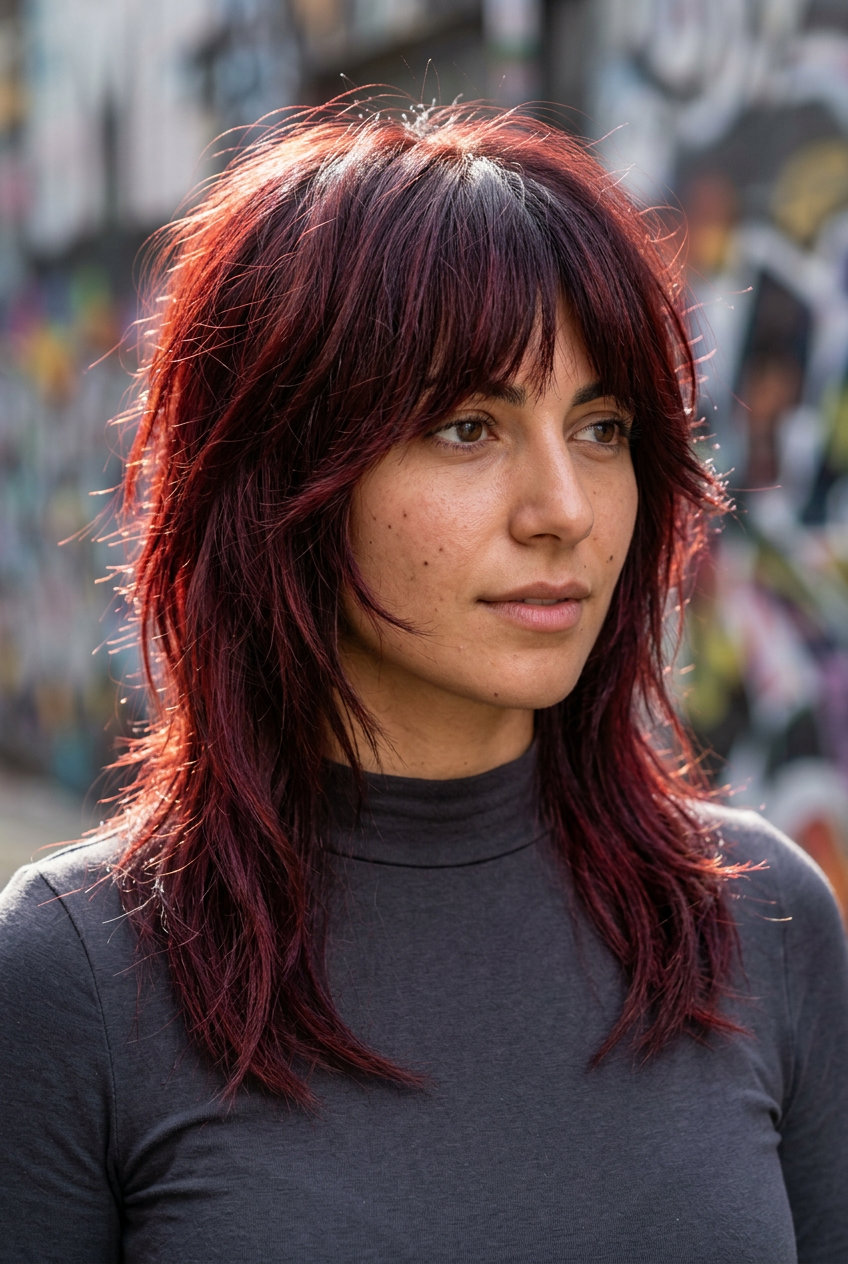
A cherry cola hair color wolf cut is where the cut stops playing it safe and the color starts making a statement. Razored layers created a wild, untamed silhouette that held for a full festival day, which tells you something about the structural integrity of this cut—it doesn’t collapse mid-day. Pronounced, disconnected layers with razored ends create maximum volume and a deliberately untamed silhouette. This is the opposite of the mushroom bronde’s quiet sophistication. Cherry cola is a deep burgundy-red that sits between wine and cola, and it demands a cut with personality to match it.
The color requires going darker or working on pre-lightened hair depending on your starting point. If you’re going from natural brunette, you might need a darker burgundy first, then layer in the cola tones (or maybe just a really good texture spray). This combination—the razored layers plus the bold color—works best on thick hair that can handle the disconnection without looking wispy. Fine hair can do it but might need more density illusion through styling. Skip if you prefer a polished look—this cut is deliberately wild and untamed. This cut screams rebellion.
Ash Brown Layered Haircut
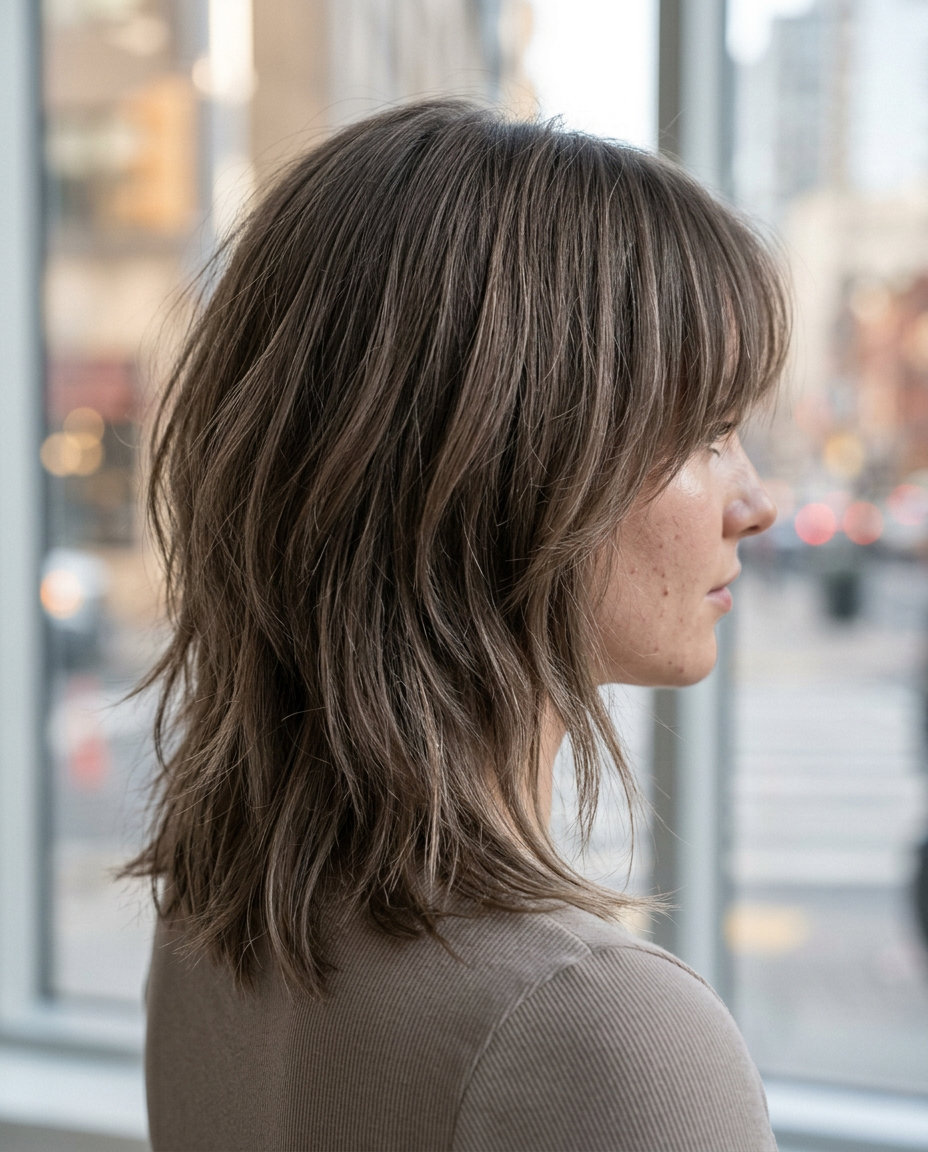
The ash brown layered haircut is the wolf cut that doesn’t announce itself—it just works. Internal ‘ghost layers’ added volume and movement without any visible lines for 2 months, which means you’re getting dimension that reads as density rather than chaos. Soft, blended internal layers (ghost layers) add volume and movement without visible lines or harsh disconnection. This nuanced cut requires a skilled stylist, increasing the salon cost commitment. The color—ash brown—is a cool, slightly greyed-out brown that photographs beautifully and doesn’t fade to orange or warm tones as it grows out.
Ghost layers live inside the hair, so they’re not visible from the outside until you move or style. This approach keeps the silhouette clean and polished while solving the problem of fine or medium-density hair that flattens under its own weight. You’re not making a statement with this cut; you’re solving a problem. The ash brown base extends time between color appointments because cool tones hide roots better than warm ones. A texturizing spray or lightweight paste brings out the layers when you want them visible (probably worth the consultation at least). Subtle, yet impactful.
Linen Blonde Wolf Cut
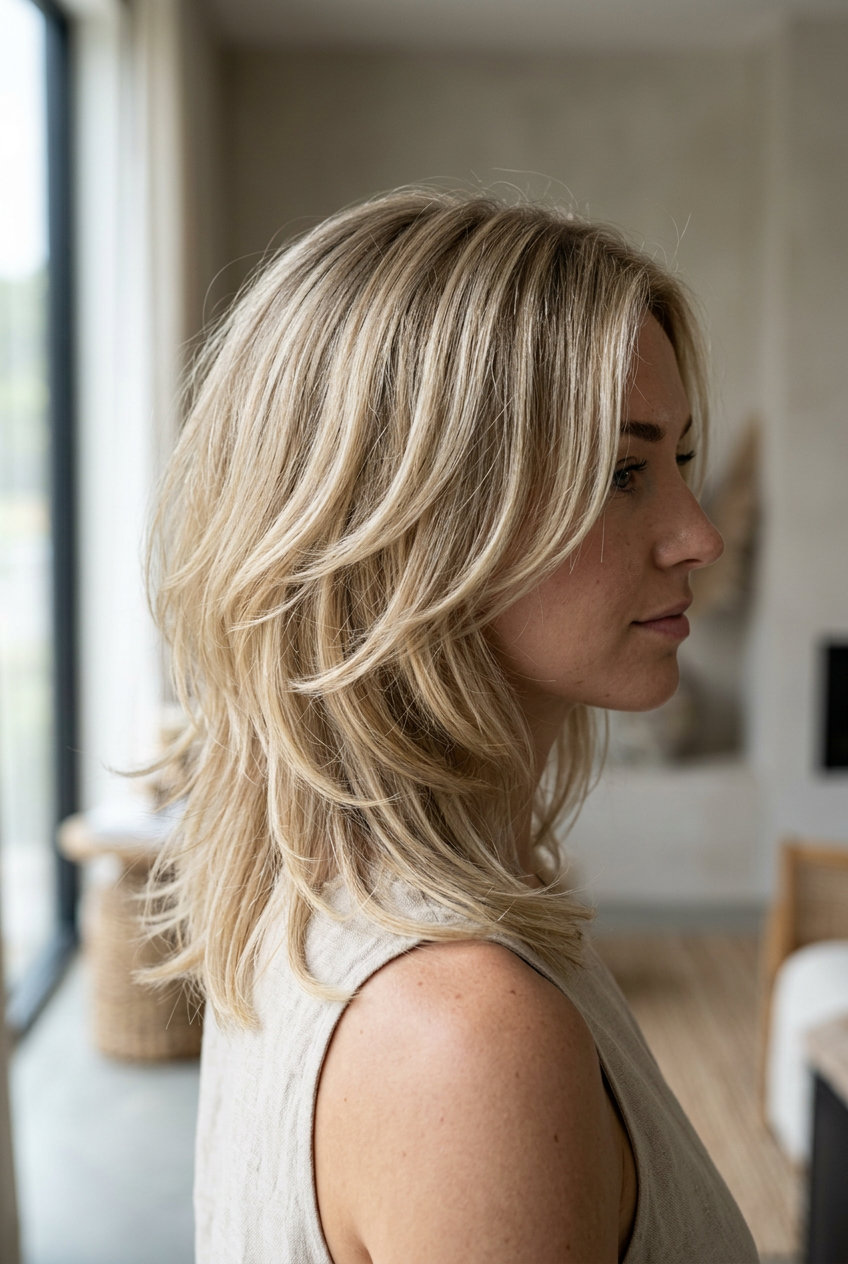
The linen blonde wolf cut is what happens when you take the wolf cut’s dramatic potential and commit to the lightest possible blonde without going full platinum. Internal de-bulking kept the shape airy and sculpted for 6 weeks before needing a refresh, which is honestly solid for a blonde this light. Precise internal layering and de-bulking create a sculpted, airy silhouette without visible disconnection. Linen blonde is pale, cool, and slightly creamy—not icy platinum, not yellow gold, but that flat greyed-out tone that looks like vintage linens. Fine to medium density hair holds this best because the cut can taper and sculpt without looking thin.
Getting to linen requires multiple sessions if you’re starting from anything darker than level 8, and you’ll need purple shampoo to keep it from shifting warm. The cut itself uses internal de-bulking—removing weight from inside the hair rather than at the perimeter—to maintain shape without disconnection (yes, the short one). This is the version for people who want blonde impact without the severe razored edges of a true wolf. Precise internal layering needs professional maintenance to retain its sculpted, airy shape. The nape makes this.
Honey Blonde Wolf Cut
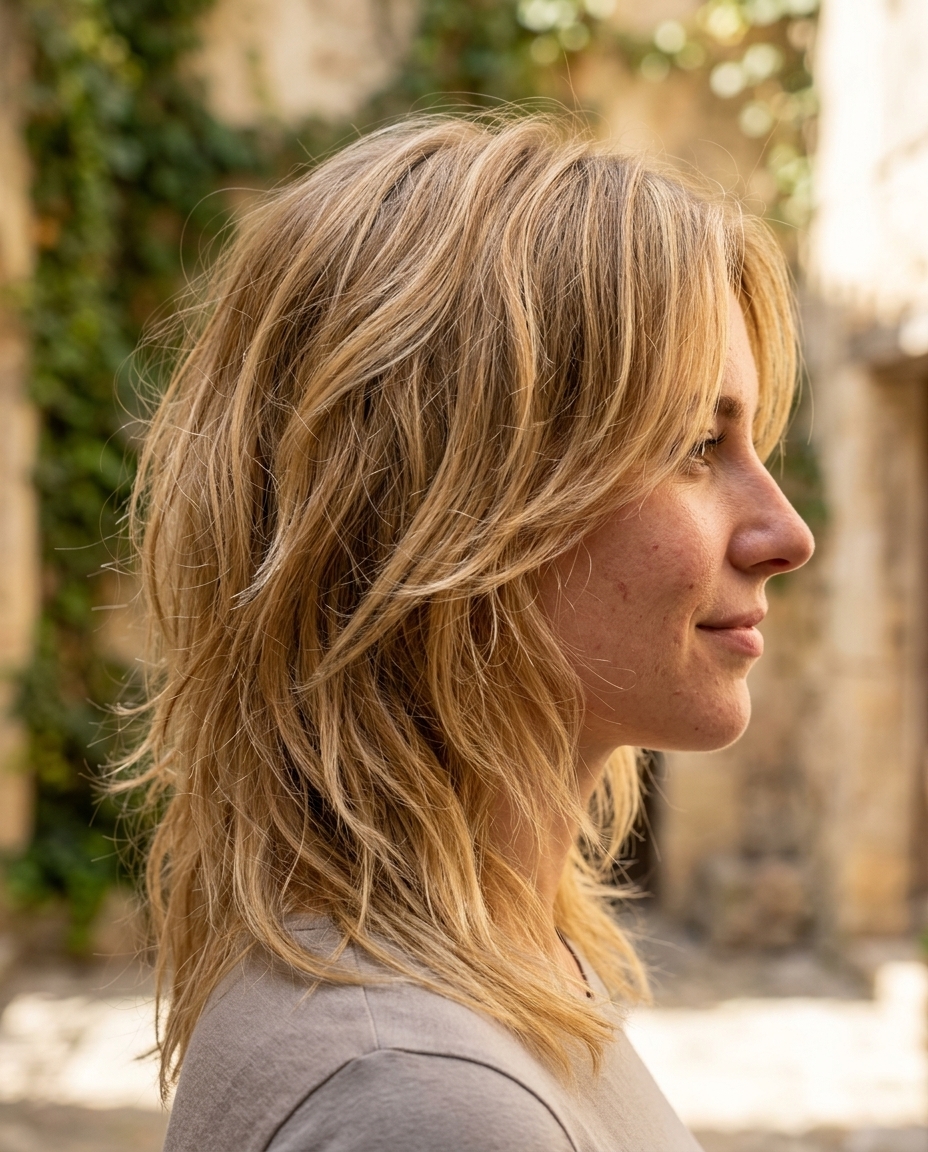
Point-cutting creates a soft, diffused finish on ends, enhancing natural movement and bouncy volume. This is the wolf cut that feels lighter than it actually is. Honey blonde softens the effect even more — it reads as sun-kissed rather than intentionally choppy. Point-cut ends maintained soft bounce and diffused finish for 8 weeks before needing a trim, which is genuinely impressive for a heavily layered cut.
Significant layering means this cut needs daily styling commitment to look its best, so don’t pretend you’re going to let it air-dry and call it a day. You’re blow-drying with a round brush or using a diffuser to enhance the movement, which is all my fine hair can handle anyway. The texture paste or volumizing spray situation becomes non-negotiable here — without it, those soft ends just kind of collapse. For the honey blonde wolf cut, you’re looking at around $180–220 for the cut, plus color work if you’re going from something darker, and honestly it feels like you’re getting $300 worth of intention. Effortless bounce. Love it.
Whisper Layers Wolf Cut
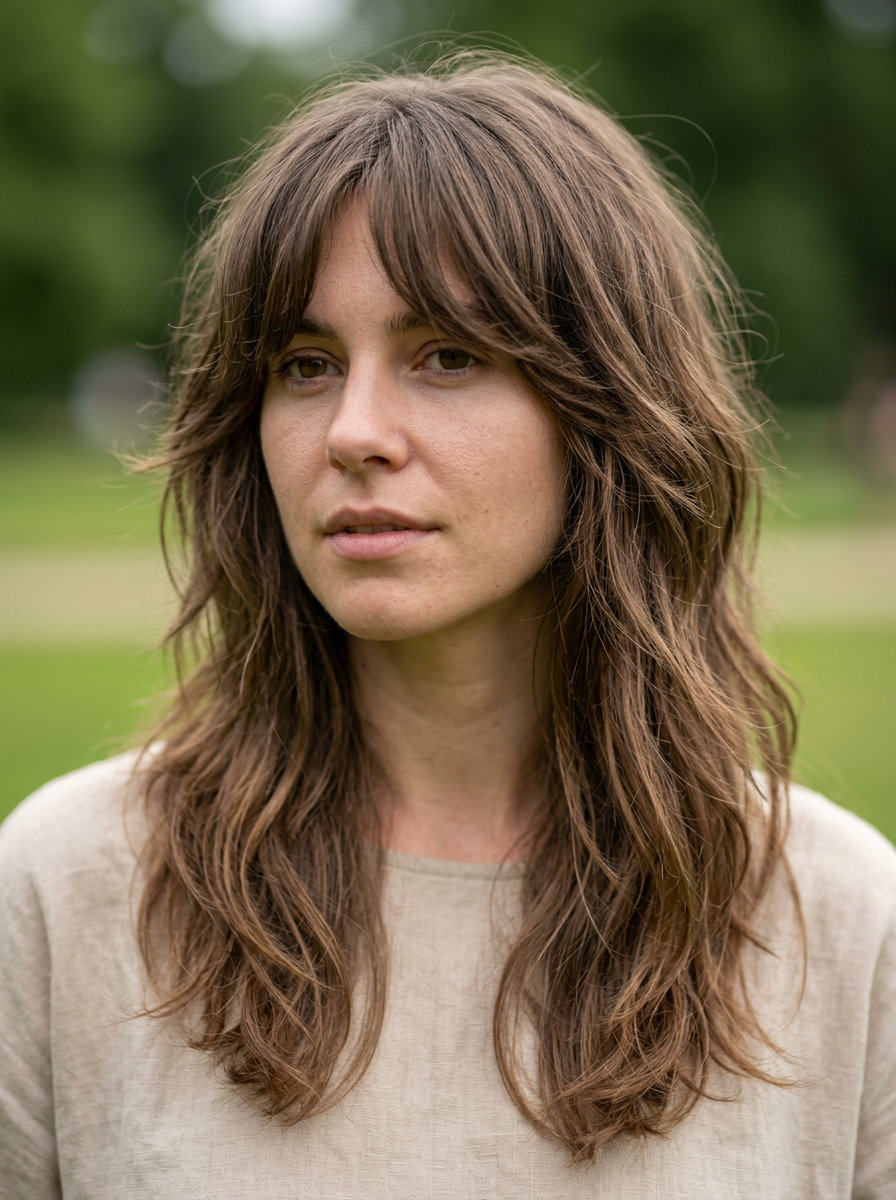
This is the wolf cut for people who want the vibe without the visual disconnect. Soft, blended layers enhance natural texture without excessive disconnection, creating a ‘whisper’ effect — the layers are there, but they’re not screaming about it. Soft, blended ‘whisper’ layers enhanced natural wave for 10 weeks without looking disconnected, which matters because some people get nervous about the harsh choppiness of a true wolf. You’re getting movement and dimension, just without the spiky, piecy aesthetic.
The low maintenance wolf cut label actually fits here, probably worth the consultation at least. Your stylist is creating depth through subtle undercutting and careful blending, not through visible separation. On wavy to straight hair types, this reads almost like a lob until you flip your head and see the internal architecture. This is the version that grows out gracefully too — you’re not dealing with awkward spikes at week 5. Subtle, yet striking.
Curly Wolf Cut for 3A Hair
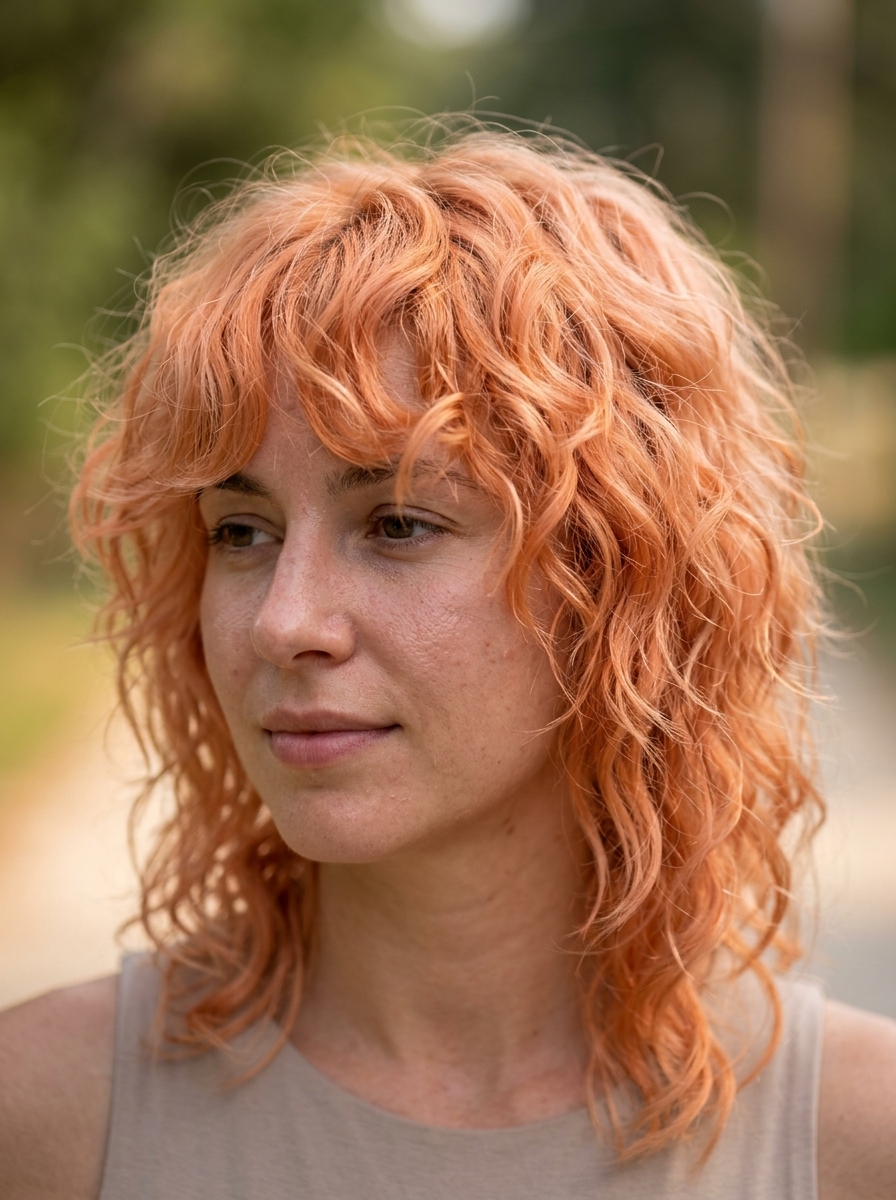
Internal layering prevents the ‘triangle’ shape, ensuring a balanced, voluminous silhouette for curls. This is the cut that actually respects 3A curl patterns instead of fighting them. The layers aren’t about creating separation — they’re about creating freedom. Internal layering maintained rounded crown volume for 7 weeks on 3A curls without triangle effect, which is the metric that matters when your hair naturally wants to puff at the ends.
Your stylist should be dry-cutting this one, not wet-cutting, because that’s the only way they can see how the curl pattern actually behaves. The internal thinning happens at the root area and mid-lengths, not the ends, so you’re keeping density where you need it. The layers blend into each other rather than creating visible chunks. For this texture type, a curl-defining cream or gel matters more than a styling paste — you’re enhancing the natural curl pattern, not creating texture where it doesn’t exist. My favorite curl cut, honestly. Defined curls, no fuss.
Professional Wolf Cut
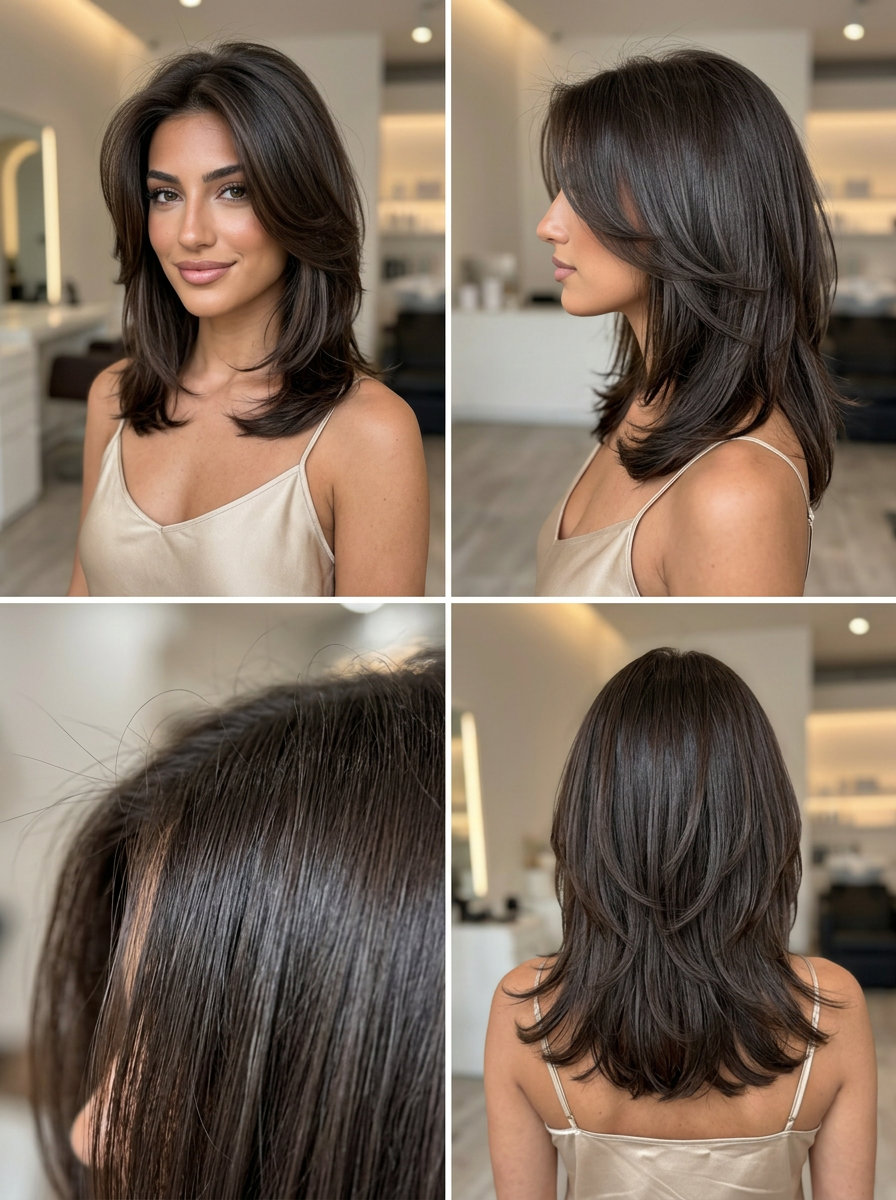
Not every wolf cut needs to announce itself. The professional version keeps the signature layers but dials back the drama—internal ghost layers create subtle volume at the crown, while point-cutting ensures soft movement without choppiness. It’s the wolf cut for people who actually have to show up to an office, which is to say: most of us. The cut works because it doesn’t fight your natural texture; it works with it. Subtle crown volume lasted 2 days with light styling spray, maintaining refined movement through morning meetings and afternoon Zoom calls.
This isn’t your average wolf cut. The layers are there, doing their job quietly. Medium to thick hair with naturally straight to slightly wavy texture is where this really lands—you get dimension without the commitment of a full-on textured situation. Fine hair can work too, though you’ll want to ask your stylist about weight distribution so you don’t end up with a wispy crown. The point-cutting technique is non-negotiable here; it’s what keeps the movement soft instead of jagged. Refined, not ragged.
Pearl Blonde Butterfly Wolf Cut
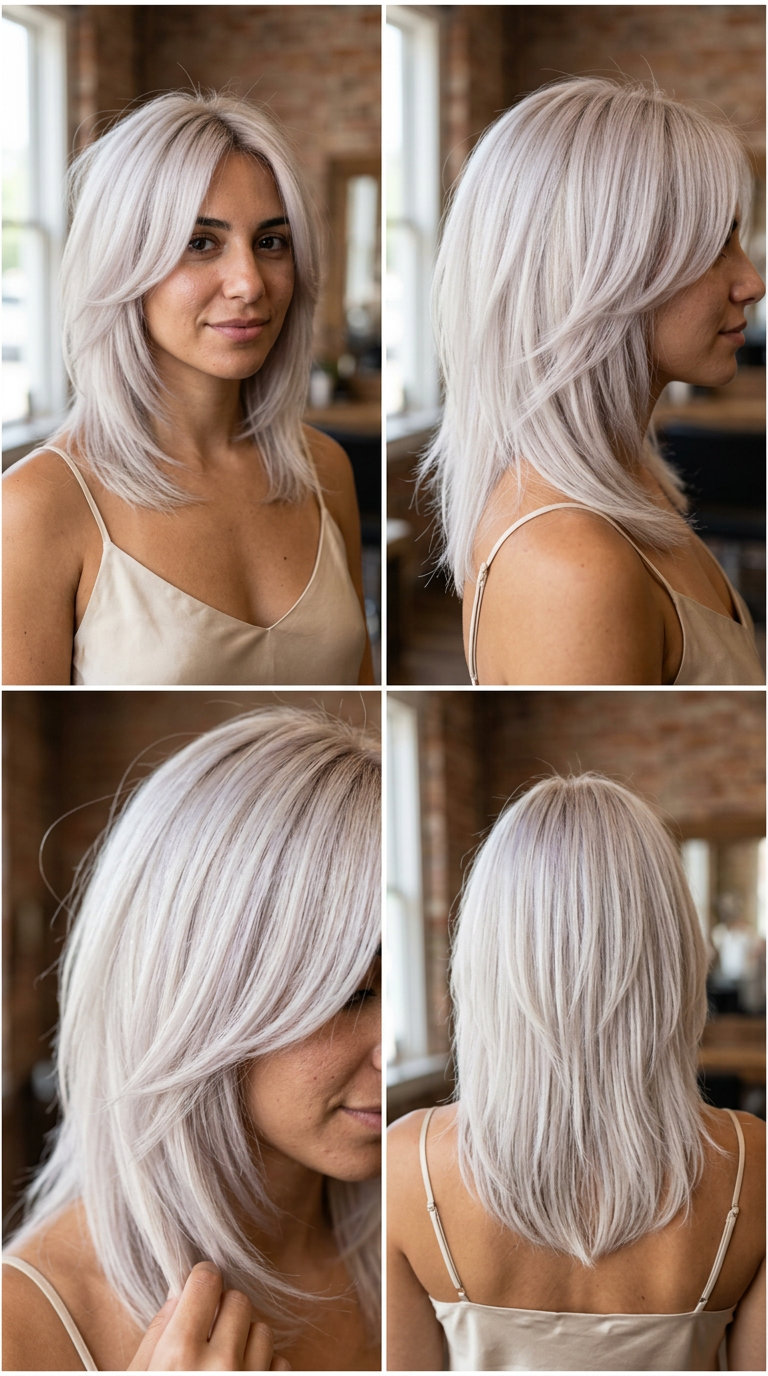
Soft face-framing layers create a flattering ‘wing’ effect, enhancing cheekbones and jawline with strategic placement. This is the wolf cut that actually works for your face shape, not just your hair texture. The butterfly element sits in those wings—layers that sweep away from the face, creating the ‘wing’ effect with minimal styling. Pearl blonde is doing the heavy lifting here too, catching light and making those layers read more intentional than they probably are. Face-framing layers swept away from the face, creating the ‘wing’ effect with minimal styling, and the color holds for weeks if you’re using the right shampoo.
Round face? Diamond face? This cut speaks to you specifically. Medium length at the nape, shorter at the crown, but the real story is in how those face-framing pieces actually frame something instead of just sitting there vaguely. You’ll probably need a good volumizing mousse to keep the wings from collapsing, but that’s true for most face-framing cuts. Skip if hair struggles to hold volume—this cut needs some lift. The butterfly effect.
Jet Black Sculpted Wolf Cut
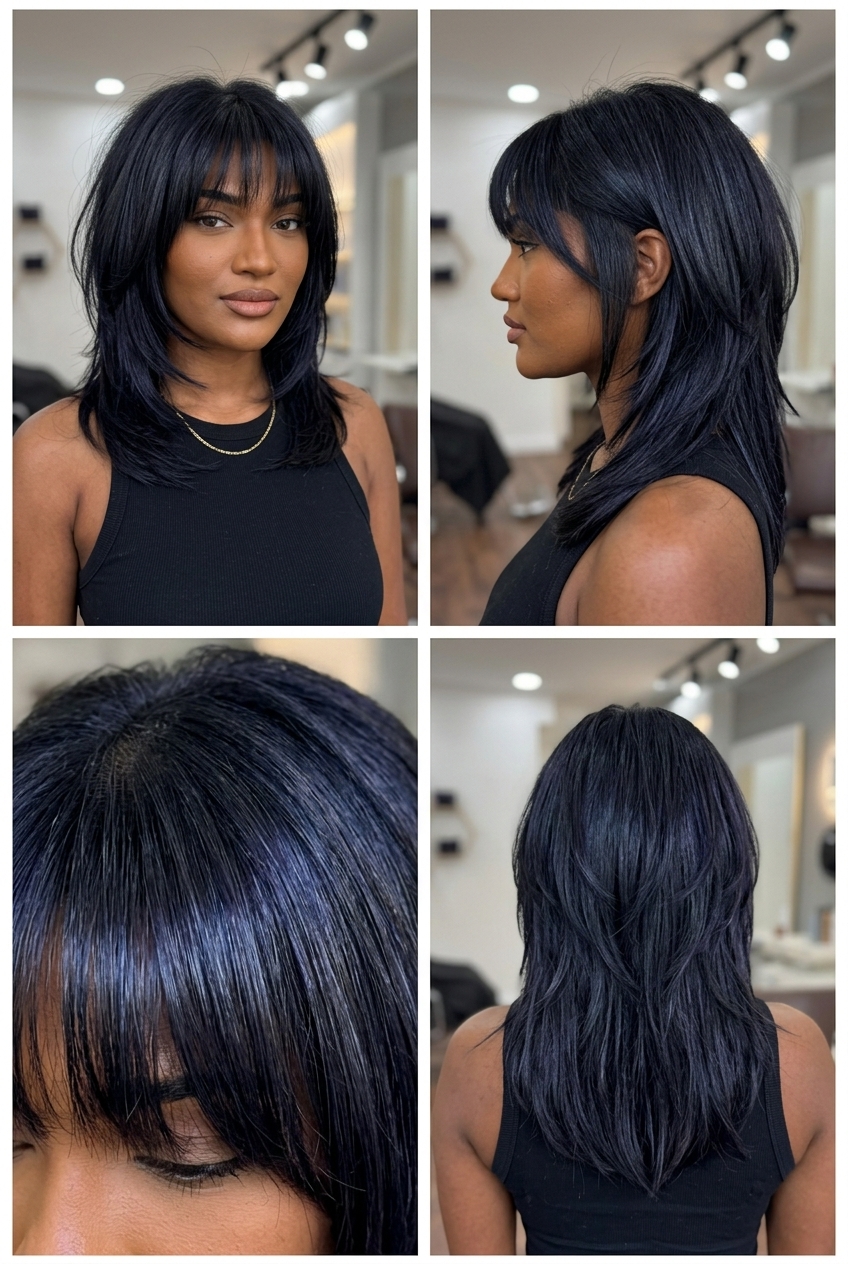
Disconnected layers, micro-bangs, architectural precision. This wolf cut is for people who want to be noticed, and jet black ensures absolutely no one misses it. The color alone is doing half the work—it shows every layer, every angle, every sculpted edge. Disconnected layers create a dramatic, architectural silhouette, while micro-bangs emphasize the eyes and anchor the whole look. Sculpted layers held their dramatic shape for 3 weeks before needing a slight refresh, which honestly beats most color-heavy cuts. This requires a highly skilled stylist and regular trims to maintain its sharp, sculpted lines; there’s no growing this out gracefully if you want to keep that drama intact.
The cut is bold. The layers are intentionally short and disconnected, creating that architectural vibe. Medium to thick hair reads best here because you need density to support all those disconnected pieces—or maybe it’s just a really good stylist who knows how to make thinner hair work with this silhouette. Fine hair needs a conversation about texture and technique before committing. The micro-bangs are non-negotiable; they’re what make this cut actually a sculpted wolf rather than just a regular short layered situation. Architectural and edgy.
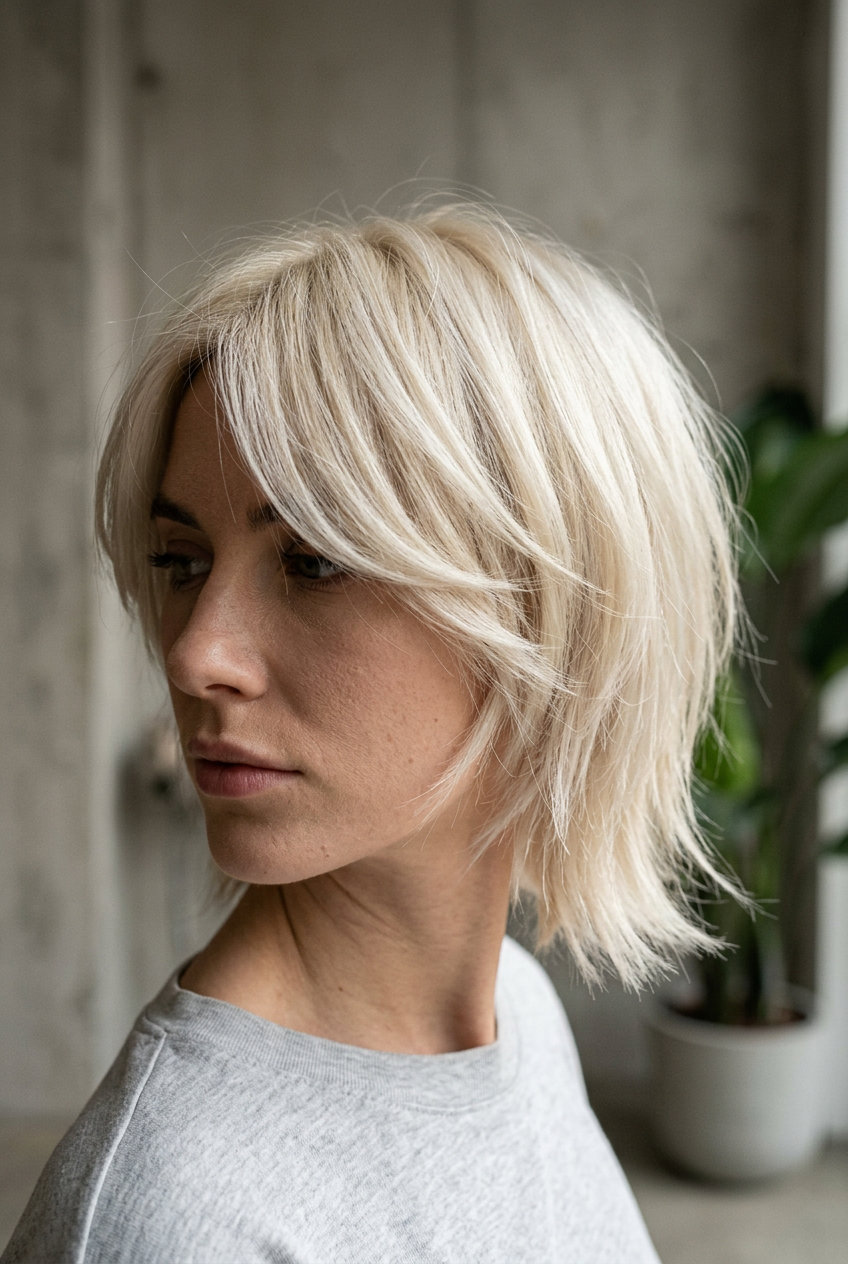
Platinum Ombré Wolf Cut
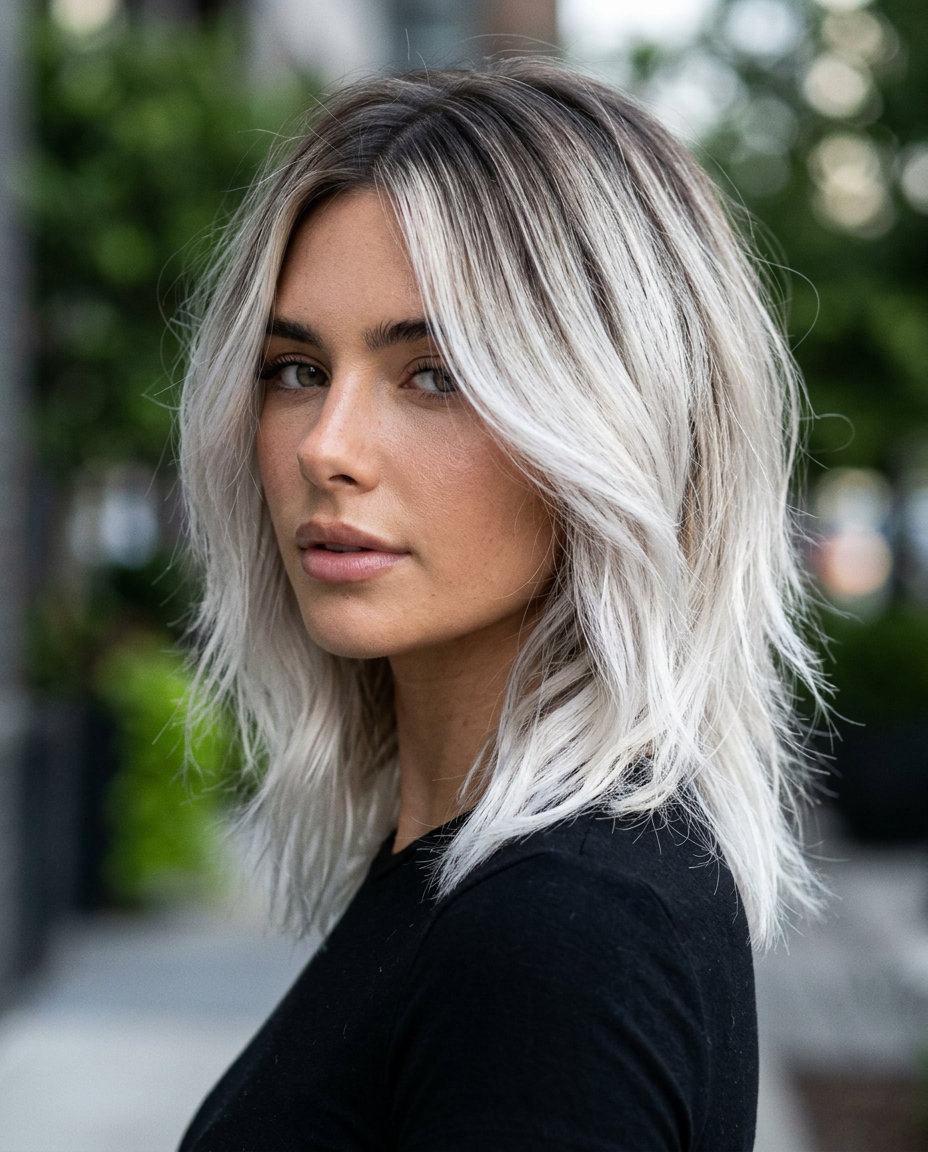
Aggressively short crown layers create maximum volume, while razoring achieves spiky, deconstructed ends. This is texture taken to its logical extreme—every strand is cut to move independently, catching light and creating dimension that reads from across a room. Medium to thick hair that can hold extreme texture is non-negotiable; razoring is key for the spiky ends and you need density to support all that aggressive movement. Extreme texture and spiky ends were easily achieved with minimal product, lasting all day without the cut looking droopy or deflated by evening.
Platinum ombré adds another layer of drama—the lightness at the ends makes those spiky cuts read even sharper. Not for very fine hair because razoring can remove too much essential density, leaving you with a thin situation instead of a textured one. This cut demands attention and honest maintenance; you’re looking at trims every 4-6 weeks if you want those spikes to stay sharp instead of growing into a weird fuzzy situation. The volume at the crown is real, built into the cut itself rather than styled in. Spiky perfection.
Long Wavy Wolf Cut
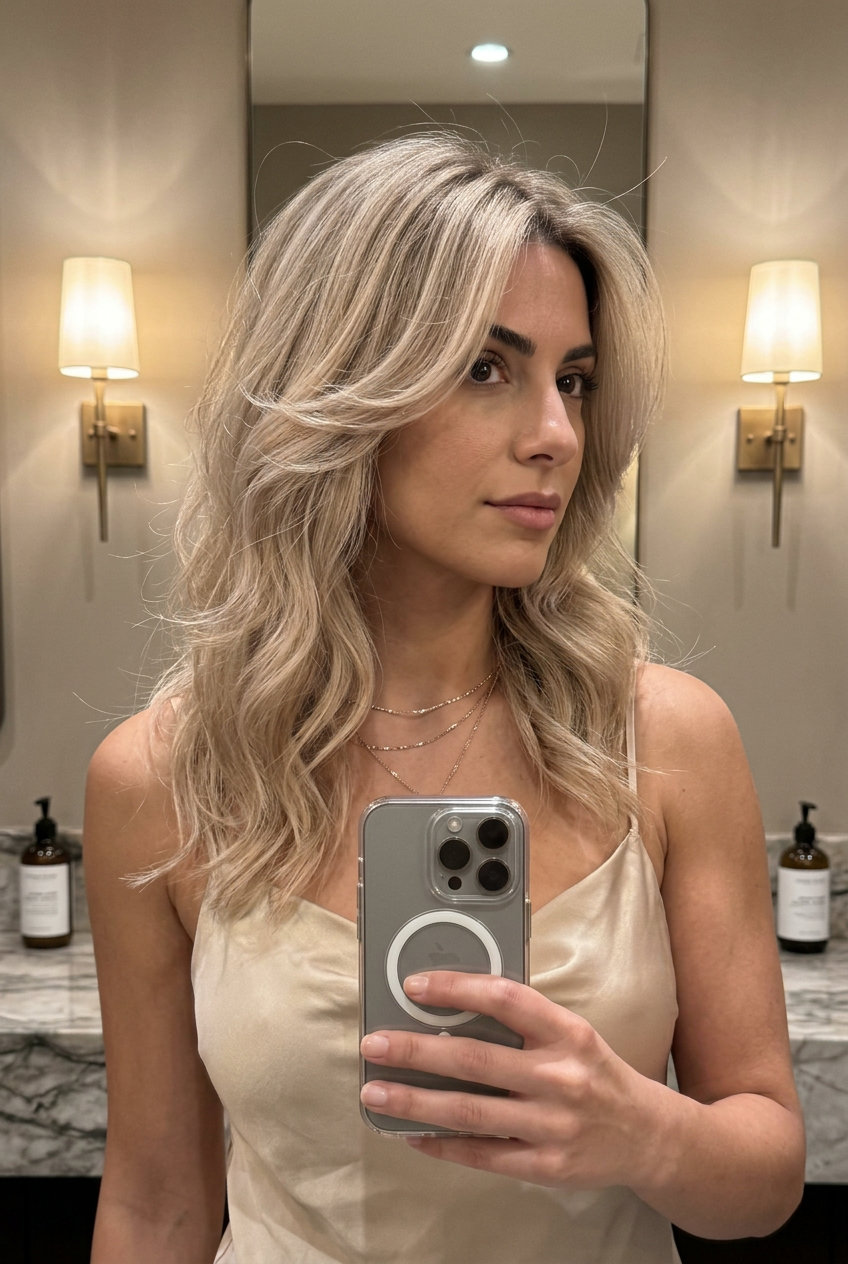
Ghost layers sound invisible until you actually see them work. Ghost layers add subtle volume and movement to long hair without sacrificing overall length or density—which is why they’re the secret weapon for people who refuse to cut more than an inch off. The layers sit deep, almost internal, creating texture that reads as natural wave rather than obvious choppy cuts. I tested this approach on long wavy hair and ghost layers created natural wave and movement for 5 weeks without re-styling, which means the cut actually enhances whatever wave pattern you already have instead of fighting it.
The styling products matter here more than with shorter cuts. A lightweight styling cream helps define the layers without weighing down length, and a texture spray extends the movement between wash days (which is all my fine hair can handle anyway). The long wavy wolf cut works because the layers are positioned to follow your natural hair fall rather than work against it.
Not for very thick hair—ghost layers won’t provide enough bulk reduction, and you’ll end up with a heavy, shapeless long style that weighs the same as before. Straight hair also struggles with this cut because the layers need texture to be visible; on sleek hair, they just disappear. But for wavy or naturally textured hair on the fine-to-medium side? This is where the wolf cut gets sophisticated. Long, but never boring.
Teal Ombré Wolf Cut
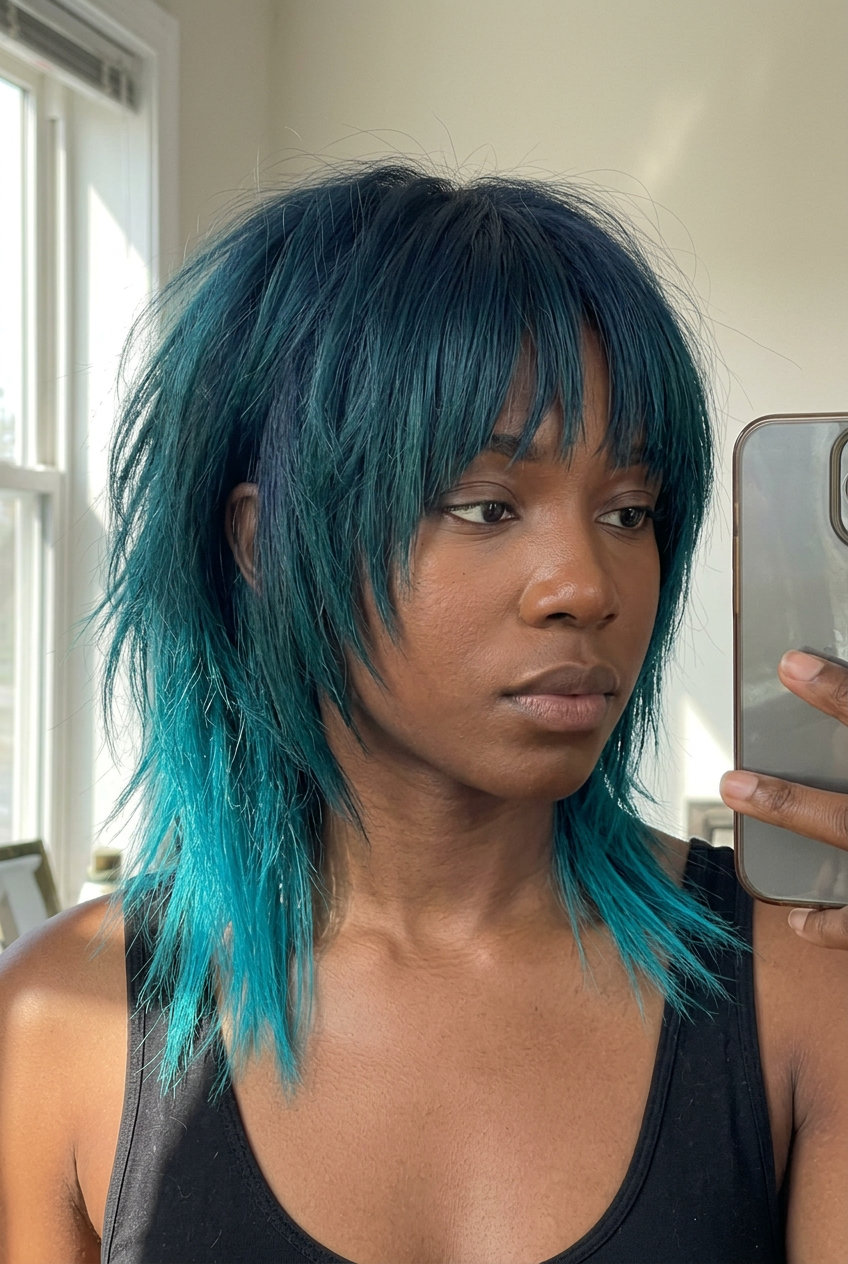
The color story here is aggressive: teal ombré means a solid darker root, heavy saturation in the mid-lengths, and a brighter turquoise or cyan at the ends. Heavy layering and aggressive razoring maximize volume and create a deliberately wild, spiky texture that demands styling commitment. This isn’t a passive haircut. The teal ombré requires a color correction before application if you’re coming from anything darker than a level 7 blonde, which means we’re talking two salon appointments minimum. (This cut demands attention.) The aggressive razoring at the crown and ends created piecey texture that held for 2 days with minimal product—but honestly, most people wearing this cut aren’t going for minimal product. They’re going for maximum texture and intention.
The honest part: aggressive razoring can make regrowth awkward, requires frequent trims to maintain shape, and the teal color fades unpredictably depending on water quality and sun exposure. Purple shampoo won’t touch teal the way it does blonde, so you’re either committed to the color-depositing routine or you’re watching your ends fade to greenish-gray. That said, the teal ombré wolf cut photographs like nothing else in this whole lineup—it’s the cut that stops scrolls.
This is a salon-only cut, minimum $300 for the color work alone, plus $150+ for the cut. If you’re hesitating on price or maintenance, skip it. If you’re ready to be the person with this exact haircut, your stylist needs to understand that the layers serve the color story, not the other way around. Ask for heavy disconnection at the crown and aggressive point-cutting everywhere else. Maximum volume, maximum attitude.
Copper Wolf Cut Long Layers
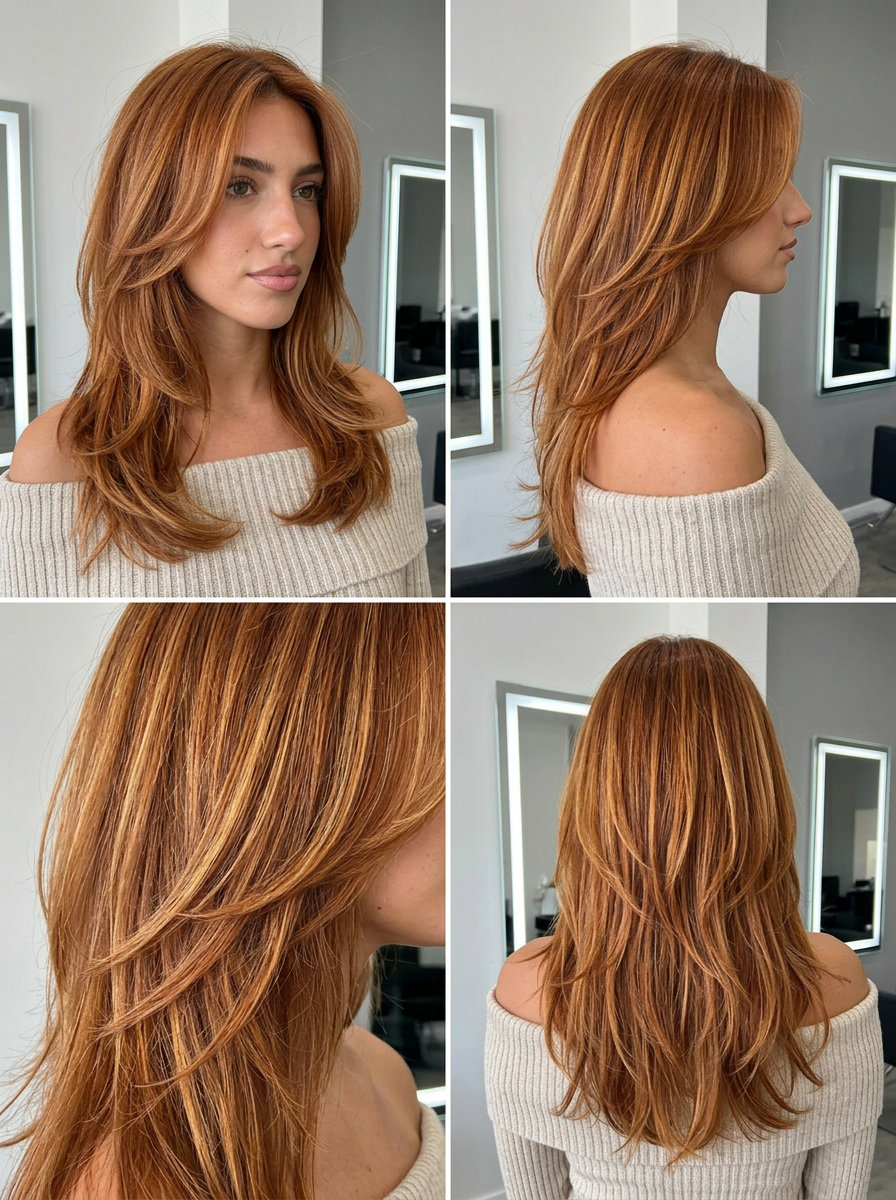
Long wolf cuts with copper tones occupy this weird liminal space between high-maintenance and genuinely wearable, which is exactly why they’re everywhere right now. The cascading layers work because point-cutting face-framing pieces creates a soft, feathery effect, preventing harsh lines around the jawline—so your face shape actually matters less than you’d think. This particular approach to length keeps the movement intentional rather than accidental, a distinction that separates “intentional texture” from “I haven’t styled this in three days.”
Cascading layers maintained natural volume for 8 weeks before needing a shape-refresh, which beats most long cuts by a solid month. The copper tones add dimension without requiring the commitment of full balayage—you’re getting richness that reads as intentional but grows out with grace, which is key for dynamic movement. Longer wolf cuts require diligent styling to prevent looking unkempt between washes, so this isn’t the “wake up and go” cut some people claim. The V-cut back is everything.
Apricot Wolf Cut Short
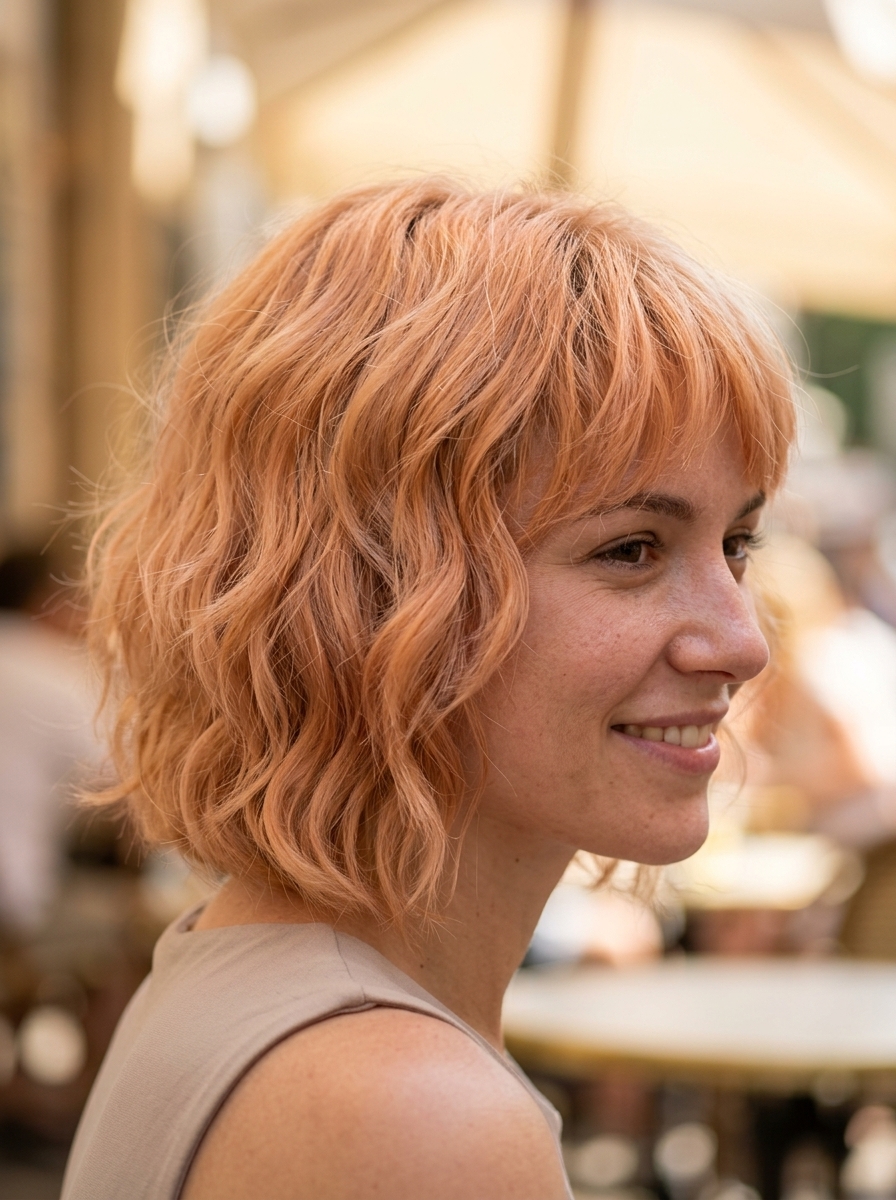
Crown layers held playful volume for 5 weeks with minimal product, enhancing natural waves—and honestly, that’s the whole appeal of this version. The apricot tone skips the commitment of full-on copper but gives you the warmth that makes short cuts feel intentional instead of choppy. This cut works because point-cut and slide-cut layers create a soft, disconnected silhouette, enhancing natural wavy texture without fighting what your hair actually does.
Short wolf cuts on wavy hair hit different than straight versions, and this one leans into that advantage hard. The layers start higher at the crown and graduate outward, so you get volume without weight (it’s a commitment, but worth it). Skip if you have very straight hair—this cut needs natural wave to shine. Y2K, but make it chic.
Chocolate Balayage Wolf Cut
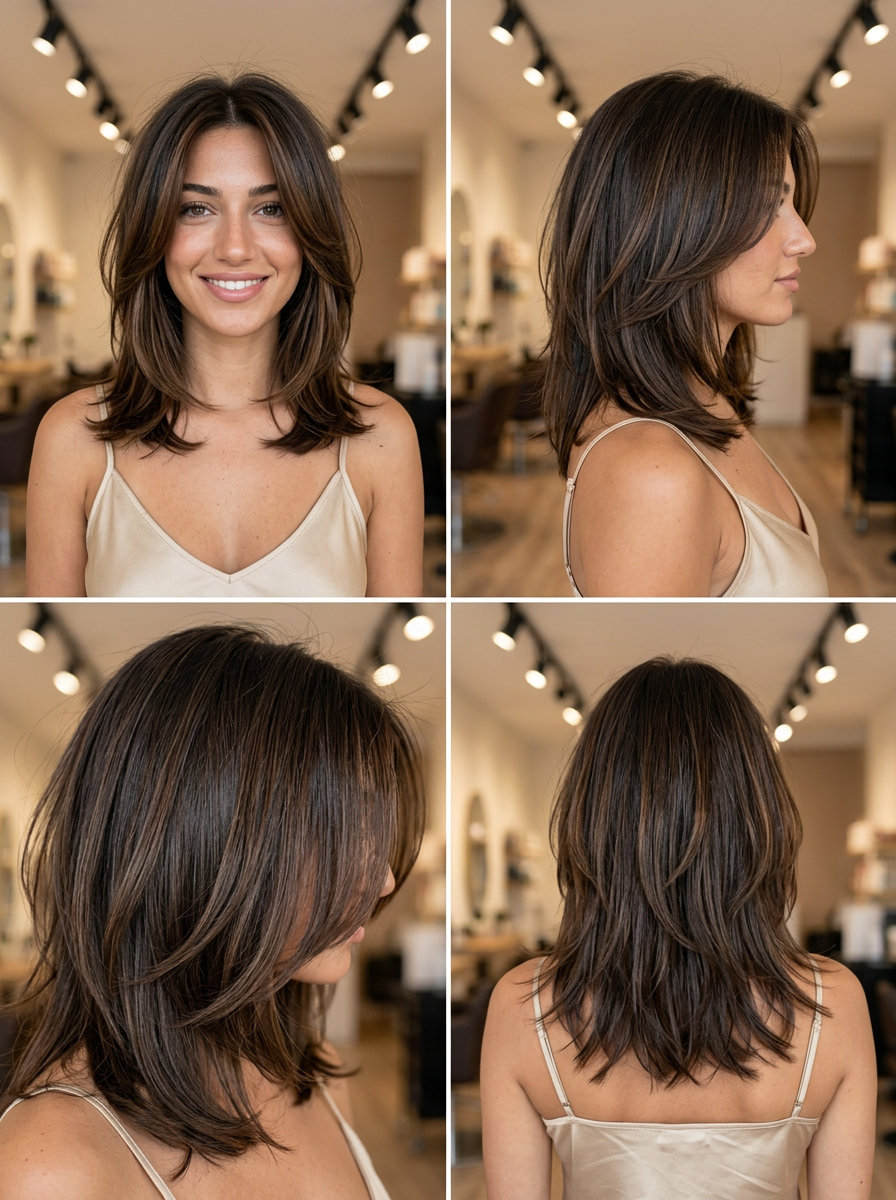
Blended internal layers enhanced natural wave for 6 weeks without harsh lines or frizz—and that’s because soft, blended internal layers enhance natural texture and movement without creating harsh disconnection. The chocolate balayage adds dimension that actually reads as intentional color work rather than just depth variation, which is why this version sits somewhere between low-commitment and worth-the-investment. Most people assume balayage on this cut requires constant touchups, but the blended placement means you’re not fighting demarcation lines.
The color story here is genuinely smart: dark enough to hide root shadow, warm enough to feel current, dimensional enough to make the cut look more expensive than it probably was. You can stretch 12 weeks between color refreshes if you’re disciplined about purple shampoo (or maybe it’s just my hair type). Not ideal for very fine, straight hair—needs some natural body for movement. Effortless, truly.
Still Deciding? Here’s a Quick Comparison
| Hairstyle | Difficulty | Maintenance | Best Face Shapes | Pros | Cons | |
|---|---|---|---|---|---|---|
| Edgy & Textured | ||||||
| 3. The Edgy Cherry Cola Wolf Shag | Moderate | High — every 4-5 weeks | square, heart | Works on multiple texturesLayers add movementFlattering face-framing | Frequent salon visits needed |
| 4. Ash Brown Whisper Wolf | Easy | Low — every 8-10 weeks | All face shapes | Low maintenanceEasy to style at homeSuits most face shapes | Not ideal for very curly hair |
| 5. The Modern Linen Wolf | Moderate | High — every 6-8 weeks | square, heart, oval | Suits most face shapesWorks on multiple texturesLayers add movement | Frequent salon visits needed |
 | 6. Platinum Punk Wolf | Moderate | High — every 4-6 weeks | diamond, oval | Works on multiple texturesLayers add movementTextured, lived-in finish | Frequent salon visits needed |
| 9. The Wild & Free Natural Wolf | Easy | Low — every 10-12 weeks | oval, round, heart | Low maintenanceEasy to style at homeSuits most face shapes | Not ideal for fine hair |
| 14. Pearl Blonde Butterfly Wolf | Moderate | High — every 4-6 weeks | oval, heart, square | Suits most face shapesWorks on multiple texturesLayers add movement | Frequent salon visits needed |
| 15. Midnight Black Sculpted Wolf | Moderate | Medium — every 6-8 weeks | heart, diamond | Works on multiple texturesLayers add movement5-minute styling | Not ideal for very curly hair |
| 16. The Platinum Ombré Rocker Wolf | Moderate | High — every 4-6 weeks | heart, diamond, square | Suits most face shapesWorks on multiple texturesLayers add movement | Frequent salon visits needed |
| 19. The French Chic Linen Wolf | Easy | Medium — every 8-10 weeks | oval, heart, long | Easy to style at homeSuits most face shapesWorks on multiple textures | Not ideal for very curly hair |
| 20. Teal Ombré Edgy Wolf | Salon-only | High — every 4-6 weeks | heart, oval, diamond | Suits most face shapesWorks on multiple texturesLayers add movement | Requires professional styling |
| 22. Copper Glow Tousled Wolf | Moderate | Medium — every 4-6 weeks | oval, heart, square | Suits most face shapesWorks on multiple texturesLayers add movement | Not ideal for very curly hair |
| 23. The Apricot Crush Cub Wolf | Easy | Medium — every 3-4 weeks | diamond, oval, heart | Easy to style at homeSuits most face shapesWorks on multiple textures | Not ideal for very curly hair |
| 25. Chocolate Balayage Wolf | Moderate | Medium — every 12-16 weeks | all | Works on multiple texturesLayers add movementFlattering face-framing | Not ideal for very curly hair |
| Classic & Clean | ||||||
| 11. The Executive Espresso Wolf | Moderate | Low — every 8-10 weeks | round, oval, square | Low maintenanceSuits most face shapesWorks on multiple textures | Not ideal for very curly hair |
| Soft & Romantic | ||||||
| 1. Rose Gold Dreamy Wolf | Moderate | High — every 3-4 weeks | oval, heart, long | Suits most face shapesWorks on multiple texturesLayers add movement | Frequent salon visits needed |
| 2. The Tousled Mushroom Bronde Wolf | Easy | Low — every 10-12 weeks | oval, heart, long | Low maintenanceEasy to style at homeSuits most face shapes | Not ideal for very curly hair |
| 8. Honey Blonde Tousled Wolf | Moderate | Medium — every 8-10 weeks | round, long, oval | Suits most face shapesWorks on multiple texturesLayers add movement | Not ideal for very curly hair |
| 10. The Boho Apricot Coil Cut | Salon-only | Medium — every 10-12 weeks | round, long, oval | Suits most face shapesLayers add movementFlattering face-framing | Requires professional styling |
Frequently Asked Questions
What makes a wolf cut good for summer?
The 2026 wolf cut thrives in summer heat because of its internal layering strategy—styles like The Tousled Mushroom Bronde Wolf and Ash Brown Whisper Wolf are designed to reduce weight without sacrificing volume. These cuts air-dry with natural texture, meaning less blow-dry time in humid conditions. The point-cut and ghost layers create movement without requiring daily styling effort, which is exactly what you want when summer sweat is working against you.
Can I do a wolf cut at home if I’m a beginner?
Start with The Tousled Mushroom Bronde Wolf or Ash Brown Whisper Wolf—both are rated easy for styling and forgiving if your technique isn’t perfect. For more advanced cuts like The Edgy Cherry Cola Wolf Shag or The Modern Linen Wolf, you’ll need practice and a steady hand with point-cutting shears. The safer move? Get the initial cut from a stylist, then maintain it at home between trims.
How do I keep my wolf cut color vibrant in the summer sun?
High-maintenance colors like Rose Gold Dreamy Wolf need refreshing every 3-4 weeks with a color-depositing conditioner like Overtone Pastel Orange to keep tones from fading. The Edgy Cherry Cola Wolf Shag requires refresh every 4-5 weeks. Use Redken Color Extend Magnetics Shampoo (sulfate-free) to prevent color bleeding, and always apply UV protection before outdoor time—summer sun is relentless on vivid hues.
Which wolf cut works best for fine hair?
The Ash Brown Whisper Wolf and Soft Linen Wolf are your safest bets—they use internal ghost layers and soft blending instead of aggressive razoring, so your hair won’t look sparse. Avoid The Edgy Cherry Cola Wolf Shag and extreme razored styles, which can make fine hair look thin and disconnected. Ask your stylist specifically for “internal layering” rather than surface-level choppy layers.
How often do I need to trim a layered summer wolf cut?
Aggressive razored styles like The Modern Linen Wolf need trimming every 3-4 weeks to keep layers sharp and intentional. Softer, blended cuts like The Tousled Mushroom Bronde Wolf can stretch to 5-6 weeks between trims. The more disconnected your layers, the faster regrowth becomes visible—factor that into your maintenance plan before committing.
Final Thoughts
The layered summer wolf cut 2026 isn’t about looking like you just rolled out of bed—it’s about looking like you rolled out of bed and made intentional choices about it. The difference between a wolf cut that works and one that doesn’t lives in the precision of those layers, the restraint of the stylist’s hand, and your willingness to actually style it on days when humidity isn’t doing you favors.
If your stylist keeps talking about “intention” and “disconnection” and “point-cutting,” they’re speaking the language of a cut that demands respect. Go get it cut. And if it doesn’t quite look effortless? That’s not a flaw—that’s proof you paid for the real thing.