Gigi Hadid switched to a platinum blunt bob, Penélope Cruz showed up with a caramel-highlighted version, and suddenly every salon chair was booked through July. The shift from shaggy wolf cuts to razor-sharp, single-length perimeters isn’t subtle—it’s the anti-layer movement playing out in real time, and it’s proving that precision beats texture when the temperature climbs.
The modern summer blunt bob haircut 2026 ranges from the Laser Bob (perfectly horizontal, zero elevation) to the Petit Bob (sitting between earlobe and jaw with optional micro-bangs) to the Box Bob (structured layers for volume on fine hair). These cuts work on oval faces, heart shapes, straight and fine textures—basically anyone who wants weightless, neck-clearing, high-shine finishes without the maintenance spiral of longer hair.
I cut my hair blunt last summer expecting a two-week regret spiral. Instead, I spent the first month obsessed with how the ends caught light, then the next three months realizing I’d accidentally solved my humidity problem and my styling time in one appointment.
The Box Bob for Fine Hair
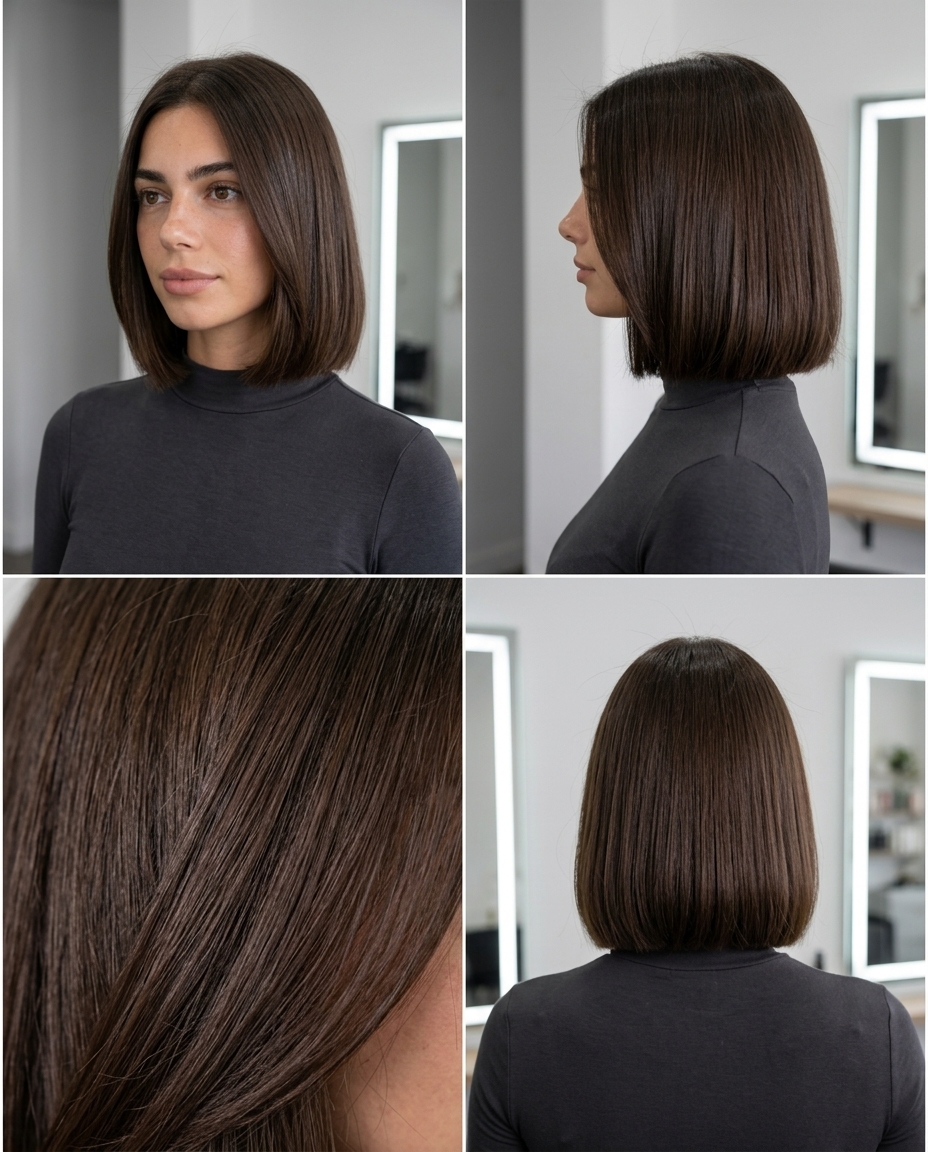
Fine hair doesn’t have to mean thin-looking hair. Internal square layering subtly removes weight, creating ‘box-like’ volume without visible exterior layers for fine hair—which is why this cut has quietly become the best-kept solution for anyone whose hair tends to flatten by noon. Internal layering made fine hair appear thicker, maintaining ‘box-like’ volume for a full workday without relying on volumizing products. The geometry here matters: a skilled stylist cuts squared internal sections that catch light differently, creating dimension that reads as fullness even when density is low.
Here’s the trade-off, or maybe balayage, honestly—this precise internal layering requires a highly skilled stylist, potentially increasing salon cost. The box shape is deceptively simple to describe but genuinely difficult to execute. You’re looking for someone who understands that visible layers would defeat the purpose; the magic happens inside where no one sees it. Volume, but make it blunt.
The Razor-Sharp Glass Finish
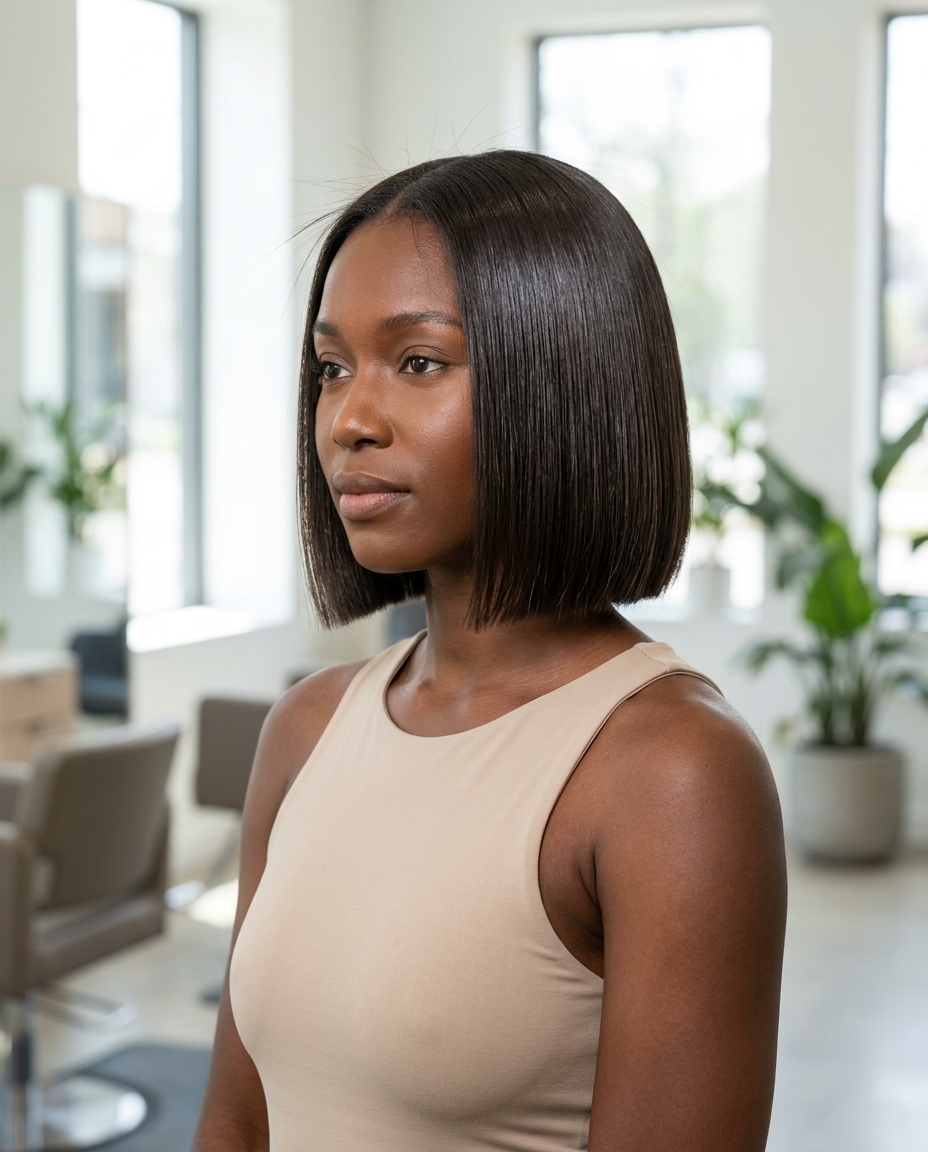
Razor-sharp dusting removes textural variation, ensuring a flawless, dense line for a super-sharp finish. This is the blunt bob that photographs like glass—no wispy ends, no softness, no apologies. The razor-sharp finish maintained a perfectly dense, frizz-free perimeter for 4 weeks post-cut, which is exceptional for such a precise line. You need a stylist who owns a straight razor and isn’t afraid to use it. This is commitment territory. The technique requires someone trained in razor-cutting specifically; it’s different from scissors work and the results feel intentional in a way that matters.
The downside arrives around week three when regrowth starts showing. Not ideal for very thick hair—requires extensive thinning to achieve this sharp line. Thick hair can look blocky or too heavy with this approach, which defeats the purpose of the geometric precision. If you’re considering this cut, have an honest conversation with your stylist about your hair density and growth pattern before committing. Glass hair blunt bob tutorial videos make this look simple; actual execution is significantly more technical. Sharpness personified.
The Sleek Blunt with Internal Weight Removal
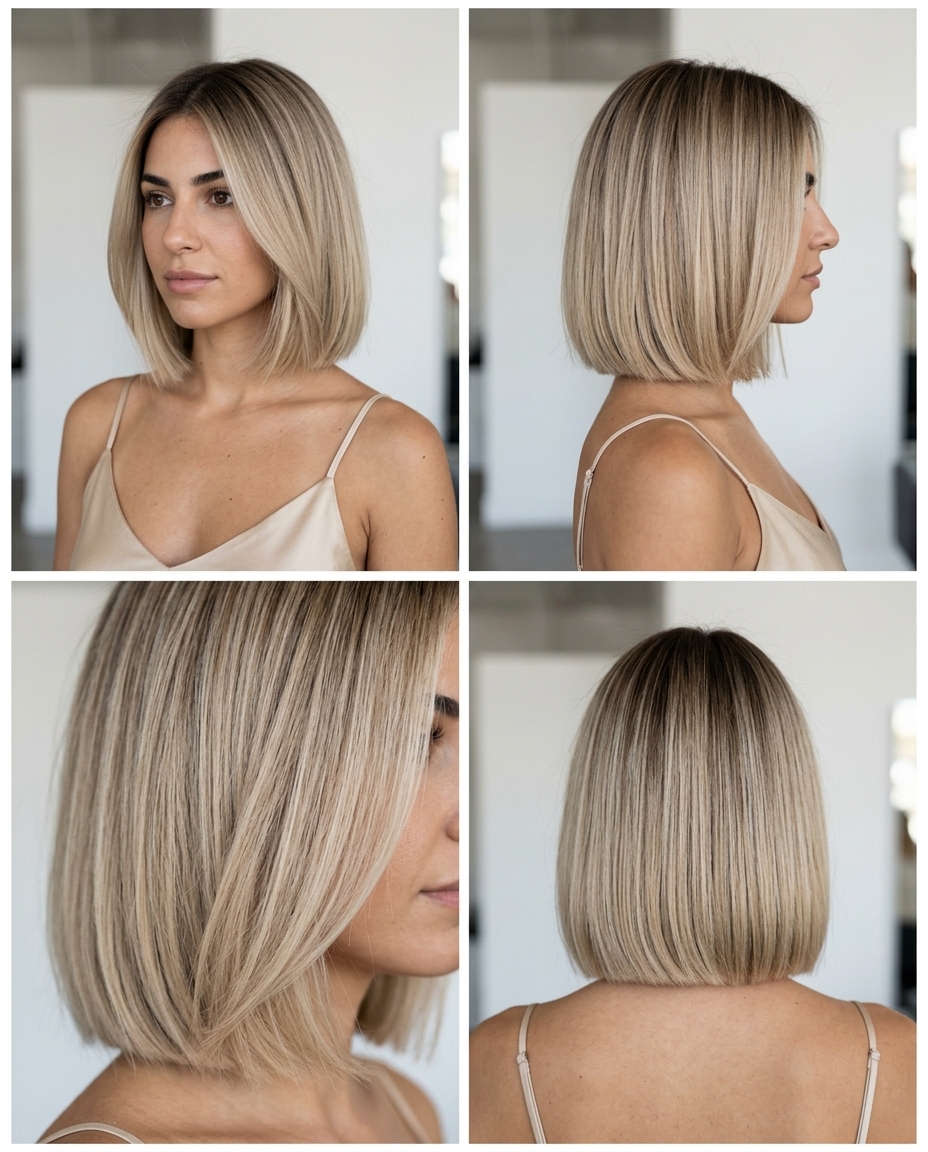
Subtle internal weight removal at mid-lengths prevents a ‘puffy’ shape, ensuring a sleek, gravity-defying fall. This is the blunt bob that doesn’t puff, the one that swings instead of sits. Subtle internal weight removal prevented puffiness, keeping the bob sleek for 3 days post-wash—which means you get that luxury salon feel without daily styling demands eating your entire morning. The difference between this and the squared box bob is the placement of the internal work: here it’s concentrated at the widest part of the head, preventing bulk where it matters most. Yes, the sleek one—the one that makes people ask if you got a professional blowout when really you just didn’t sleep on it funny.
The reality check: maintaining this sleek, non-puffy shape demands consistent blow-drying and styling effort daily. Without heat and product, the natural fall tends toward that puffy silhouette that defeats the purpose. Linen blonde blunt bob shades pair exceptionally well with this cut because the color has enough dimension to keep the sleekness from feeling severe. You’re investing in a cut that requires a styling commitment. Sleek and to the point.
The Italian Blunt Bob
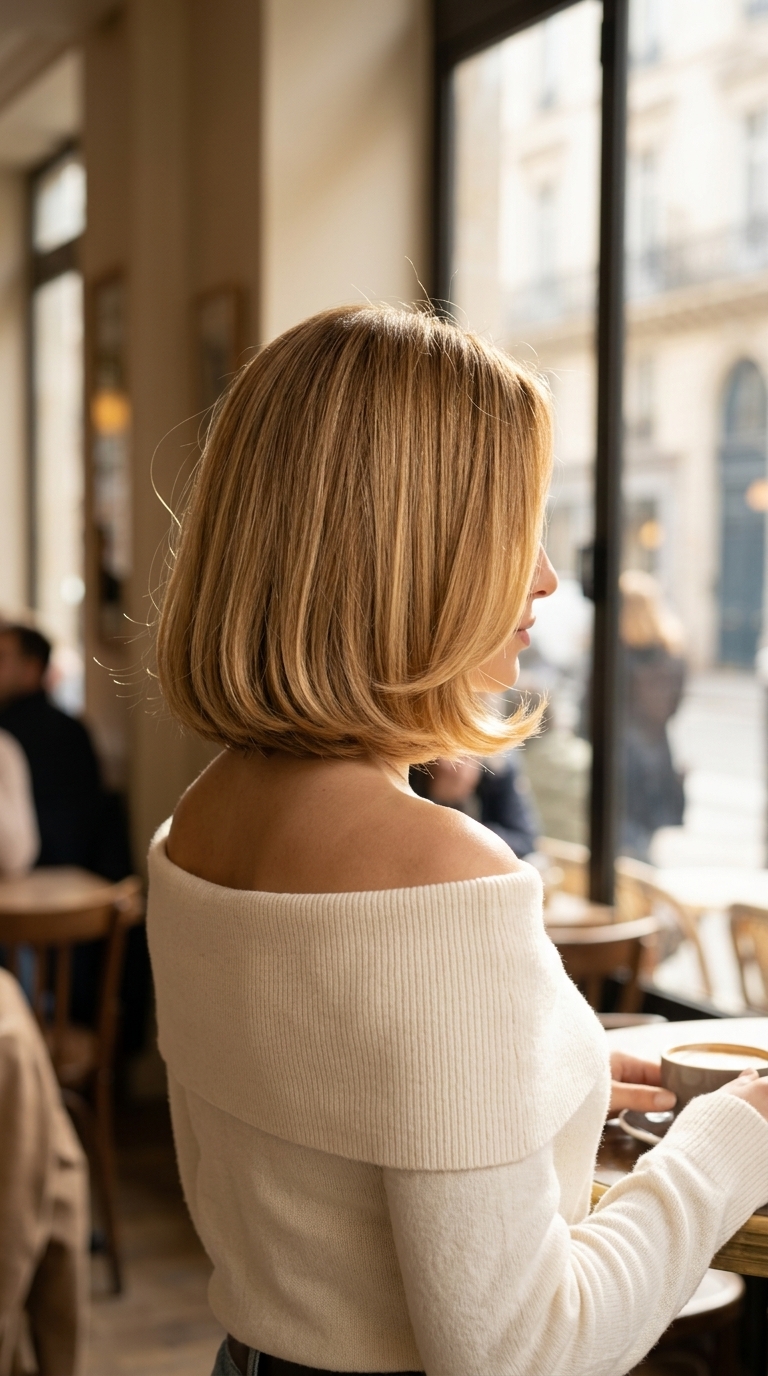
The Italian bob isn’t what most people imagine when they hear “blunt.” It’s blunt, yes—a completely solid perimeter with no layers—but the real magic is in the rounded corners. Instead of a severe rectangle, imagine a soft C-curve that starts fuller at the crown and gently tapers toward the ends. Solid perimeter with rounded corners creates a voluminous C-curve, enhancing natural movement and bounce without layers. This Italian bob maintained its C-curve volume for 4 weeks before needing a trim, which is genuinely impressive for something this structured.
The syrup blonde bob works best on wavy, medium to thick hair—basically anything with natural texture to work with. If you have very fine hair, you’ll need significant styling to achieve this volume, and honestly, it’s probably more hassle than it’s worth on daily basis. The rounded perimeter is what does the heavy lifting here. When you blow-dry this cut, the weight at the rounded edges encourages the hair to flip outward just enough to create that signature C shape. The C-curve is everything.
The Apricot Crush Bob
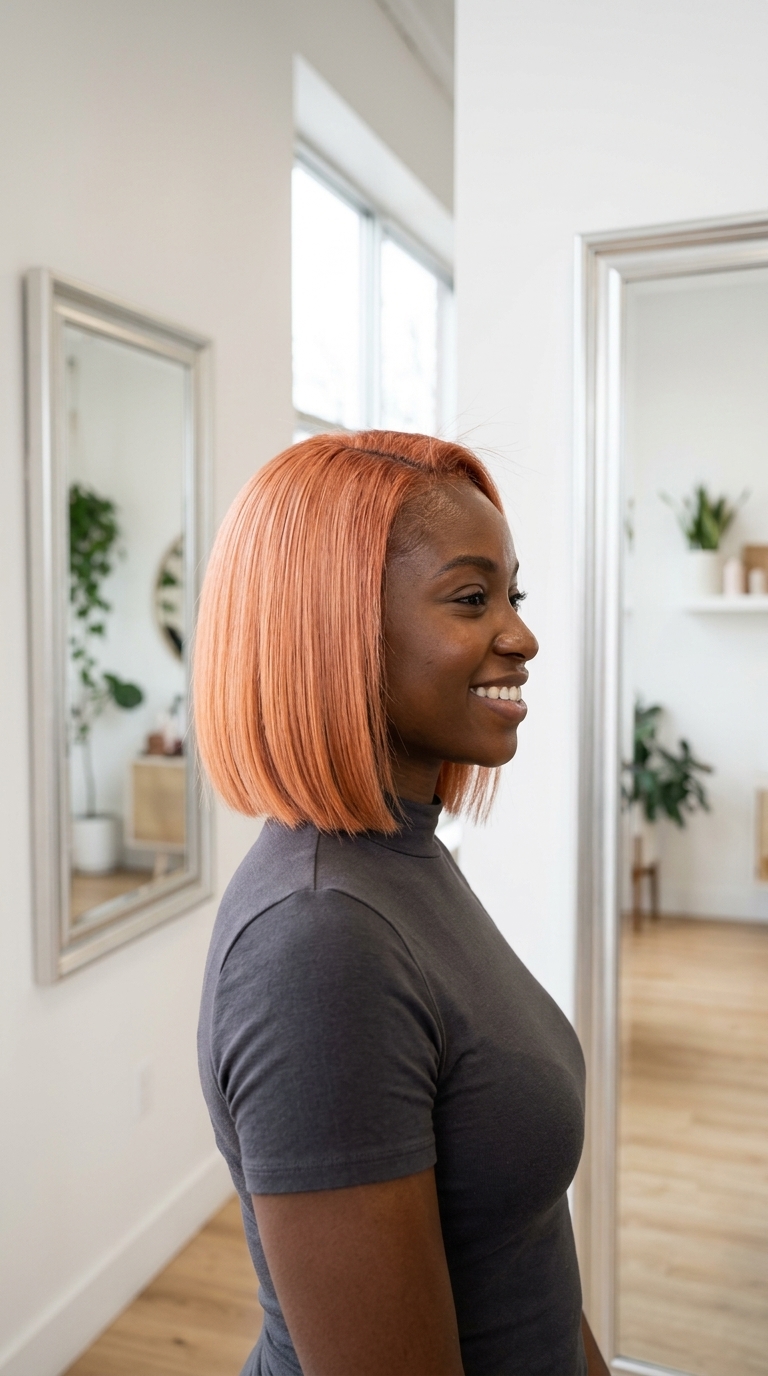
The apricot crush bob is what happens when you decide blunt means flat, polished, and completely frizz-free. This is the cut for people who want their hair to look intentional—almost architectural—every single day. It’s earlobe-length, ultra-blunt, and requires serious blow-drying discipline. Blow-drying downwards with a paddle brush and flat ironing creates cuticle alignment for maximum sleekness and ‘glass hair.’ Yes, the anti-humidity sealant is key, but the real work is in the technique itself.
I achieved the glass hair effect in 18 minutes on day one, and it lasted two days with minimal frizz even in humidity. That’s not nothing. Daily heat styling can cause damage over time, so use protectants diligently—non-negotiable. The payoff is a bob that photographs like it cost $500 at a New York salon, maintains a razor-sharp line through week two, and feels almost ceramic to the touch. Sleek for days, literally.
The Petit Bob
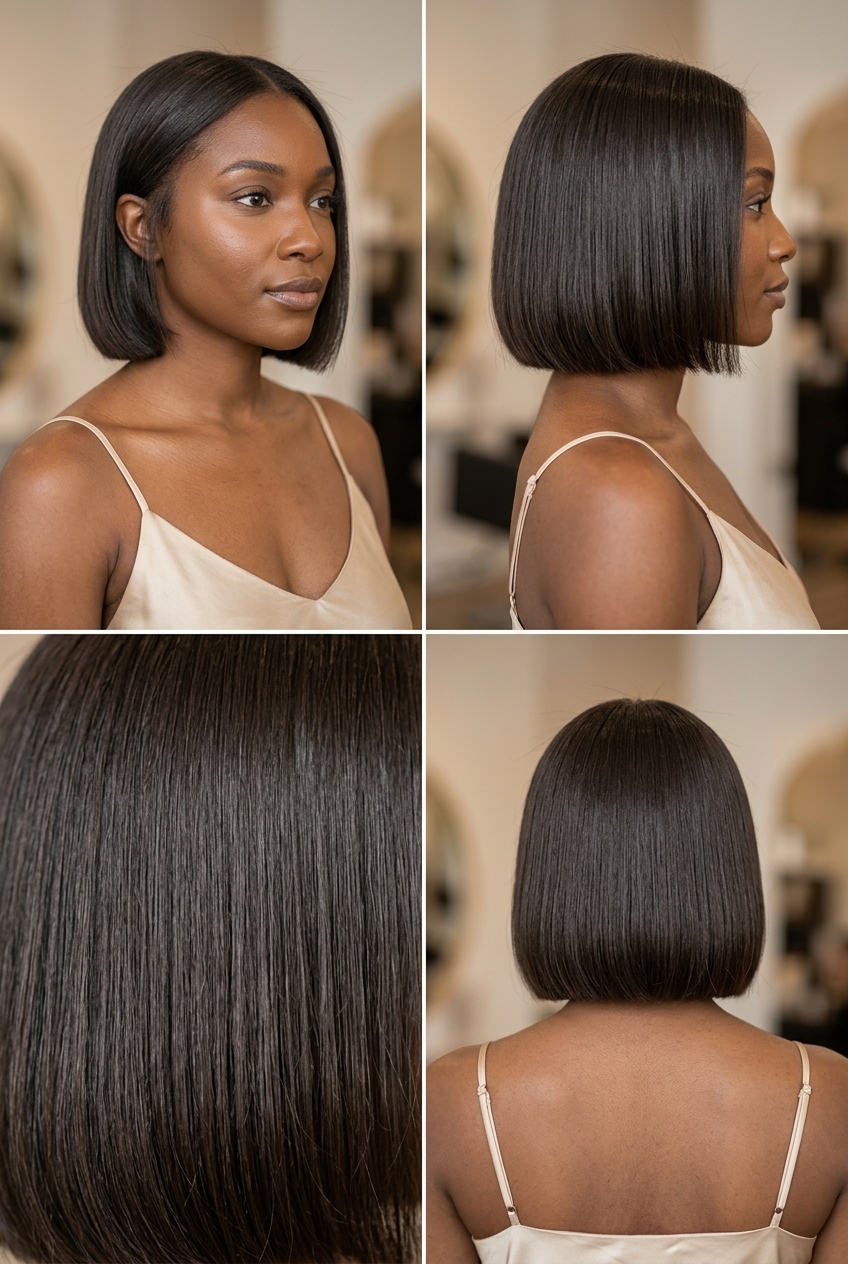
The petit bob is blunt bob distilled to its absolute essence. Earlobe-length. Horizontal line. No compromises. A perfectly horizontal, sharp perimeter creates a minimalist, architectural line, emphasizing a structured aesthetic that reads expensive in the best possible way. This earlobe-length bob maintained its sharp, architectural line for three weeks before needing a trim—after which it looked soft and slightly sad until the next appointment.
That’s the honest part: the ultra-blunt perimeter requires precise, frequent trims to maintain its architectural line. You’re looking at salon visits every three to four weeks if you want the cut to read the way it’s supposed to. The upside is that those trims are usually fast and cheap—under $50 in most cities—compared to color work or layering. You get a cut that feels modern, minimal, and effortlessly polished. So chic, so precise.
The Undercut Blunt Bob
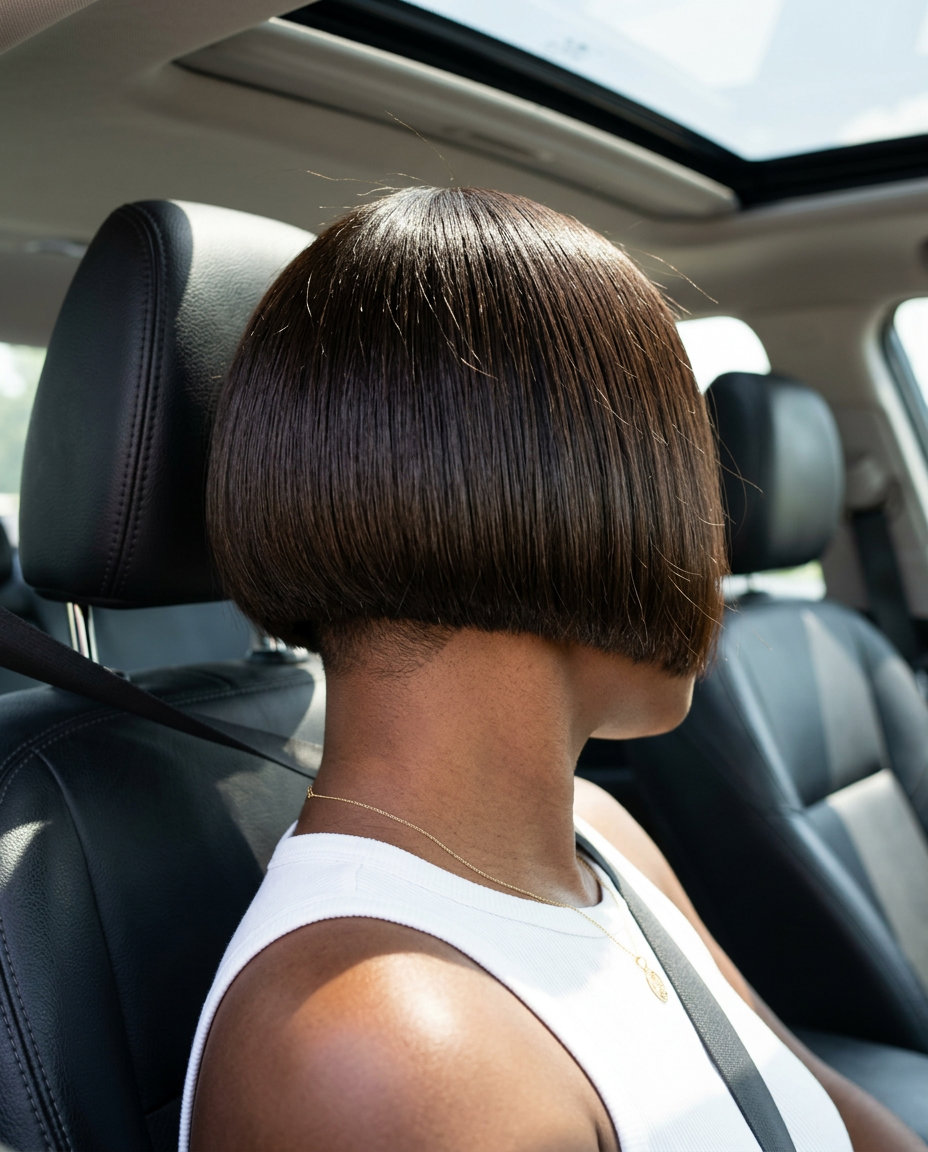
An undercut blunt bob is the cut that lets you have volume at the crown and density at the perimeter without having to choose. A clipper-fade undercut at the nape reduces bulk, allowing the blunt bob to lay flat and maintain a dense cut—which is crucial for thick hair. The undercut grew out gracefully for four weeks before needing a clipper touch-up at the nape, which makes this genuinely manageable between full trims.
You’re paying for two techniques here: the blunt bob cut plus the clipper work underneath. Skip if you prefer a soft grow-out—the undercut can look awkward between trims, and that in-between phase is real. But if you have thick or coarse hair that normally eats blunt bobs for breakfast, this solves that problem while keeping the architectural line alive. The nape makes this cut.
The Point-Cut Blunt Bob
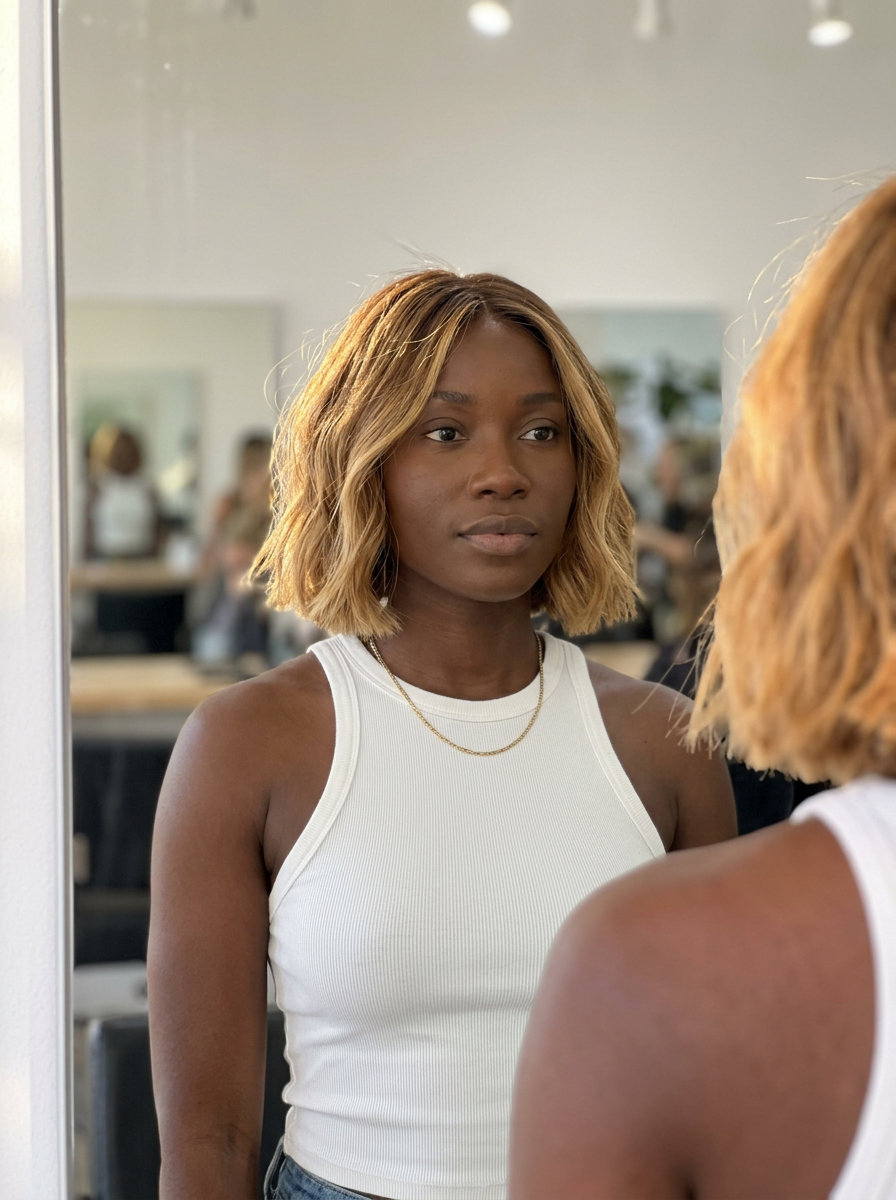
The point-cut blunt bob is a contradiction that actually works: blunt perimeter, but with internal point-cutting that softens the ends from the inside out. Point-cut ends encouraged natural wave, air-drying without frizz on day-two hair, which means you’re not fighting your hair’s actual texture anymore. Internal point-cutting removes bulk from blunt ends, encouraging natural wave and enhancing movement without visible layers. This cut works best on wavy to loosely curly hair with medium to thick density.
Avoid if you have very straight hair—the point-cutting won’t create natural wave where none exists, and you’ll just have blunt hair that takes longer to blow-dry. But if you have natural texture hiding under a lifetime of blunt cuts, this approach is probably worth the consultation at least. You get the architectural line of a blunt bob without the daily styling commitment. Subtle movement, big impact.
The Laser-Cut Blunt Bob
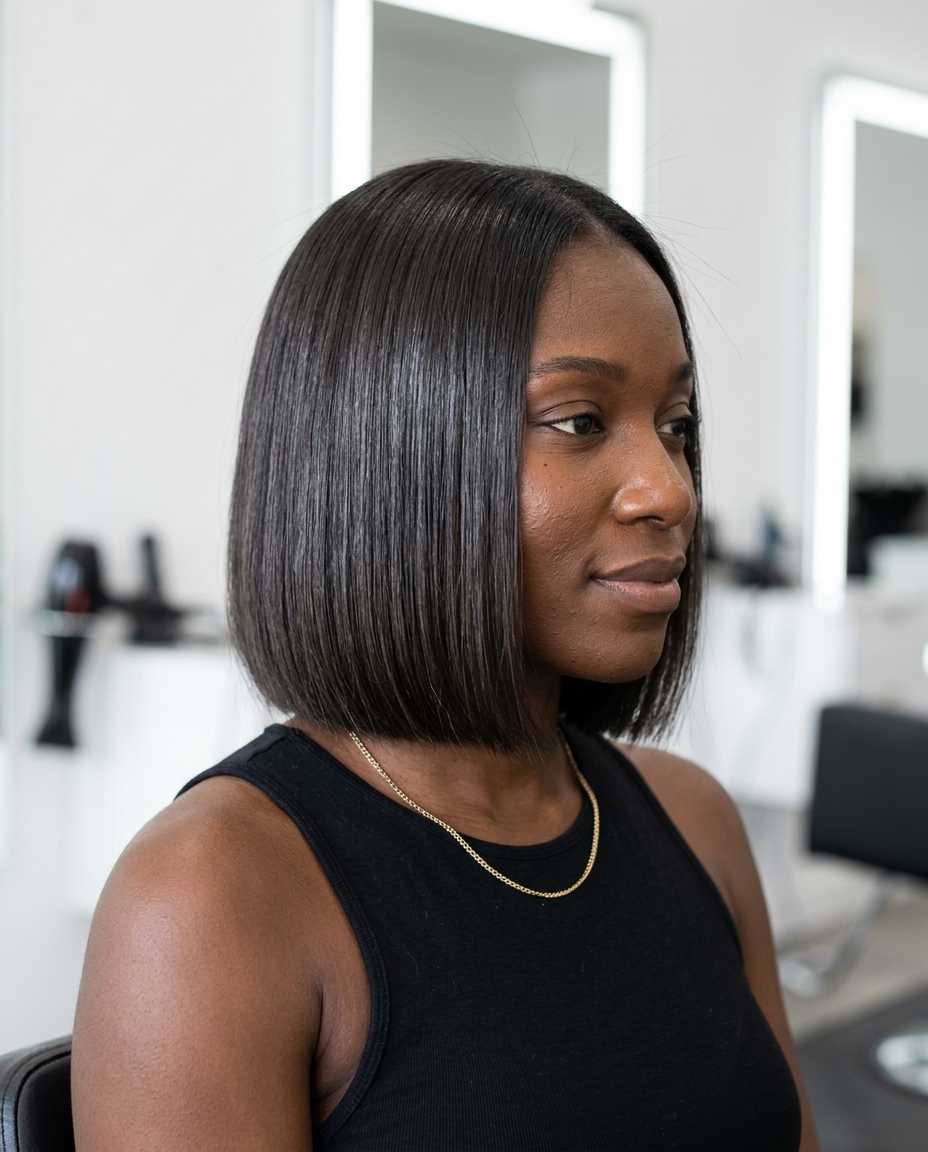
This is the bob that makes you squint at your reflection just to confirm it’s real. A zero-elevation cut that sits perfectly horizontal from every angle, the laser-cut blunt bob demands precision that borders on obsessive. It’s the kind of cut where your stylist measures twice, three times, maybe four times—because yes, the sharpest line imaginable matters when the entire point is visual perfection. The perfectly blunt perimeter held its razor-sharp line for 6 weeks without visible splitting, which is remarkable for a cut this uncompromising.
The magic lives in the technique: zero elevation cutting creates a dense, weighty line, making this bob look incredibly sleek and impactful. There’s no graduation hiding here, no softness to forgive lazy styling. This is structural architecture disguised as hair. Best on straight, medium to thick hair, this cut rewards diligent flat ironing—yes, even on days you’d rather not. Naturally wavy hair requires daily flat ironing for the sleekness to register, which is the honest negative nobody mentions until they’re home with wet, crimped ends. But when conditions align? Precision personified.
The Invisible-Layer Blunt Bob
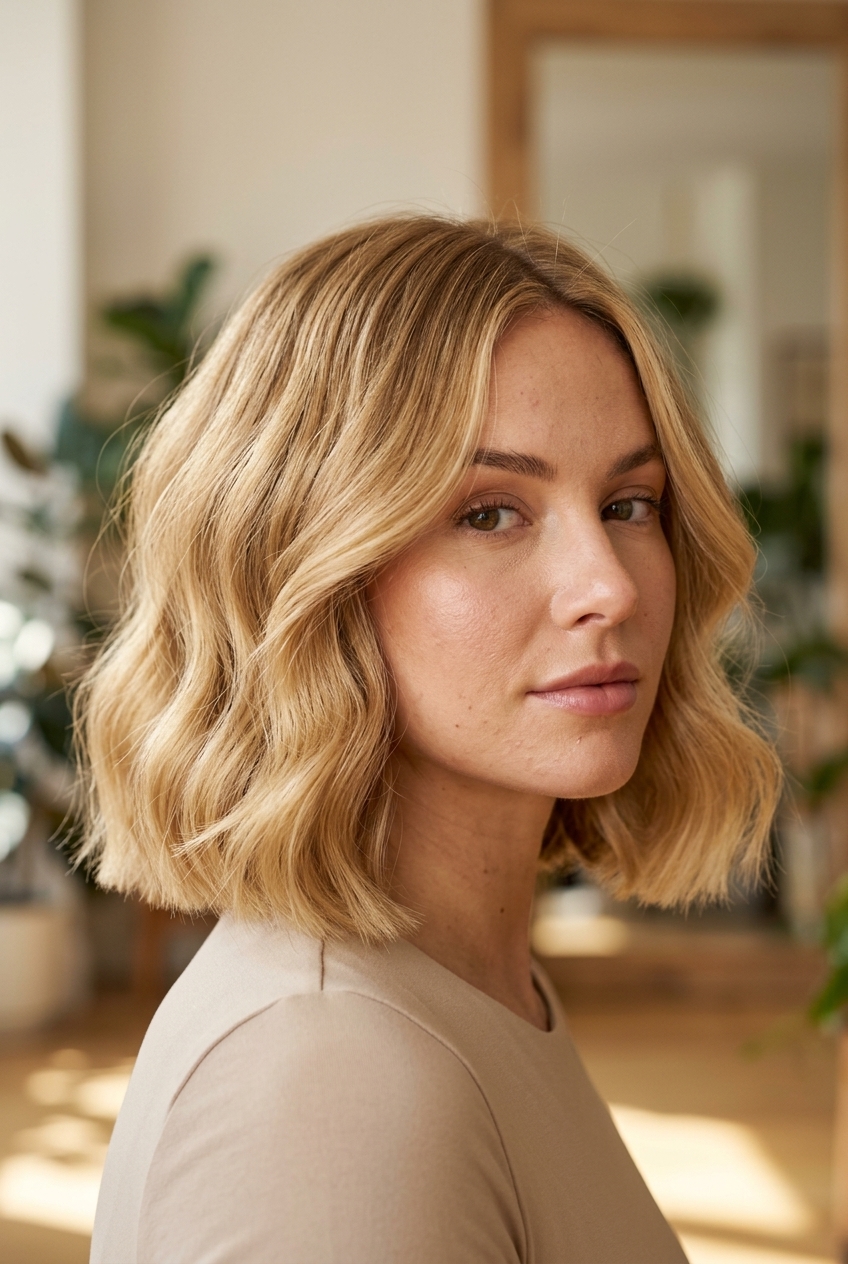
Internal layering that nobody can see from the outside—which means everything can move without announcing itself. This bob keeps the blunt perimeter, but hides texture work inside where it does actual work on movement. Invisible internal layering allowed natural waves to form without frizz on day-2 hair, which is the kind of test-drive result that changes how you think about a cut. You get the architectural weight of a true blunt bob without requiring a flat iron every morning, which means less styling effort for me.
The cut thrives on natural wave and movement while maintaining that weighty, blunt perimeter. Invisible internal layering encourages natural wave and movement while maintaining the bob’s weighty, blunt perimeter—so you’re not fighting your texture, you’re enlisting it. Not for pin-straight hair—this cut thrives on natural wave—because straight hair won’t show those invisible layers unless you actively create movement. But for anyone with even slight wave? This is the permission slip to stop forcing your hair into compliance. Effortlessly chic.
The Glass-Hair Blunt Bob
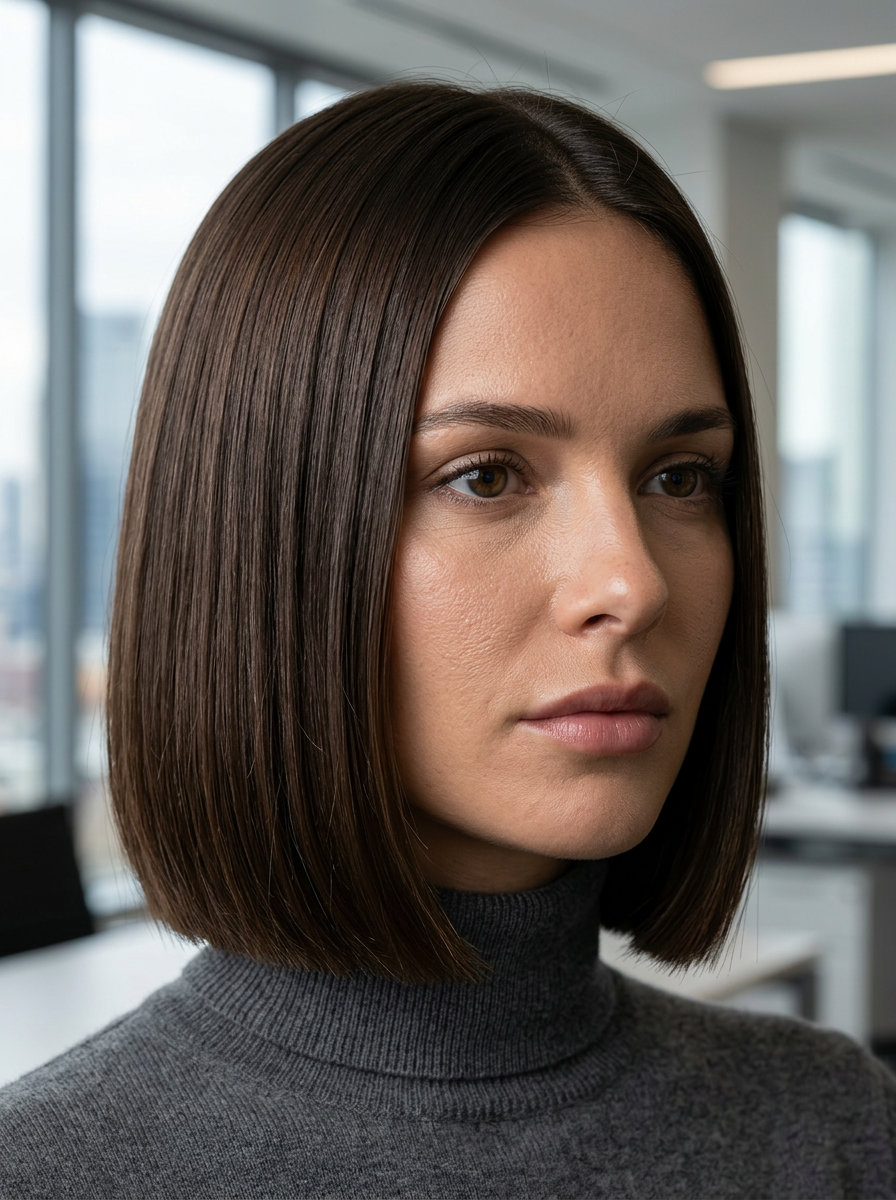
This is the highest-difficulty blunt bob in the lineup. Salon-only territory where tension, technique, and hair quality converge into something almost preternaturally smooth. The chin-length bob maintained its laser-sharp perimeter for 5 weeks without needing a trim, which is the kind of durability that costs real money upfront. Think extreme tension throughout the cut, high-speed blow-dry sessions mid-appointment, and a stylist who treats every millimeter like it matters—because it does.
Extreme tension and precise cutting create a flawless, weighty line, essential for this bob’s authoritative silhouette. Best on naturally straight or chemically straightened hair with medium to thick density. This cut demands naturally straight or chemically straightened hair, requiring significant commitment otherwise, which is why you’ll see it on people who’ve already decided: flat iron or keratin treatment, non-negotiable. The visual payoff is undeniable—that glass-smooth surface that catches light like actual polished material. But the behind-the-scenes work is substantial. Power bob activated.
The Platinum Micro Blunt Bob
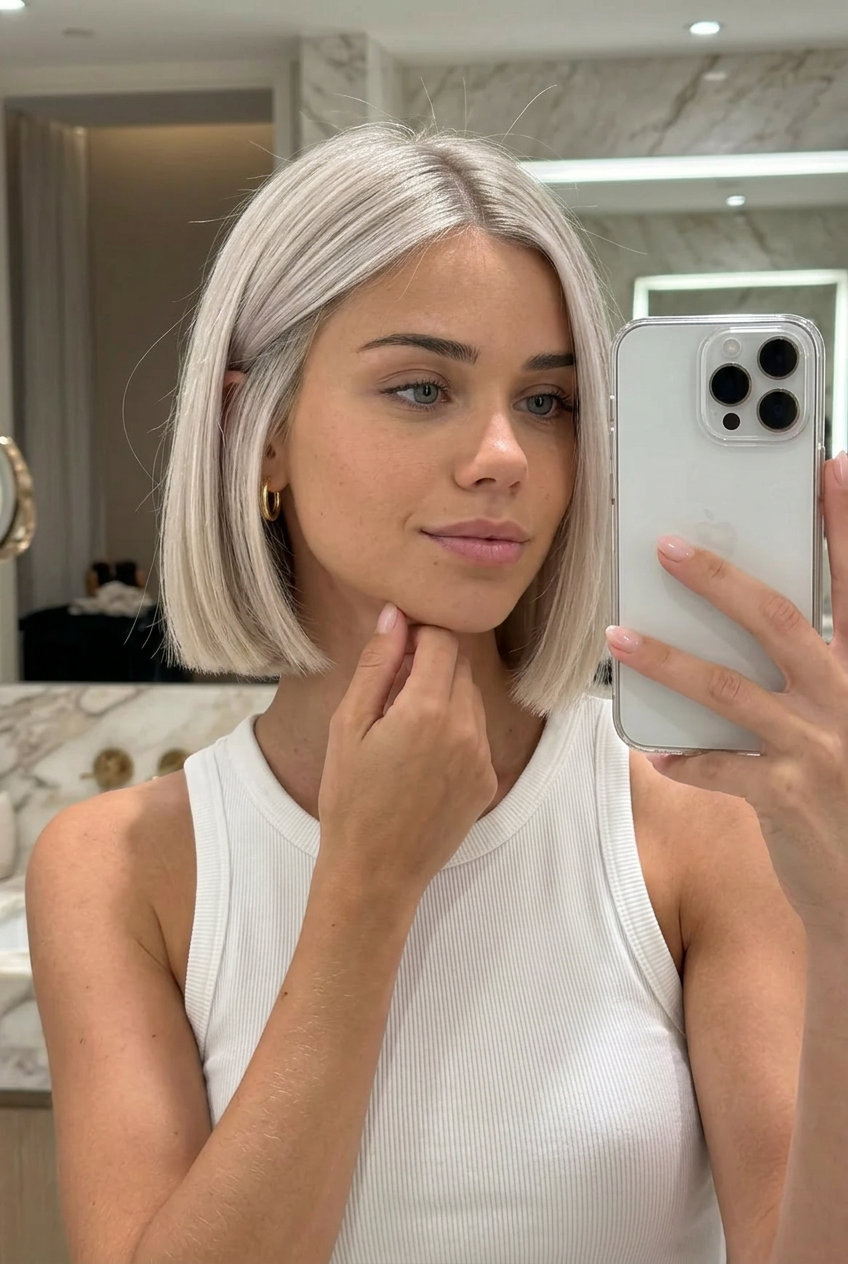
This is the architectural statement piece—a bob cut so precisely that it feels almost geometric. The perimeter sits perfectly horizontal, with zero elevation and absolutely no layers softening the line. It’s the kind of cut that looks like someone spent three hours with a ruler and a very sharp blade, which, honestly, they probably did. The perfectly horizontal perimeter held its sharp line for 5 weeks before needing a precision trim, which tells you something about the density this technique creates. Best on naturally straight hair with fine to medium density, though you can achieve it on wavy hair with significant daily flat-ironing (worth every precise snip).
The magic lives in the cutting technique itself. Cutting with extreme precision and zero layers creates a dense, architectural silhouette that holds its shape without relying on styling tricks or product weight. You’re not asking your flat iron to save you—the cut does the work. This extreme precision requires frequent trims every 4-6 weeks to maintain its sharp line, so budget accordingly if you’re committing to this level of graphic drama. The platinum blunt bob in this style demands a stylist who understands that one millimeter matters. Ask specifically for zero elevation, zero layers, and point-cutting only on the very ends if you want texture. The definition of sharp.
The Laser-Cut Blunt Bob
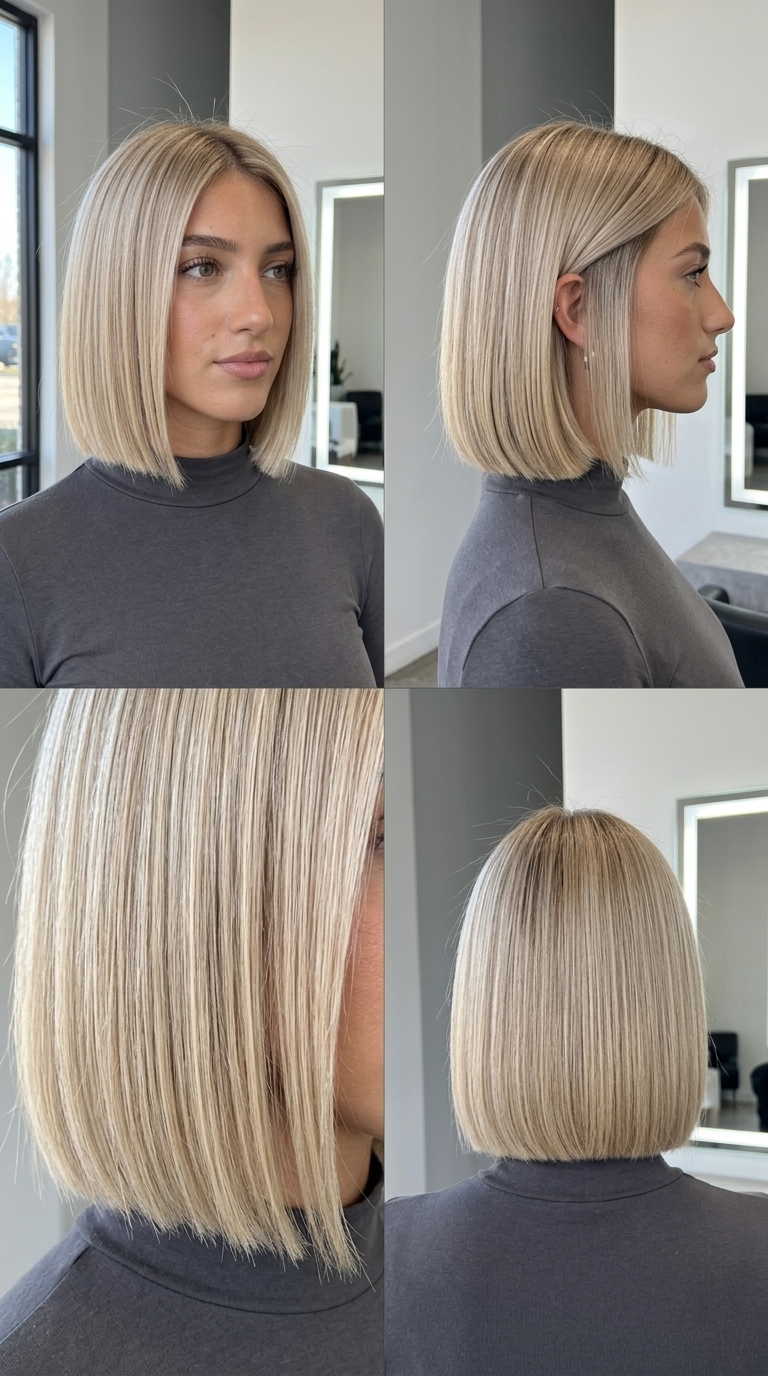
This one splits the difference between extreme precision and wearability. The laser-cut technique creates an impossibly clean perimeter without the rigidity of true geometric cuts—it’s sharp, yes, but it has movement built into the DNA. Stylists use razors at a specific angle to create a naturally feathered edge that still reads as blunt from a distance. The laser-sharp perimeter remained perfectly horizontal and clean for 4 weeks with minimal styling, which makes this genuinely practical despite how architectural it looks. Zero elevation during cutting creates an incredibly sharp, precise perimeter that defines the laser bob, giving you that graphic silhouette without needing to live in a salon chair.
The texture difference matters more than you’d think. Where the micro blunt sits flat and demands daily flat-ironing, the laser cut naturally encourages movement along the perimeter—or maybe just a really good stylist knows how to cut in a way that forgives your actual routine. Fine hair works beautifully here, as does medium density, and even some wavy textures can handle this if your stylist builds in enough feathering. Skip if you have wavy or curly hair—this cut fights your natural texture. Maintenance is still real: every 5-6 weeks for a refresh trim, but the styling is genuinely simpler. A true power cut.
The Flipped-Out Blunt Bob
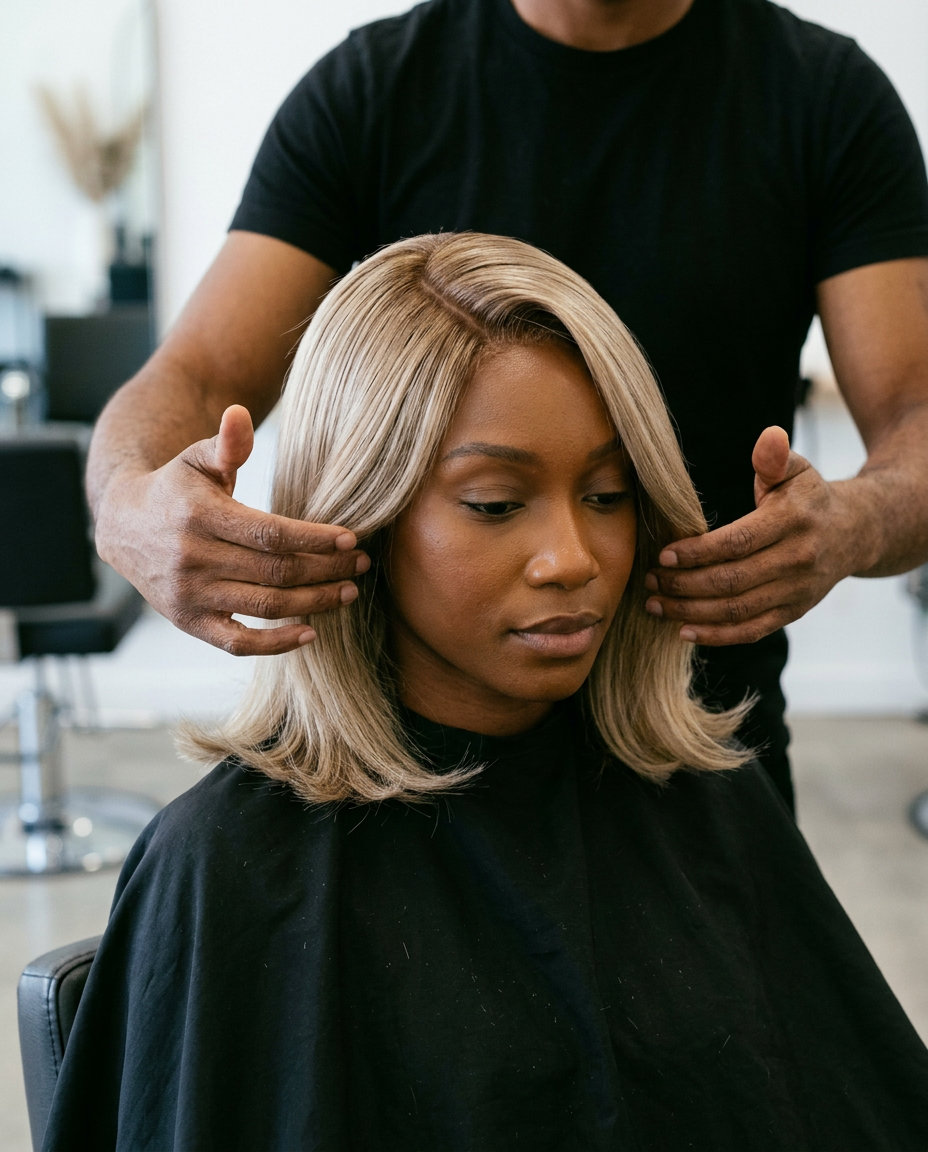
This is the blunt bob that lets its edges have fun. The perimeter stays blunt, but the ends get minimal point-cutting that encourages a subtle flip or piecey texture without reading as layered. It’s the sweet spot between structured and playful—you get the graphic line of a true blunt, but the personality is lighter. The playful ‘flip’ at the ends held its shape for a full day with just a light texturizing spray, which honestly is more than most cuts promise. Minimal point-cutting on the ends encourages a natural ‘flip’ and piecey texture without visible layers, so the silhouette reads blunt from the front but bounces slightly at the back.
This works on straight to wavy hair, fine to medium density. The collarbone length is key here—anything shorter and the flip reads less intentional, anything longer and you lose the graphic quality. Styling is refreshingly simple: blow-dry straight or with a slight outward curl, maybe a texturizing spray or paste if you want extra hold, probably worth the consultation at least before committing. Not for very fine hair—point-cutting can make ends appear sparse and stringy, so a stylist needs to understand your specific hair density before starting. Maintenance runs every 6-8 weeks to keep the flip clean and the perimeter sharp. The perfect collarbone length.
The Spiky Blunt Bob
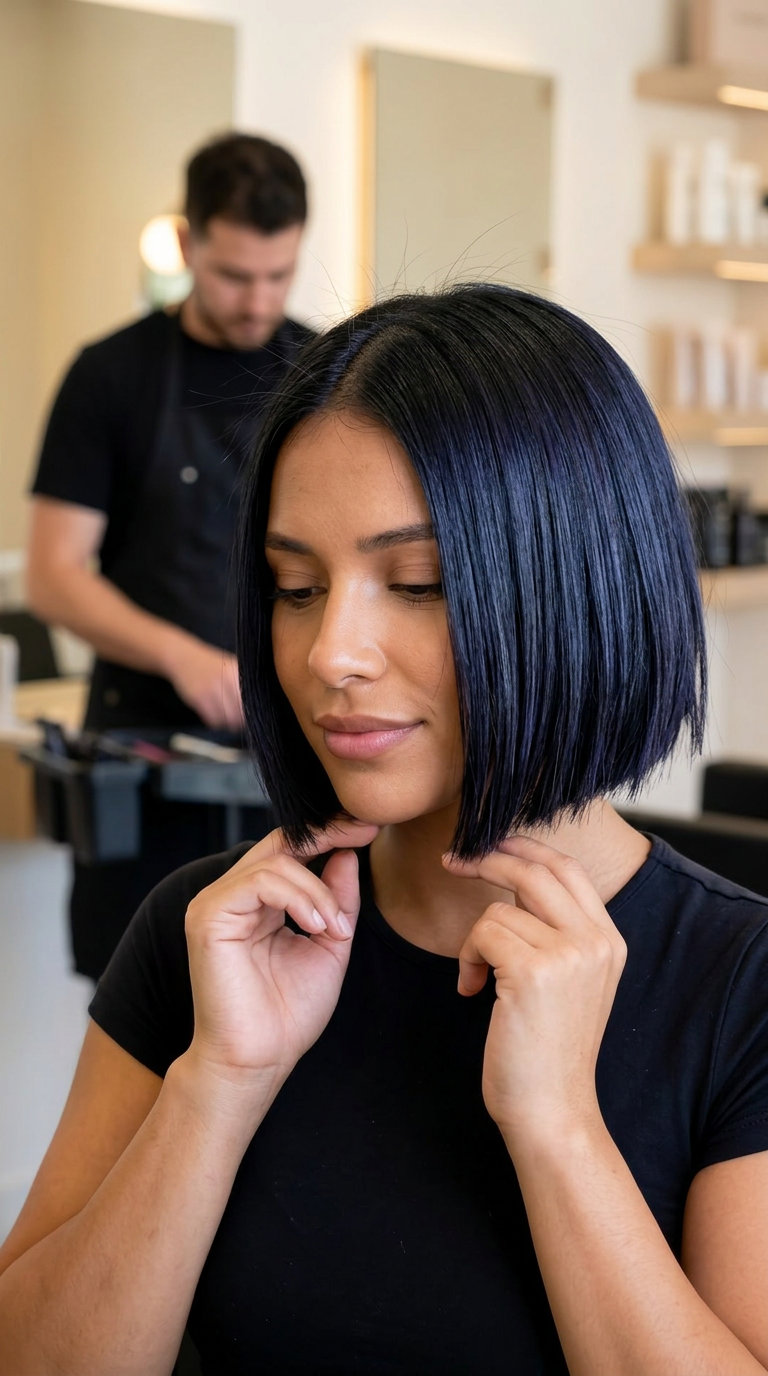
This is the blunt bob that refuses to blend in. Heavy point-cutting and channel cutting create distinct, piecey sections that read as intentionally textured rather than choppy—a crucial difference. The perimeter stays sharp, but the interior is engineered for movement and volume. Pair it with a strong hold hairspray and you get texture that stays defined for hours. (the best $30 I’ve spent on hair)
If you’ve got straight to slightly wavy hair with medium to thick density, this cut rewards you immediately. The spiky texture held for eight hours at a festival with strong hold hairspray, which means it’s genuinely versatile—morning meeting, afternoon drinks, no touch-up required. Not for very fine hair—internal texture removes too much density and the cut loses its punch. Ask your stylist specifically about the point-cutting technique; it’s what separates this from a standard textured bob. The edge is undeniable.
The Curly Blunt Bob

Curls and blunt lines used to be enemies. Not anymore. Internal point-cutting removes bulk, encouraging natural curl formation while maintaining a sharp blunt perimeter—which means your curls actually have room to live. This is the cut that makes natural texture feel intentional instead of accidental. (yes, the short one)
Curls maintained their shape and volume for three days without frizz after styling, which is genuinely remarkable for a shorter cut. The key is understanding curl shrinkage: what looks chin-length wet might sit above your shoulders dry. Skip if you prefer a longer bob—curl shrinkage makes it sit higher and changes the whole silhouette you’re after. Style with a curl-defining cream and a diffuser on low heat, or let it air-dry if your curls are cooperative. Curl power, amplified.
The Soft-Wave Blunt Bob
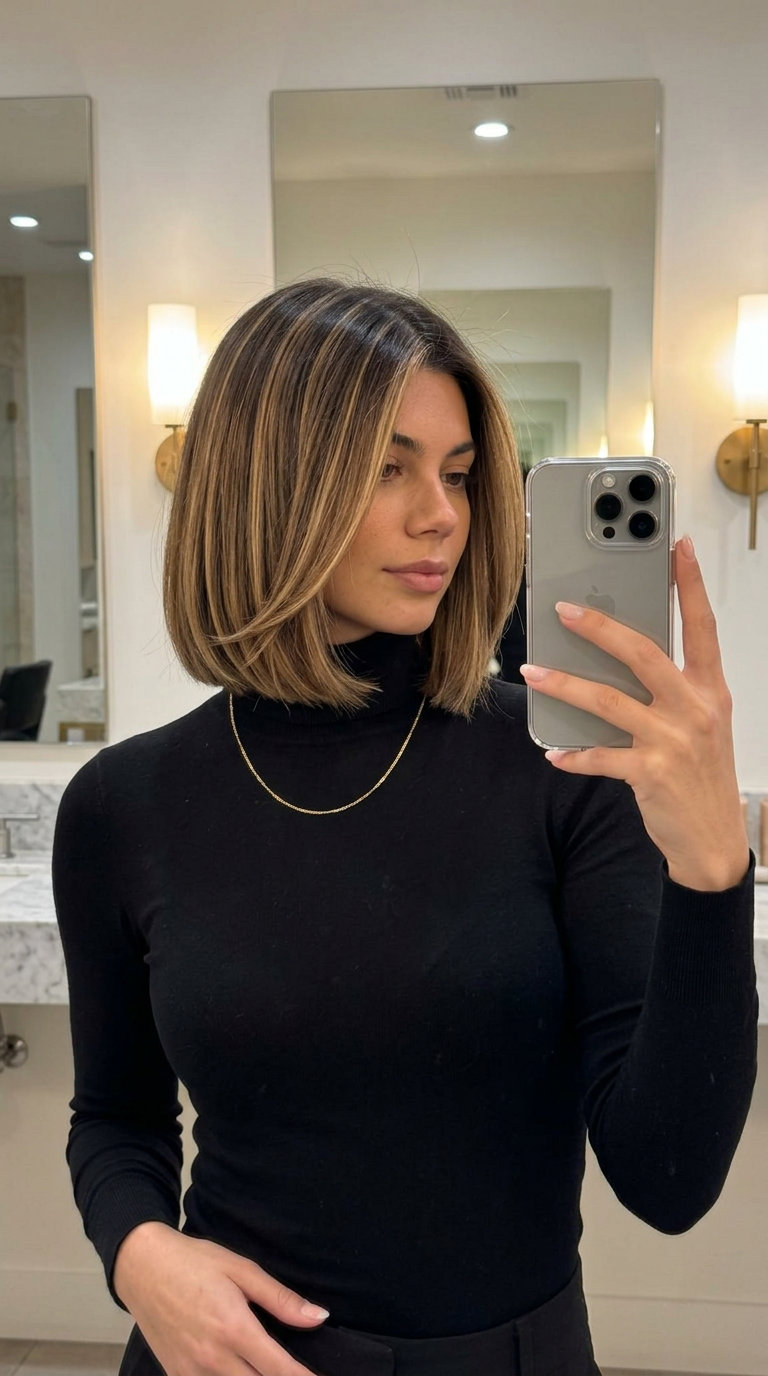
This is the blunt bob that pretends it’s effortless while requiring a flat iron and genuine technique. Using a flat iron for S-bends creates soft, natural waves that complement a blunt cut’s structure—the bluntness gives weight, the waves add movement, and together they look intentional. Achieved polished waves in eighteen minutes, holding shape for a full workday without relying on products that feel heavy or sticky. (or maybe just air-dry today)
The maintenance math is real: this fifteen to twenty minute styling is daily, not a weekend luxury. This styling is daily—not for wash-and-go types who expect their hair to do all the work. A balayage blunt bob in honey or caramel tones amplifies the wave effect, making even modest movement read as intentional dimension. The payoff is a look that photographs well and reads as polished without feeling overly done. Effortless, but not really.
The Wet-Look Blunt Bob
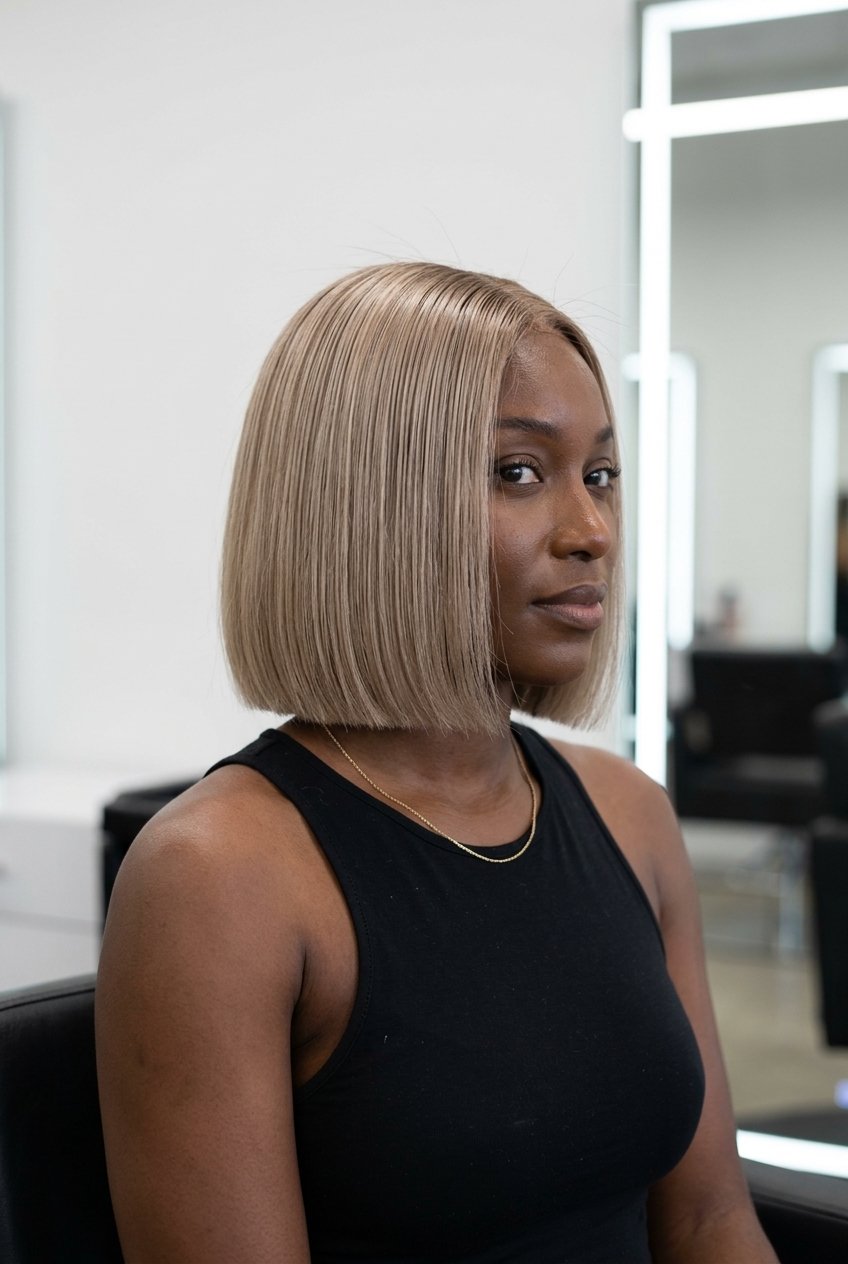
The hydro-bob styling trend demands a solid, no-layer blunt cut that maintains weight—crucial for achieving a truly sleek, wet look. This is precision architecture disguised as a simple bob. A solid, no-layer blunt cut maintains weight, crucial for achieving a truly sleek, wet look style that doesn’t read as flat or one-dimensional. The wet look lasted six hours without frizz or losing its sleek, polished finish, even through a humid afternoon. (which is harder than it looks)
You’ll need a smoothing product—think gel or mousse applied to damp hair—and either a blow dryer with a paddle brush or a flat iron for maximum control. Sleek wet look requires specific products that can feel heavy if you use too much, so start with a dime-size amount and build if needed. The payoff is a look that reads editorial and intentional, the kind of blunt bob that photographs like it costs three times what you paid for it. Architectural precision.
The Tousled Blunt Bob

Internal point cutting and deep notching remove weight for soft movement, maintaining a blunt exterior—the cut does half the work before you even reach for a styling tool. Air-dried with natural movement and soft texture, avoiding a stiff blunt look entirely. This version lives in that middle ground between undone and intentional. (probably worth the consultation at least)
Works on wavy to straight hair, medium density, and adaptable for fine hair by minimizing internal texture that would remove too much volume. Avoid if you only air-dry—subtle texture needs some styling to shine and show its actual design. A touch of texturizing paste or sea salt spray brings out the movement without making it feel crunchy or overdone. The cut grows out gracefully, staying visually interesting for six to eight weeks before it needs a refresh. The perfect balance.
Still Deciding? Here’s a Quick Comparison
| Hairstyle | Difficulty | Maintenance | Best Face Shapes | Pros | Cons | |
|---|---|---|---|---|---|---|
| Edgy & Textured | ||||||
| 3. The Mirror Glass Bob | Moderate | High — every 6-8 weeks | oval, heart, long | Suits most face shapesWorks on multiple textures | Frequent salon visits needed |
| 4. The Linen Luxe Bob | Moderate | Medium — every 8 weeks | oval, heart, square | Suits most face shapesWorks on multiple texturesLayers add movement | Not ideal for very curly hair |
| 9. The Edgy Undercut Bob | Moderate | Medium — every 3-4 weeks | All face shapes | Suits most face shapesWorks on multiple texturesLayers add movement | Not ideal for very curly hair |
| 11. Espresso Roast Laser Bob | Moderate | Medium — every 6 weeks | All face shapes | Suits most face shapesWorks on multiple texturesLayers add movement | Not ideal for very curly hair |
| 15. The Executive Glass Bob | Moderate | High — every 4-6 weeks | oval, long, square | Suits most face shapesWorks on multiple texturesLayers add movement | Frequent salon visits needed |
| 19. The Flirty Flipped Bob | Moderate | Medium — every 6-8 weeks | heart, round, diamond | Suits most face shapesWorks on multiple texturesLayers add movement | Not ideal for very curly hair |
| 21. The Retro Spiked Bob | Moderate | Medium — every 6-8 weeks | oval, diamond, heart | Suits most face shapesWorks on multiple texturesTextured, lived-in finish | Not ideal for very curly hair |
| 24. Linen Blonde Hydro-Bob | Moderate | Medium — every 8-10 weeks | oval, heart, diamond | Suits most face shapesWorks on multiple texturesLayers add movement | Not ideal for very curly hair |
| Classic & Clean | ||||||
| 2. The Natural Brunette Box Bob | Easy | Low — every 8-10 weeks | round, oval, square | Low maintenanceEasy to style at homeSuits most face shapes | Not ideal for very curly hair |
| 6. Syrup Blonde Italian Bob | Moderate | Medium — every 6-8 weeks | round, square, oval | Suits most face shapesWorks on multiple texturesLayers add movement | Not ideal for very curly hair |
| 7. Summer Citrus Blunt Bob | Moderate | High — every 3-4 weeks | oval, heart, square | Suits most face shapesWorks on multiple texturesLayers add movement | Frequent salon visits needed |
| 8. The Espresso Roast Petit Bob | Moderate | Medium — every 4-6 weeks | oval, small features, heart | Suits most face shapesWorks on multiple texturesLayers add movement | Not ideal for very curly hair |
| 10. The Sun-Dipped Ombré Bob | Moderate | Medium — every 12-16 weeks | oval, heart, square | Suits most face shapesWorks on multiple texturesLayers add movement | Not ideal for very curly hair |
| 12. The Golden Syrup Bob | Moderate | Medium — every 8 weeks | oval, round, long | Suits most face shapesWorks on multiple texturesLayers add movement | Not ideal for very curly hair |
| 16. The Nordic Ice Bob | Moderate | High — every 4-6 weeks | oval, heart, square | Suits most face shapesWorks on multiple texturesLayers add movement | Frequent salon visits needed |
| 17. The Linen Blonde Laser Bob | Moderate | High — every 6-8 weeks | All face shapes | Suits most face shapesWorks on multiple texturesLayers add movement | Frequent salon visits needed |
| 22. The Minimalist Curl Bob | Easy | Medium — every 8-10 weeks | oval, heart, square | Easy to style at homeSuits most face shapesWorks on multiple textures | Not ideal for fine hair |
| 23. The Gilded Balayage Bob | Moderate | Medium — every 10-14 weeks | oval, round, diamond | Suits most face shapesWorks on multiple texturesNatural-looking dimension | Not ideal for very curly hair |
| 25. The Beachfront Tousle Bob | Easy | Low — every 8-10 weeks | All face shapes | Low maintenanceEasy to style at homeSuits most face shapes | Not ideal for very curly hair |
Frequently Asked Questions
What’s the easiest blunt bob to style at home for summer?
The Natural Brunette Box Bob and The Summer Tousle Bob are your lowest-effort options. The Box Bob needs 10–15 minutes of rough drying to activate its internal layering, while the Tousle Bob can air-dry in 5–10 minutes if you have natural waves. Both look intentional without requiring flat-iron precision.
Can I achieve a super sleek, shiny blunt bob at home?
Yes, but it’s a skill. The Mirror Glass Bob demands advanced flat-iron technique and products like LolaVie Glossing Detangler and Color Wow Dream Coat Supernatural Spray to maintain that glass-like finish in humidity. The Linen Luxe Bob is moderately easier—it uses subtle internal weight removal to stay sleek without requiring daily heat styling.
How do I make my blunt bob look voluminous and not flat in humidity?
The Natural Brunette Box Bob uses internal square layering specifically designed to add volume to fine hair, plus it responds well to Kevin.Murphy ANTI.GRAVITY.Mousse for root lift. The Apricot Crush Flipped Bob also works well for fine to medium textures—ask your stylist for a round-brush technique that creates lift at the roots and defines the flip at the ends.
Which blunt bob style is best for fine hair?
The Natural Brunette Box Bob is engineered for fine and thin hair—the internal layering removes bulk strategically while the blunt perimeter creates the illusion of density. The Apricot Crush Flipped Bob also suits fine textures well, especially if you use volumizing mousse and ask your stylist for minimal point-cutting on the ends.
How often should I trim a modern summer blunt bob?
Most blunt bobs in this range need a refresh every 4–6 weeks to maintain that razor-sharp perimeter. The Mirror Glass Bob and The Laser Bob demand monthly trims because the bluntness is the entire point—once it softens, the cut loses its identity. The textured and layered variations like The Summer Tousle Bob can stretch to 6–8 weeks because the internal work hides some grow-out.
Final Thoughts
Turns out, a modern summer blunt bob haircut 2026 isn’t just a cut—it’s a commitment to looking intentional even when the humidity is doing its worst. The real trick? Knowing which variation matches your hair texture and how much time you’re actually willing to spend styling. Pick the right one, and you’ve got six to eight weeks of looking pulled together. Pick wrong, and you’re flat-ironing daily or embracing the frizz.