
Simona Tabasco walked a red carpet with a blunt-ended bob that looked like it cost more than most people’s rent, and suddenly every stylist’s chair was booked solid. The Classic Italian Bob, The Fringed Italian with its 70s curtain bangs, The Hydro-Bob that looks perpetually dewy—they’re everywhere. Street style, salon chairs, TikTok’s algorithm. Something shifted from “messy French bob” to “polished, expensive, and actually structured.”
The modern summer Italian bob haircut 2026 isn’t one thing—it’s a range. From the blunt, nape-length Classic to the sleek Hydro-Bob that takes five minutes to style, to the Curly Italian cut specifically for curl patterns. These cuts work on oval and heart-shaped faces, they work on thick straight hair and fine textures, and they work on people who refuse to blow-dry their hair into submission.
I watched a friend go from a lob to a chin-length bob last month and spend the entire first week second-guessing it. By week three, she stopped tucking it behind her ear and started asking her stylist about internal thinning. That’s when I knew this wasn’t a trend—it was a conversion.
The Channel-Cut Textured Bob

Channel cutting sounds technical because it is—the stylist removes interior bulk with precise cuts that don’t touch the perimeter. This creates a soft, lived-in appearance that feels less architectural than the razored versions. The result? A textured italian bob that holds its shape longer and looks less “done” in the best possible way. Natural movement happens because the weight is distributed internally, not because the ends are shattered. Medium to thick hair gets the most benefit here; fine hair sometimes loses volume with aggressive internal texturizing, so a lighter hand matters.
Internal channel cutting kept the bob from looking blocky for 6 weeks before needing a trim—actual time before the shape started drifting. That’s real. The bob settled into a softer silhouette by week four, which meant you could either lean into the lived-in vibe or book a refresh. Not for very fine hair—internal texturizing might remove too much volume. This approach requires a stylist who understands the difference between choppy and intentionally diffused, which is probably why it looks so good when it works. The technique removes internal bulk without external layers, giving that soft, natural movement. Effortless, everyday chic.
The Blunt Power Bob
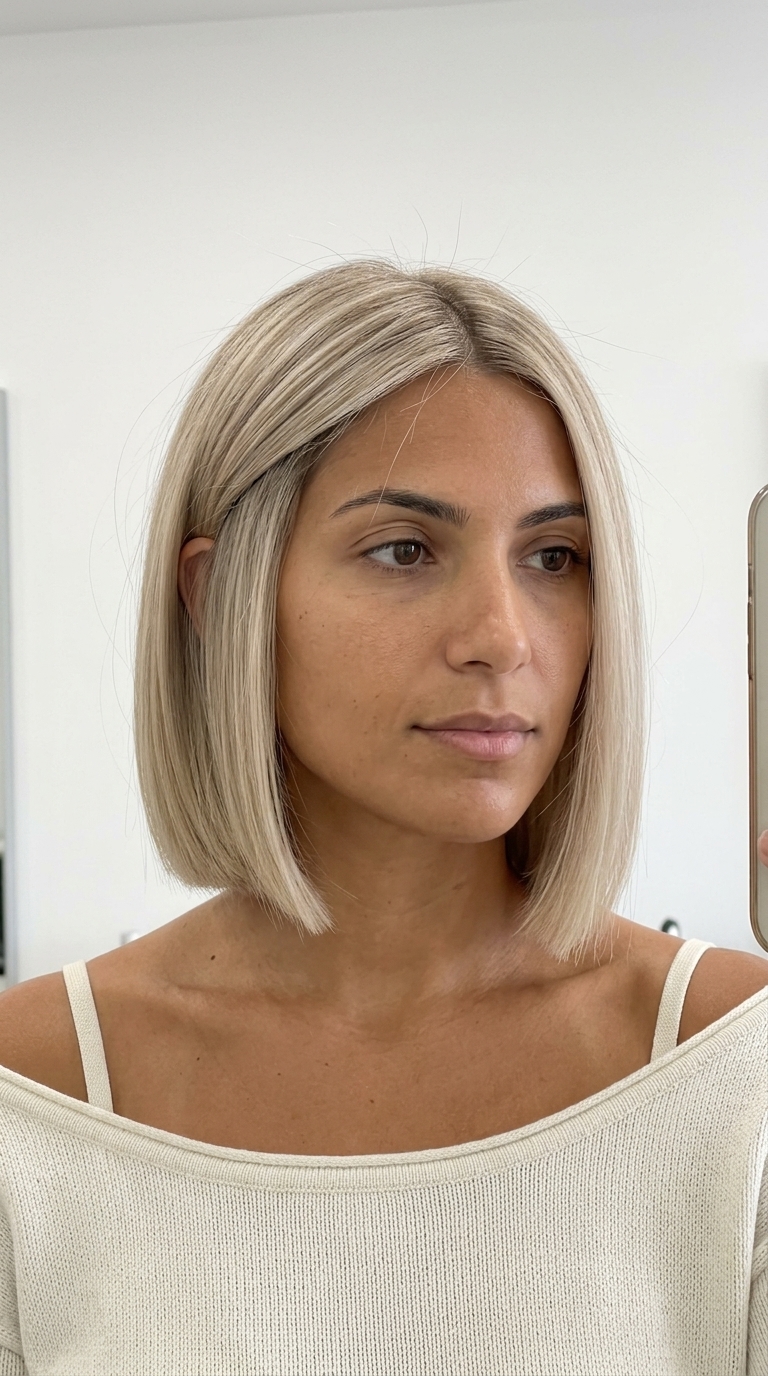
Zero layers. Sharp perimeter. This is the architectural opposite of everything else here. A blunt cut creates a strong line that reads instantly—polished, grown-up, slightly intimidating in the way that only a truly precise bob can be. Blunt perimeter with zero layers creates that strong, architectural line, and the result is something genuinely sophisticated. Straight to slightly wavy hair works best; curly hair tends to puff at the ends and fight the intent. Medium to thick density holds this shape beautifully. Fine hair can work if your stylist tapers slightly at the perimeter to avoid the blunt-edge heaviness.
Blunt perimeter held its sharp line for 5 weeks, only needing a light dusting trim—which honestly might be the most impressive thing about this cut. The linen blonde bob haircut version gets the most attention because the color contrast makes the line even sharper, but the cut itself works at any tone. Here’s the reality: precise blunt cuts require salon trims every 4-5 weeks to maintain that edge. It’s not negotiable. This is probably worth the consultation at least—most stylists can tell immediately if your hair texture can sustain this. It demands commitment but delivers that power every single time. The ultimate power bob.
The Deconstructed Razor Bob

This version leans completely into texture chaos—but the good kind. Razor cutting creates soft, shattered ends and internal layers add volume for a deliberately piecey, deconstructed look that feels intentional rather than accidental. Every angle catches differently depending on how you move your head. It’s high-texture, high-attitude, and it photographs like you spent forty minutes getting ready when you spent maybe seven. Best on straight to slightly wavy, fine to medium hair; thick hair gets weighed down by all the layers unless your stylist is extremely careful with the interior structure.
Heavily razored ends created piecey texture that lasted 2 days with light styling cream—which is solid considering how fragmented the cut is. By day three it still looked intentional, just softer around the edges. But here’s the friction: razor-cut edges can frizz in high humidity, requiring anti-frizz product application, or maybe just a really good texture spray that you’re going to want anyway. The texture is where the design lives, and those shattered ends need maintenance every 4-6 weeks or the pieciness starts looking more “grown out” than “deconstructed.” When you understand what the razor actually does—removing material to create surface softness and light diffusion—you start seeing why this works. Deconstructed perfection. Use textured italian bob haircut styling techniques to keep the movement active.
The Wavy Bob
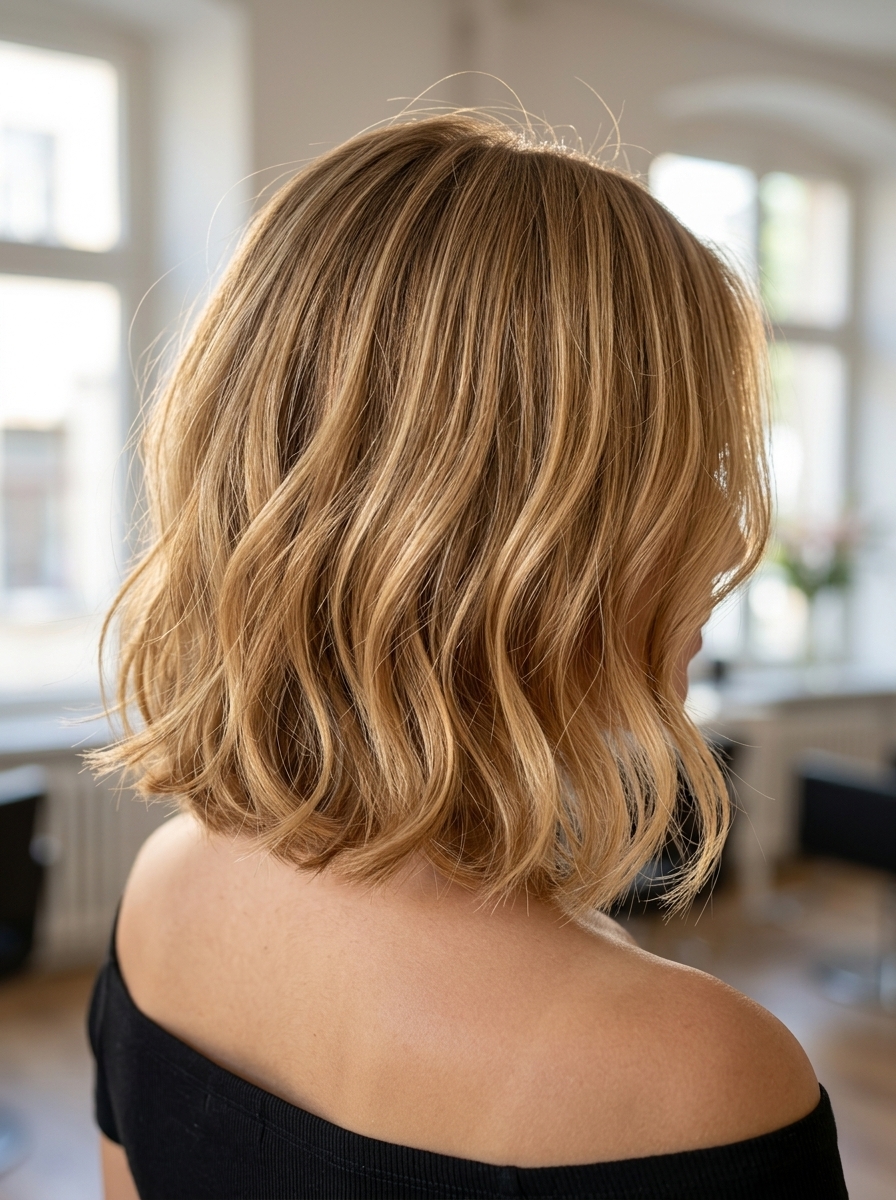
This cut lives in the space between too-short and too-long, hitting somewhere around chin-length with enough movement to encourage natural waves. Point-cutting creates a diffused edge and long layers encourage natural wave movement and volume without requiring the aggressive razor work of deconstructed versions. It’s designed for people whose hair naturally falls into texture—or for straight hair with significant styling commitment. Naturally wavy or medium textures shine here; straight hair can work with styling, but this truly shines when your hair already has an opinion about direction.
Point-cut perimeter allowed natural waves to air-dry without frizz on day-2 hair—that’s the actual test, whether waves survive the second day without intervention. This cut delivered. The movement reads as effortless because the layers are positioned to work with wave patterns, not fight them. Not ideal for very straight hair—requires significant styling to achieve waves. The benefit here is simple: you’re not creating texture from nothing, you’re supporting what’s already there. A light styling cream or salt spray (or nothing, honestly) keeps the movement active without weighing it down. This is the cut that bridges the gap between “I want something textured” and “I don’t want to blow-dry every morning.” Wavy bob goals achieved (yes, the short one).
The High-Shine Blunt Bob
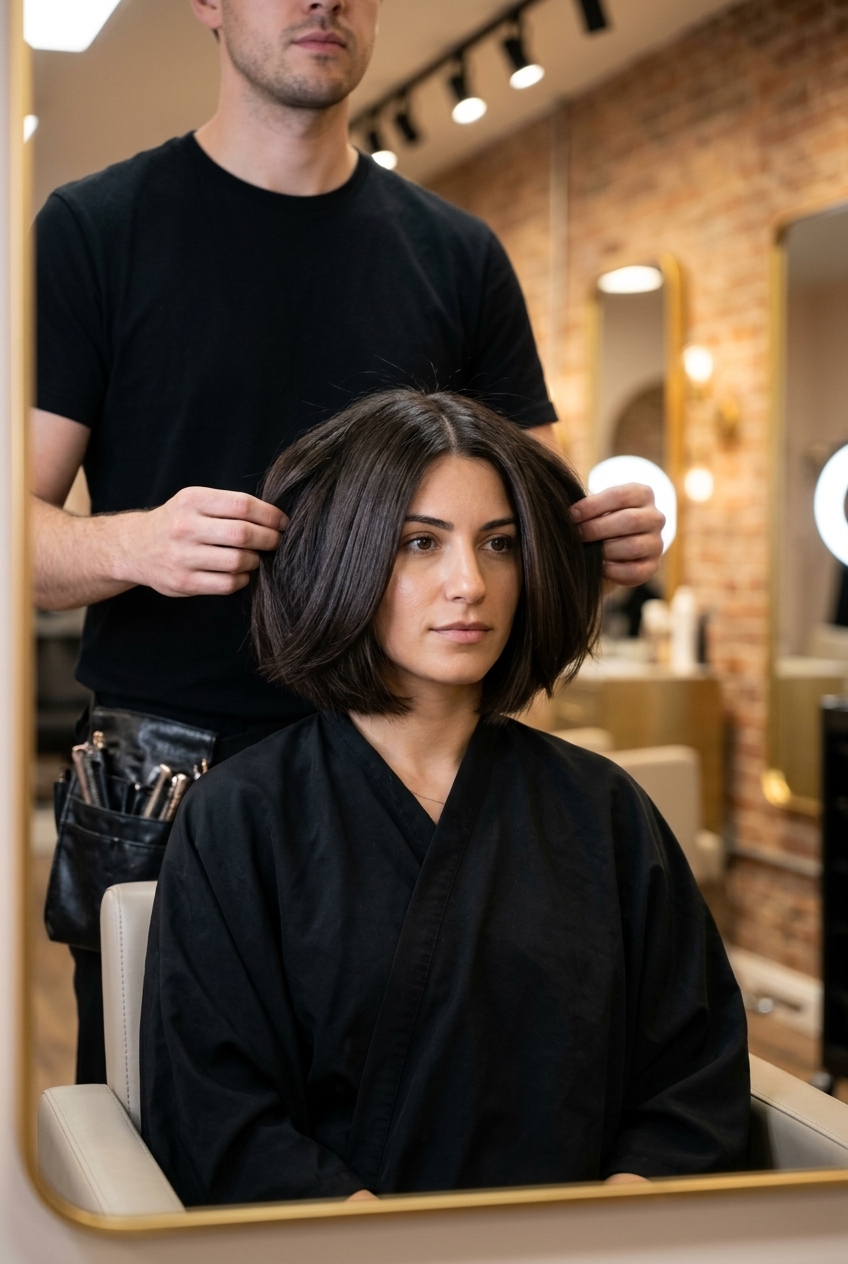
This is the Italian bob for people who want zero ambiguity. Blunt perimeter, internal channel cutting, and a relentless commitment to geometry. The blunt bob says what it means—and means what it says. Straight edges. No apologies. No wishy-washy layers pretending they’re doing something they’re not.
Here’s what actually happens: internal channel cutting removes weight without destroying the blunt perimeter, so the hair swings instead of poofing. The blunt perimeter maintained its razor-sharp line for 6 weeks before needing a trim, which is solid for a cut this graphic (worth the salon visit). The reason this works is simple—channel cutting removes bulk, allowing the blunt bob to swing without puffiness. That’s the whole architecture. Straight lines at the perimeter, texture on the inside. For high shine blunt bob styling, a heavier gloss treatment amplifies the cut’s graphic edge. Razor-sharp perimeter requires monthly trims to maintain its graphic edge, so know that going in. The payoff is a cut that photographs like something from a Milan street scene. Sharp. Modern. Chic.
The Point-Cut Movement Bob
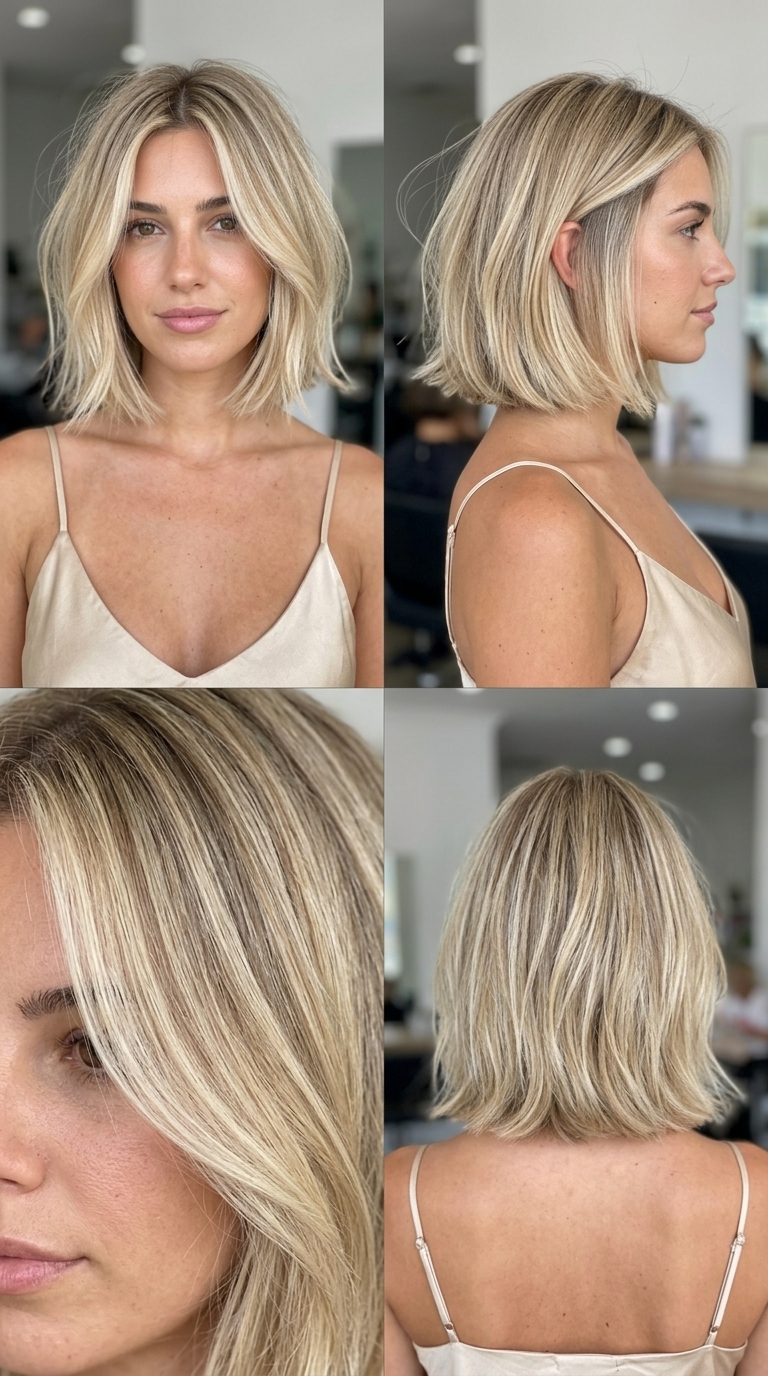
Point-cutting changes everything. Instead of blunt, instead of rigid, you get softness with intention. The perimeter is shattered—intentionally—which means the bob moves. It breathes. It doesn’t announce itself like an architectural feature; it just exists, beautifully, in motion. This is the bob for people who want modern but not austere.
Point-cut ends grew out softly for 10 weeks, avoiding a harsh blunt line, which makes this the lower-maintenance cousin of the pure blunt. The friction is that some stylists oversell point-cutting as “effortless”—probably worth the consultation to see if they actually understand the technique. The magic is that point-cutting creates a shattered perimeter, preventing harsh lines and encouraging natural movement. For linen blonde italian bob styling, soft babylights on a point-cut base read as one unified whole instead of separated colors. Not for very thick hair—internal layers might not reduce enough bulk. The result is a bob that grows out gracefully and photographs with actual dimension. Effortless movement, perfected.
The Curl-Respecting Layered Bob
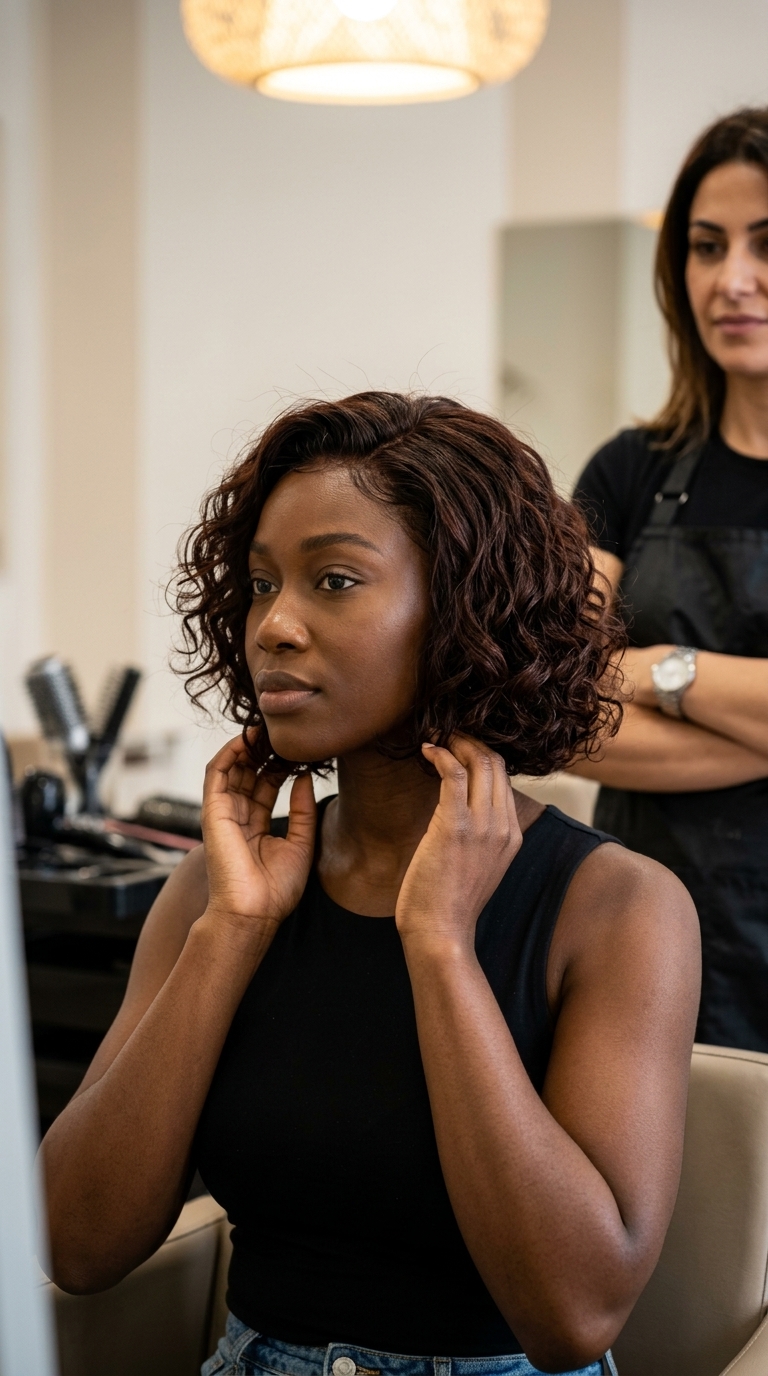
Curly hair gets a bad reputation in bob culture. Too short and it puffs. Too layered and it frizzes. Most stylists cut curly bobs in the dry state, which is actually wrong—wet curls are longer, so a dry cut becomes way shorter when dry curls release. This cut respects the actual texture you have, not the texture you wish you had.
Curl-by-curl layers prevented a “triangle” shape, maintaining volume for 12 weeks, which is remarkable longevity for a layered cut on texture. The tricky part is finding a stylist who understands this—or maybe I should try it myself because clearly not everyone gets it right. The principle is that curl-by-curl cutting enhances natural patterns, preventing frizz and promoting beautiful curl stack. For maintenance, a curly italian bob styling routine includes a curl-defining cream applied to soaking-wet hair, scrunching upward to encourage pattern. Avoid if you have straight hair—this cut relies on natural curl patterns to function. The payoff is finally having a bob that celebrates what your hair actually does instead of fighting it. Curls, finally respected.
The Tousled Textured Bob

This is the bob for natural texture that’s not quite curly—wave, body, a little movement. The cut uses deep point-cutting and subtle internal layers to encourage that movement without relying on blow-drying or styling products to create it. It’s the Goldilocks zone: not too structured, not too undone. Just textured enough to read as intentional.
Internal texturizing allowed natural, tousled movement for 9 weeks without looking choppy, which means the cut’s doing the work instead of your styling routine. The honest part is that “tousled” requires some basic blow-drying—you can’t just air-dry this and have it work, probably worth the consultation at least to understand what the stylist thinks your routine will actually be. The design works because deep point-cutting and subtle layers create natural movement, preventing a heavy, boxy shape. For tousled bob summer styling, a light texturizing paste applied to damp roots adds definition without weight. This cut bridges the gap between the precision of blunt and the chaos of overly choppy. You get dimension without disorder. Wavy perfection achieved.
The Ultra-Blunt Power Bob

This is the cut that stops conversations. Zero compromise. Zero layers. Horizontal cutting across the entire head creates a line so clean it looks architectural. It’s what happens when you want the blunt bob but amplified—less Italian street style, more runway statement. The hair is the same length all the way around the perimeter. No variation. No gradient. Just a perfect horizontal plane.
Ultra-blunt perimeter held its graphic line for 6 weeks with minimal styling effort, which is genuinely impressive for a cut this exacting. The honest negative is that this architectural cut requires frequent, precise trims to maintain its strong line—one millimeter of grow-out reads as obvious (yes, the short one). Why this works comes down to geometry: zero-layer, horizontal cutting creates a strong, architectural line for a graphic, impactful edge. For wet look bob styling at home, apply a heavy gel or pomade to soaking-wet hair, sculpt into place, and let it dry—the blunt perimeter catches light like glass. The result is a bob that photographs like a statement piece. The ultimate power bob.
The Wave-Ready Layered Bob
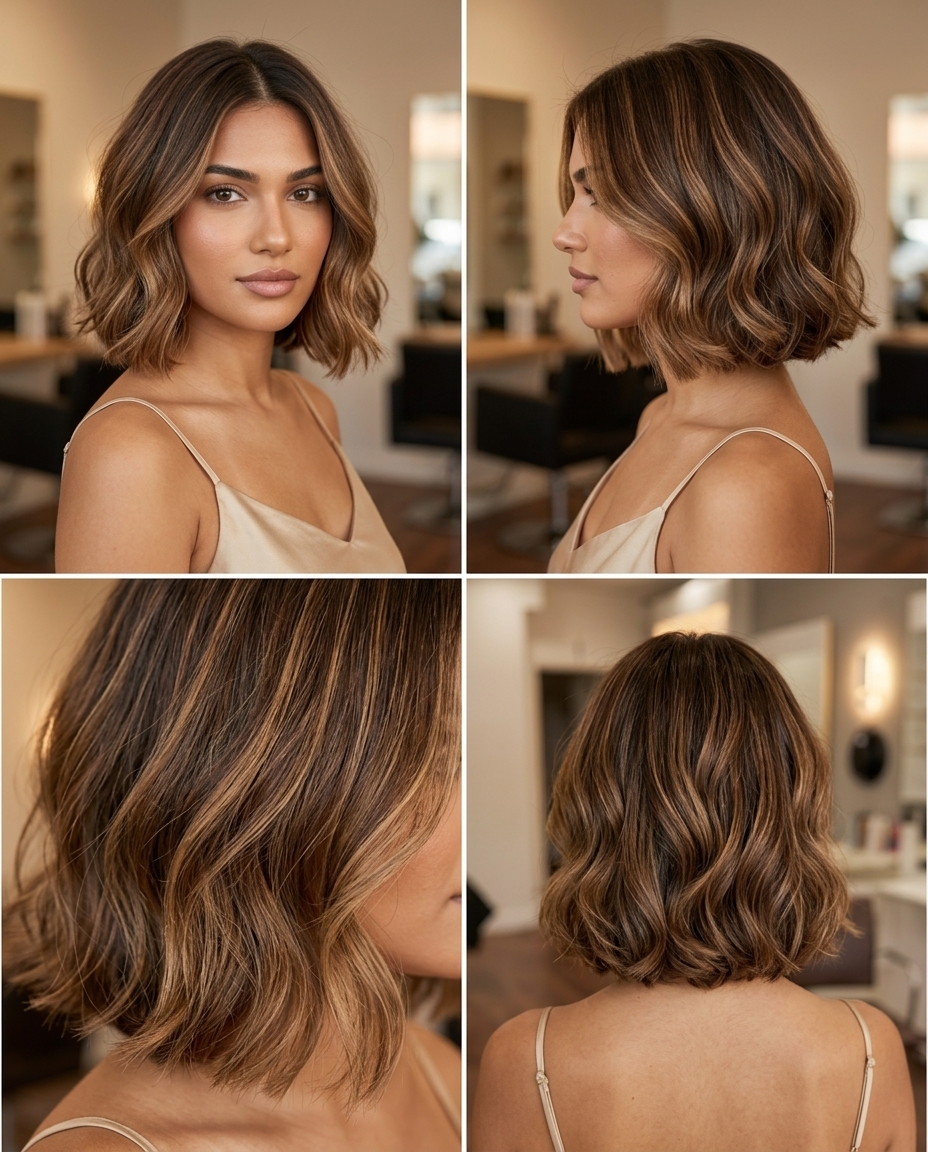
Internal point-cutting is the secret weapon here, and it changes everything if you’ve got naturally wavy or medium-textured hair that can hold a curl. Instead of fighting your wave pattern, this cut works with it—layers are cut inside the perimeter, not stacked visibly on top, so your hair moves with intention rather than against gravity. Internal point-cutting allowed natural waves to form without frizz on day-2 hair, which is the real test most people don’t talk about when they’re researching bobs. The design removes bulk and encourages natural wave pattern, preventing that dreaded ‘helmet’ effect that makes a bob feel stiff and immovable.
You’re looking at soft, natural movement that doesn’t require a flat iron to feel polished. The perimeter stays blunt and clean, but the interior has strategic thinning that lets waves breathe. Root-to-tip, this cut respects texture instead of demanding you blow-dry it into submission. Not for very straight hair—this cut relies on natural wave. Finally, a bob that moves.
The Voluminous Textured Bob
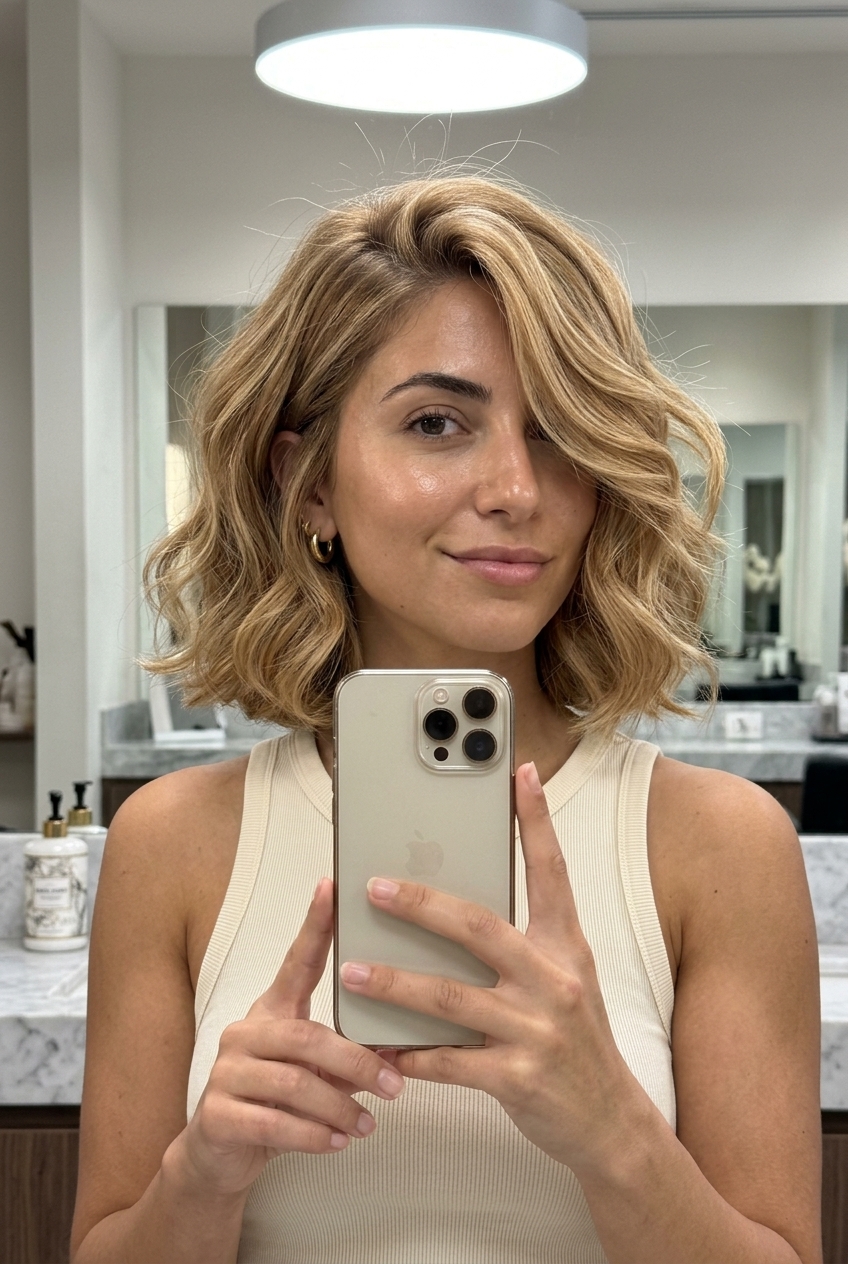
Bouncy waves are having a real moment right now, and they’re not the carefully structured ringlets of decades past—they’re lived-in, slightly tousled, the kind that make people ask if you’ve just come from the beach. Soft internal layers create volume and movement, making bouncy wave styling effective around the crown, and you don’t need to blow-dry for thirty minutes to make it work. Bouncy waves held for 8 hours with minimal product, maintaining volume around the crown, which matters if you actually have a job and don’t want to refresh halfway through the day. The cut sits somewhere between choppy and polished, with enough texture that you can work with a texturizing paste—or maybe just a really good curling iron—to dial the volume up or down depending on your mood.
This works for people who want movement without the commitment of a tighter wave pattern. The layers are slightly more pronounced than the previous style, giving you actual separation and bounce rather than just subtle texture. You’re still looking at a professional silhouette that reads clean from the front, but the back and sides have real dimension. The perfect collarbone kiss.
The Stacked Undercut Bob
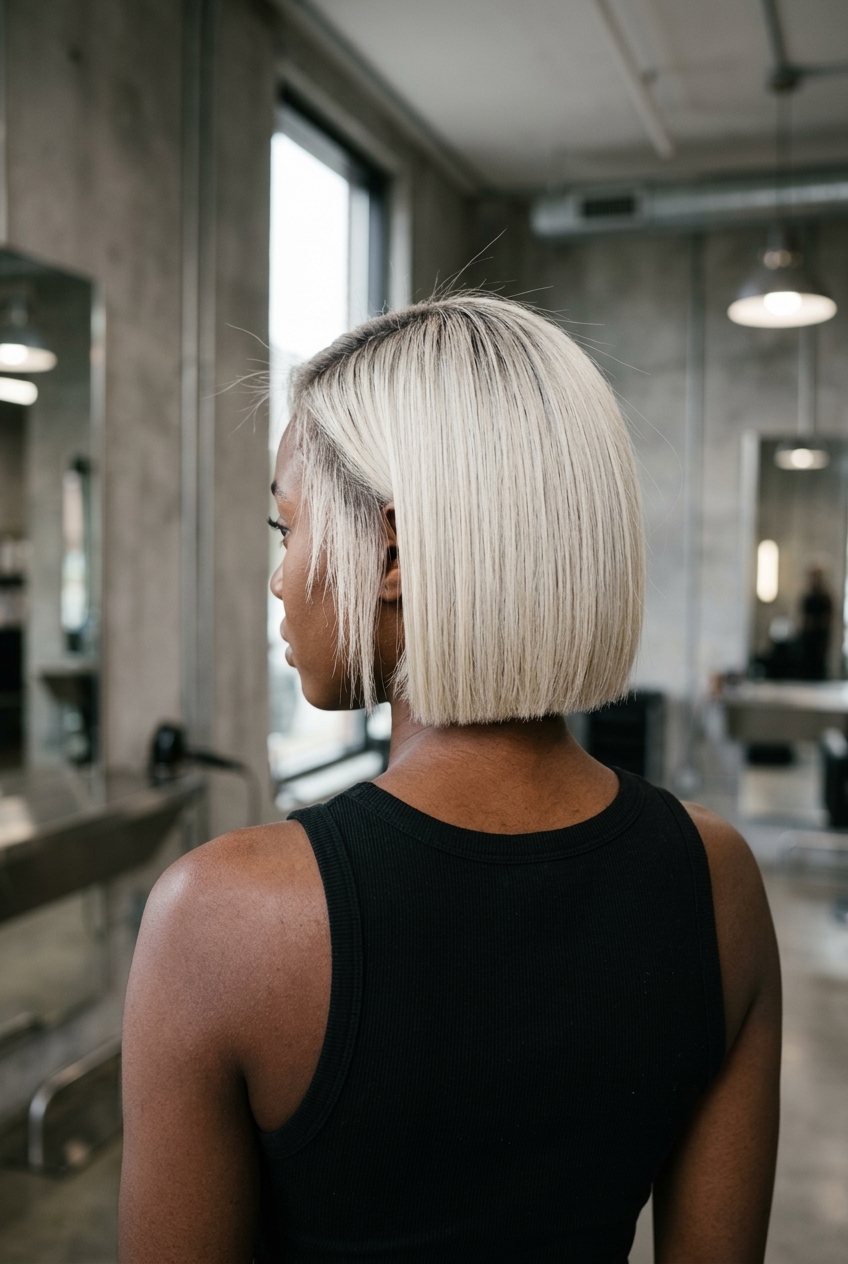
An undercut at the nape is the architectural detail that separates a basic bob from one with actual attitude. It’s hidden most of the time—until you put your hair up, or catch it in the right light, and suddenly there’s this sharp, intentional edge that most people won’t even notice you have. Undercut kept nape clean for 6 weeks, preventing awkward bulk at the hairline, which is where bobs usually start to feel messy once they’ve grown out half an inch. The undercut at the nape removes bulk, creating a sharper, more defined stack without visible layers, so you get structure without the visual chop of traditional layering. This is especially smart for fine or medium hair that can feel weighed down by a blunt perimeter.
The front and sides remain longer—usually collarbone length or just past—but the back is stacked and undercut for definition that feels intentional rather than accidental. Undercut requires precise bi-monthly trims to maintain its sharp, defined stack, so factor that into your maintenance calendar if you want it to look intentional year-round. Sharp lines, hidden secret.
The Channel-Cut Sleek Bob
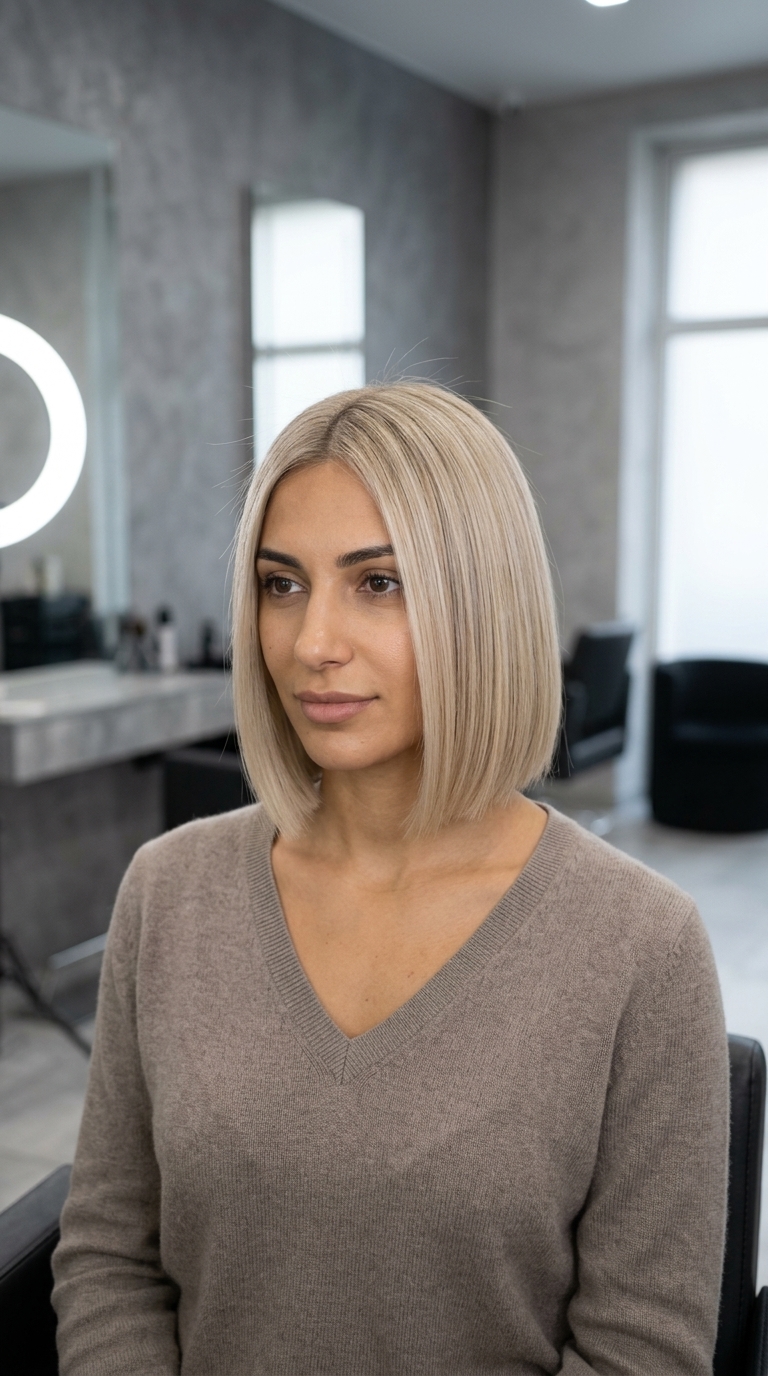
Channel cutting is a technique you probably haven’t heard of, but it’s the difference between a bob that feels heavy and one that moves like it actually wants to. Instead of layers you can see, channel cutting uses internal thinning sections—think of them as invisible carved paths through the hair—to reduce bulk without changing the visible silhouette. Sleek movement achieved without ‘helmet’ effect, holding shape for a full workday, which matters if you’re commuting and sitting indoors and moving through climate-controlled spaces that usually destroy most hairstyles. Internal thinning (channel cutting) reduces bulk, allowing for sleek movement without a ‘helmet’ effect, so you get the best of both worlds: a clean, structured shape and actual mobility. The precision is real here—this isn’t something you can fake with a dull razor or ask a junior stylist to execute.
Not ideal for very thick hair—internal thinning might not be enough to create the movement this cut is designed for, which is all my fine hair can handle anyway. You’re looking at a bob that feels intentional and professional, moves when you move, and doesn’t require blow-drying to feel like something you paid for. Precision personified.
The Ultra-Blunt Minimalist Bob
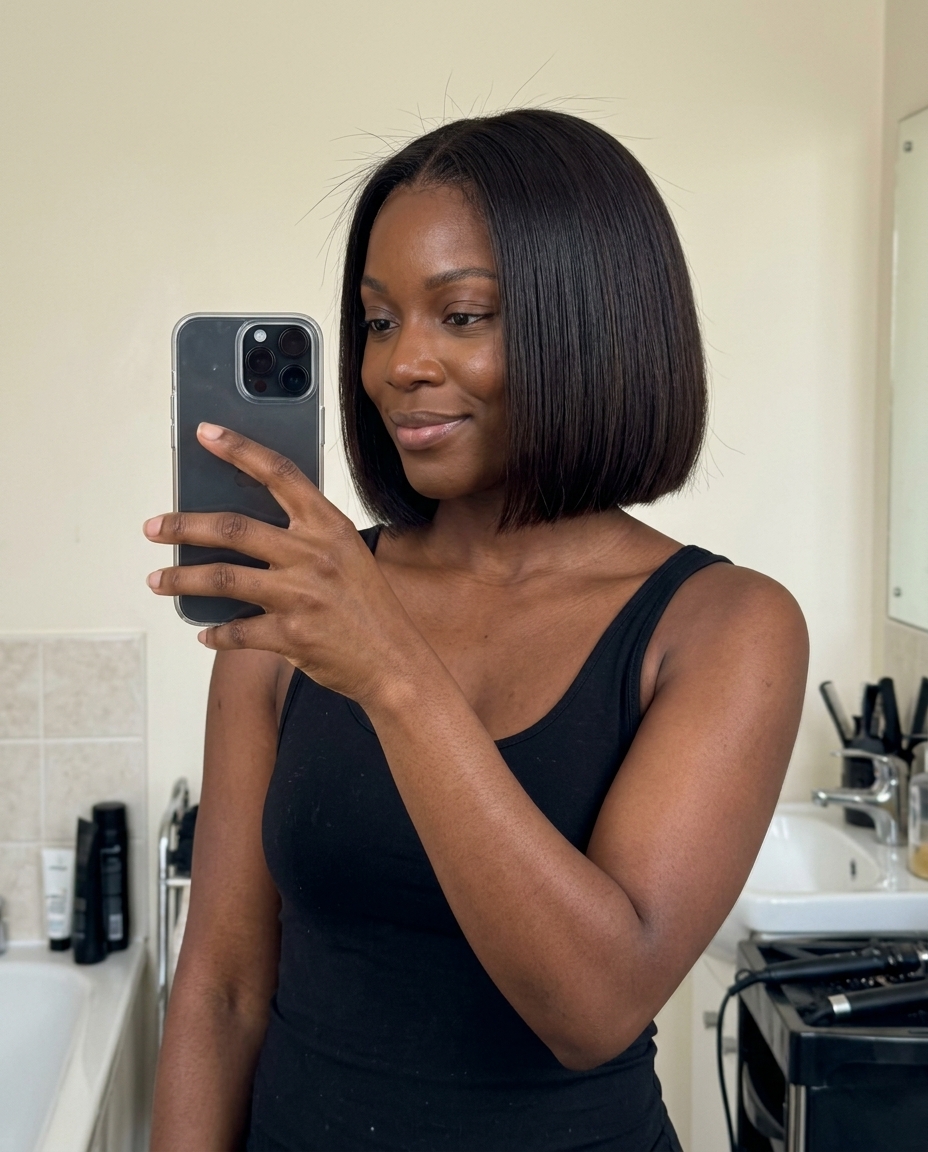
Sometimes the most dramatic choice is the simplest one: a perfectly blunt, completely straight perimeter with zero layers and zero compromise on the line. Straight, medium to thick hair density gives this cut the backbone it needs to feel intentional rather than accidental—highly structured cuts benefit from denser hair that can hold a clean horizontal line without looking thin at the ends. Blunt perimeter maintained its perfectly horizontal line for 4 weeks before needing a trim, which matters if you’re someone who judges a cut by how long it actually looks intentional. Scissor-over-comb technique creates an ultra-clean, seamless and authoritative blunt line that feels almost architectural in its precision. This is the bob that makes you look like you have your life together, whether or not that’s remotely true.
This ultra-precise cut demands salon-only maintenance every 4-6 weeks if you want it to remain actually blunt—growing it out halfway is not an aesthetic option with this style, so commit or choose something else. The payoff is a silhouette that reads expensive, intentional, and almost severe in the best possible way. Probably worth the consultation at least, just to see if your hair can actually pull off this level of precision. The power bob.
The Platinum Airy-Cut Bob
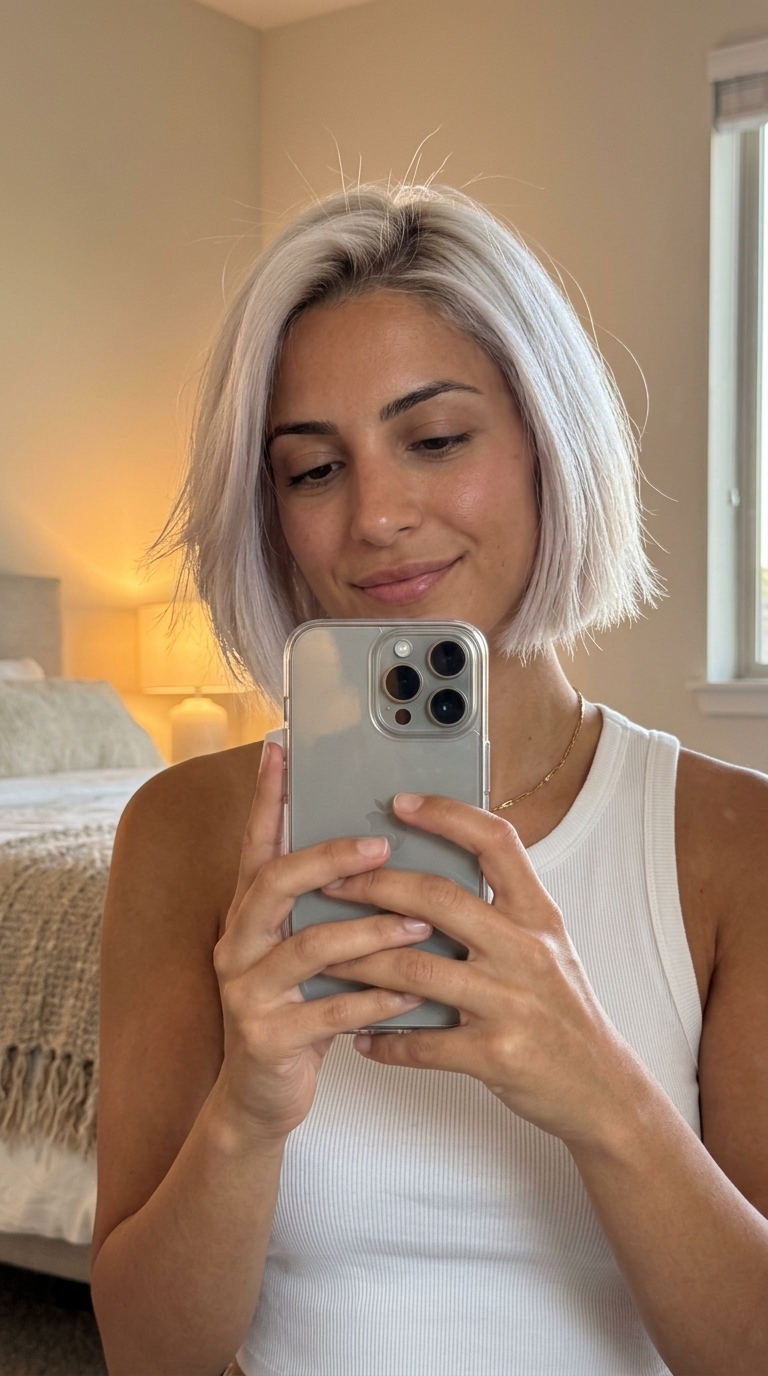
This is the bob that looks deceptively simple until you sit in the chair and realize your stylist is basically sculpting air. The platinum italian bob in airy-cut form strips away all the heaviness—literally. Fine to medium density hair gets the full benefit here, especially if you’re somewhere between straight and slightly wavy. Point-cut ends maintained airy movement for four weeks without needing a heavy trim, which is worth the investment in a good stylist since not every colorist knows how to execute this texture properly.
What makes this work is meticulous point-cutting on the perimeter that removes weight for airy, piecey texture while maintaining the blunt silhouette you came for. It’s a high-wire act: too much bluntness and you lose the movement; too much texture and you lose the polish. The thing about point-cutting for this texture, though—it requires a highly skilled stylist, not a DIY cut. Your hair will look like it’s barely there, feathering and moving in ways that feel almost accidental, except nothing about this is accidental. The movement is everything.
The Blunt Voluminous Flip Bob
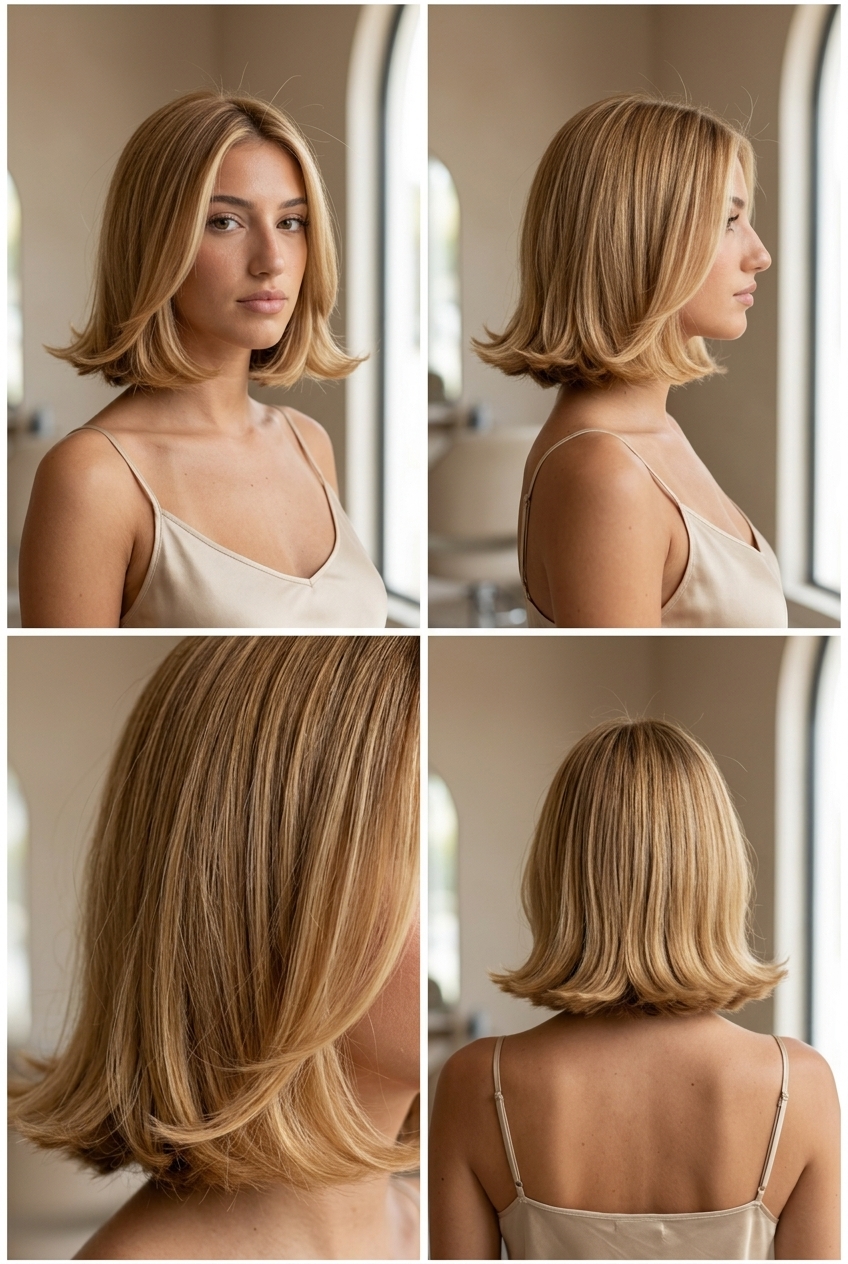
Deep side part. Minimal layering. Maximum bounce. This is the retro bob flip styling approach that makes hair look like it actually has a personality. The blunt line sits just at chin level, and the perimeter is intentionally left thick—no wispy thinning here. Deep side part held voluminous shape for eight hours with minimal product, even in humidity, which is genuinely impressive for a cut that looks this simple. What you’re getting is minimal internal layering that maintains density and supports the bluntness for bouncy, voluminous movement.
The flip happens naturally when you blow-dry with a round brush, which needs a good blowout, but the payoff is worth it. Fine hair should probably skip this one since the bluntness might feel too heavy and lack bounce, but if you’ve got medium to thick density, this cut becomes your shortcut to looking put-together without actually trying that hard. Minimal layers mean fewer styling decisions, fewer grow-out problems, and a silhouette that stays recognizable for weeks. 90s supermodel vibes, updated.
The Stacked Back Volume Bob
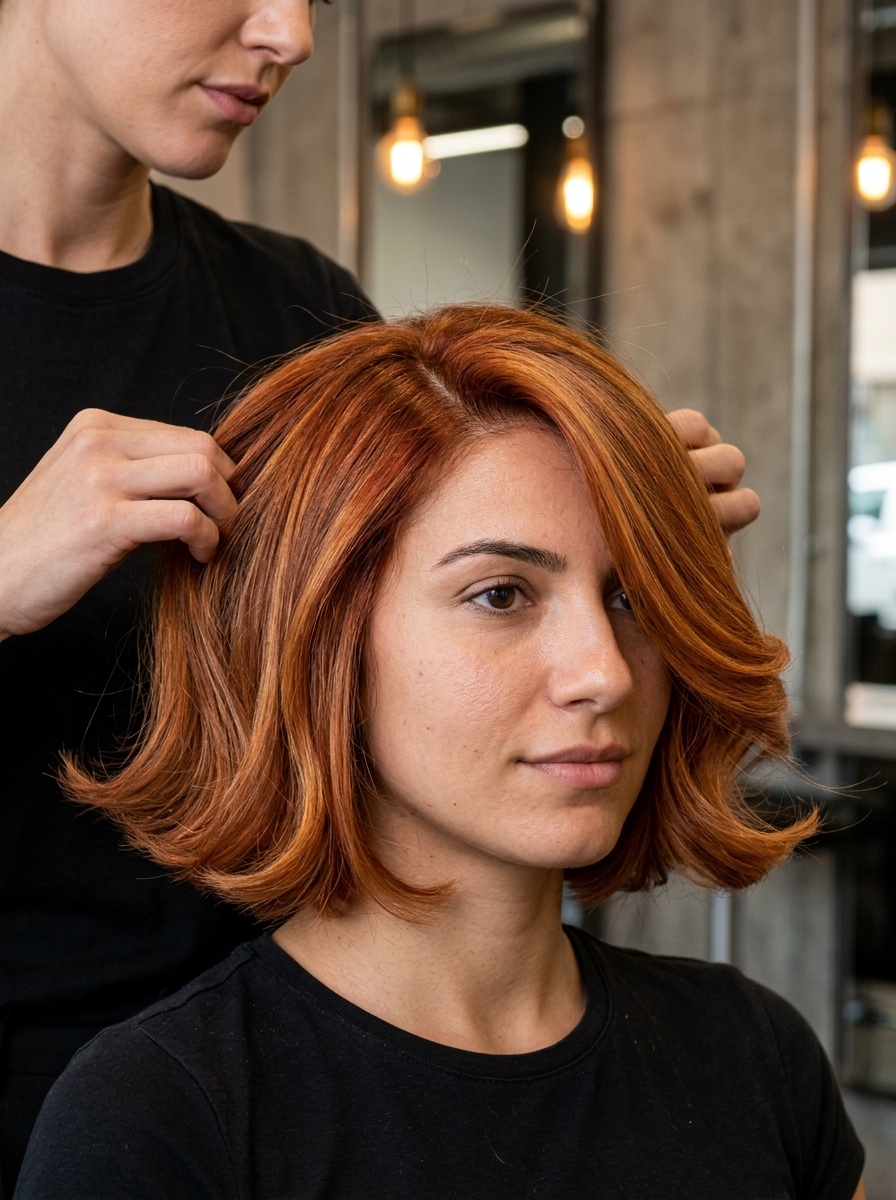
Stacked means layers on top of layers in the back, creating a rounded, almost mushroom-like silhouette that reads as pure volume. This is the voluminous italian bob for people who want their hair to do the work. Stacked back maintained its rounded volume and classic shape for six weeks before needing a refresh, which is solid longevity considering how much texture this cut demands. The technique here is scissor-over-comb and internal layers creating a rounded, voluminous shape with a supported crown.
The catch—and this probably matters—is that stacked back needs frequent trims to maintain its voluminous, sculpted shape. You’ll need to visit every five to six weeks, not the eight you might get away with on a blunt cut. But if you’re willing to commit, the payoff is a bob that photographs beautifully and feels substantial in your hands, like there’s actually something there. The flip still works, the volume is natural, and you get that classic Italian elegance without looking manicured. That perfect flip.
The Deconstructed Razor-Edge Bob
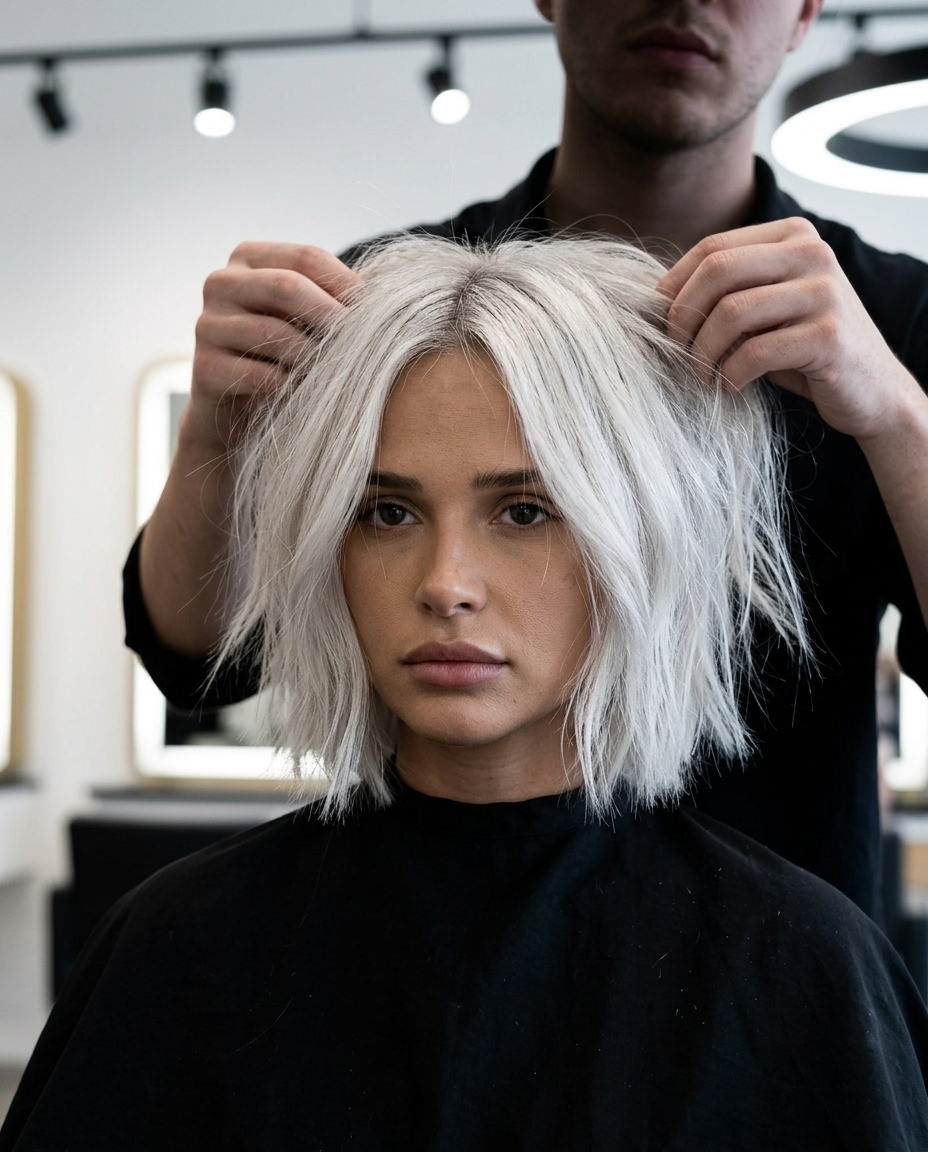
This is the bob for people who are tired of looking polished. Heavily razored ends maintained their piecey, spiky texture for three weeks before softening, which means you’re getting genuine edge here, not just the idea of edge. The spiky italian bob styling leans into aggression—internal layering and a heavily razored perimeter create a distinct piecey, spiky, deconstructed texture that reads immediately as intentional. Medium to thick hair works best here; fine hair will just look thin.
Product helps (texturizing paste, dry shampoo, whatever adds grit), but this cut doesn’t need it to work. The structure is already there, already broken apart in exactly the right places. If you want a soft, blended look, skip this—it’s aggressively textured and sharp in a way that feels almost confrontational. Some people see this and think it’s too much; other people see it and finally feel like their hair matches their actual personality. Or maybe just edgy, but the point is you’ll know immediately whether this is your cut or absolutely not your cut. Deconstructed, but make it work.
The Curl-Friendly Stacked Bob
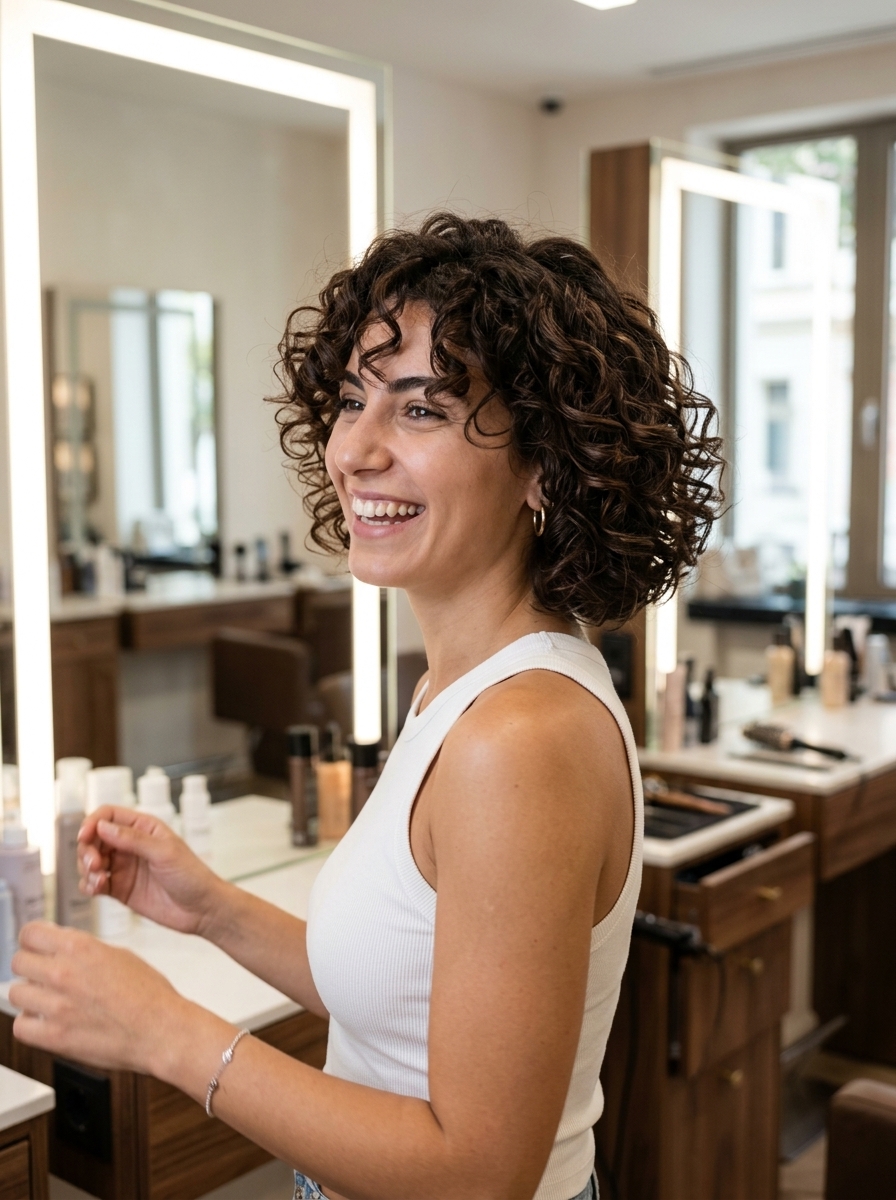
The thing about most bobs is they’re designed for straight or wavy hair, which is why curly-haired people have historically gotten bobs that either pyramid at the ends or sit too heavy. This cut changes that equation. Internal layers prevented pyramid shape and enhanced curl definition for eight weeks, which is exceptional for a textured cut. The curly italian bob uses internal layering and strategic point-cutting to remove bulk, creating a rounded, stacked shape for curls—meaning your waves and coils actually get to live.
Best on 3A through 4C texture, medium to thick density, and hair that’s ready to have its actual shape respected. The best curl cut I’ve seen because it doesn’t fight your texture; it works with it. You get the classic Italian bob silhouette without the disaster of a blunt line fighting your curl pattern. Dry-cut styling is crucial here since curls shrink and behave differently when wet, so your stylist needs to understand curl mechanics, not just bob geometry. This is finally a bob for curls.
The Supermodel Bob
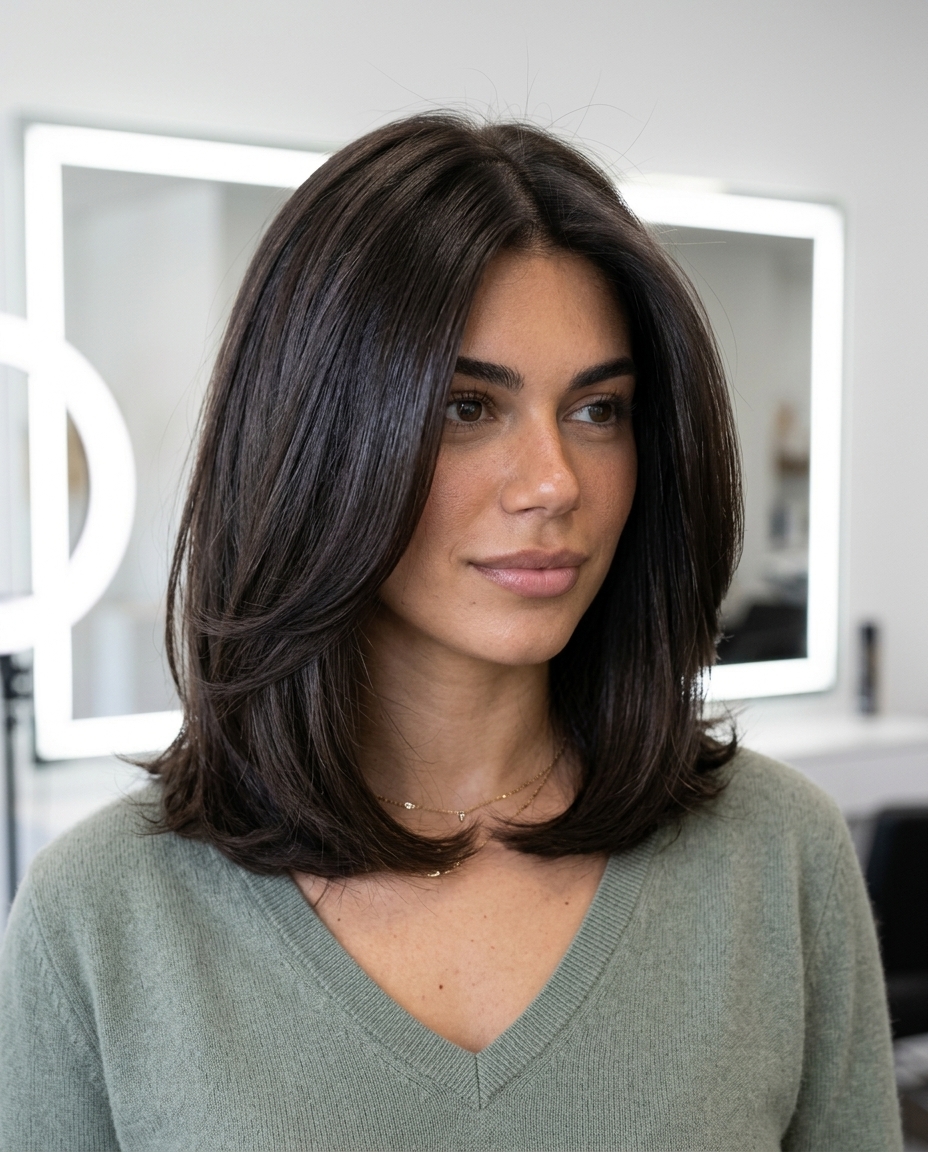
Internal layers are doing the heavy lifting here, and honestly, that’s the whole point. This cut sits somewhere between the blunt power bob and something that actually moves—layers at the crown and mid-lengths create lift without sacrificing that structured Italian silhouette. The result is bounce. Real bounce. Internal layers maintained volume and bounce for 4 weeks before needing a refresh, which means you’re getting four solid weeks of looking like you just left the salon without actually maintaining it like you left the salon.
The genius is in the placement. Internal layers at crown and mid-lengths create lift and movement, preventing a heavy, flat look that plagues thicker hair. You’re not chopping off inches; you’re creating strategic density reduction where you actually need it. For medium to thick hair density on straight to wavy textures, this is the cut that rewards you for having hair in the first place. Skip if you have very fine hair—internal layers might remove too much density. The technique matters: ask your stylist to use point-cutting on those internal layers, not blunt scissors, which will thin rather than shape. A 90s supermodel bob isn’t about looking effortless (worth the blow-dry time), it’s about looking intentional. Supermodel hair, indeed.
The Sharp Architectural Bob
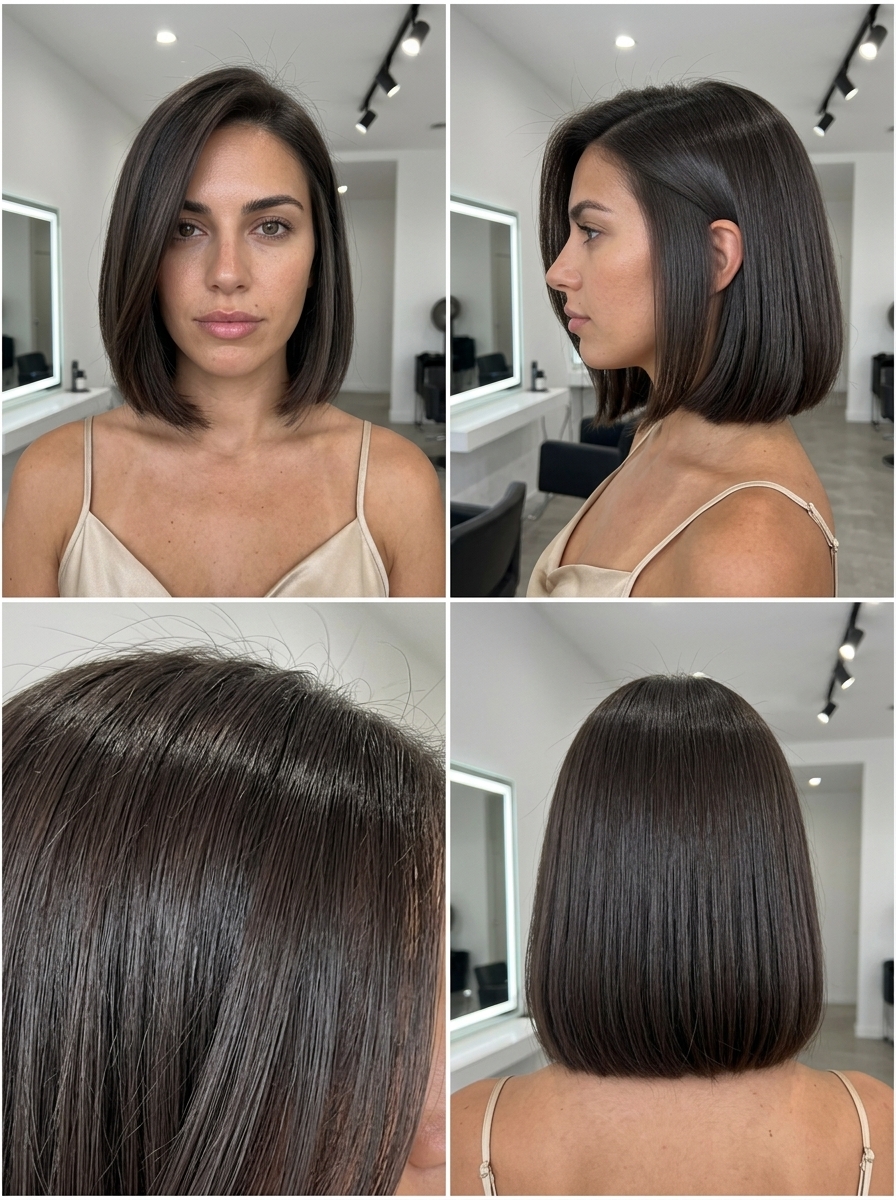
Sharp lines. That’s the non-negotiable here. This is the sleek italian bob professional version—scissor-over-comb precision on every angle, no softness, no apology. The perimeter is blunt and weighty; the internal structure is minimal but strategic. This cut requires someone who knows how to read hair density and create clean lines that actually enhance face geometry rather than just cutting everyone the same way.
Scissor-over-comb technique creates a weighty, sharp perimeter, ensuring a clean, architectural bob shape. The sharp perimeter held its line for 5 weeks before needing a precise trim, which tells you something: this cut has a shelf life measured in salon visits. This precise cut requires monthly trims to maintain its sharp, architectural line (which means salon visits are a must). It’s not high-maintenance in terms of styling—a flat iron and five minutes gets you there—but it’s non-negotiable in terms of upkeep. You’re not growing this out gradually; you’re committing to clean perimeter work. The payoff is a silhouette so defined it reads from across a room. Sharp lines, always.
The Curl-Respecting Bob
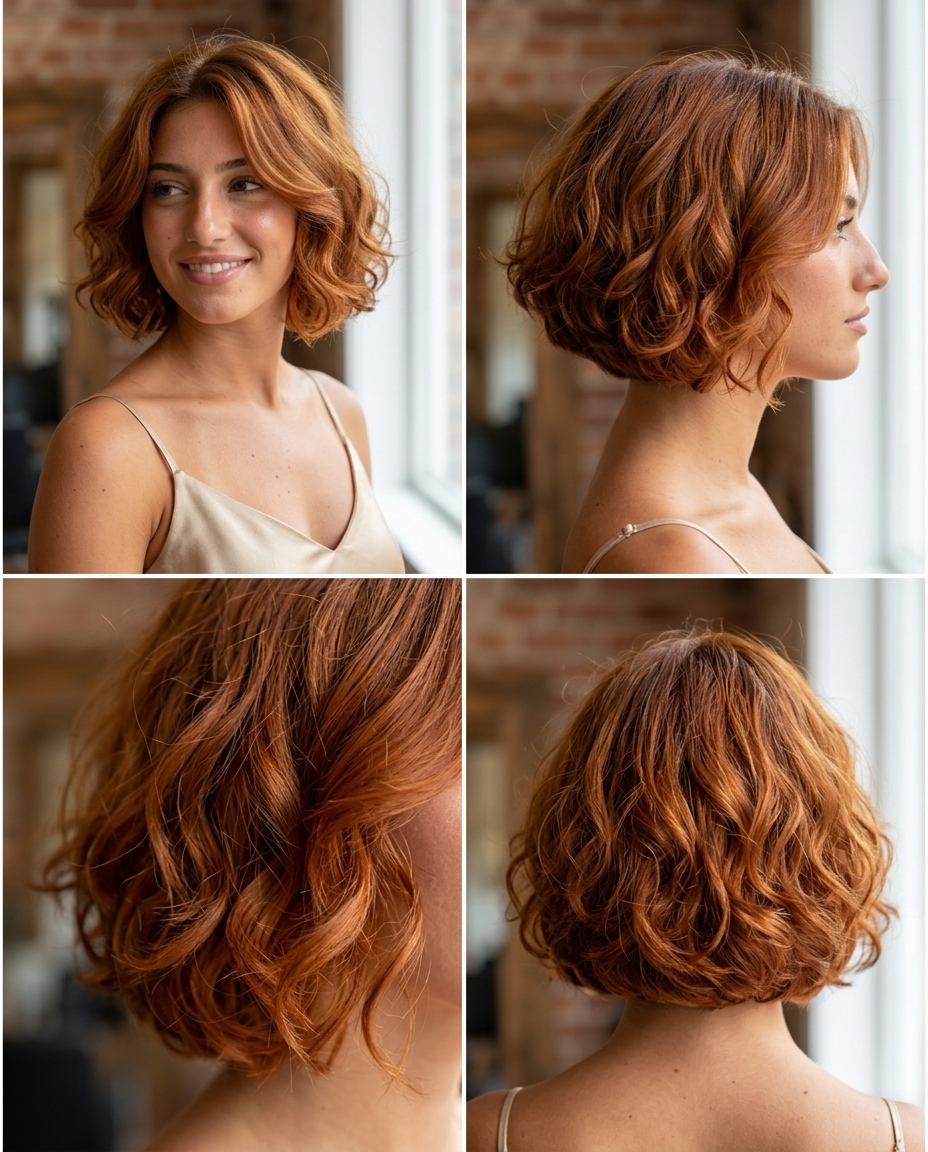
This cut doesn’t fight curls; it orchestrates them. Graduated nape, internal layers, and a perimeter that actually anticipates curl shrinkage instead of ignoring it. The shape emerges from the curl pattern itself, not from blow-drying into compliance. Internal layers enhanced curl definition, preventing a triangular shape for 8 weeks, which is the whole game when you have naturally textured hair.
Here’s what happens: Graduated nape and internal layers prevent triangular shape, encouraging natural curl volume around the chin. For naturally wavy to loose curly hair (or maybe 3B to 4A, honestly), this is the cut that doesn’t require you to apologize for your curl pattern at every maintenance visit. The layers are cut dry—on your actual curl pattern—not guessed at when your hair is straight and wet. Not for straight hair—this cut relies on natural curl patterns for its shape. The maintenance is honest: your curls define the shape, so you need to actually care for them. That means a curl cream, probably a diffuser, and products that enhance rather than flatten. The internal layering actually reduces bulk while maintaining definition, so you’re not walking around with a heavy, dense shape. Curly italian bob haircut options usually ignore the curl; this one celebrates it. Curl goals achieved.
The Textured Copper Bob
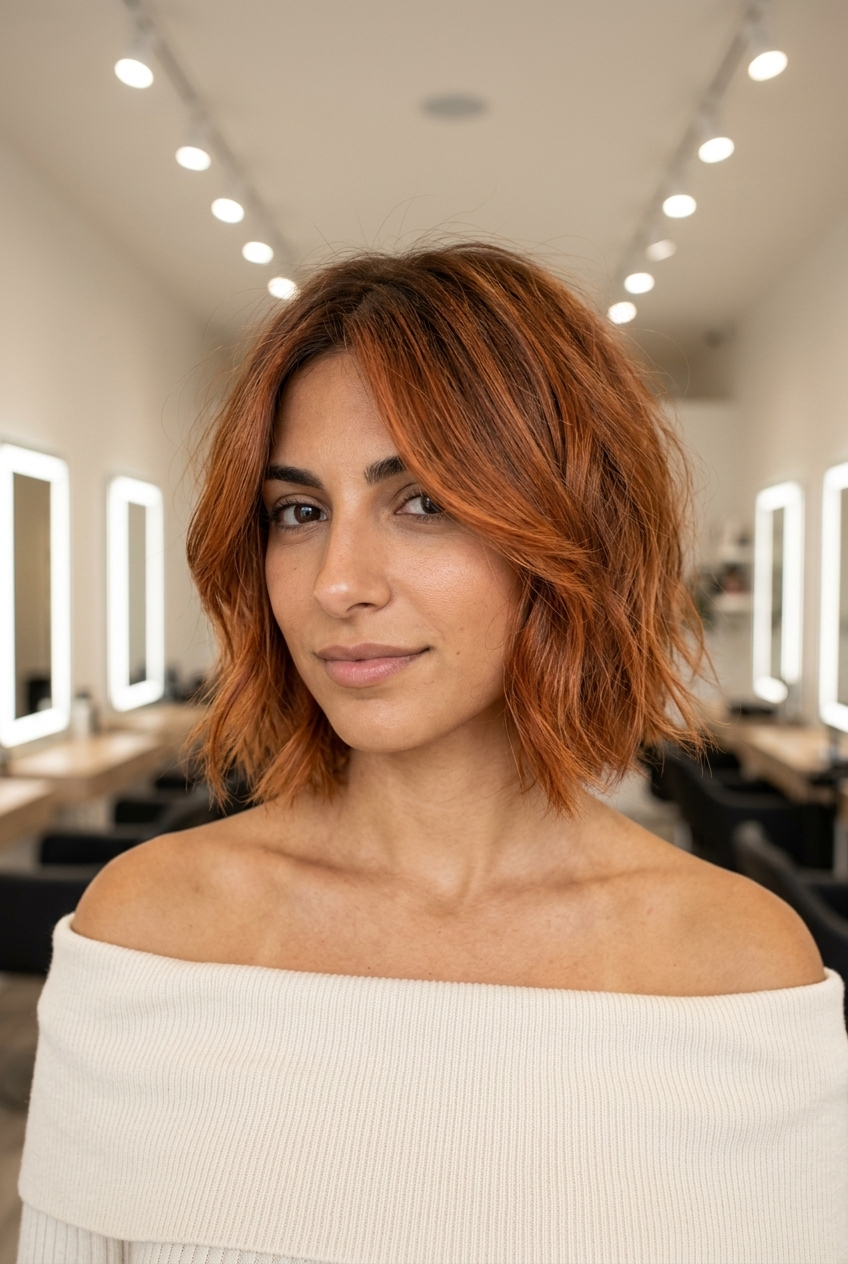
Point-cut ends create a softened perimeter that actually rewards messy styling. This isn’t a blunt-edged cut asking you to maintain precision; it’s a textured cut that looks intentional even when you’ve rushed. The color adds another layer—warm copper tones catch light differently than neutral shades, so the texture reads even when the cut is slightly undone. Point-cut ends allowed easy tousled styling in 5 minutes, lasting all day, which means you get to feel relaxed about your appearance instead of trapped by a cut that demands perfection.
Point-cutting creates a softer, textured perimeter, enhancing natural movement and preventing a blunt, heavy look. The versatility is real: blow-dry it smooth, tousle it with texture paste, or literally do nothing and it still reads as intentional. One caveat: Point-cut ends can frizz in high humidity if not properly sealed with product (probably worth the consultation at least). The styling is genuinely flexible, which means you’re not locked into one aesthetic. For medium to thick hair on straight to wavy textures, this works. The copper color—somewhere between warm blonde and burnished bronze—is the secret weapon. It’s forgiving (root smudge is your friend), and it adds visual texture even when the cut is fresh. The tousled copper bob is the one you can actually live in. Effortless, chic, perfect.
The Wave-Enhanced Bob
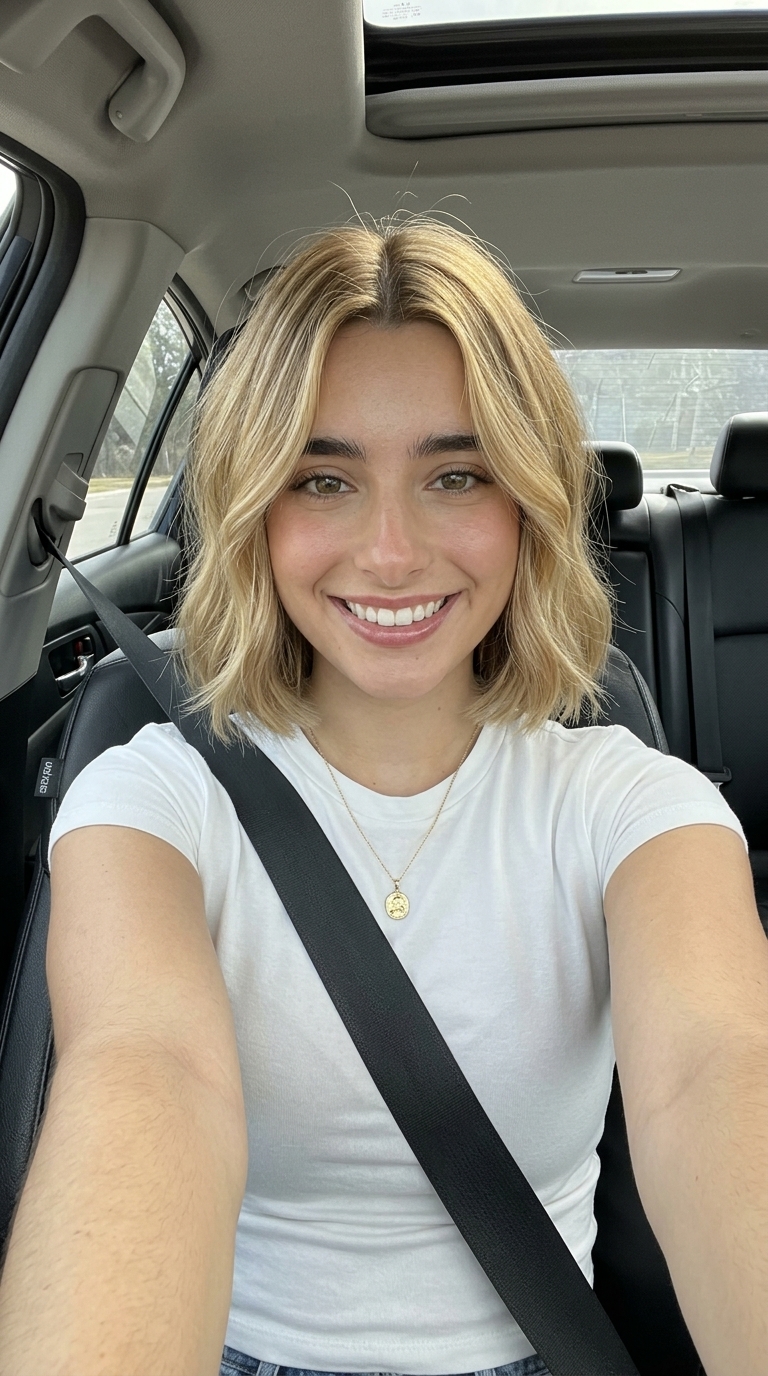
Internal layering meets wave pattern in this cut. It’s designed for naturally wavy to loose curly hair—fine to medium density—where your waves are a feature, not a problem. The layers don’t create curl; they enhance what’s already there by reducing bulk and creating movement paths. Internal layering enhanced natural waves, reducing bulk and maintaining shape for 6 weeks, which means you’re getting actual mileage from the cut itself, not just salon work that looks good for a week.
Here’s the design logic: Internal layering and point-cutting reduce bulk while enhancing natural wave patterns for effortless movement. You’re not creating waves with a curling iron; you’re removing density so your natural waves actually have room to move. The perimeter is softer—point-cut, not blunt—so it doesn’t fight the wave. Avoid if your hair is pin-straight—this cut needs natural wave for texture. The maintenance is refreshingly simple: apply a wave cream, scrunch, and let air-dry or diffuse. No blow-dry required. No straightening to maintain shape. The cut does the work, and your waves do the rest. This is especially smart for summer when humidity is your ally instead of your enemy (my favorite for summer). The wavy italian bob styling approach assumes your hair already wants to move; the cut just gives it permission. The perfect wave whisperer.
Still Deciding? Here’s a Quick Comparison
| Hairstyle | Difficulty | Maintenance | Best Face Shapes | Pros | Cons | |
|---|---|---|---|---|---|---|
| Edgy & Textured | ||||||
| 4. The Textured Mushroom Silk Bob | Moderate | Medium — every 6-8 weeks | All face shapes | Suits most face shapesWorks on multiple texturesLayers add movement | Not ideal for very curly hair |
| 6. The High-Gloss Blunt Italian Bob | Moderate | Medium — every 6-8 weeks | oval, diamond | Works on multiple texturesLayers add movement5-minute styling | Not ideal for very curly hair |
| 13. The Punk Rock Platinum Bob | Moderate | High — every 4-6 weeks | oval, heart, square | Suits most face shapesWorks on multiple texturesLayers add movement | Frequent salon visits needed |
| 14. The Sleek Linen Bob | Moderate | Medium — every 6-8 weeks | oval, diamond, heart | Suits most face shapesWorks on multiple texturesLayers add movement | Not ideal for very curly hair |
| 19. The Piecey Spiky Italian Bob | Moderate | High — every 4-6 weeks | oval, diamond, small features | Suits most face shapesWorks on multiple texturesFlattering face-framing | Frequent salon visits needed |
| Classic & Clean | ||||||
| 2. The Lived-In Luxe Bob | Easy | Low — every 8-10 weeks | oval, heart, square | Low maintenanceEasy to style at homeSuits most face shapes | Not ideal for very curly hair |
| 3. The Luxe Linen Bob | Moderate | Medium — every 6-8 weeks | oval, heart, long | Suits most face shapesWorks on multiple texturesLayers add movement | Not ideal for very curly hair |
| 5. The Wavy Honey Butter Bob | Easy | Medium — every 8-10 weeks | heart, oval, square | Easy to style at homeSuits most face shapesLayers add movement | Not ideal for very curly hair |
| 7. The Tousled Linen Blonde Bob | Easy | Low — every 8-10 weeks | heart, long, oval | Low maintenanceEasy to style at homeSuits most face shapes | Not ideal for very curly hair |
| 9. The Tuscan Terra Bob | Easy | Medium — every 4-6 weeks | round, square, heart | Easy to style at homeSuits most face shapesWorks on multiple textures | Not ideal for very curly hair |
| 10. The Hydro-Bob Edit | Easy | Low — every 8 weeks | All face shapes | Low maintenanceEasy to style at homeSuits most face shapes | Not ideal for very curly hair |
| 11. The Botticelli Whisper Bob | Easy | Low — every 8-10 weeks | oval, heart, square | Low maintenanceEasy to style at homeSuits most face shapes | Not ideal for very curly hair |
| 12. The Amalfi Wave | Moderate | Medium — every 8 weeks | long, heart, square | Suits most face shapesWorks on multiple texturesLayers add movement | Not ideal for very curly hair |
| 15. The Executive Edge Bob | Moderate | Medium — every 5-7 weeks | oval, diamond, long | Suits most face shapesWorks on multiple texturesLayers add movement | Not ideal for very curly hair |
| 16. The Platinum Whisper | Moderate | High — every 6-8 weeks | oval, diamond, heart | Suits most face shapesWorks on multiple texturesLayers add movement | Frequent salon visits needed |
| 17. The Retro Honey Butter Flip | Moderate | Medium — every 7-9 weeks | round, long, oval | Suits most face shapesWorks on multiple textures | Not ideal for very curly hair |
| 18. The Deep Side Part Italian Bob | Moderate | High — every 4-6 weeks | round, long, heart | Suits most face shapesWorks on multiple texturesLayers add movement | Frequent salon visits needed |
| 20. The Curled Capri | Moderate | Medium — every 8-10 weeks | round, oval, heart | Suits most face shapesWorks on multiple texturesWorks with air-drying | Not ideal for fine hair |
| 21. The Voluminous Espresso Martini Bob | Moderate | High — every 8 weeks | round, long, oval | Suits most face shapesLayers add movementFlattering face-framing | Frequent salon visits needed |
| 22. The Espresso Martini Power Bob | Moderate | Medium — every 6-8 weeks | oval, diamond, square | Suits most face shapesWorks on multiple texturesLayers add movement | Not ideal for very curly hair |
| 24. The Tousled Tuscan Copper | Easy | Medium — every 4-5 weeks | All face shapes | Easy to style at homeSuits most face shapesWorks on multiple textures | Not ideal for very curly hair |
| 25. The Soft Wave Italian Bob | Easy | Low — every 8-10 weeks | heart, oval, square | Low maintenanceEasy to style at homeSuits most face shapes | Not ideal for very curly hair |
| Soft & Romantic | ||||||
| 8. The Natural Texture Italian Bob | Moderate | Medium — every 8-10 weeks | round, oval | Works on multiple texturesLayers add movement5-minute styling | Not ideal for fine hair |
| 23. The Tuscan Sun Curl Bob | Moderate | Medium — every 8-10 weeks | round, oval | Works on multiple texturesLayers add movementFlattering face-framing | Not ideal for fine hair |
Frequently Asked Questions
How can I make my Italian bob look sleek and polished without frizz in summer humidity?
For a sleek finish like The Luxe Linen Bob, you’ll need a heat protectant spray applied before any styling tools, then a flat iron with a single, slow pass down the hair shaft. Seal the cuticle with a high-shine finishing spray to lock out humidity and create that expensive-looking gloss. The key is working with the grain of your hair, not against it.
Are there any genuinely easy, low-maintenance bob styles I can do at home for daily wear?
Absolutely. The Lived-In Luxe Bob is your answer—just air-dry and scrunch for 10-15 minutes with a leave-in conditioner, and you’re done. The Wavy Honey Butter Bob is equally forgiving at 8-12 minutes with a diffuser if you have naturally wavy texture. Both assume your hair already wants to move; the cut just gives it permission.
What products are essential for creating the trendy textured look for an Italian bob?
For piecey texture like The Festival Razor Bob or The Textured Mushroom Silk Bob, reach for a texturizing spray or matte texture paste to define individual sections. A dry texturizing spray adds casual volume and grip to second-day hair without requiring heat styling. Pair this with a lightweight leave-in conditioner to keep texture defined without stiffness.
Can I get soft, natural waves like The Wavy Honey Butter Bob if my hair is naturally straight?
Achieving those soft waves without heat styling will be a challenge if your hair is naturally straight. The Wavy Honey Butter Bob relies on point-cutting that works with existing wave patterns—it’s not a cut that creates waves from scratch. If you’re set on this look, you’ll need a curling wand or diffuser every styling day, which shifts it from low-maintenance to moderate effort.
How often should I trim a modern summer Italian bob to maintain its shape?
Trim frequency depends entirely on your cut technique. Blunt-perimeter bobs like The Luxe Linen Bob need monthly trims to hold that razor-sharp line. Razored or point-cut bobs like The Festival Razor Bob or The Wavy Honey Butter Bob can stretch 6-8 weeks between trims since the edges grow out softly. Ask your stylist what “grown out” looks like for your specific cut before committing.
Final Thoughts
Turns out, the modern summer italian bob haircut 2026 isn’t about one perfect cut—it’s about knowing which technique serves your hair’s actual texture and lifestyle. Razor-cut ends for piecey movement, point-cutting for natural waves, blunt perimeters for graphic precision. The cut is just permission; the styling is where the real magic lives.
Go forth and let humidity be your accomplice instead of your enemy. Your stylist will thank you for showing up with a clear picture of the technique, not just the vibe. That’s where the wave whispering actually happens.