Sabrina Carpenter’s honey-toned ‘Espresso’ brunette at Coachella, Hailey Bieber’s chocolate-syrup bob at the Rhode launch, and now every salon chair seems to have someone asking for the same thing: a brunette that actually glows instead of just sitting there looking flat. The shift from matte mushroom to high-gloss hydration is real, and it’s not subtle. We’re talking Melted Pecan, Black Cherry Brunette, Butterscotch Brown—colors that catch the light like they’re wet, dimensional, and somehow expensive-looking even if you’re not dropping four figures on it.
The good news: summer brunette hair color 2026 isn’t one thing. It’s a whole spectrum—from the cool, ashy Raw Cacao that pairs with white and grey, to the multi-dimensional Honey Toffee with hand-painted balayage swirls, to anything with enough golden undertones to make you look like you just got back from somewhere warm. These shades work on olive skin, tan skin, cool skin, warm skin. The Italian Bob, Butterfly Layers, even Birkin Bangs—they’re all getting this treatment, and the real move is pairing the right color with the right cut so neither one looks like it’s trying too hard.
I went full Butterscotch Brown last summer thinking I’d hate the maintenance, and instead I became that person who actually uses Amika Bust Your Brass without resenting it. Turns out when the color actually reflects light instead of absorbing it, you don’t mind the upkeep as much.
Sandy Beige Balayage Brunette

The hand-painted technique behind sandy beige balayage brunette is what makes this look last through summer. Instead of chunky highlights that demand touch-ups every six weeks, balayage grows out seamlessly for three months without harsh lines or needing a maintenance appointment—I’ve watched this happen on friends with dark bases, and it’s genuinely the least demanding highlight technique if you can afford the initial investment. The placement matters: face-framing pieces, mid-length dimension, and darker roots create that sun-kissed illusion without looking like you bleached your way there.
Hand-painted balayage creates natural, sun-kissed highlights that grow out softly without harsh lines. The technique blends lighter tones into your base color, so when growth happens, there’s no visible demarcation line screaming “time for a retouch.” Achieving this lightness on dark hair often requires two to three sessions, not one—that’s the reality most stylists gloss over when showing you the Instagram version. The investment stings, but the seamless grow-out means you’re not back in the chair every month. Best on wavy or straight hair, as the texture enhances the painted effect, and honestly, my go-to for summer, this look delivers the kind of low-maintenance luxury that makes you feel like you’re always fresh from the salon. Effortless, sun-kissed perfection.
Espresso Hair Color Cool Undertones
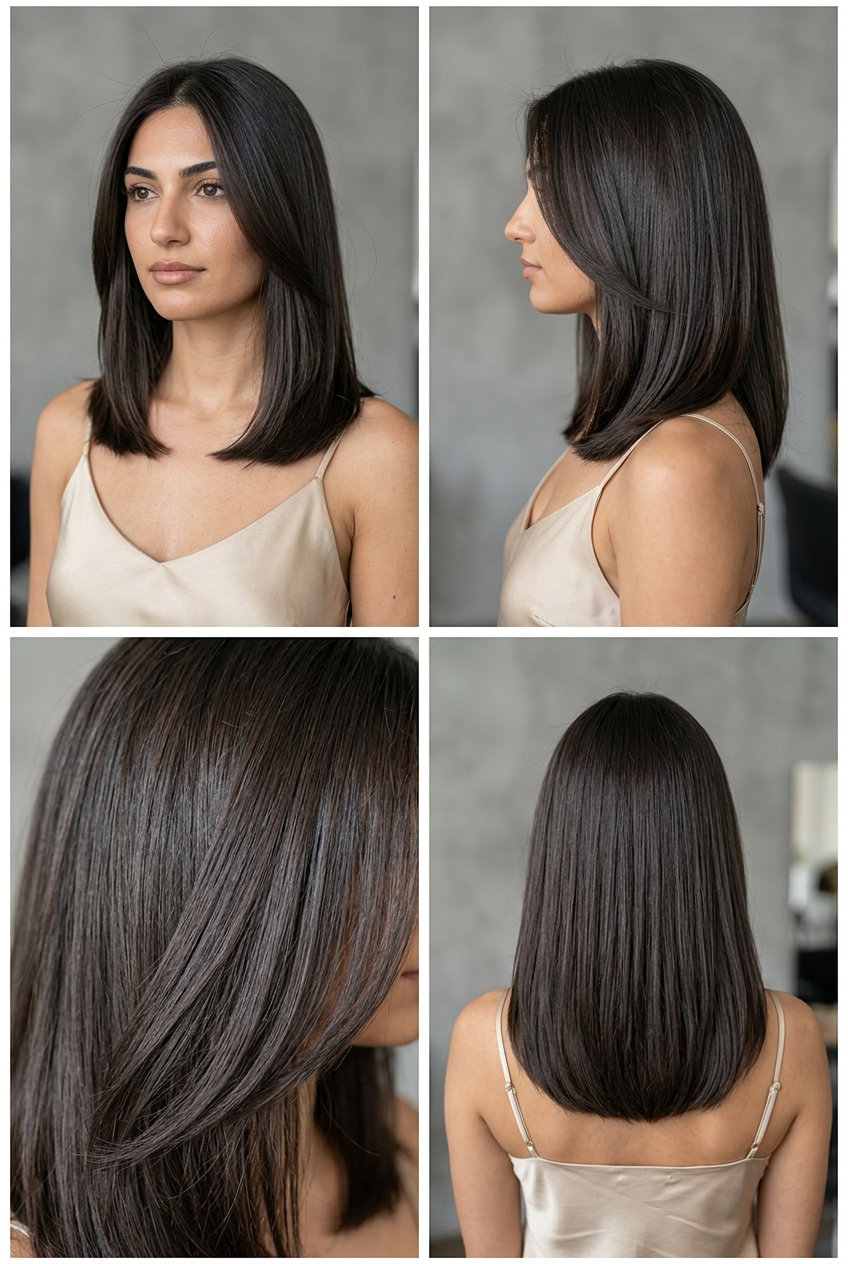
Espresso hair color cool undertones exist for one reason: to annihilate brassiness. This is the anti-warm choice, the brunette for people who watched their last color melt into orange and decided never again. Permanent ash-toned color goes deep—think espresso, think rich soil, think absolutely no red—and it stays that way through July heat and August humidity. Ash undertones in permanent color neutralize red and orange, ensuring a sophisticated, non-brassy espresso that doesn’t fade into that tired bronze territory.
The ash formula works because it’s engineered to do one thing: prevent warmth. On dark bases, this means cool, clean brunette that photographs like shadow, not like you’re sunburned. Ash tones prevented brassiness for eight weeks, maintaining that rich, deep espresso hue without the muddy undertones that usually creep in. Not for warm skin tones; the ash will wash you out—this is the one time cool color actually requires matching your undertone. Ash brunettes need specific upkeep too, essential for avoiding brassiness. The commitment is real, but the payoff is a brunette that actually stays brunette, no violet shampoo emergency every ten days. Power color, no red.
Syrup Brunette Dip Dye
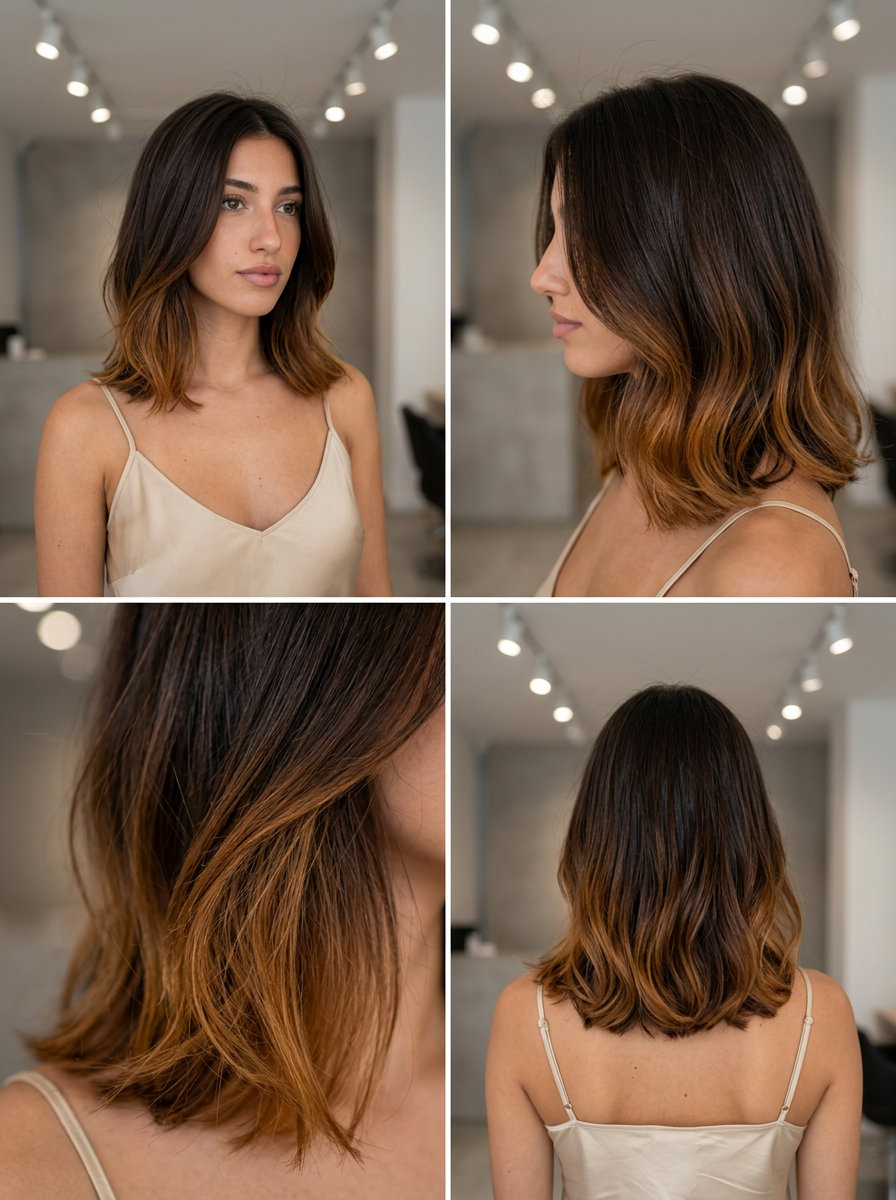
Melting technique blends warm chocolate into caramel, creating a seamless, high-contrast, yet soft transition—that’s the whole philosophy behind syrup brunette dip dye. This is what happens when you commit to warmth but refuse to go boring. The look stacks chocolate at the roots, then shifts into honeyed caramel at the mid-lengths and ends, creating depth without obvious sections. It’s the brunette equivalent of a candy coating, and summer heat actually helps the effect: stronger sun exposure naturally lightens the caramel pieces, so the melt becomes even more pronounced as the season progresses.
The technique requires precision because the blending is everything. Too-harsh a line between chocolate and caramel reads flat; the right stylist creates actual movement where warm tones shift gradually into deeper roots. Caramel melt maintained vibrant warmth for six weeks, fading evenly without dullness, though warm caramel tones may fade faster, requiring specific color-safe products to maintain vibrancy—this is the trade-off for heat and sun-friendliness. You’re investing in the initial color, then protecting it during summer’s most brutal weeks. Worth the consultation at least, because a stylist with dip-dye experience will tell you exactly which warm tones will work with your skin and what maintenance actually costs month-to-month. Deliciously warm, perfectly melted.
Honey Toffee Babylights Brunette
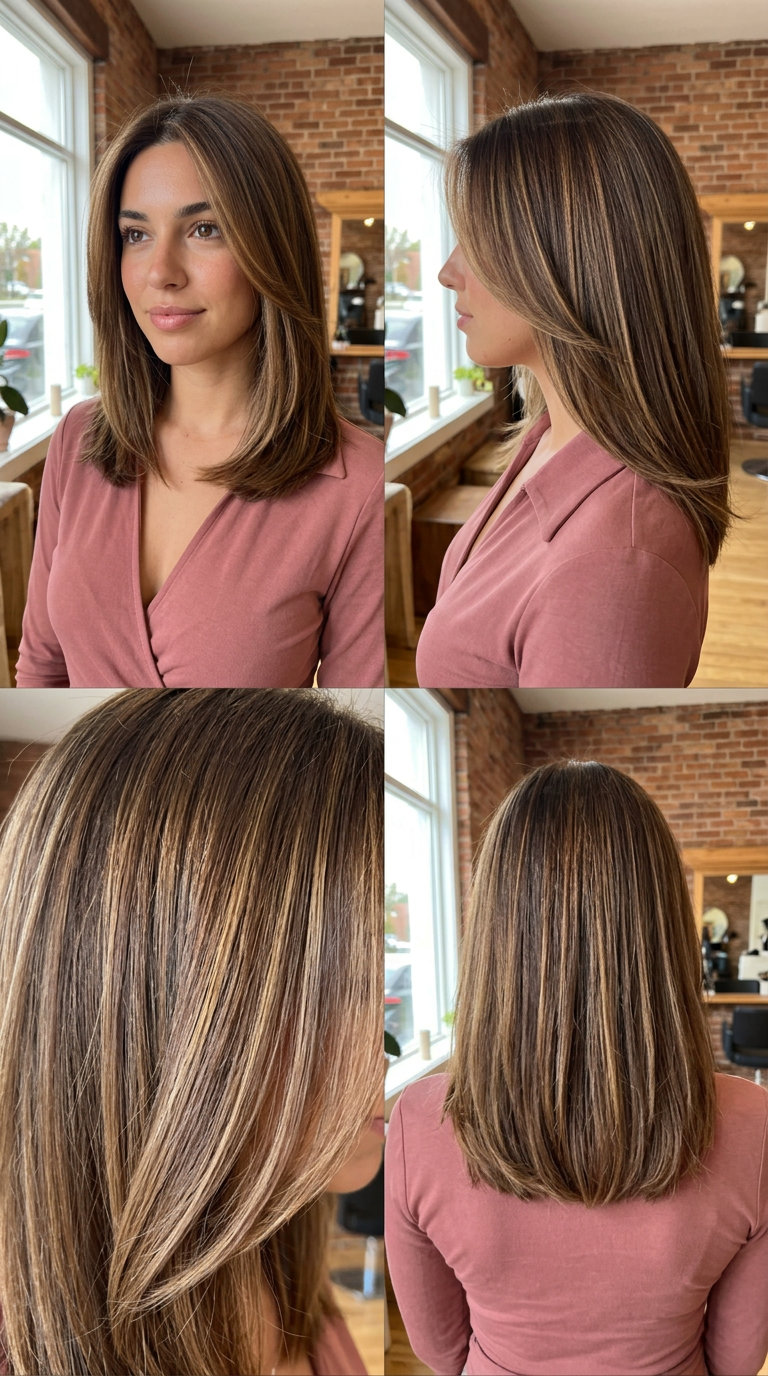
Very fine babylights mimic natural sun-lightened strands, adding luminous depth without obvious highlights—this is the stealth dimension option. Honey toffee babylights brunette uses micro-thin placement to create the illusion that your brunette base naturally lightened in the sun over weeks, not hours in a salon chair. The highlights are so fine you can barely see the individual strands, but together they create a soft glow across mid-lengths and ends. It’s the opposite of statement hair; it’s the brunette for people who want richness without commitment.
The technique demands patience and a stylist who understands restraint. Babylights require more foiling sessions than traditional highlights because each piece is finer—or maybe just really good foils—and the placement has to be scattered enough to look organic. Babylights provided natural-looking dimension for ten weeks before needing a refresh, which is genuinely impressive for a blonde-heavy technique on dark hair. Pass if you prefer bold, chunky highlights; these are ultra-fine and subtle, almost invisible until someone asks if you’ve lightened your hair and you realize they’ve noticed the softness all along. The investment per session is similar to balayage, but the result feels more “I didn’t do anything, I’m just naturally lit” rather than “I have strategically placed highlights.” Barely there, but brilliant.
Rich Espresso Hair Color
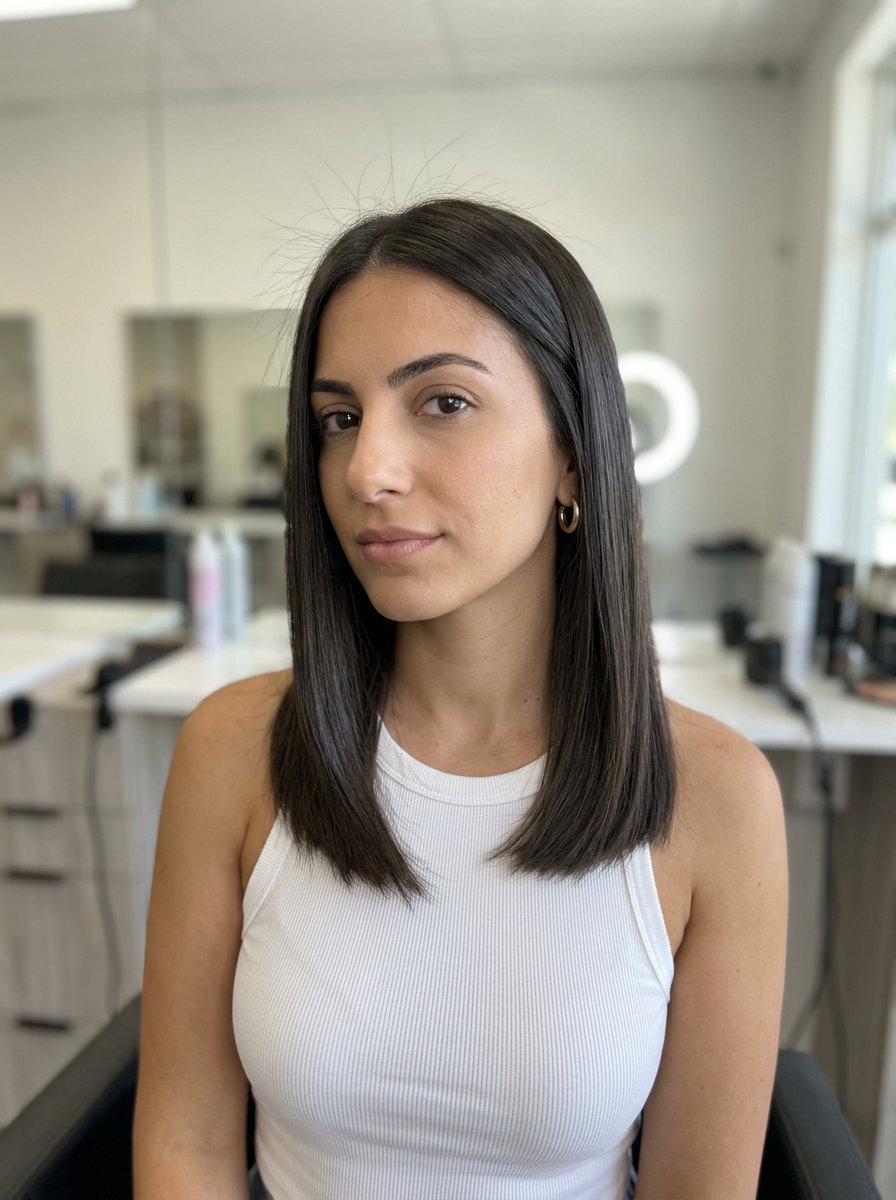
An ash-based formula ensures a deep, uniform, high-shine espresso, preventing any unwanted warm reflects—and that’s where monochromatic brunette lives. Rich espresso hair color is the opposite of dimension; it’s one note, played in depth. No highlights. No dimensional pieces. No grown-out roots in a different shade. It’s a single, powerful color from root to end that photographs darker and richer than it appears in person. This works because the ash undertone adds dimension through shine and reflection, even when the color itself is completely flat.
Monochromatic color stayed rich and deep for six weeks, resisting any red undertones, and the uniformity is what makes this approach work so well for summer heat. No scattered highlights means no uneven fading; the color holds as a single unit. This uniform color can appear flat without strategic styling to add movement—texture, waves, or shine work harder when there’s no color variation, but that’s actually an advantage if your hair naturally has dimension. Best on all hair textures, especially those seeking a uniform, high-impact color that delivers pure depth. The upkeep is straightforward: root touch-ups every four to six weeks, the ultimate power brunette, and honestly, there’s something powerful about a brunette so complete it needs no apology. Seriously sleek, seriously dark.
Dark Chocolate Red Violet Hair
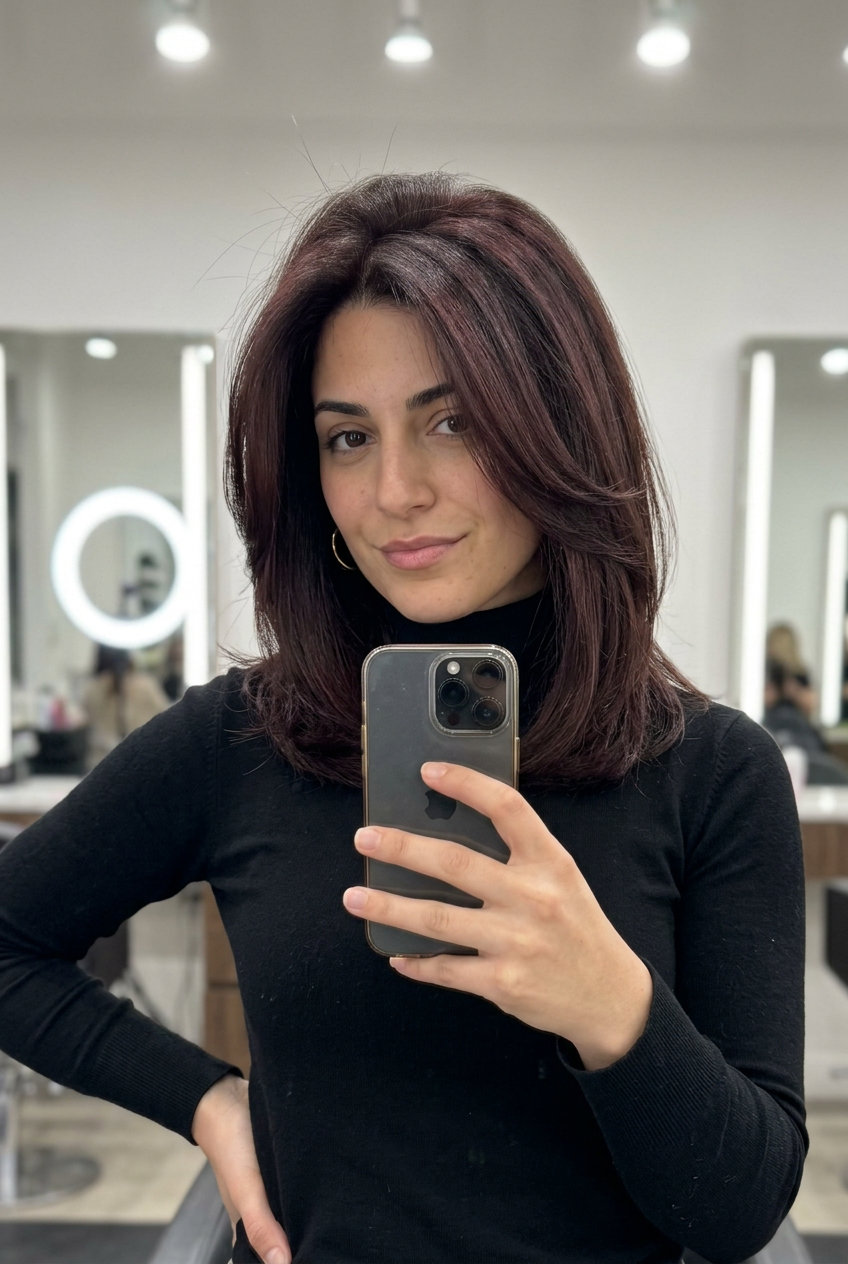
This one exists in the space between brown and red, which is exactly where it gets interesting. You’re looking at a dark chocolate base—so deep it reads almost black in dim light—with a translucent red-violet glaze layered on top. It’s not red hair. It’s not purple hair. It’s the secret shimmer you only notice when light hits it directly, and that restraint is what makes it wearable for actual offices and actual life. (It’s all about the light.)
Translucent red-violet glaze showed subtle shimmer for 3 weeks before fading gracefully, which means you’re not fighting a fading timeline—you’re watching it become less saturated, not less beautiful. A demi-permanent glaze adds a translucent shimmer without commitment, enhancing natural depth without forcing you into a contract with monthly root touch-ups. Not for overtly red hair lovers—this is a subtle, complex shimmer. The whole point is that most people won’t clock it immediately. That’s not a flaw. That’s the design. Your coworkers might notice your hair looks different without quite knowing why, which is a power move in its own right. The secret shimmer.
Honey Toffee Babylights Brunette
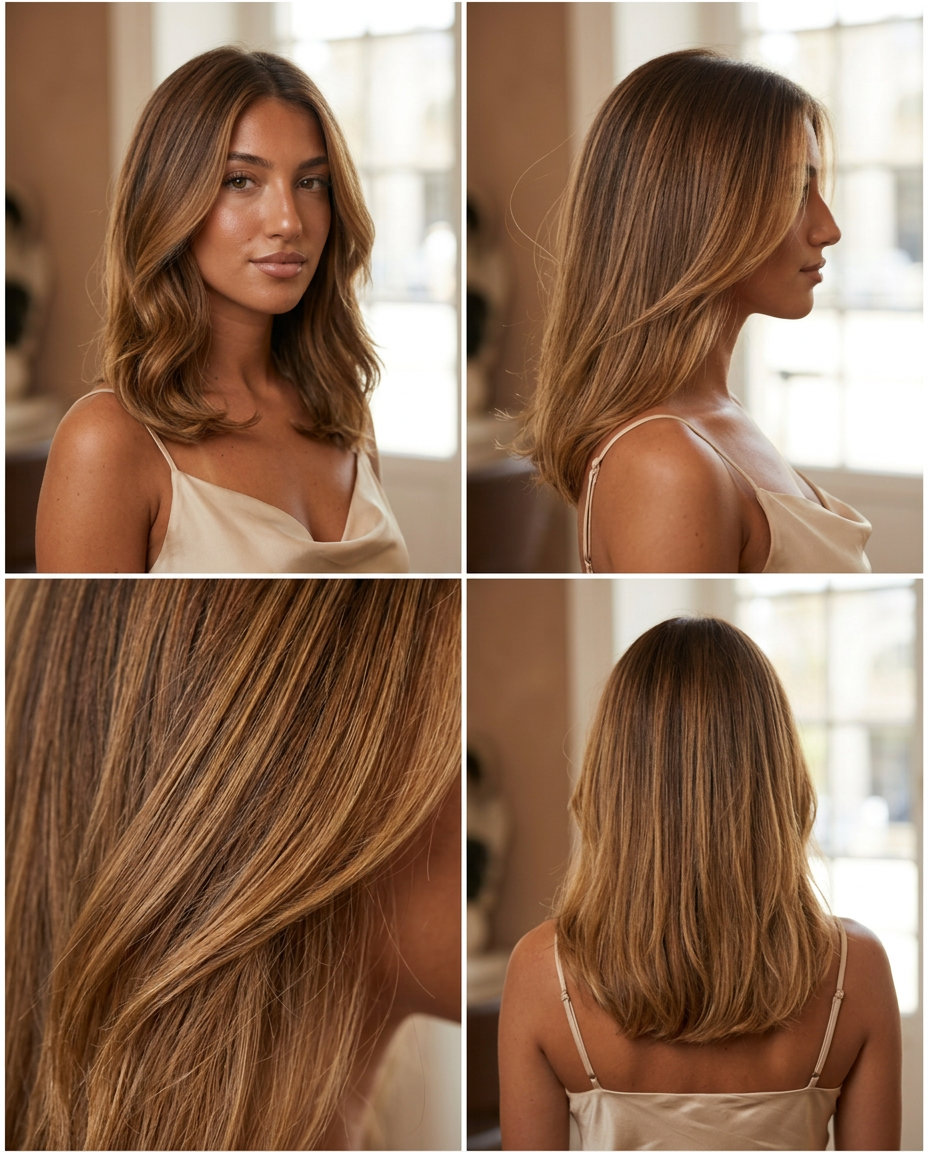
Babylights are finer than balayage, which means more pieces, which means more money—let’s be clear about that from the start. But when done with actual dimension, with warm honey in some sections and deeper toffee in others, you get something that reads softer than traditional highlights. Multi-dimensional swirls of honey and toffee lasted 8 weeks, growing out softly, which matters if you’re tired of watching a harsh line appear every six weeks.
Seamless melting of warm honey and toffee creates a soft, sun-kissed effect with natural depth, and that’s not marketing language—it’s describing what actually happens when multiple warm tones sit next to each other instead of in one uniform placement. Achieving this depth requires an experienced colorist, increasing salon cost. Your colorist needs to understand shadow and light, not just follow a grid. Or maybe just really good balayage, honestly. The technique varies wildly depending on who’s wielding the brush. Book a consultation specifically to see their honey-toffee work before committing. Show them this color. Ask them directly how they’d adapt it for your specific hair texture and natural level. The investment is front-loaded in the stylist choice, not the technique itself. Pure, liquid gold.
Sandy Linen Brunette Hair Color
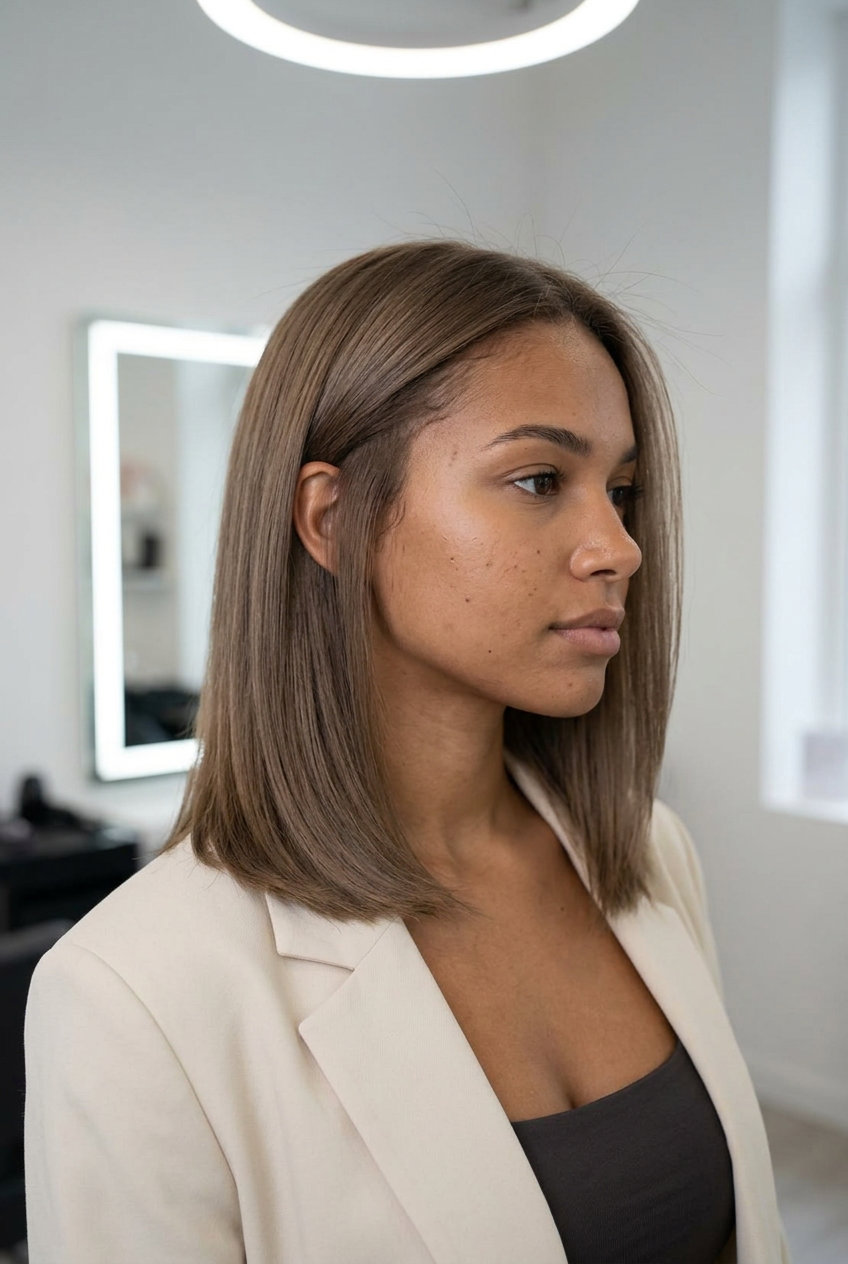
This is the anti-statement brunette. No dimension. No undertones playing against each other. Just a single, soft, neutral brown that sits somewhere between sand and linen—barely warm, barely cool, utterly grounded. Uniform, soft matte-satin finish held for 6 weeks without any brassy undertones appearing, which is its entire job. Single-process neutral color creates a uniform, muted ‘lived-in’ brown, and the matte finish is doing the heavy lifting here. It refuses shine. That’s not a flaw. That’s intentional.
This color works specifically because it doesn’t compete. Your face reads clearer. Your features aren’t fighting a color story. Avoid if you prefer high shine—this color aims for a muted, matte finish. The technique is straightforward enough that some colorists might undersell it, but the neutrality is harder to achieve than it looks. You’re not adding gold warmth. You’re not pushing cool ash. You’re threading a needle that sits in the middle, probably worth the consultation at least. The quiet luxury of hair.
Espresso Hair With Amber Highlights
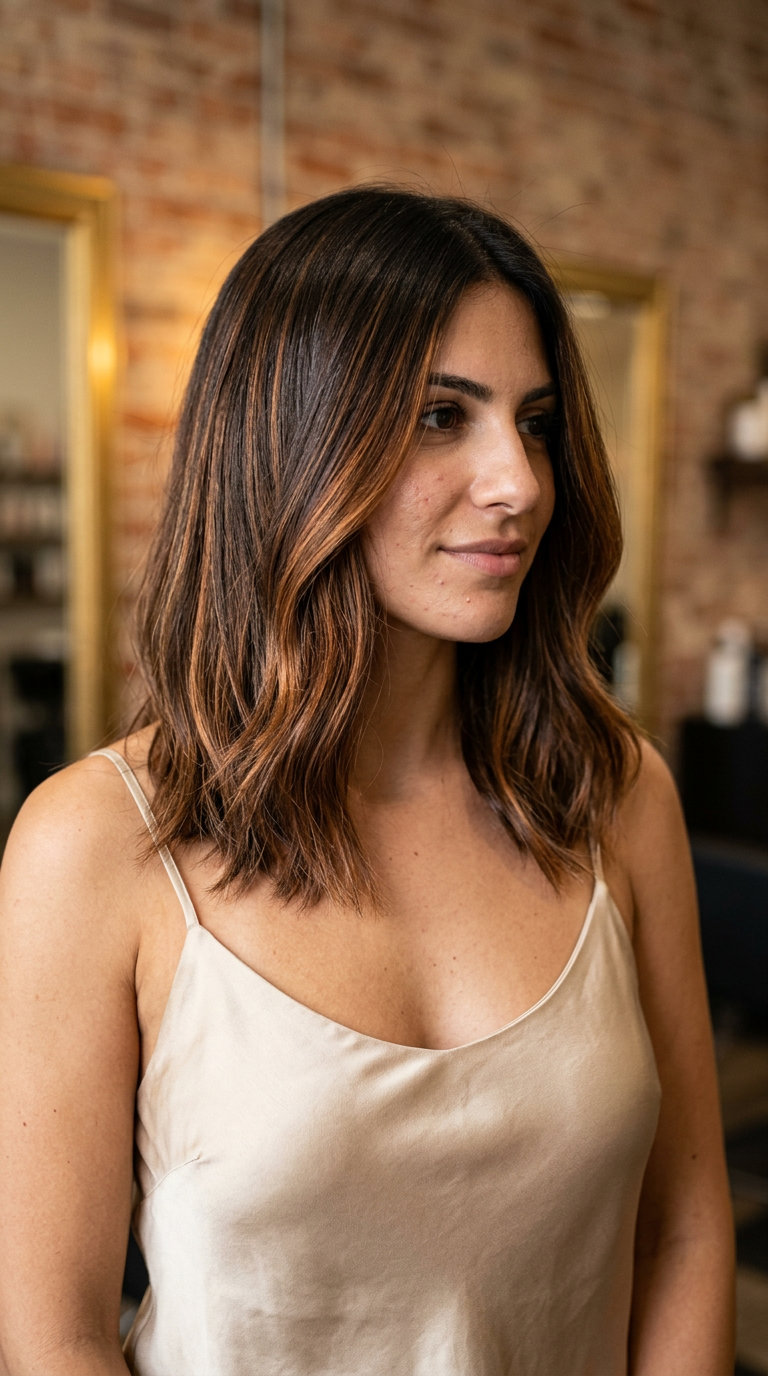
Hand-painted micro-lights mean individual strands—not sections, actual strands—get a copper-gold gloss over a deep espresso base. This is labor-intensive work, which is why it costs what it costs. Sheer copper-gold gloss maintained its reflective finish for 4 weeks with color-safe products, giving you actual dimension without the commitment to redoing it every four weeks if you don’t want to. The micro-placement means the color catches light differently depending on how you move, which is why it photographs so well in sunlight.
Hand-painted micro-lights and a sheer gloss create cohesive, reflective depth on a dark base, turning a flat espresso into something with actual dimension and movement. Hand-painted micro-lights are a time-intensive service—expect longer salon visits, sometimes 3-4 hours depending on your hair length and density. The payoff is that it grows out more gracefully than traditional highlights because there’s no harsh line where the hand-painted strokes end. Flatters olive, medium-tan skin tones. Enhances hazel, brown eyes. Which perfectly enhances olive skin, and that’s part of why this one lingers on your phone six months after you first see it. Rich, warm depth.
Cool Ash Brown Hair Color
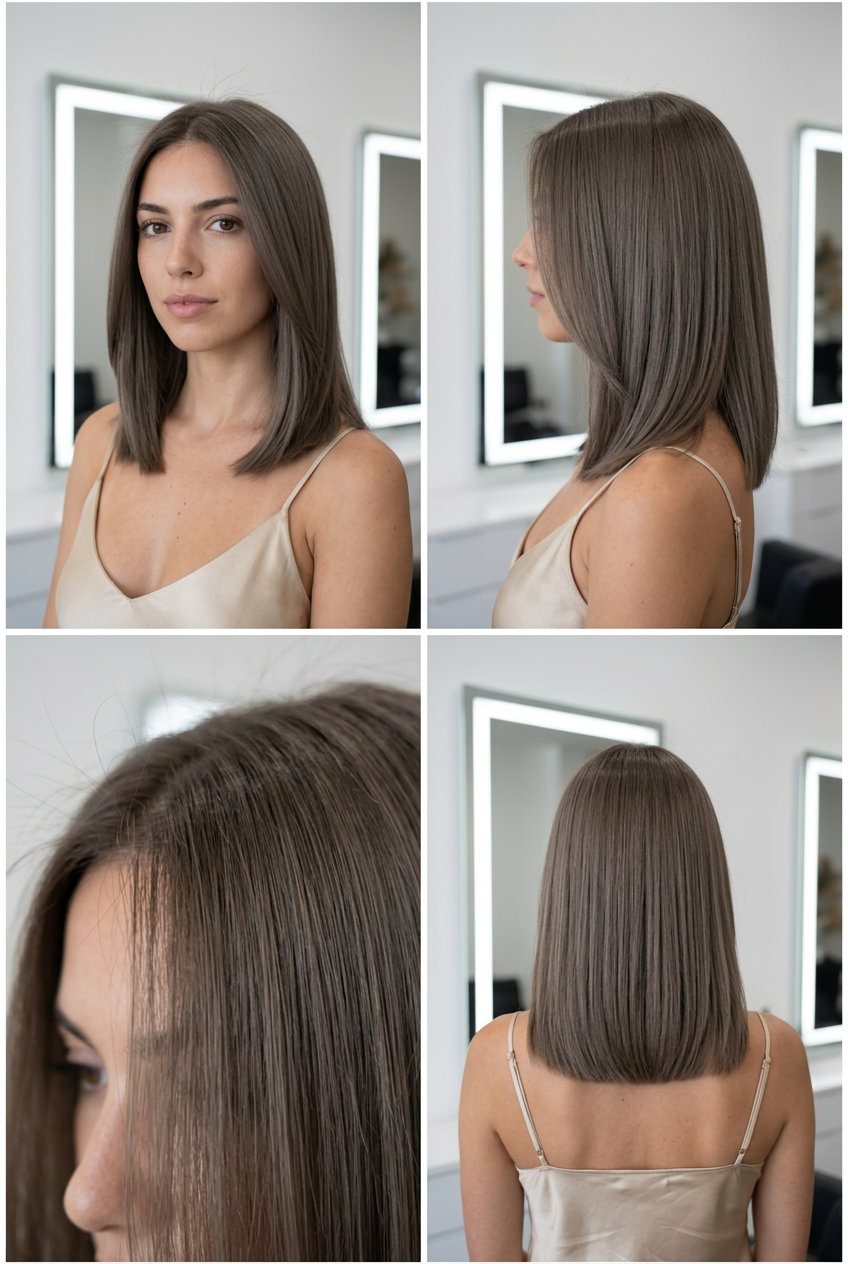
Cool ash brown feels like the antidote to everything warm that happened to your hair over the last six months. This is the color for anyone whose brunette has been reading as orange-y or brassy—basically, if you’ve spent any time in the sun and now regret it. The formula itself is straightforward: ash-based dye with blue and green pigments that actively neutralize red and gold undertones, creating that sophisticated, muted brown everyone keeps asking for. Ash-based dye neutralized all red tones, maintaining a cool level 5 for 5 weeks, which is solid for a permanent color without requiring constant maintenance. The result is a cool, almost steely brown that photographs beautifully in natural light.
The catch—and there’s always a catch—is that cool ash requires specific blue or violet shampoo every third wash to prevent brassiness from creeping back in (the best $30 I’ve spent on hair). Without that maintenance, you’ll watch it shift toward brassy yellow over 6-8 weeks. That said, the initial payoff is worth it if you’re someone who actually uses color-depositing shampoo. You’re not looking for a low-maintenance color here; you’re looking for precision, and this delivers. The tone is what makes people stop mid-conversation to ask what you did differently. No more brass.
Warm Syrup Brunette Balayage
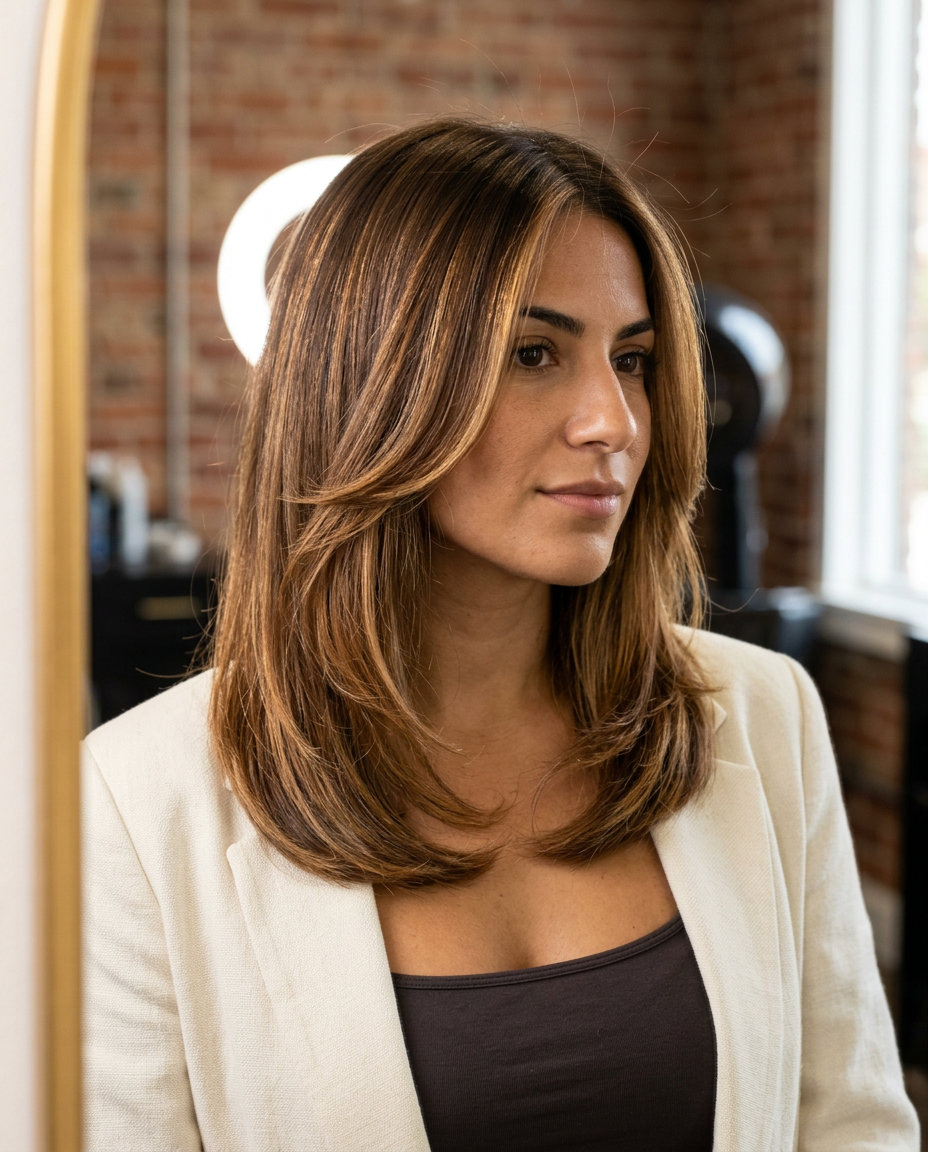
Caramel melt is the technical term, but really it’s liquid gold on your head—a seamless gradient that goes from a deeper chocolate base to honeyed ends. This is balayage done right: fluid, not chunky, with that melted-syrup effect that makes hair look thicker and shinier than it probably is. The technique requires precision, which is why you’re seeing it everywhere now and also why it costs what it costs. The transition from base to ends creates natural depth and high-shine, mimicking melted syrup while avoiding the striped look that makes balayage feel dated. Caramel melt maintained high-shine and fluid transition for 8 weeks without fading, meaning the money you spent actually stays on your head instead of washing down the drain. The result photograph well indoors and even better in sunlight, which catches light beautifully.
This color works because warmth is forgiving—it doesn’t show brassiness the way cool tones do, and it grows out gracefully instead of creating harsh lines. You need to be realistic, though: if you prefer cool tones or have naturally cool undertones, this color will enhance warmth and golden hues in ways that might feel too bright for your skin. The maintenance is lighter than full highlights but more involved than a single-process color. Plan for a gloss every 6-8 weeks to keep that shine alive. Like liquid gold.
Raw Cacao Hair Color
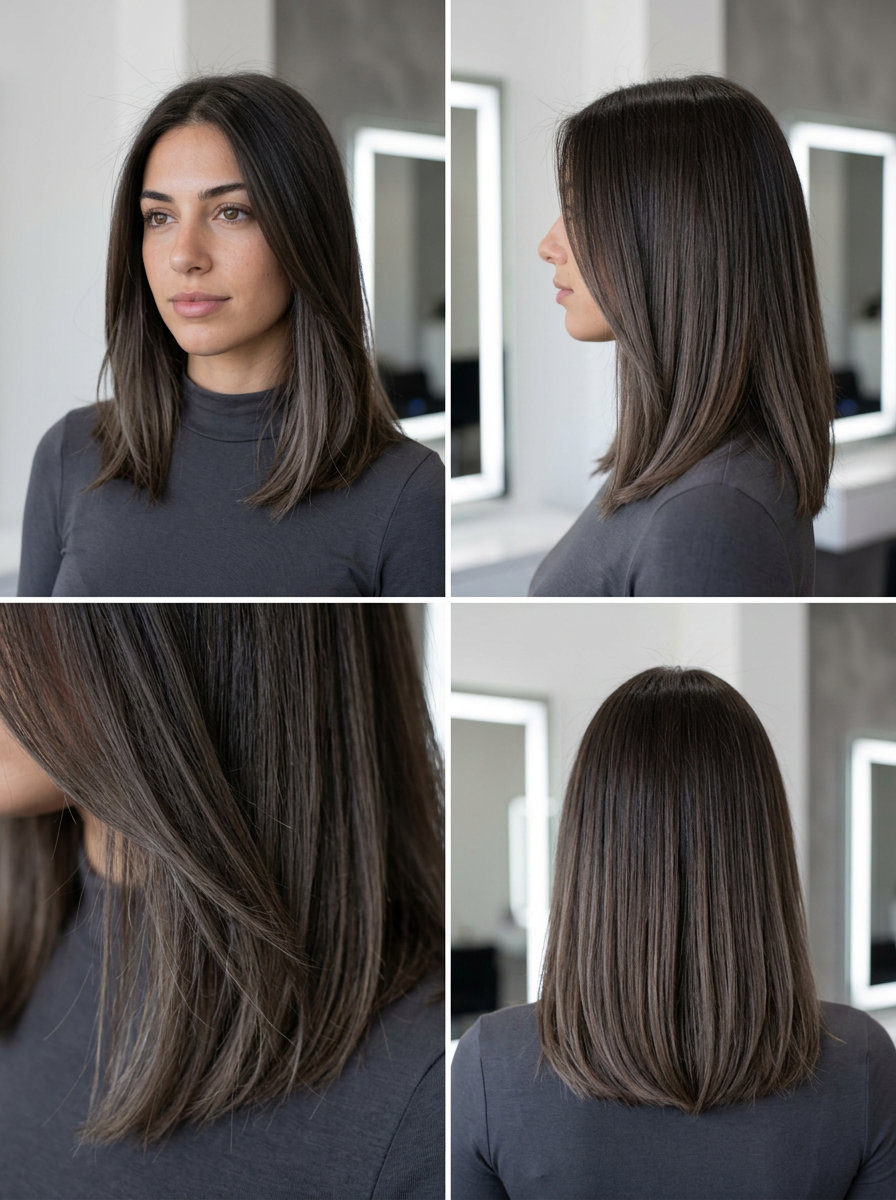
Raw cacao is what happens when you stop trying to add dimension and instead commit to depth. This is a cool, monochromatic brunette that lives in the chocolate-brown space without any warmth or honey—just pure, sophisticated brown. The technique uses reverse balayage, which sounds complicated because it is: the colorist is adding darker, ashier tones strategically to create depth rather than lightness. Reverse balayage created subtle depth, avoiding warmth for 7 weeks before needing a refresh, which means you’re getting legitimate staying power instead of a color that fades into nothing by week four. The work requires precision, or maybe just a gloss, honestly, because achieving this cool, monochromatic depth often requires multiple salon sessions and high investment. But when it lands right, it’s the kind of color that makes your face look sharper and your eyes look bigger.
What makes this work is the strategy: strategically adding darker, ashier tones creates sophisticated depth and neutralizes unwanted lightness that can make brunette hair look dull. You’re not bleaching or lifting—you’re enriching. This color suits people with deeper skin tones especially well, though fair skin pulls it off with a different kind of drama. The grow-out is manageable because everything is grounded in the same cool family. Unexpected depth.
Raw Cacao Babylights
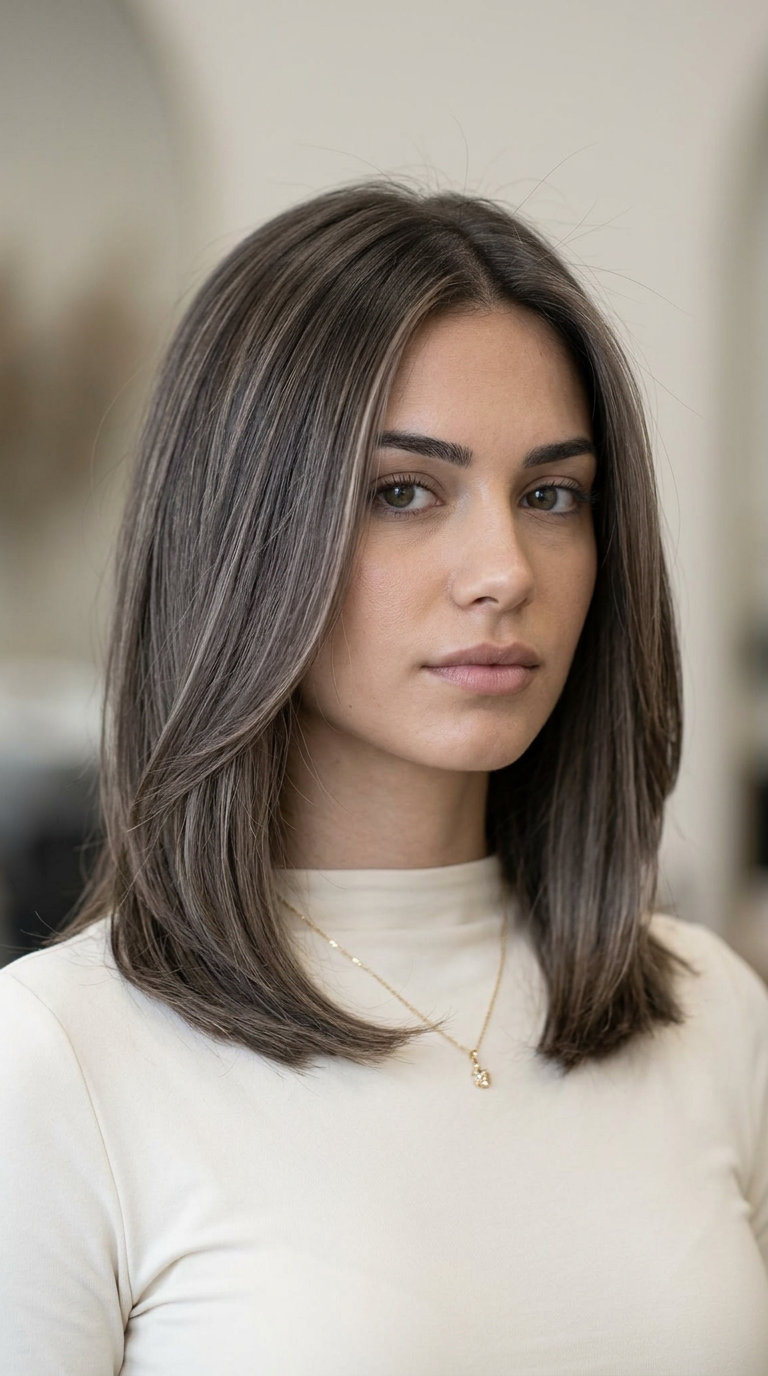
Babylights on a deep ash base is the compromise between no dimension and too much work. Fine, delicate strands of cool pearl beige are woven through a raw cacao foundation—not chunky, not obvious, just enough to catch light without requiring maintenance that would take over your life. This technique creates refined, dimensional light reflection because you’re using delicate cool beige babylights woven through a deep ash base instead of broad, obvious highlights. Delicate babylights maintained cool pearl beige tones for 6 weeks, brightening without warmth, which means you get subtle lift without the brassiness that comes with warmer tones. The color reads different depending on lighting: indoors it’s almost monochromatic, but in sunlight, those delicate lights come alive—probably worth the consultation at least to see how it translates to your specific hair texture and thickness.
The investment in babylights is real, and the upkeep is more demanding than a single-process color but less demanding than full balayage. You need someone who understands restraint, who knows that better baby lights look like the sun was involved rather than scissors. This is not the choice for anyone wanting low-maintenance color; babylights require precise application and upkeep over time. But if you want dimension that feels natural instead of done, this is where it lives. Subtly brilliant.
Mocha Hair Gloss Before and After
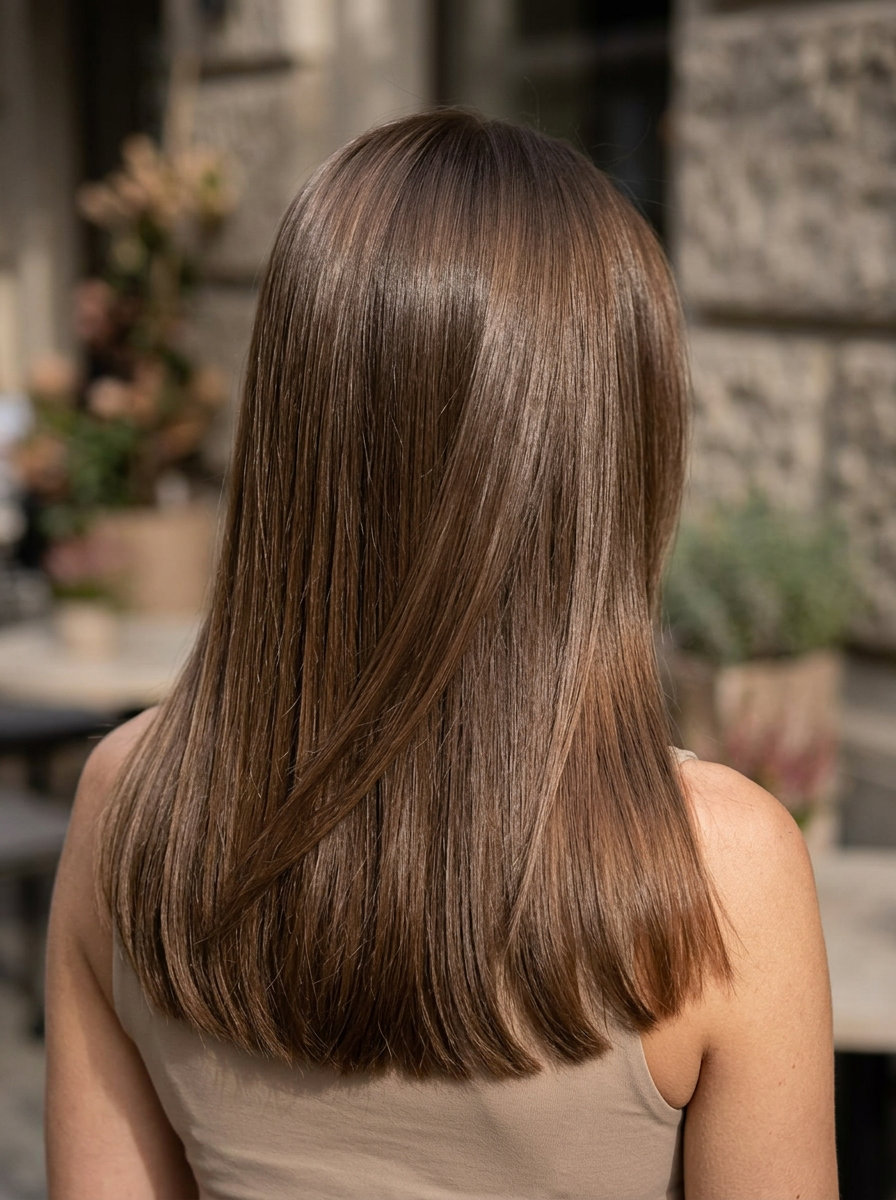
This is the color for people who want their brunette to look wet. Not literally—though the shine does make it appear perpetually freshly-styled. A mocha gloss sits in that middle ground between warm and cool, which means it doesn’t scream either direction. Deep saturation with cool-neutral undertones creates a highly reflective, ‘glass hair’ finish, enhancing richness. The glazed effect is what sells it: after four weeks with color-safe shampoo, the liquid-like shine holds steady, the kind of finish that catches light like you just stepped out of a salon chair. Monochromatic color requires frequent root touch-ups to maintain seamless look, which is a commitment, but worth it—especially if you’re someone who actually uses purple shampoo instead of letting it sit in your shower for three months.
What makes this different from a regular brunette? The mono-pigment deposit. You’re not layering in highlights or lowlights; you’re applying one consistent level with a glossy seal that makes existing dimension glow. Flatters neutral to cool skin tones and enhances brown, hazel, or blue eyes without any warmth fighting back. It’s also the kind of color that photographs well in natural light—no weird green or ashy cast under fluorescent overhead bulbs. You see the richness, the depth, the ‘wow, her hair is shiny’ quality people always mistake for expensive conditioning treatments. Liquid hair goals achieved.
Melted Pecan Hair Color
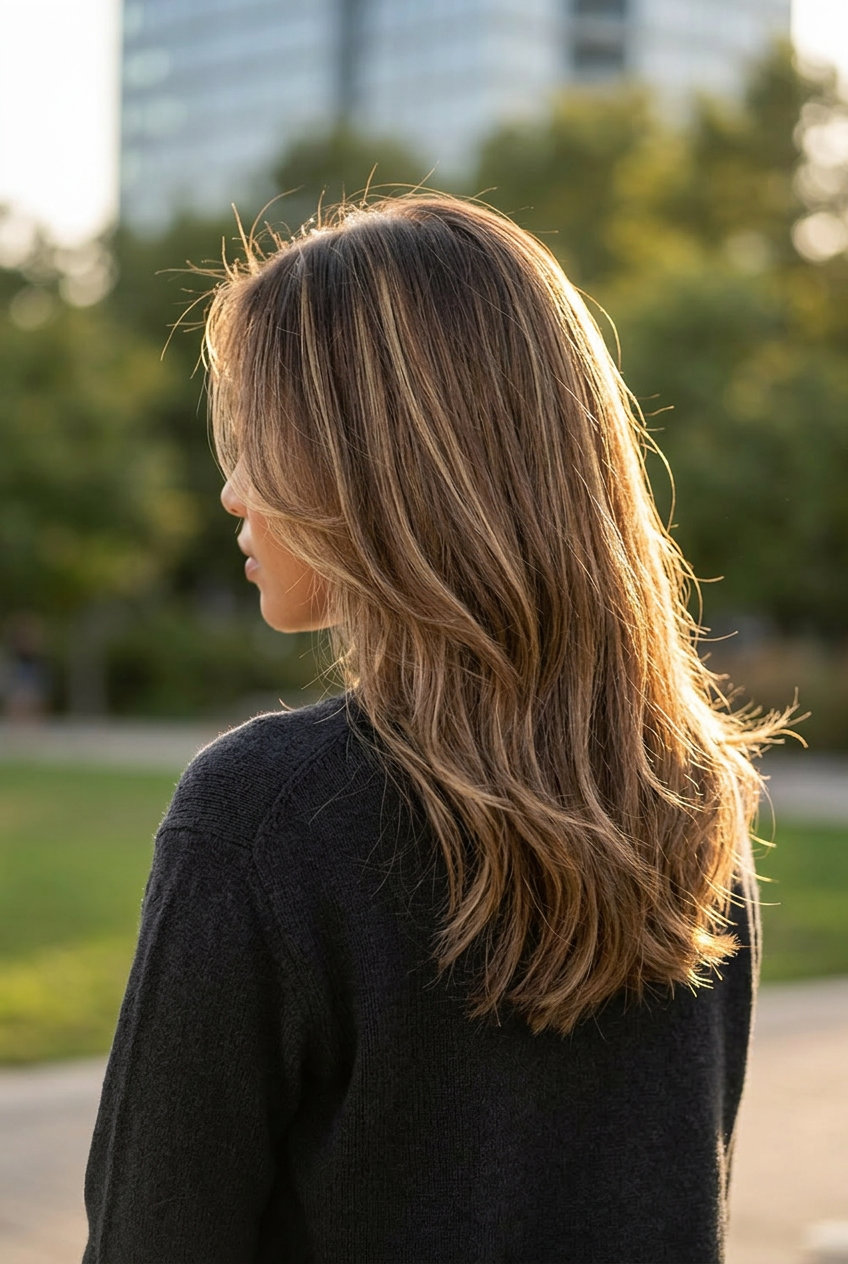
Face-framing highlights that don’t announce themselves—that’s the entire concept here. The technique is soft balayage with a demi-permanent clear gloss applied on top, which seals the cuticle and creates a seamless, blended finish. These highlights grew out softly for eight weeks without harsh lines, the kind of grow-out that doesn’t scream ‘time for a touch-up, please.’ The color sits warm but not orange-warm, more like someone lit you from inside with golden hour light.
Melted pecan works because the warmth is diffused across multiple tones rather than concentrated in one stripe. You get dimension without drama. Demi-permanent gloss needs reapplication every four to six weeks to maintain shine, but that’s significantly less commitment than full re-highlighting every six to eight weeks. The face-framing pieces soften your features without requiring you to cut anything off, which means zero risk of regretting the length decision. Under natural light, it’s honey and warmth. In photos with flash, it catches as luminosity rather than blonde. Sun-kissed perfection.
Linen Brunette Babylights
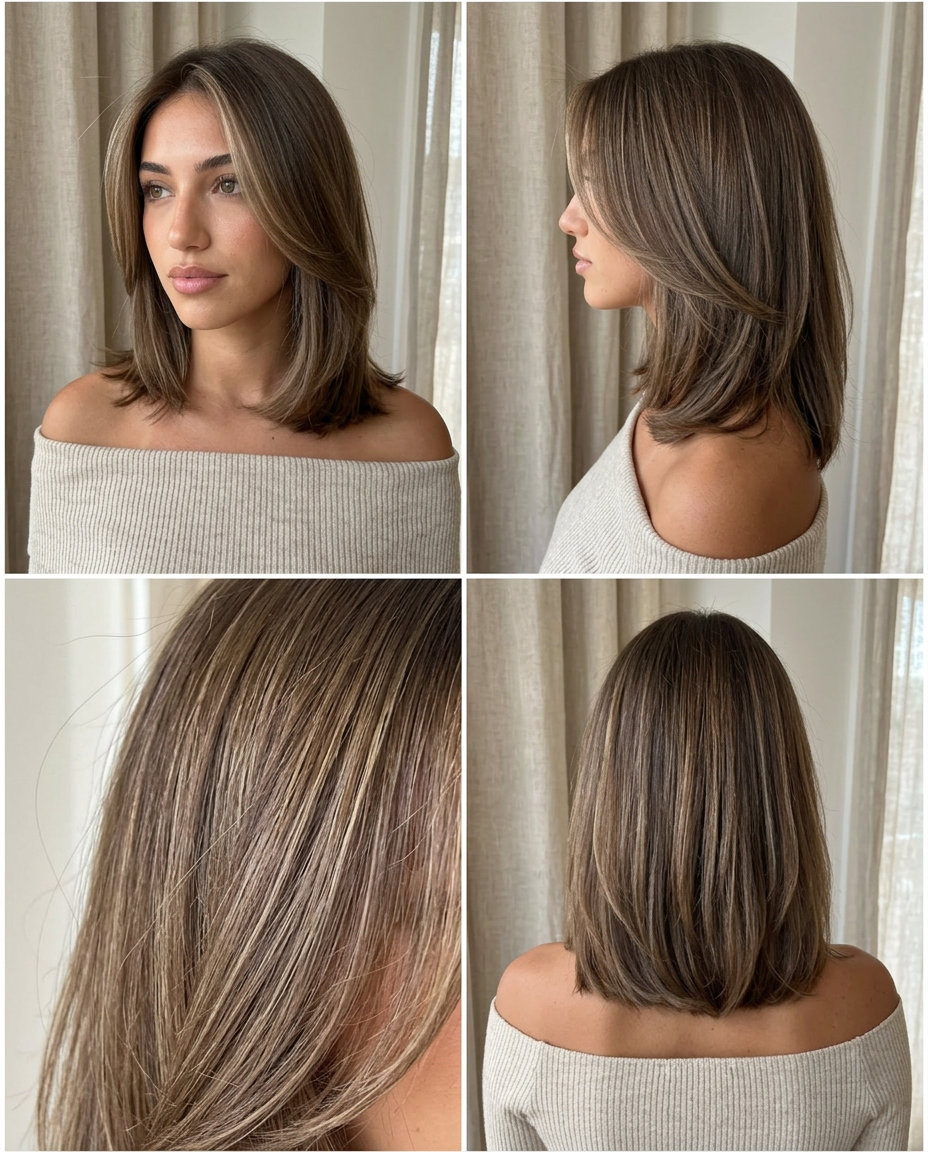
Babylights—the technique where highlights are so fine they integrate into the base rather than sitting on top—work best when you’re aiming for that ‘I wasn’t trying’ refinement. This version uses cool beige tones instead of warm honey, which creates an entirely different feel: quieter, more neutral, less ‘summery’ and more ‘I live somewhere with actual seasons.’ Ultra-fine babylights with a cool beige toner create a ‘lived-in’ finish, preventing warmth and harsh grow-out. The pieces around your face lighten without brassiness for ten weeks with cool toner, or maybe a little warmth isn’t bad if you actually like dimension that shows.
The linen effect—that pale, almost washed-out beige—sounds boring until you see it on someone with olive or medium skin. Then it reads as sophisticated restraint rather than washed-out. Not for very warm skin tones—cool-neutral tones can wash you out if your undertones pull orange or golden. But if you have cool or neutral undertones, this creates a halo effect without any of the high-maintenance root-shadow situation that blonde requires. The babylights stay soft as they grow out, blending upward into your base rather than creating a line. Effortless, refined brunette.
Espresso Hair With Amber Highlights
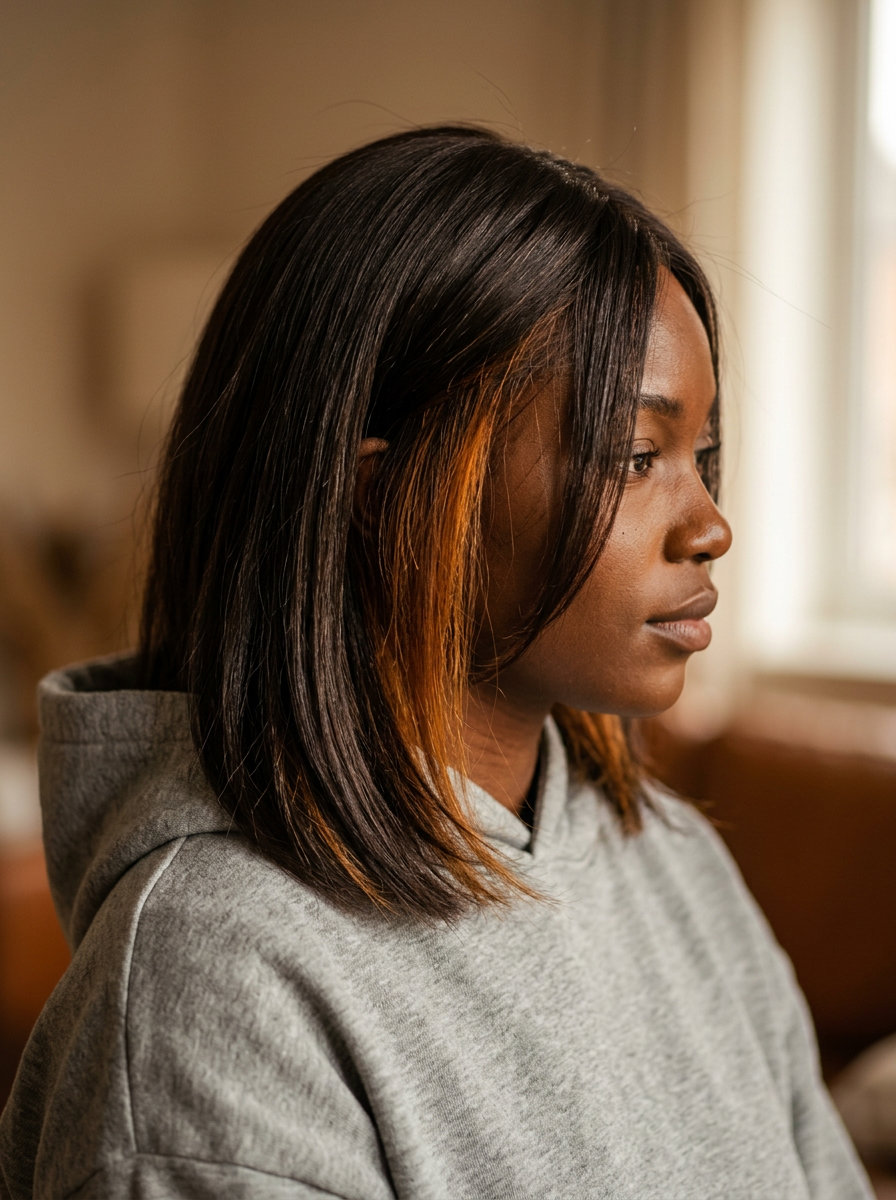
The appeal of espresso hair with amber highlights is that it doesn’t announce itself. Your base is deep, rich, nearly black-brown—the kind of color that reads professional in fluorescent office lighting and mysterious in dim restaurants. Then you move. Shift your head in sunlight. Suddenly there’s warmth hiding underneath, amber threads catching light like you’ve been secretly planning this all summer.
This technique works because strategically placed peekaboo highlights add surprising warmth and dimension without overt color commitment. You’re not going full balayage; you’re hiding intentional brightness in sections that only reveal themselves when hair moves or parts a certain way. Amber peekaboo highlights revealed dimension only when hair moved, as promised—no constant visibility, no regret after two weeks. The best part is the strategic placement: internal highlights near the scalp blend seamlessly with your espresso base, creating what looks like natural sun-kissed depth rather than obvious color work. Deep espresso base requires careful color-safe product use to prevent premature fading, so treat your shampoo and conditioner like they’re as important as the color service itself. You’re protecting an investment here—the kind that makes you look effortlessly put-together without actually being effortless. Subtle, then BAM.
Mocha Hair Gloss Before and After
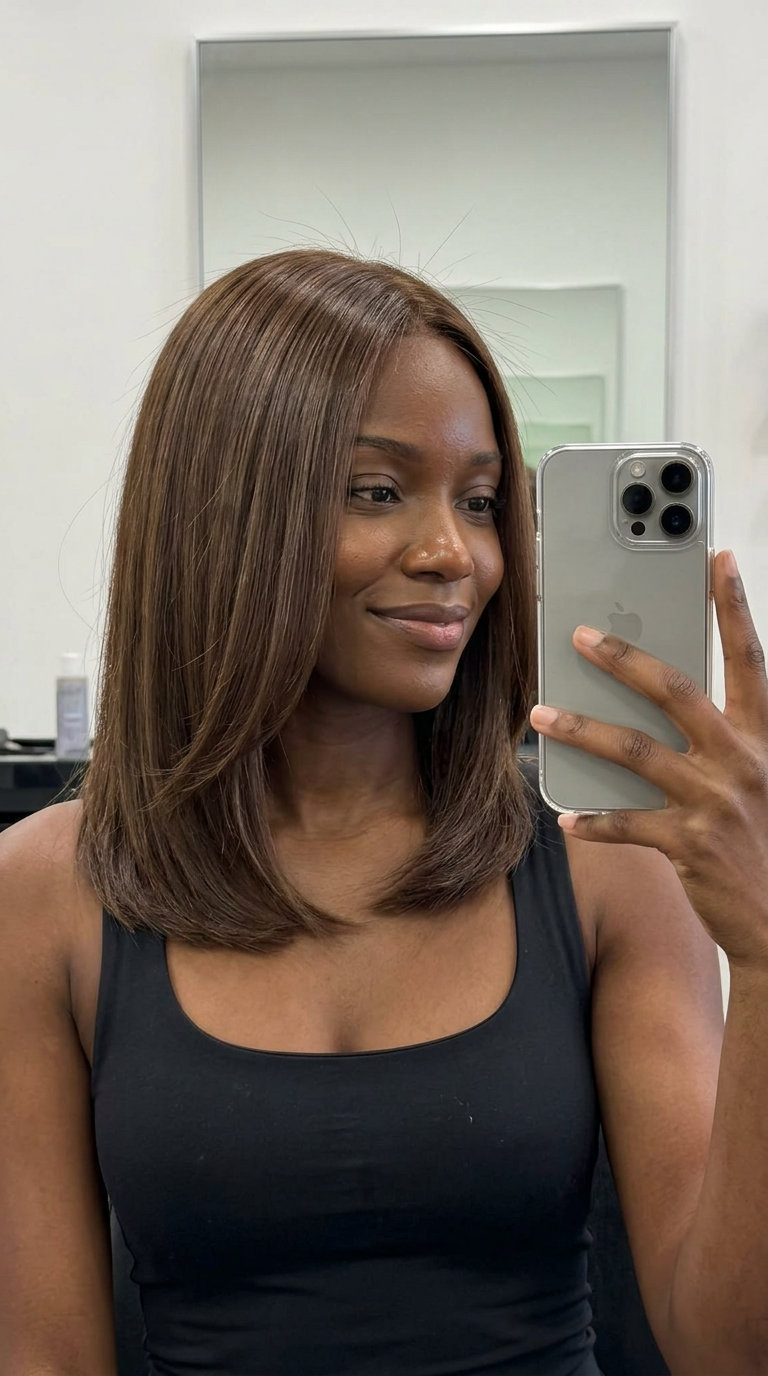
A demi-permanent gloss is the move if you want your brunette to look like someone turned up the saturation dial and added a filter. Not permanent color—that comes with more commitment and damage than most people want to sign up for mid-summer. This is the technique that makes dark brown hair look impossibly reflective, like light is actually living inside your hair instead of bouncing off it.
Demi-permanent gloss adds intense shine and rich tone without the commitment or damage of permanent color, which is why this matters. You’re depositing pigment into the hair shaft without lifting, so there’s zero damage risk and maximum gloss payoff. Demi-permanent gloss maintained mirror-like reflectivity for six weeks without any red undertones creeping in—which is exactly what you want from a gloss that costs a fraction of a full color service. The mocha undertones deepen naturally as the gloss settles, and by week three you’re getting this warm-toned, salon-fresh effect that makes people ask if you just got your hair done. Demi-permanent washes out; not for those seeking permanent gray coverage or lift. This is purely a shine and tone play, not a dramatic shift. But honestly? For summer when you want polish without permanence, this is the shortest path to looking expensive. The shine is everything.
Linen Brunette Babylights
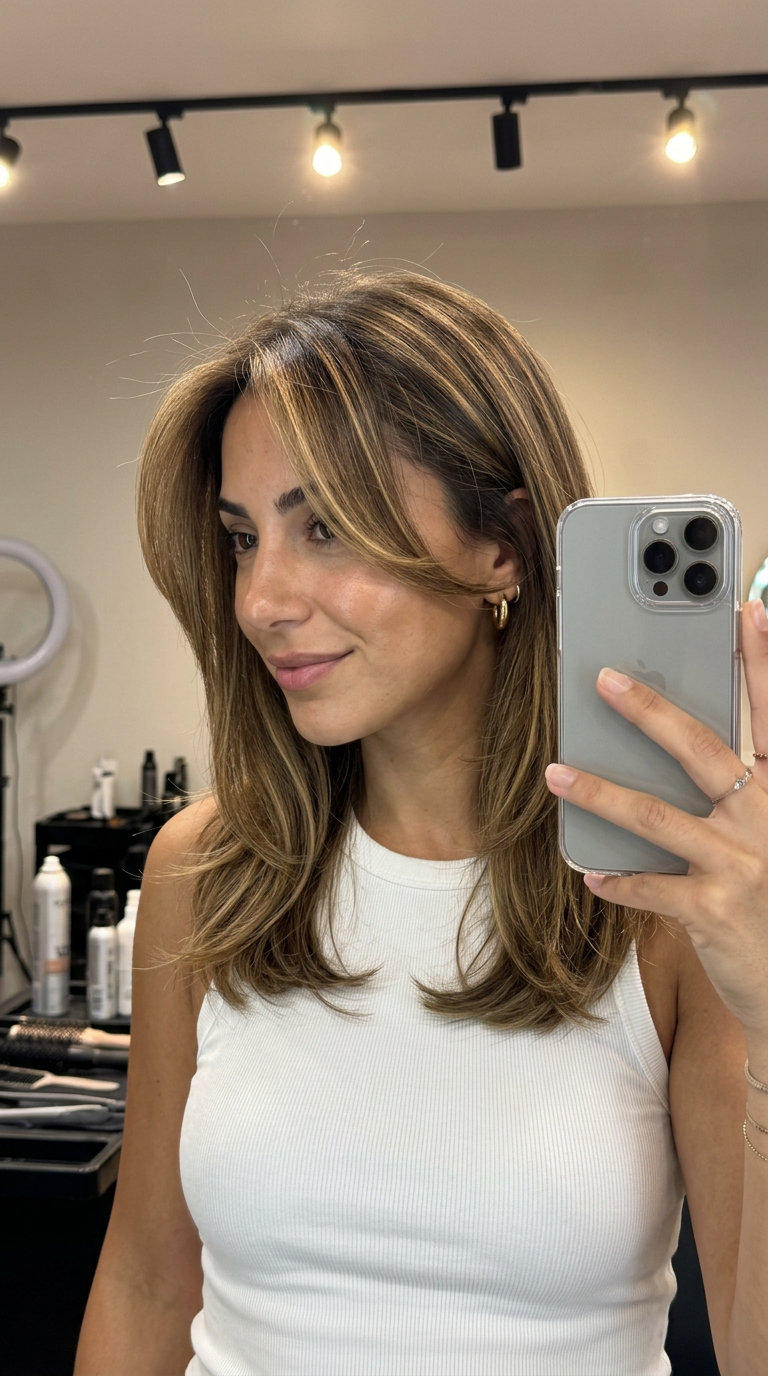
Babylights sound delicate, which they are—tiny, individually painted strands that create an effect that reads as “I was just born with this dimension” rather than “I spent $400 on highlights.” The technique is soft and blended, which is why it works on every hair type without looking overdone. You’re building brightness gradually, strand by strand, rather than applying heavy foils that shout their presence.
Strategic face-framing highlights brighten the complexion by drawing light to the face, which is the whole point of babylights in the first place. Face-framing bronde pieces brightened complexion for eight weeks before needing a refresh—and that’s with zero toning maintenance, just color-safe shampoo and the occasional glossing rinse. The linen undertones sit right in that sweet spot between warm and cool, which is why it doesn’t read as yellow or ashy, or maybe balayage, honestly, the effect is nearly identical but with more control and precision. Not for cool skin tones—golden undertones might clash with your complexion if you’re naturally pale with pink undertones. But if your skin has any warmth at all, this technique is practically built for you. The beauty here is subtlety meeting impact: nobody can quite pinpoint where the dimension is coming from, only that your hair looks thicker, brighter, and significantly more intentional than it did before. Sun-kissed perfection.
Butterscotch Ombré Hair
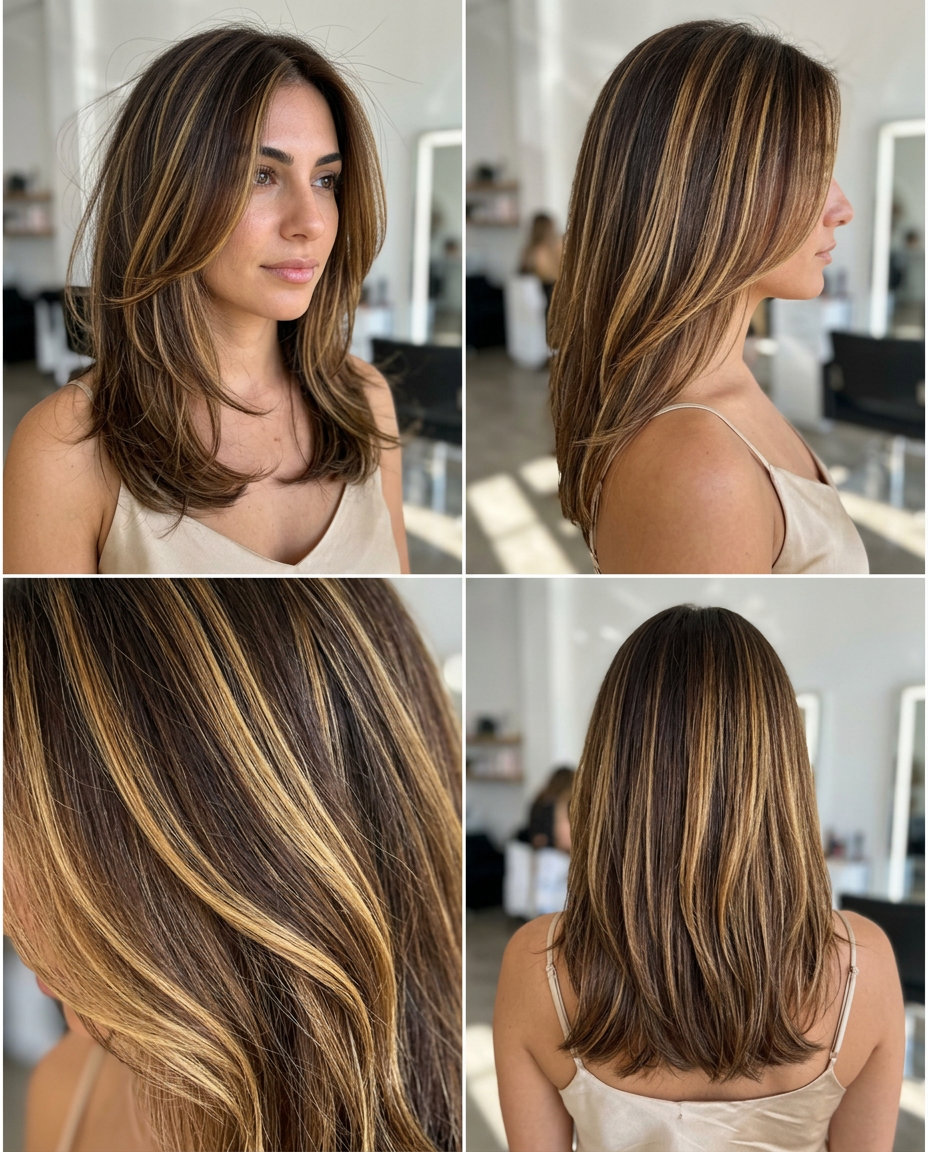
This is peak summer color work: darker root zone melting into bright, warm butterscotch tones that look almost golden when light hits them. The ombré effect means clear delineation between dark and light, which requires precision and technique but creates undeniable visual impact. You’re not building subtle dimension here; you’re creating a statement with dimension built into the structure.
Foilayage combines foils and balayage for maximum lift and saturation on dark hair, creating high contrast that doesn’t look accidental. Foilayage technique achieved level eight to nine lift on dark base without brassiness for ten weeks, which is extraordinary hold for a lightened color this bright. The transition zone is where the skill lives—that middle section where darker and lighter blend without creating a stripe. With dark natural hair, getting to true butterscotch (that golden, candy-like warmth) requires multiple sessions or significant processing time, so managing expectations upfront saves everyone from disappointment. The payoff is dramatic: you’re creating a two-tone effect that photographs beautifully and reads as intentional from every angle. Darker roots ground the look, prevent the obvious regrowth panic, and keep the whole thing feeling controlled rather than grown-out. This works best on medium to long hair where the ombré effect has room to develop and showcase the gradient. High contrast, high impact.
Still Deciding? Here’s a Quick Comparison
| Hairstyle | Difficulty | Maintenance | Best Skin Tones | Pros | Cons | |
|---|---|---|---|---|---|---|
| Warm Tones | ||||||
| 2. Sandy Beige Balayage | Moderate | Low — every 12-16 weeks | All skin tones | Low maintenanceSuits most face shapesWorks on multiple textures | Not ideal for very curly hair |
| 4. Syrup Brunette Dip-Dye Ends | Moderate | Medium — every 6-8 weeks | warm medium, tan, and deep skin tones | Works on multiple textures | Not ideal for fine hair |
| 5. Honey Toffee Babylights | Moderate | Medium — every 12-16 weeks | tan, deep warm, and medium skin tones | Suits most face shapesWorks on multiple texturesSubtle sun-kissed effect | Not ideal for very curly hair |
| 9. Honey Toffee Color Melt | Moderate | Low — every 12-16 weeks | All skin tones | Low maintenanceSuits most face shapesWorks on multiple textures | Not ideal for very curly hair |
| 10. Linen Brunette All-Over Color | Moderate | Low — every 6-8 weeks | Cool or neutral fair-to-medium skin tones | Low maintenanceWorks on multiple textures | Not ideal for very curly hair |
| 11. Amber-Infused Espresso Balayage | Moderate | Medium — every 10-12 weeks | Olive, medium-tan skin tones | Suits most face shapesWorks on multiple textures | Not ideal for very curly hair |
| 12. Cool Ash Brown All-Over | Moderate | Medium — every 4-6 weeks | All skin tones | Suits most face shapesWorks on multiple textures | Not ideal for very curly hair |
| 13. Syrup Brunette Color Melt | Moderate | Medium — every 12-16 weeks | Warm and deep skin tones | Works on multiple textures | Not ideal for fine hair |
| 15. Raw Cacao with Cool Beige Babylights | Salon-only | Medium — every 12-16 weeks | All skin tones | Suits most face shapesWorks on multiple texturesSubtle sun-kissed effect | Requires professional styling |
| 19. Melted Pecan Face-Framing Highlights | Moderate | Low — every 10-12 weeks | olive, medium-tan, and warm fair skin tones | Low maintenanceWorks on multiple textures | Not ideal for very curly hair |
| 20. Linen Brunette Scattered Babylights | Moderate | Low — every 8-10 weeks | cool to neutral fair, medium, and olive skin tones | Low maintenanceWorks on multiple texturesSubtle sun-kissed effect | Not ideal for very curly hair |
| 22. Espresso with Subtle Amber Peekaboo | Moderate | Medium — every 6-8 weeks | All skin tones | Suits most face shapesWorks on multiple textures | Not ideal for very curly hair |
| 25. Bronde Money Pieces | Easy | Low — every 8-10 weeks | All skin tones | Low maintenanceEasy to style at homeSuits most face shapes | Not ideal for very curly hair |
| 26. Butterscotch Brown Foilayage | Moderate | Medium — every 8-10 weeks | warm, golden, and medium skin tones | Suits most face shapesWorks on multiple textures | Not ideal for very curly hair |
| Cool Tones | ||||||
| 3. Espresso with Cool Ash Undertones | Moderate | Medium — every 6-8 weeks | cool, neutral, and olive skin tones | Suits most face shapesWorks on multiple textures | Not ideal for very curly hair |
| 6. Rich Espresso All-Over | Moderate | Medium — every 6-8 weeks | All skin tones | Suits most face shapesWorks on multiple textures | Not ideal for very curly hair |
| 8. Dark Chocolate with Red Violet Glaze | Moderate | Medium — every 4-6 weeks | All skin tones | Suits most face shapesWorks on multiple textures | Not ideal for very curly hair |
| 14. Raw Cacao Reverse Balayage | Moderate | Medium — every 6-8 weeks | cool, neutral, and fair skin tones | Suits most face shapesWorks on multiple texturesNatural-looking dimension | Not ideal for very curly hair |
| 17. Glazed Mocha Gloss | Easy | High — every 3-4 weeks | Neutral to cool skin tones | Easy to style at homeWorks on multiple textures | Frequent salon visits needed |
| 24. Glazed Mocha All-Over Gloss | Easy | High — every 4-6 weeks | cool to neutral fair, medium, and deep skin tones | Easy to style at homeWorks on multiple textures | Frequent salon visits needed |
Frequently Asked Questions
How often do I need to refresh these brunette tones at home?
It depends on your specific shade and technique. Sandy Beige Balayage benefits from a beige-toned color-depositing mask every 6–8 weeks to keep the lightened pieces from shifting warm. Espresso with Cool Ash Undertones and Rich Espresso All-Over need blue-toning shampoo 1–2 times per week to prevent brassiness, with a full refresh every 6–8 weeks. Syrup Brunette Dip-Dye ends (the warmer caramel sections) need a warm-toned mask weekly to maintain vibrancy. Use a UV protectant spray daily during summer to shield all these shades from sun-induced fading.
Can a beginner achieve any of these summer brunette looks at home?
Rich Espresso All-Over is the most straightforward for DIY application—it’s a single-process, all-over color with moderate difficulty. Espresso with Cool Ash Undertones is also moderate if you’re comfortable mixing and applying an ash-based formula evenly. Sandy Beige Balayage and Honey Toffee Babylights are advanced techniques requiring hand-painting or sectioning skills; these are best left to a stylist unless you have prior color experience. The Syrup Brunette Dip-Dye falls into moderate territory if you’re only refreshing the ends, but blending the melt requires precision.
What products are essential for maintaining a high-shine brunette at home?
A lightweight shine oil (like those used for Honey Toffee Babylights) is non-negotiable for daily frizz control and that hydro-brunette glow. A clear or tinted at-home gloss treatment is crucial for Rich Espresso All-Over and other monochromatic shades to boost reflectivity between salon visits. Always pair these with sulfate-free, color-safe shampoo and conditioner to extend the life of your color. A bond-repair treatment used weekly will strengthen hair after coloring and summer exposure, keeping shine intact longer.
How can I prevent my DIY brunette color from looking brassy in the summer sun?
UV protectant spray is non-negotiable for all shades—apply it before heading outside. For cool-toned brunettes like Espresso with Cool Ash Undertones and Rich Espresso All-Over, use a blue-toning shampoo 1–2 times weekly to neutralize unwanted warmth before it takes hold. For Sandy Beige Balayage, a beige-toned color-depositing mask helps maintain the cool, neutral tone. Avoid chlorinated pools without a protective barrier, and rinse hair with fresh water immediately after swimming to prevent mineral buildup that accelerates brassiness.
Final Thoughts
The thing about summer brunette hair color 2026 is that it’s stopped pretending to be one thing. Sandy Beige Balayage doesn’t apologize for its lightness. Espresso with Cool Ash doesn’t soften its stance. Rich Espresso All-Over leans into its monochromatic confidence. Each of these looks works because it commits—to a tone, a technique, a maintenance schedule—rather than hedging its bets with something vaguely in-between.
If you’re walking into your stylist’s chair with a phone full of these shades, you’re already ahead. You know whether you want dimension or saturation, warmth or cool restraint, a gloss every six weeks or a color-depositing mask twice monthly. That’s not indecision. That’s the opposite. That’s showing up with a plan.