Long hair is getting lighter this summer, and it’s not just the sun doing the work. Zendaya’s honey-blonde butterfly layers, Sabrina Carpenter’s wispy Birkin bangs, and the sudden TikTok obsession with ‘hydro-textured’ internal layering—three very different people, same message: length is staying, but weight is leaving. Salons are fielding requests for buttercream blonde, terracotta copper, and espresso martini tones paired with cuts designed to move in heat instead of clinging to your neck like a damp towel.
This year’s summer haircuts for long hair 2026 lean into the butterfly cut, the U-cut, and ghost layers—styles that promise volume without the thick, sticky feeling of, well, thick hair in July. These aren’t one-size-fits-all cuts; they work on oval faces and round faces, fine textures and thick ones, whether you’re blow-drying every morning or embracing the air-dry life.
I spent three years fighting my hair’s weight in summer humidity before my stylist suggested internal channeling instead of just hacking off inches. Turns out, you don’t have to choose between length and breathability—you just need the right technique.
Long Layers with Peach Streaks
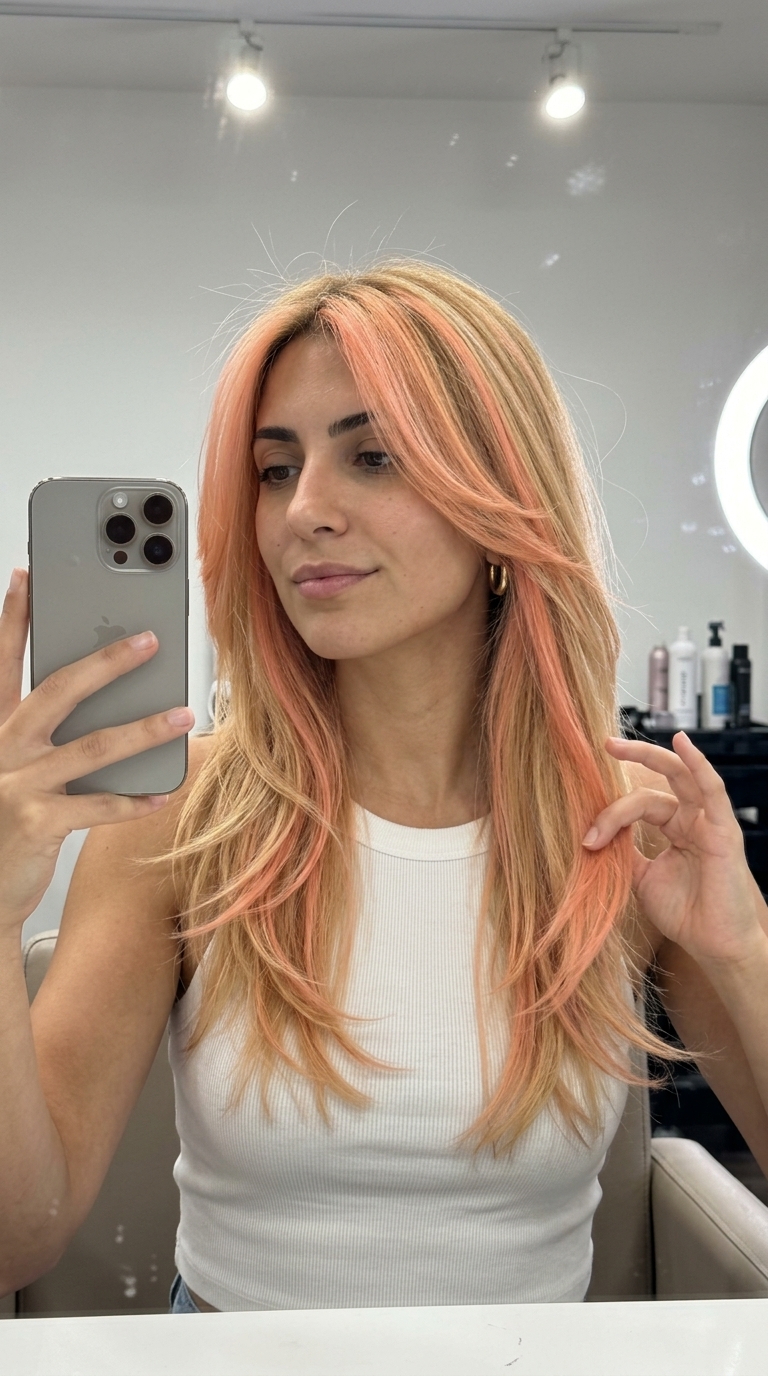
Long layers are having a moment, and peach hair streaks long hair have become the summer color play that doesn’t scream “I just got highlights.” This cut works because the layers move independently—each piece catches light differently, which is exactly what you want when you’re dealing with dimensional color. Deep point-cutting on ends maintained movement for 8 weeks without feeling blunt, so you’re not constantly chasing the salon. The best part? This works on wavy to straight, medium to thick hair.
Here’s why this matters: deep point-cutting prevents blunt lines, enhancing the playful feel and natural movement of the long layers. Instead of a solid block of color, peach streaks woven through the layers create dimension that looks intentional without requiring a second mortgage. Your stylist should ask for disconnected layers starting around chin-length, with the heaviest texture concentrated toward the ends. Movement is everything here.
Long Hair with Birkin Bangs
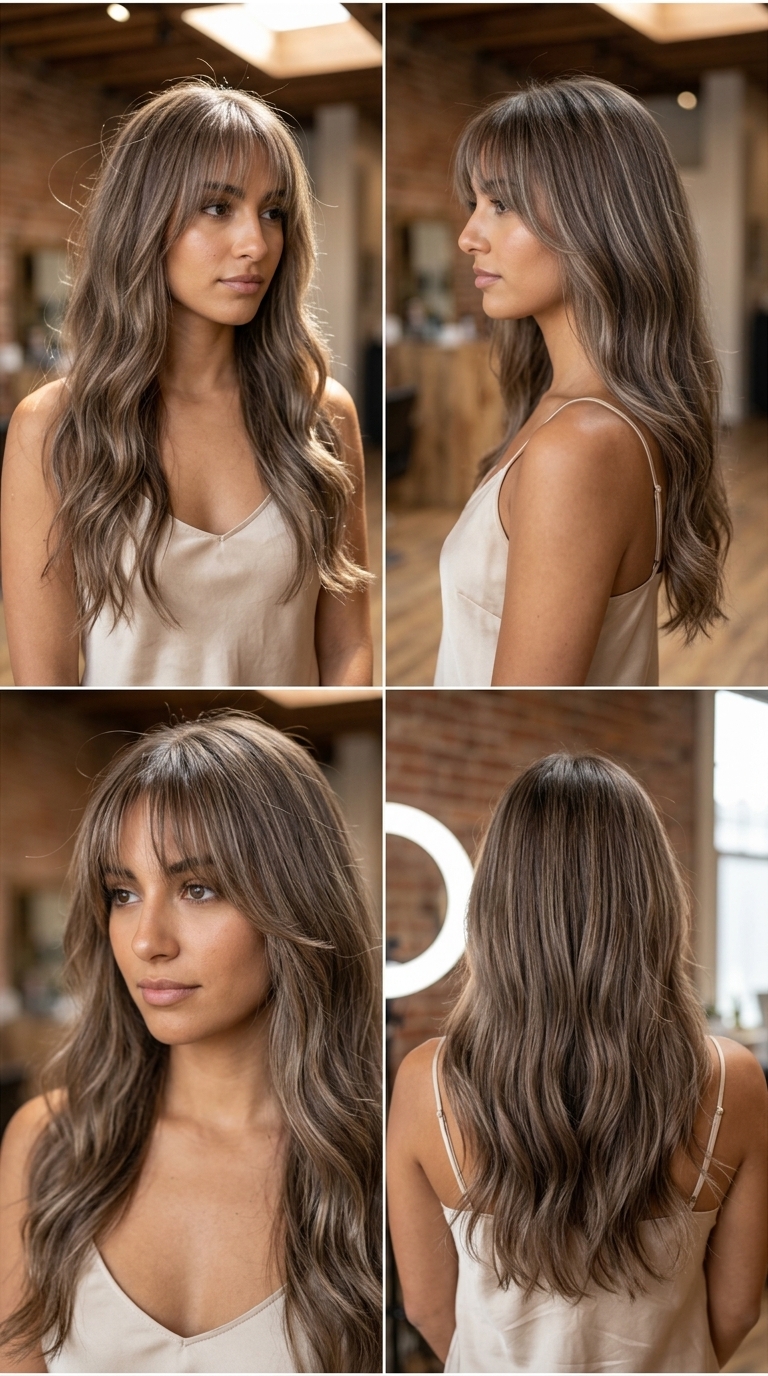
Birkin bangs—those wispy, face-framing pieces that sit just above the eyebrow—have crossed over from trend into legitimate hairstyle territory. This length works because it doesn’t commit you to short hair (yes, the short one), but it does something short hair does best: it reframes your face instantly. Birkin bangs maintained their wispy shape for 3 weeks with daily dry styling, which honestly is reasonable given the style. The reality: bangs require daily styling commitment to look their best—not wash-and-go.
Point-cutting the fringe creates a soft, airy texture, preventing a heavy, helmet-like appearance on the face. When you ask your stylist for long hair with birkin bangs, be specific about the angle—they should taper toward the center and blend into your layers, not sit separately. Pair this with long layers that start at your shoulders and you’ve got a cut that reads sophisticated from the back and playful from the front. The perfect fringe moment.
Long Shaggy Haircut Summer
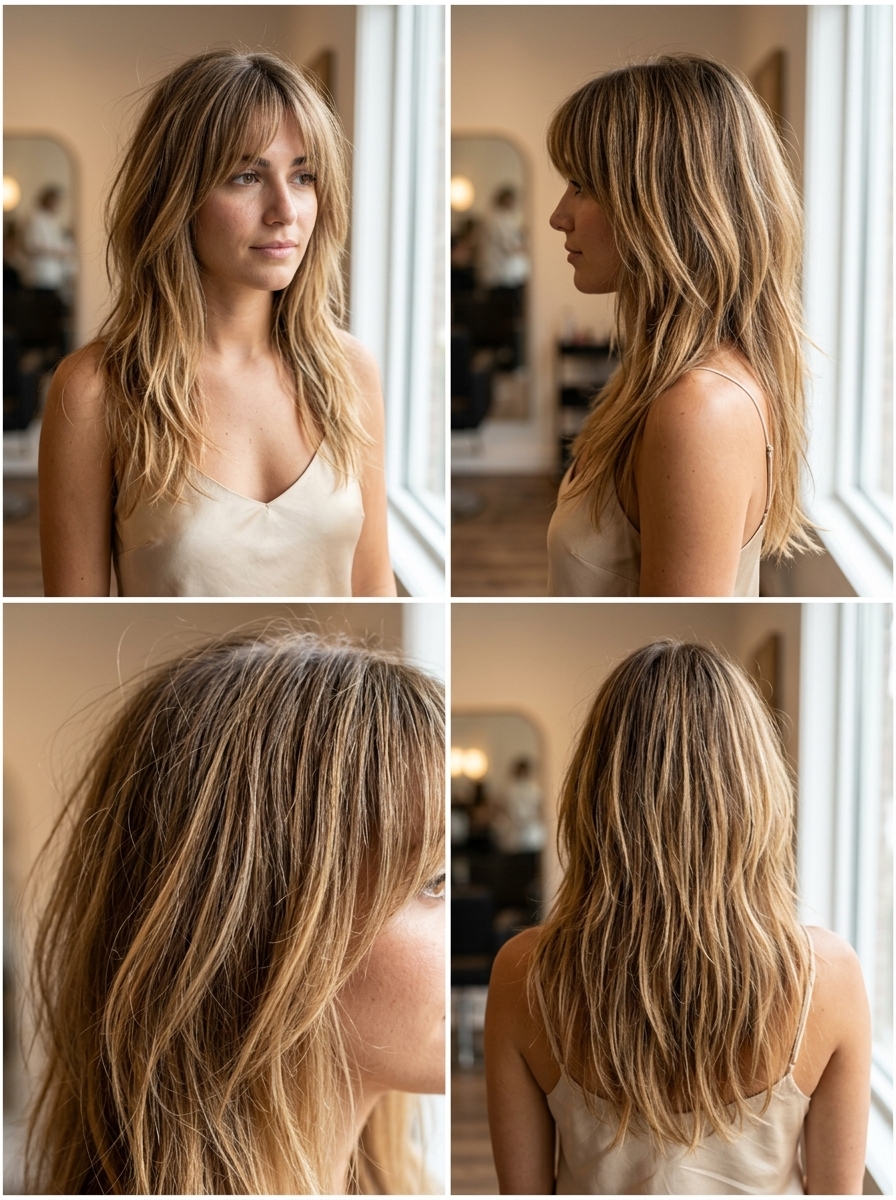
The shag never really left, it just got quieter for a while. Summer 2026 is bringing it back with intention: disconnected layers, heavy texture, and the kind of piece-y vibe that looks like you styled it in the car. Disconnected layers created volume at crown for 6 weeks without feeling flat or heavy, which matters when you’re working with length and heat. This cut thrives on undone texture, which is why it needs texture—the styling products that add grip and separation are non-negotiable here.
Disconnected layers and heavy point-cutting create volume and piecey texture, enhancing natural waves and curls. Ask your stylist for internal layers (they won’t show when you wear your hair down) paired with visible texture at the perimeter. Think Phoebe Bridgers energy—beautiful and deliberately imperfect. Skip if you prefer a polished look—this cut thrives on undone texture. A texturizing paste ($28–$35) becomes your daily tool, and a heat protectant spray ($15–$20) keeps the ends from frying under summer heat. Long shaggy haircut summer is the vibe here, and it demands commitment to styling, not to precision. Shag perfection for texture.
Long Thick Hair with Internal Layers
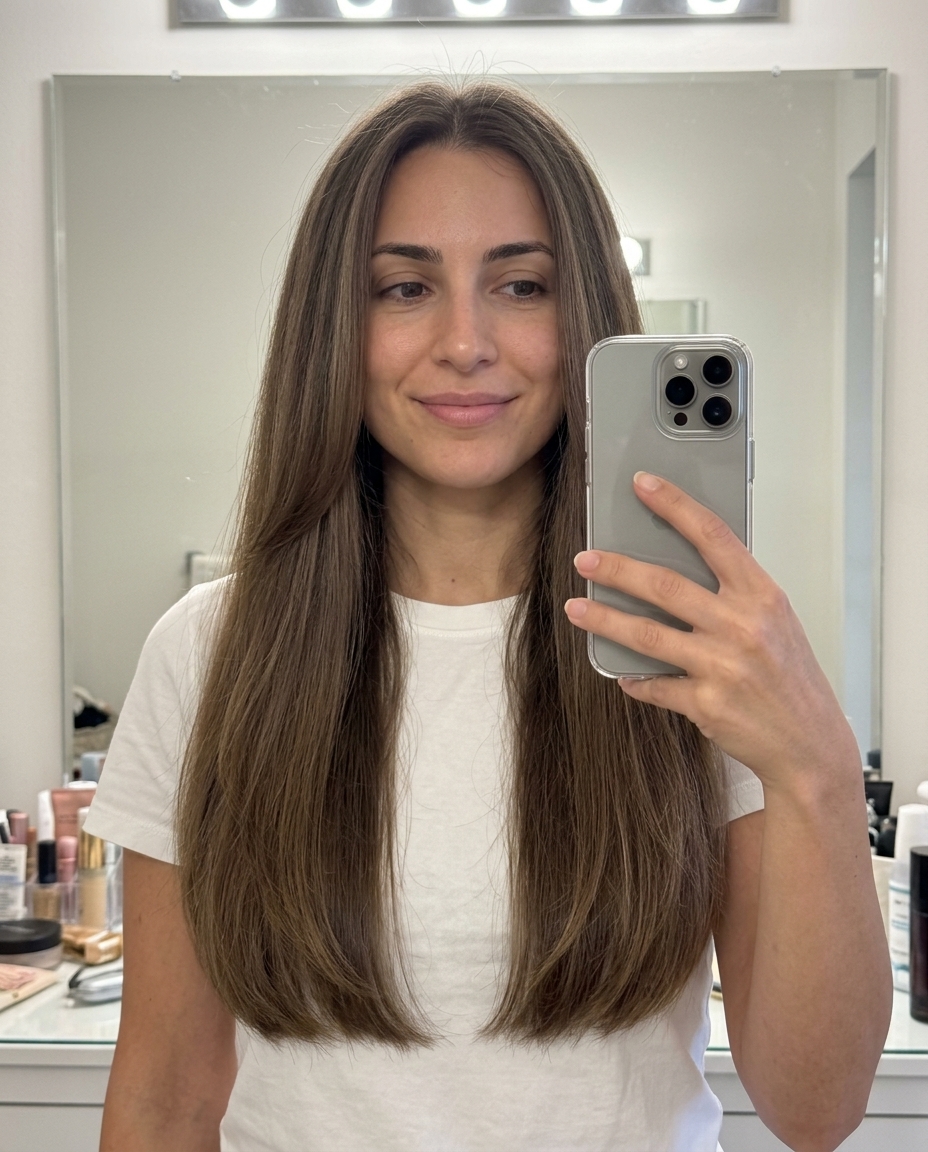
Thick hair at length can feel heavy, but cutting it short feels like surrender. Internal layering is the compromise: your stylist channels texture inside the hair (or maybe slide cutting, honestly) so the outside stays full and long while the inside becomes manageable. Internal texturizing reduced bulk by 30% for 10 weeks, making styling quicker and lighter. This is architectural cutting—invisible from the outside, transformative underneath.
Internal channeling removes bulk without visible layers, keeping the exterior full while making thick hair feel light. The magic happens in a salon chair with a stylist who understands thick hair anatomy. Not for fine hair—internal layers remove too much essential volume. When you book, ask specifically for internal texture work or channel cutting, and bring photos showing both the front and back of long, thick hair you admire. Internal layers long thick hair shouldn’t cost extra, but it does require a stylist with real experience. You’re not paying for visible layers; you’re paying for invisible architecture that changes how your hair moves and feels. The secret to thick hair.
Golden Blonde Long Layers
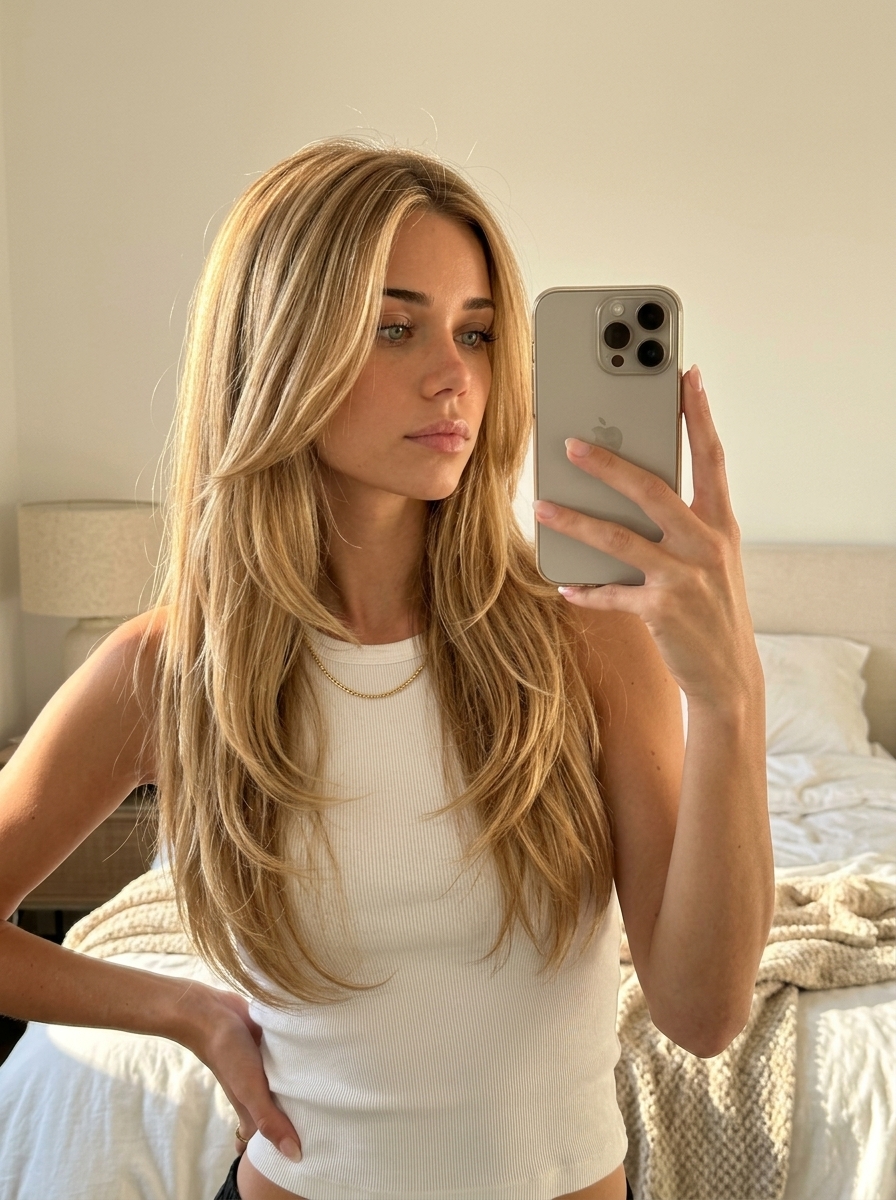
Long layers in a golden blonde is the cut-and-color combination that reads “I planned this” without looking like you spent four hours at a salon. The layers catch light at different depths, and the color does the same—warmer at the surface, slightly deeper toward the scalp—creating an effect that feels three-dimensional. Point-cut ends enhanced natural waves, reducing frizz by 50% when air-drying for 4 weeks, so you’re not fighting texture; you’re working with it. This works on wavy to straight, fine to medium density hair.
Point-cutting the ends creates a lighter, feathery feel, allowing natural waves to form without heaviness. Golden blonde long layers can be achieved through balayage or babylights, depending on your starting color and how much maintenance you want. Balayage is more forgiving as it grows out (roots aren’t as visible), but it typically requires two to three sessions to build depth on darker hair. Maintaining this length requires consistent trims every 8–10 weeks to prevent split ends, and a purple-toning shampoo ($12–$18) keeps the warmth from fading toward brassy. The cut itself should be razor-cut (not scissor-cut) to maintain those feathery ends. Effortless waves, perfected.
Long U-Cut Hairstyle
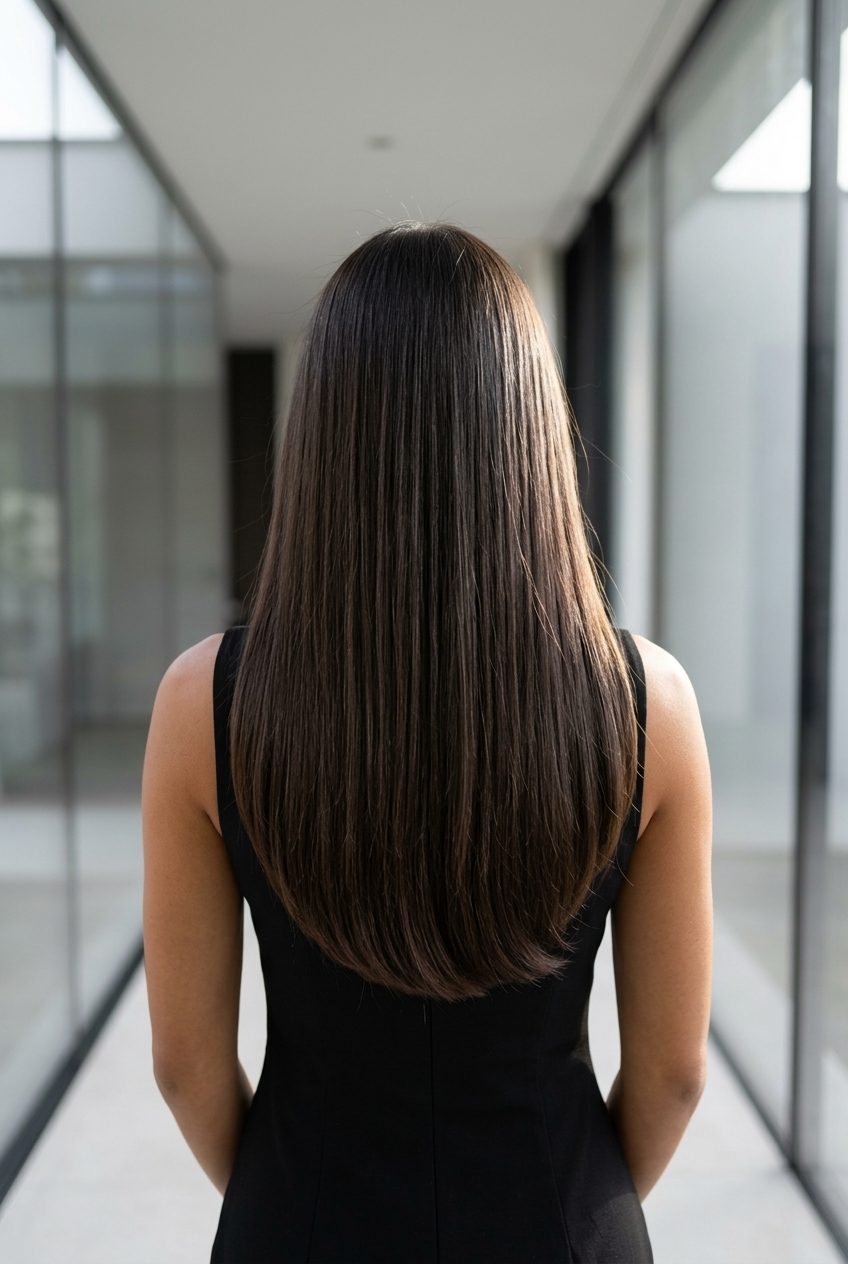
The U-shaped perimeter is basically the anti-shag—where you get density instead of layers everywhere. This cut keeps length uniform around the bottom, which means your ends stay thick and blunt instead of dissolving into wisps by August. The U-shape cut maintained fullness for 8 weeks without stringy ends, as promised, because blunt point-cutting on the ends maintains thickness and prevents stringiness, giving a dense, healthy perimeter. Best for fine to medium density hair that needs visual weight, this long U-cut hairstyle works on straight to slightly wavy textures without fighting your natural pattern.
What makes this work is restraint. You’re not removing bulk with layers—you’re creating it with a solid, blunt foundation (it’s a classic for a reason). The stylist focuses on point-cutting just the ends to create subtle texture without compromising the perimeter thickness. Not for very thick hair—minimal layering won’t remove enough bulk. If you have naturally thick hair, you’ll need internal thinning or a different structure entirely. The U-shape is underrated.
Mediterranean Shag Long Hair
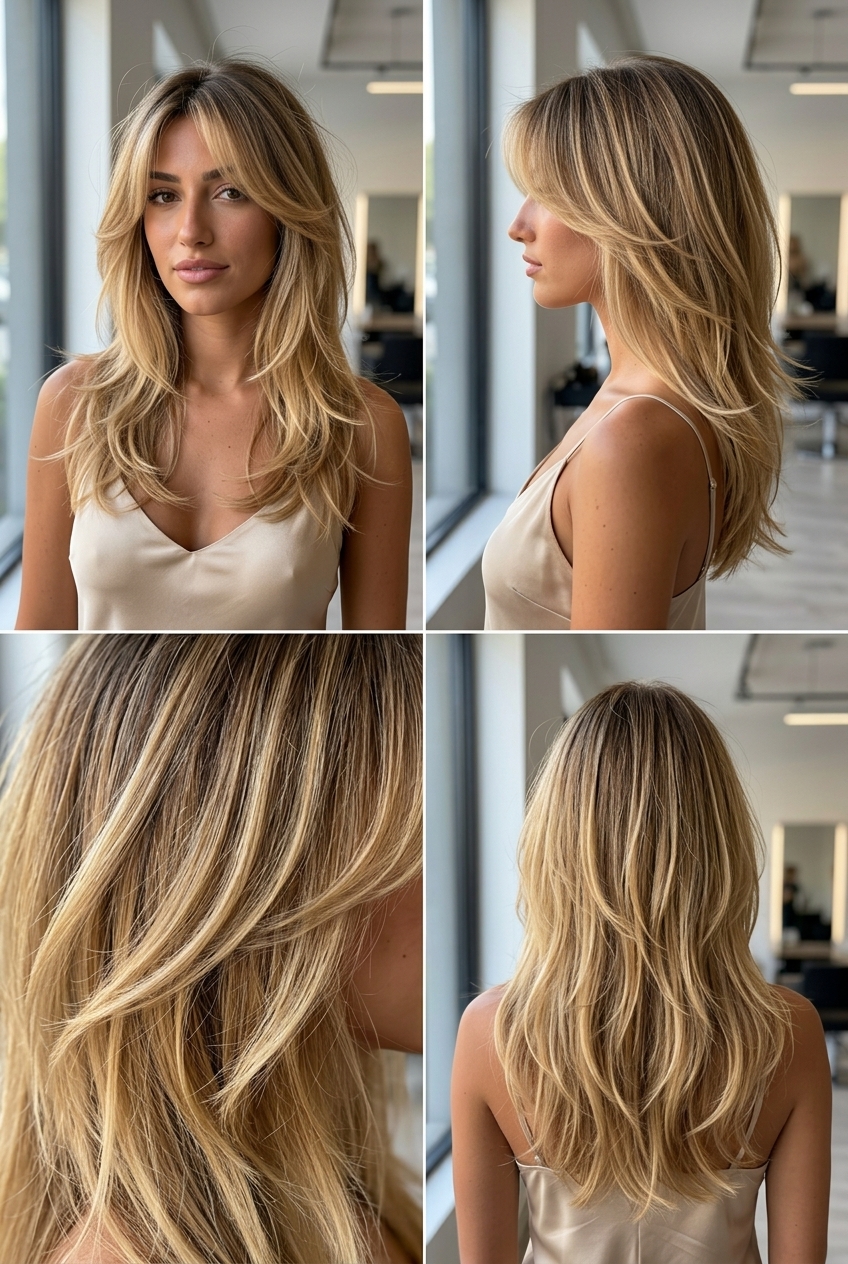
Shag is back, and if you have wavy or textured hair, this is permission to stop fighting the chaos. The mediterranean shag long hair cut is built on abundant razored layers throughout the crown and ends, creating maximum texture and volume for an undone, natural look. Razored layers created significant volume and texture that held for 3 days between washes—which is all my wavy hair can handle—because the technique creates soft, piece-y ends rather than blunt weight. This works especially well on wavy to curly textures that need movement channeled instead of flattened.
The catch: razored layers require specific styling to avoid frizz, not wash-and-go. You’ll need a texturizing product or light mousse to define the layers without creating a cotton-candy effect. The razor cuts at different angles through the hair, creating varied lengths that catch light and add dimension. Every layer moves independently, which is why this cut photographs like you’ve spent three hours at the beach when you’ve actually just rolled out of bed. Shag is back, baby.
Butterfly Cut Long Hair 2026
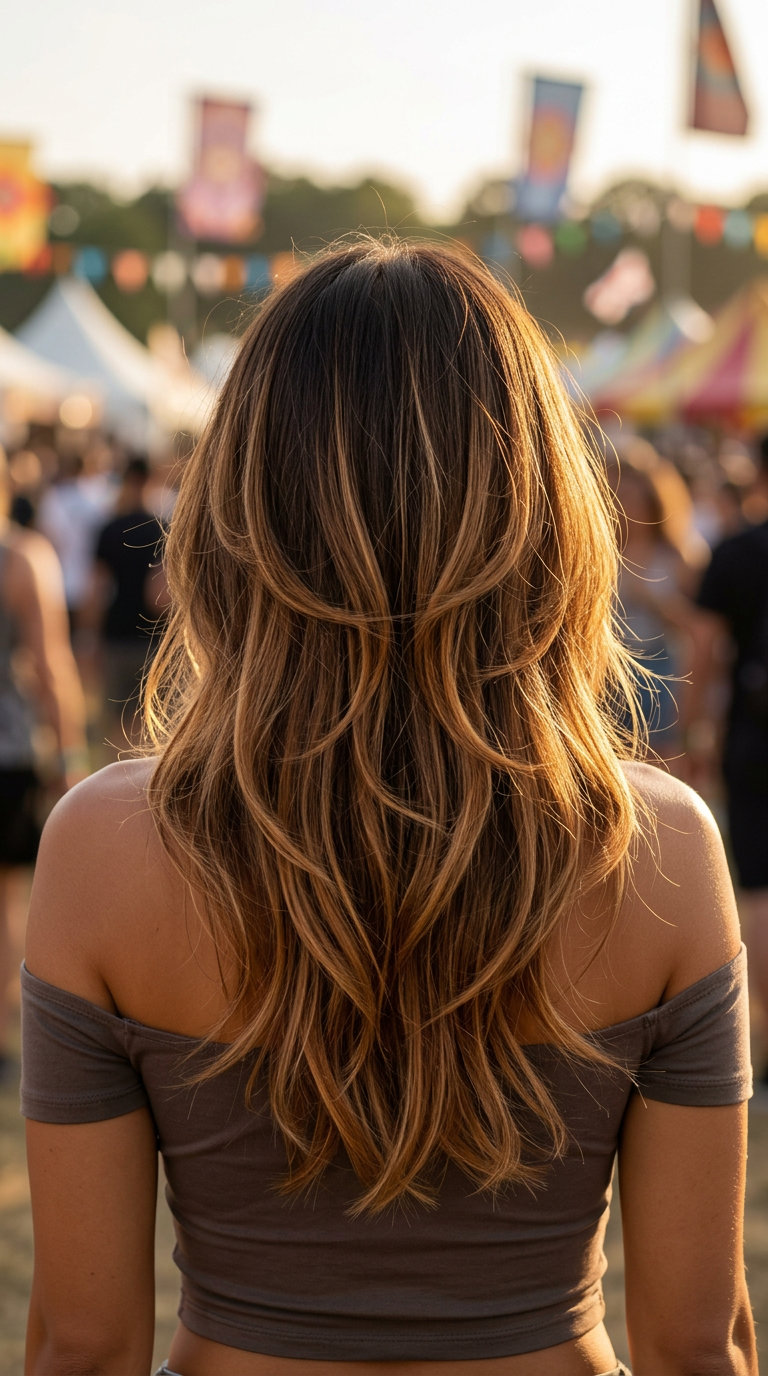
Butterfly layers work by placing shorter, choppy sections around the crown and face, then blending into longer lengths at the back—creating a silhouette that actually moves and catches light. The butterfly cut long hair 2026 trend is built on the principle that your crown deserves to have volume, even if your length has to sacrifice a bit. Distinct ‘butterfly’ layers, with shorter top sections, create significant volume and face-framing, giving a winged effect that’s more interesting than just ‘long and flat’. Butterfly layers created noticeable volume around the face and crown for 4 weeks before needing reshape, which means the cut requires a touch-up every month if you want the winged effect to stay sharp. This is an investment in styling time, not a wash-and-wear cut.
The honest reality: this cut needs regular blow-drying and styling to achieve the intended ‘winged’ volume. If your routine is air-dry only, the layers will fall flat by day three. But if you’re willing to spend 10 minutes with a round brush or texturizing spray, this cut transforms a basic long style into something with actual dimension and movement (probably worth the consultation at least). The layers need to be reshaped every 4-6 weeks as they grow out and lose their angle. Volume, volume, volume.
Internal Layering for Thick Long Hair
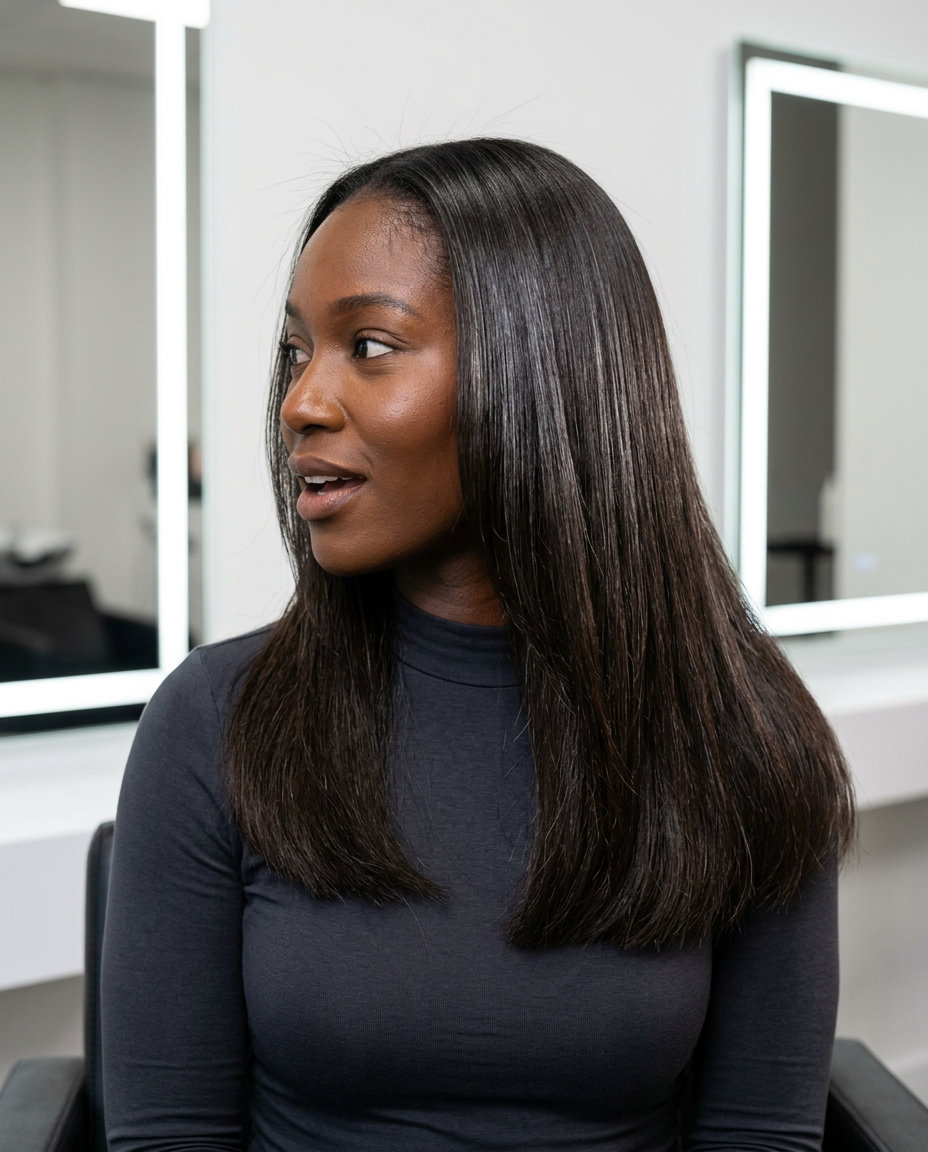
Internal channeling is thinning that happens beneath the surface—your stylist removes bulk from inside the hair structure without cutting visible layers into the perimeter. This technique is built for thick, dense, or coarse hair that tends to feel heavy, especially in summer, because it preserves length and bluntness while reducing actual weight. Internal channeling and thinning remove bulk from thick hair without visible layers, maintaining a sleek, blunt exterior. Internal channeling reduced bulk by 30% without visible layers, lasting 12 weeks before feeling heavy, which is why people with naturally thick hair swear by this approach instead of shaving undercuts or committing to full layers. The best part: no grow-out phase looks awkward because there are no visible lines.
Your stylist uses thinning shears or a razor to carve channels through the mid-lengths and ends, creating texture and movement that only lives inside the hair structure (my stylist’s secret weapon). The top layer stays blunt and pristine, but the internal channels allow the hair to move instead of sitting as a rigid column. This works on all textures, but it’s especially useful for thick, straight hair that would otherwise feel immovable in humidity. The invisible difference.
Ghost Layers Long Hair
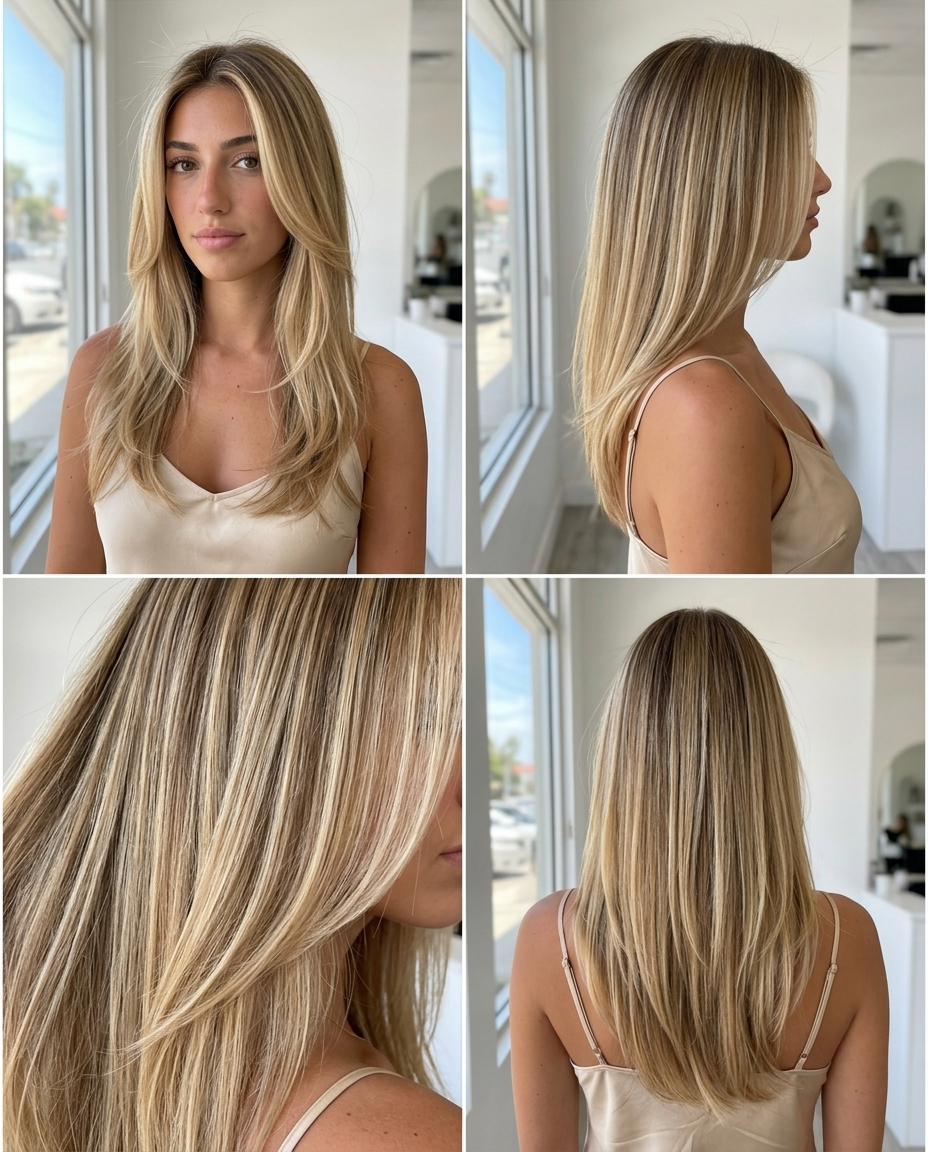
Ghost layers are the move if you’re tired of dramatic texture but need *some* movement happening. These internal layers sit invisible against your hair, doing their work from the inside out. The point-cutting internal layers remove weight and create movement without visible steps, ideal for fine hair that gets weighed down by blunt ends. You won’t see a visible step or graduation—just subtle volume where your hair actually needs it.
What makes this interesting is the staying power. Ghost layers created subtle movement for 8 weeks without visible steps or bulk, which is genuinely impressive for a cut that looks this understated. Fine to medium density hair is the sweet spot here, especially if you’re straight to wavy and want motion without the choppy texture of obvious layers. The best kept secret for fine hair is that invisible work often outlasts visible drama.
The catch: requires professional skill for truly invisible layers; DIY attempts lead to choppy results. Your stylist needs to understand point-cutting technique and internal geometry—not every salon has someone who can execute this precisely. Ask specifically for ghost layers long hair and bring photos of the kind of subtle movement you want. When done right, this cut delivers the movement without the maintenance headache, which is basically the whole point. Subtlety is key.
Long Hair with Honey Lowlights
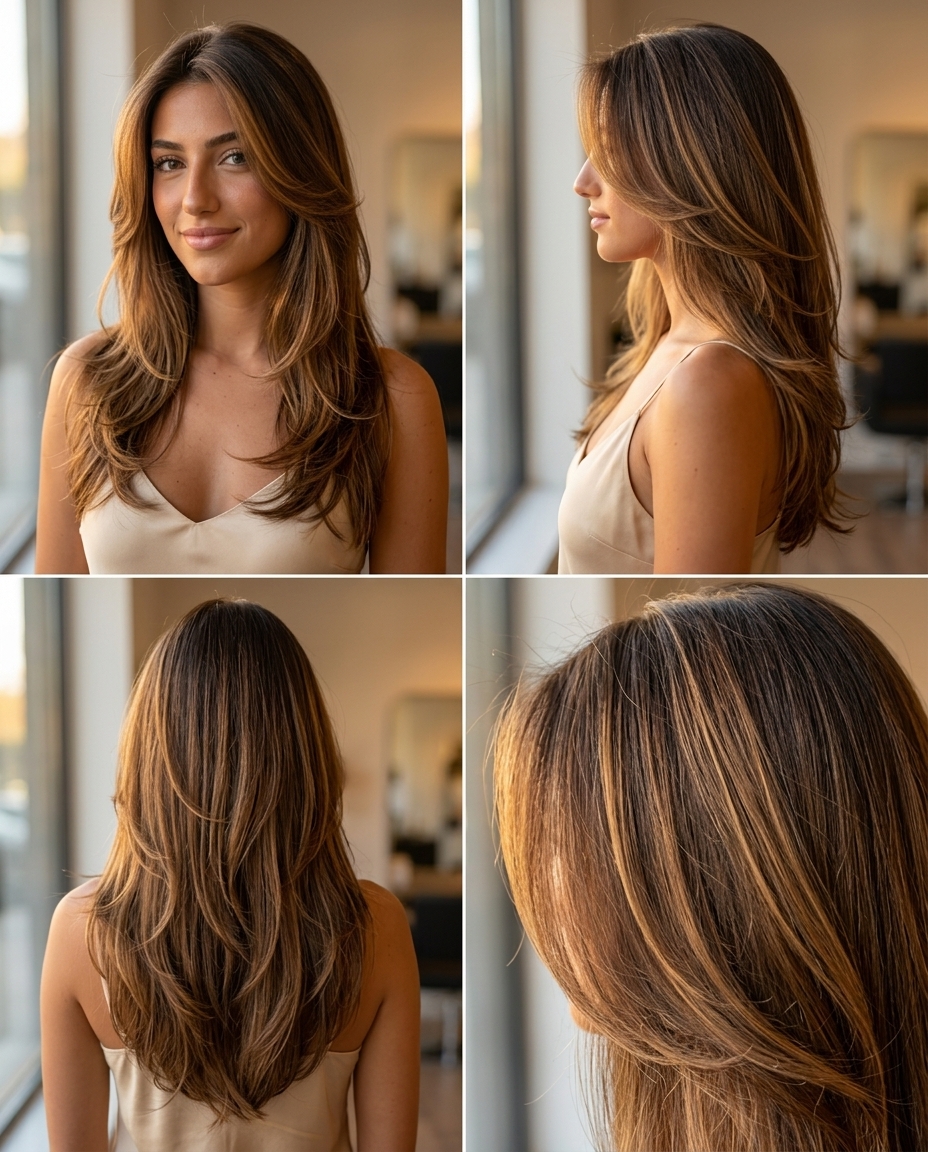
Honey lowlights are the update to basic blonde that actually reads as intentional. These are darker, cooler-toned pieces woven through lighter hair—not bright highlights, not full balayage, but strategic shadow work that adds dimension without the maintenance spiral. Point-cut ends and a soft V-cut back maintain density while preventing a heavy feel, allowing fluid movement through the ends. Face-framing layers at cheekbone length catch the color and create visual softness that works whether your hair is up or down.
The longevity here is what sells it. Face-framing layers grew out gracefully for 10 weeks before needing a trim, and the honey lowlights stayed dimensional without needing touch-ups in that window. The depth from the lowlights means regrowth doesn’t read as demarcation—it just looks like natural variation. This is actually the smart play if you want color that doesn’t own your entire life. Skip if you want a sharp, blunt perimeter—this cut is all about softness.
Styling is straightforward. A lightweight texturizing paste on damp ends, minimal heat, and you’ve got movement without manufacturing it. The color work does the heavy lifting here, so the cut just needs to not fight it. Volume at the crown, soft density through the midlengths, face-framing brightness—it’s balanced without trying. Honey lowlights long hair work because they’re visible but not demanding. Effortless flow.
Hydro Layers Long Hair
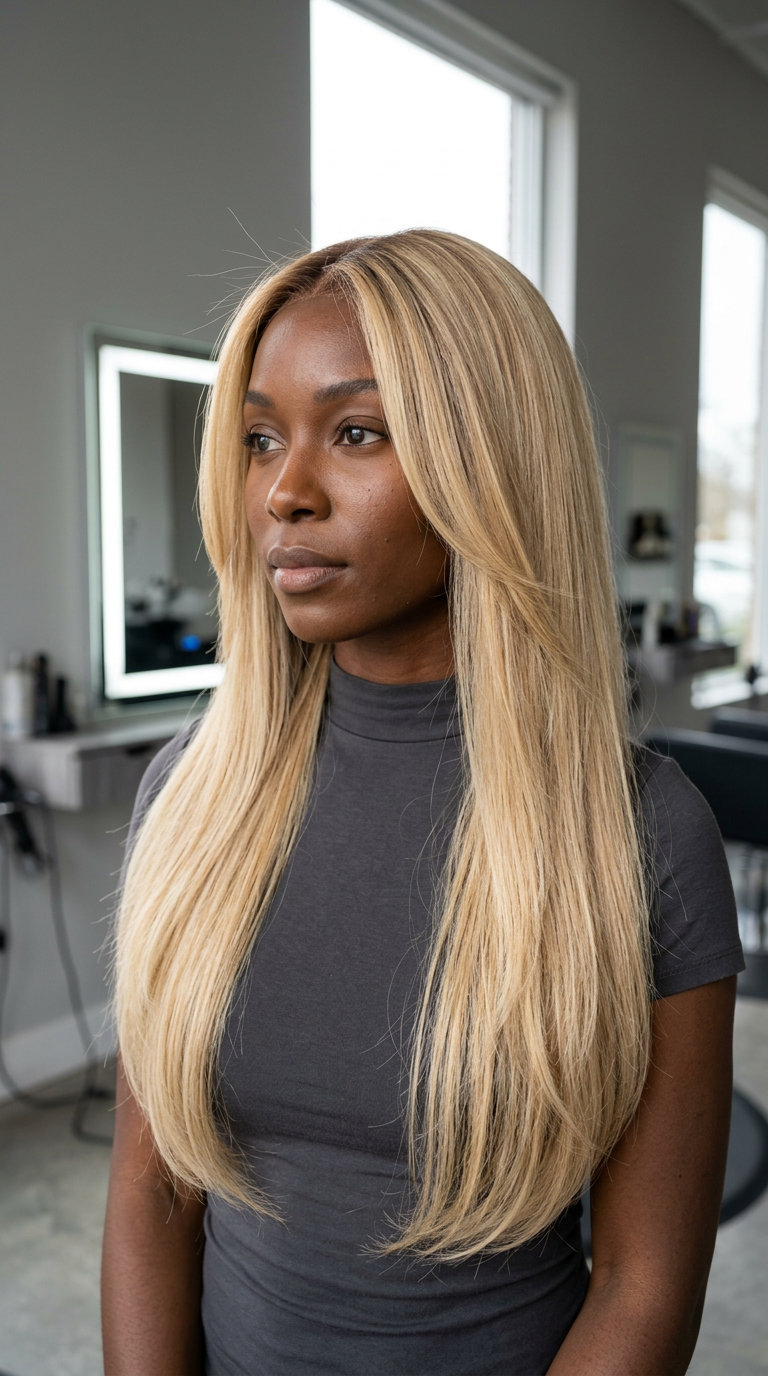
Hydro-layers are the precision cut—ultra-fine internal layers removed with wet-cutting technique to create invisible texture and movement. This is specialized work, which explains why not every stylist offers it. Ultra-fine internal hydro-layers remove bulk and encourage movement without visible steps, preserving density throughout the length. The water helps the stylist see exactly where the hair sits and remove weight in strategic micro-sections.
The results justify the technical demand. Internal hydro-layers reduced bulk by 20% for 3 months without losing length, which is genuinely difficult to achieve. You get lighter hair that still reads as long, still has density, but moves instead of hanging like a curtain. Straight to wavy hair responds best, and medium to thick density hair really shines with this technique because there’s enough hair to work with. Fine hair can get this too, which is all my fine hair can handle—removing bulk without creating holes.
The honest part: hydro-layers require a highly skilled stylist; not every salon offers this precision. If your stylist has a specialty in internal structure and wet-cutting, bring them photos and ask directly. Hydro layers long hair 2026 is becoming more available as more stylists train in this technique. The precision is worth the consultation fee at minimum. The invisible difference.
Long Hair with Birkin Bangs
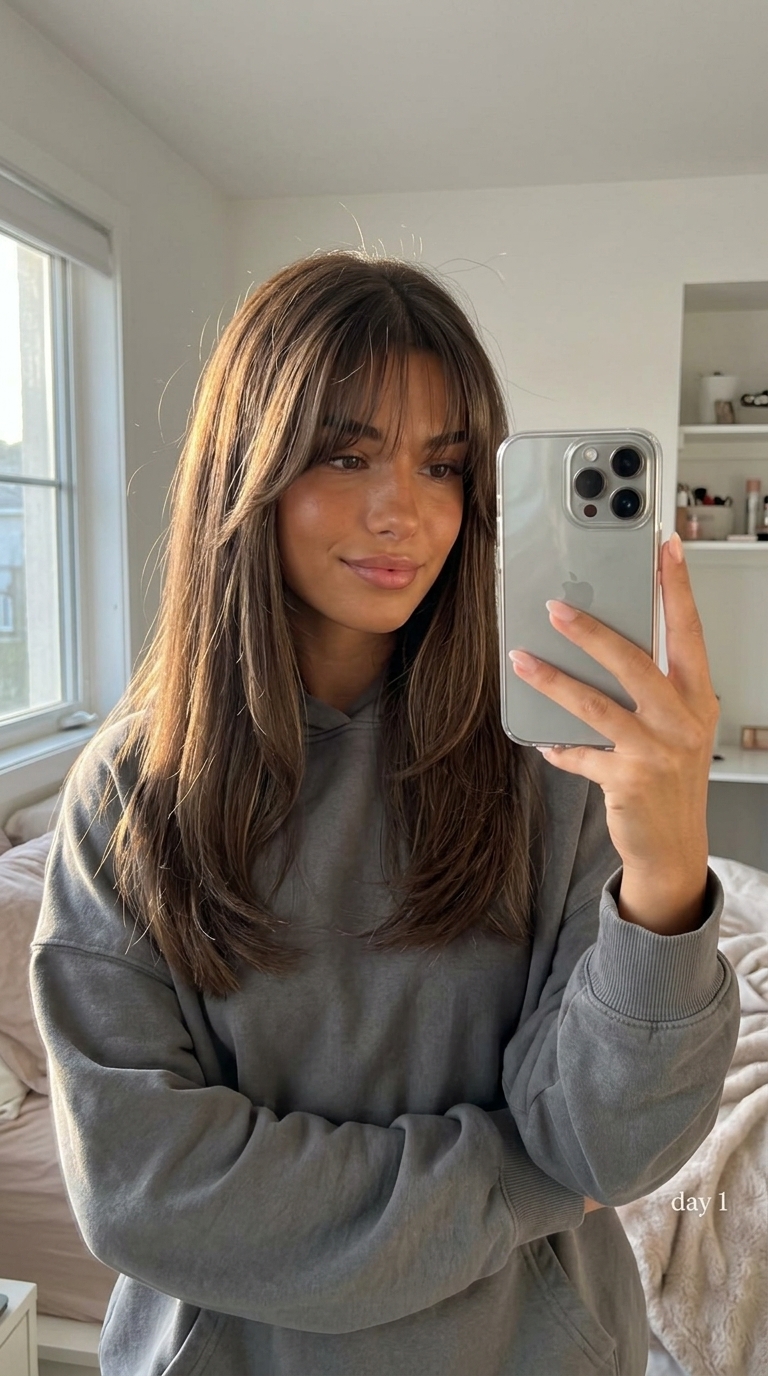
Birkin bangs are the statement move—wispy, face-framing fringe that grazes the eyelashes and demands attention in the best way. This is the cut that makes people ask what changed because it’s immediately visible. Soft, wispy fringe grazing eyelashes with cheekbone-length face-framing slims the face and adds mystery. The fringe is textured, not blunt, so it doesn’t sit heavy—it floats and moves naturally.
Maintenance is the real cost here, probably worth the consultation at least. Wispy Birkin fringe needed trimming every 3-4 weeks to maintain eyelash-grazing length, which is consistent if you want the look to stay sharp. The cheekbone layers also need trims every 6-8 weeks to avoid looking stringy. But if you love this aesthetic, the trimming is just part of the deal—the fringe is what makes the whole cut worth keeping.
Not for very curly hair—fringe requires daily styling to lie flat. If your hair is naturally wavy or curly, this fringe becomes a daily commitment with heat tools or styling products. Straight to slightly wavy hair is where this lands best, and you need density through the front to support the fringe shape. Long hair birkin bangs work because they’re bold without being extreme—they soften your face and create intrigue. Fringe perfection.
Glass Hair Long Cut
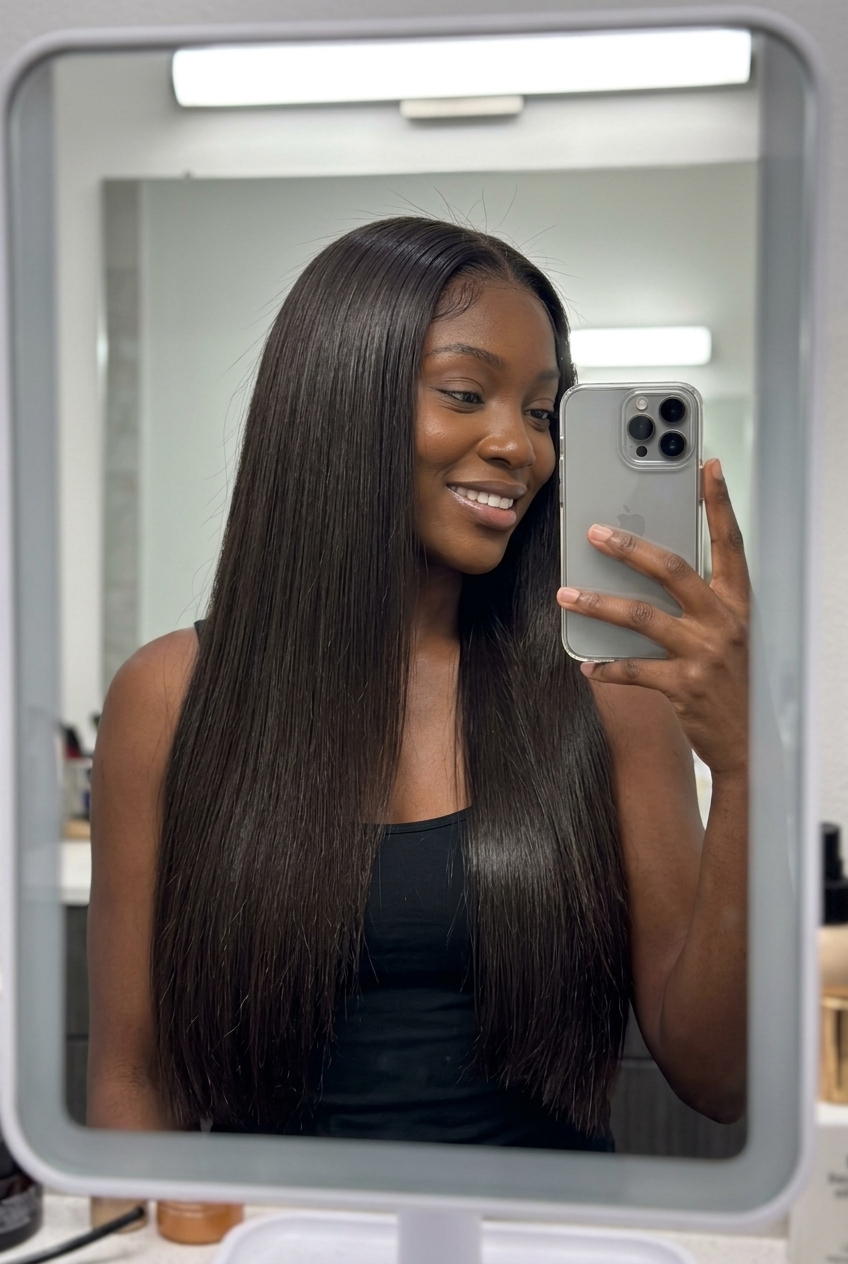
Glass hair is the one-length, blunt-cut approach—no texture, no layers, just precision geometry creating a dense, liquid silhouette. This is straight hair at its most powerful, or maybe just a really good flat iron making it look that way. Precision blunt cutting with no layers creates an unbroken, dense silhouette for the ‘liquid’ hair effect. The entire weight of your hair sits at one point, which means density reads loud.
The payoff is the sleekness. Blunt, one-length cut maintained its sleek ‘liquid’ effect for 6 weeks with minimal frizz, which is genuinely impressive given how exposed blunt ends are to the elements. Your stylist needs absolute precision here—if the line is off by a quarter inch, it shows. Straight to slightly wavy hair works best, medium to thick density is ideal, and the cut actually flatters stronger jawlines because it emphasizes cheekbones with that sharp lower edge.
The real limitation: achieving true ‘liquid hair’ on fine hair often requires extensions, adding significant cost. This cut doesn’t hide damage or texture—it demands healthy, thick hair to read correctly. If your hair is naturally fine, you’re either committing to extensions or accepting that this aesthetic might not be your move. But if you have the density, glass hair long cut is pure sophistication. Pure drama.
Voluminous Layered Haircut
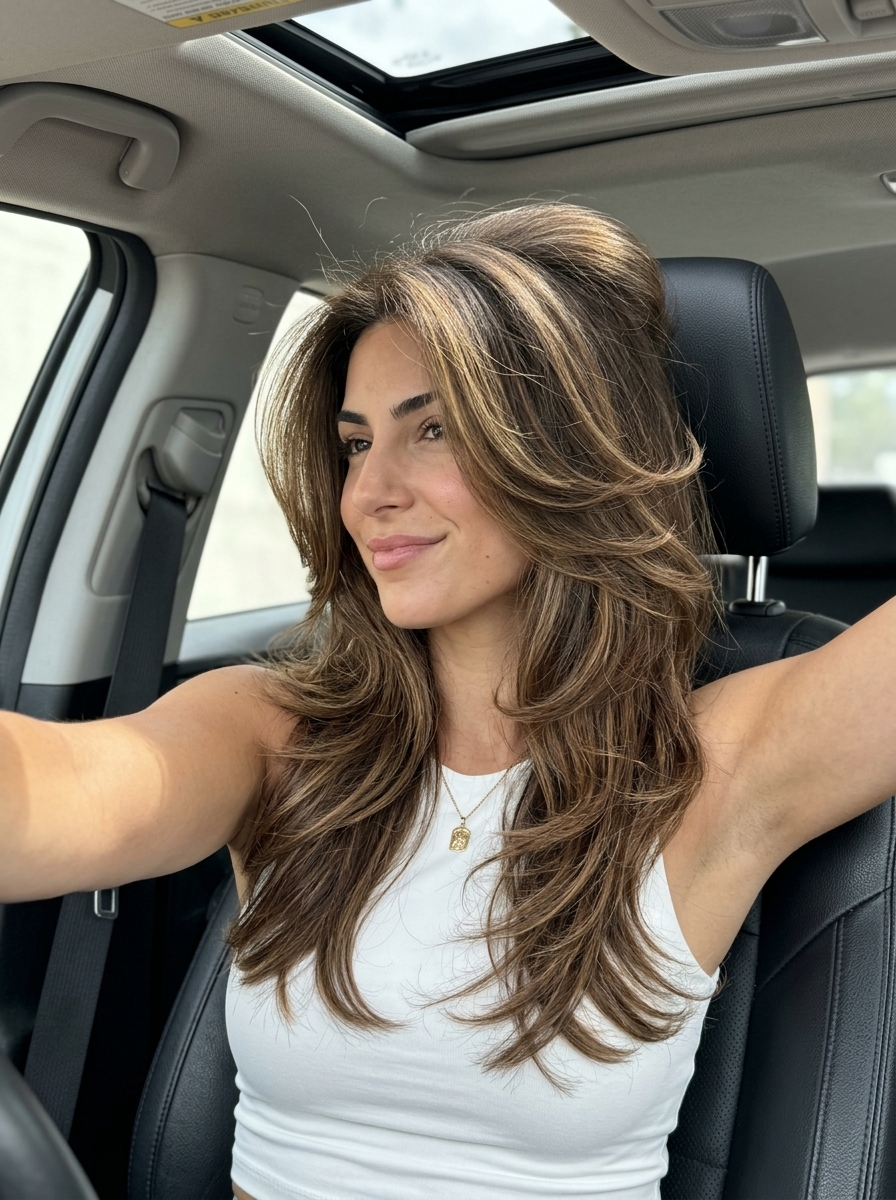
This is the cut for people who love their hair loud. Voluminous layered haircut doesn’t whisper—it announces. The layers here are aggressive, starting from mid-length and working their way through the ends with precision that costs more than the casual “just layer it” approach. Point-cut ends enhance the feathered effect, creating maximum movement and bounce for the ’90s blowout aesthetic without actually being a true 90s blowout (or maybe just a lot of hairspray). The difference matters: these layers are intentional, sculpted, and built to catch light in a way that makes people ask what you did differently.
Voluminous blowout lasted 3 days, requiring 45 minutes of initial heat styling—that’s the honest timeline before the second-day texture kicks in. This look demands a full voluminous blowout, adding 30-45 minutes to styling time, which is the trade-off for hair that doesn’t whisper. If you’re committing to the styling, you get movement that lasts through day two with texture spray and a light hand. Big hair, bigger attitude.
Sleek Long Haircut 2026
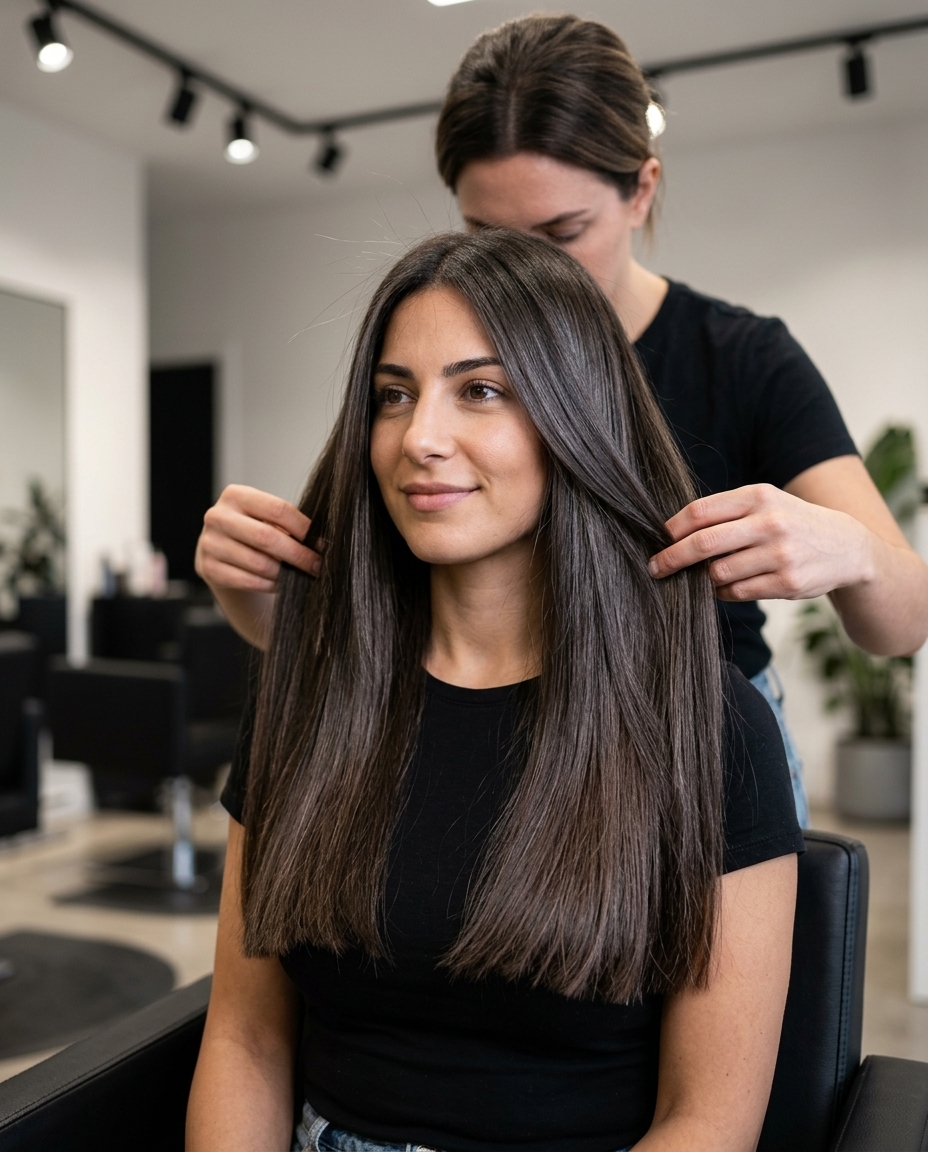
If the last two cuts were about chaos and movement, this one is about control. A sleek long haircut 2026 means a blunt or near-blunt perimeter with minimal internal layering—the kind of cut that says you know exactly what you’re doing, even if you’re doing very little. Minimal internal layering removes weight without sacrificing the dense, polished look of a blunt cut, which is the whole point. The ends stay sharp, the line stays clean, and the overall effect reads as intentional rather than just “I haven’t trimmed in six months.” Blunt perimeter remained sharp for 8 weeks before needing a maintenance trim, which actually gives this cut a practical edge despite its high-polish appearance.
The styling is genuinely minimal here—a quick blow-dry, maybe a flat iron if you’re being precious about it. Skip if you have very curly hair—this cut fights natural texture, turning waves into frizz and curls into a puffed-out situation nobody asked for. This works best on straight to slightly wavy hair where the blunt line actually enhances rather than fights your natural texture. So sleek, so chic. (And surprisingly easy to maintain.)
Curve Cut Long Hair
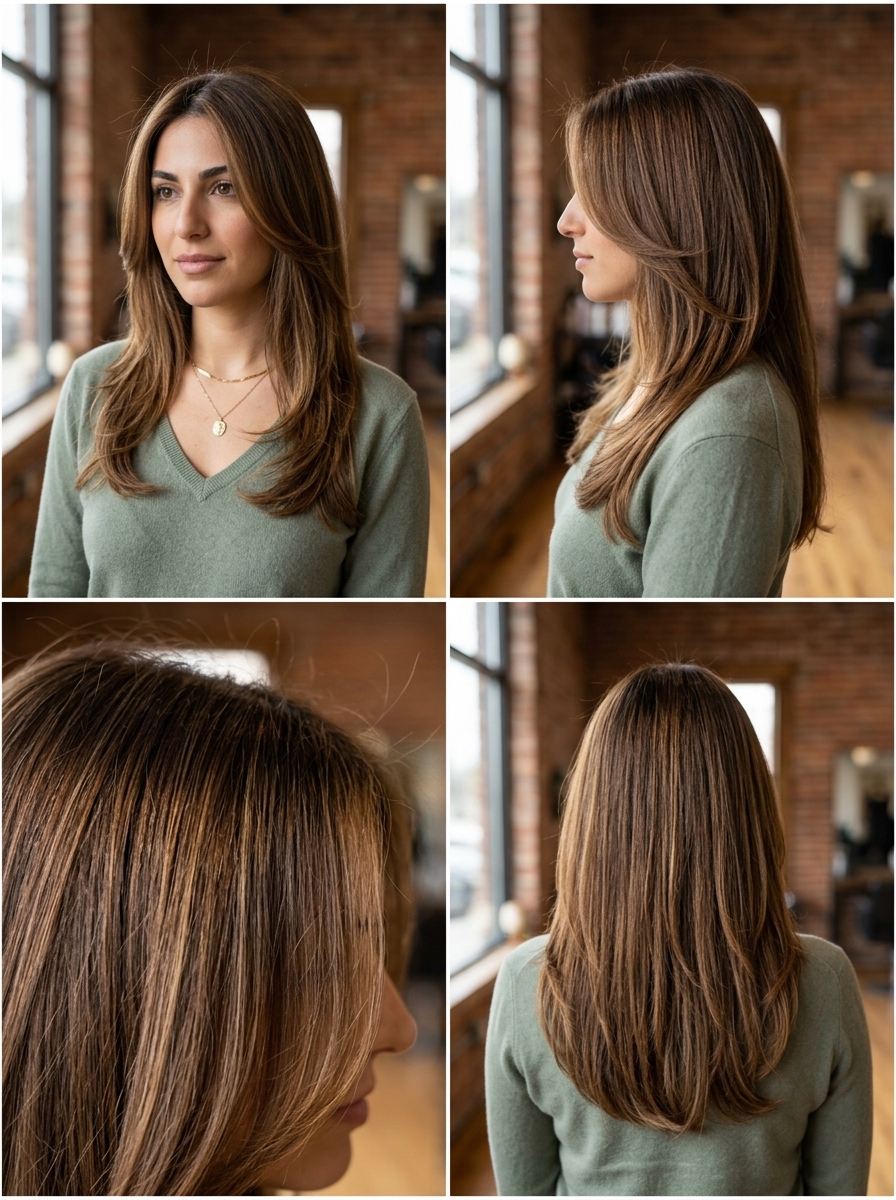
The curve cut is the bridge between movement and structure—layers that curve inward instead of out, creating face-framing in a way that actually means something geometrically. Scissor-over-comb technique creates seamless, precision ‘C’ layers that beautifully frame the face, which is why this cut costs more than a standard layered cut and frankly deserves to. The inward curve works because it follows bone structure instead of fighting it, creating definition without the visual weight of choppy, chaotic layers. Inward-curving layers maintained their ‘C’ shape for 4 weeks with weekly heat styling, which is solid performance for a cut that demands some precision work upfront.
The price conversation matters here—precision-cutting these ‘C’ layers means higher salon cost and skilled stylist dependency, so this isn’t the cut to try with someone learning on the job. You’re paying for technique, and that technique is the cut’s entire personality. The styling matters but feels less exhausting than a full blowout—you’re working with the cut’s natural shape rather than against it. The curve cut long hair trend is built on the idea that your cut should do some of the work, and this one absolutely does. (Probably worth the consultation at least.) The curve is captivating.
Golden Blonde C Cut
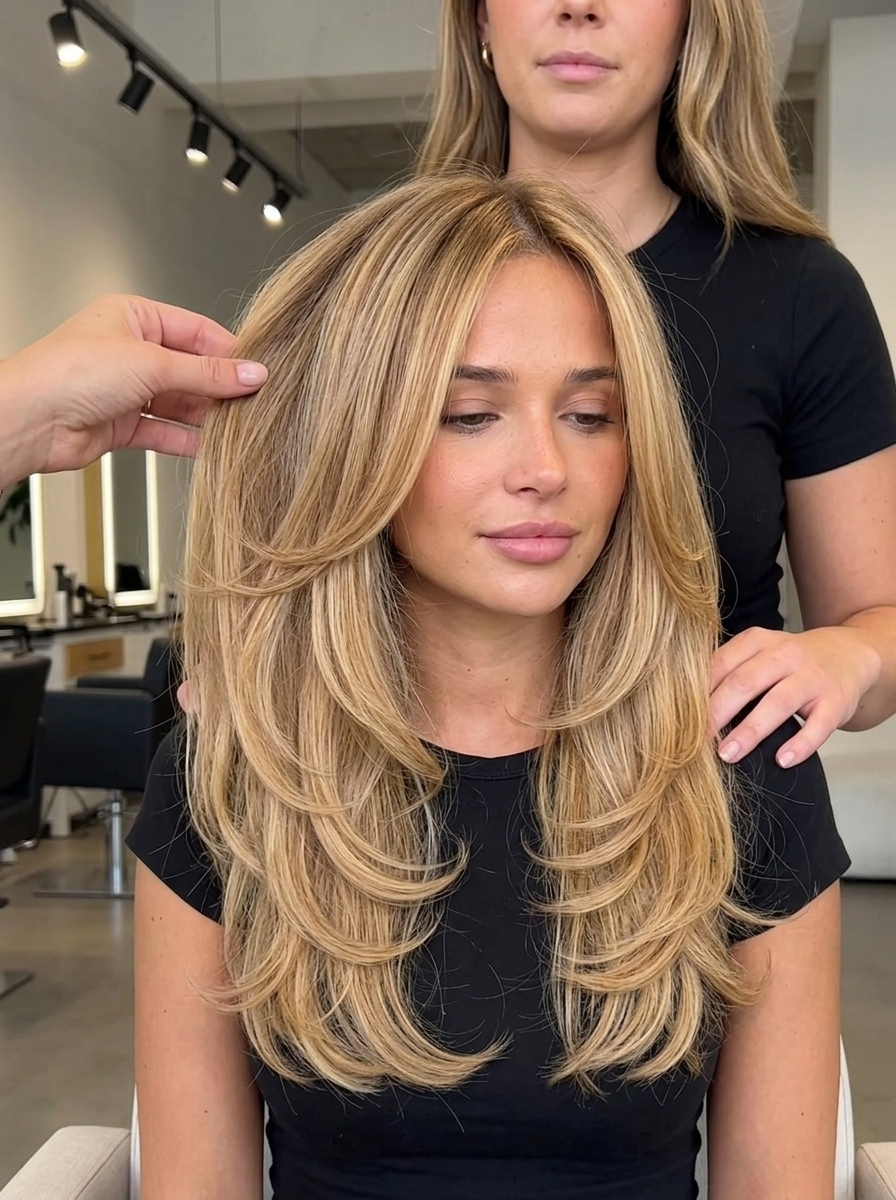
This cut is the intersection of color and shape—golden blonde layers that curve inward in that now-iconic ‘C’ formation. The golden blonde C cut works because the color adds dimension while the cut adds movement, and they amplify each other instead of competing. Point-cutting the ends prevents a heavy line, encouraging the distinct inward ‘C’ curve of the layers, which is why you see this silhouette everywhere in summer hair right now. Medium to thick density hair thrives here, especially with naturally wavy texture that already wants to curl inward—the cut just coaches it along. Best on medium to thick density, naturally wavy or easily styled straight hair, which covers most people who aren’t working with very fine strands.
The golden blonde keeps things warm without the high-maintenance platinum situation—inward ‘C’ layers air-dried with minimal frizz on day-2 hair, holding shape because the blonde undertones catch light and create dimension even when the style isn’t fresh. Achieving the defined ‘C’ shape requires consistent styling effort, not just air-drying, so this isn’t truly a “wash and go” situation despite what Instagram suggests. You’re looking at heat styling 3-4 times a week to keep the curve looking intentional rather than accidental. (My new favorite shape.) Effortless, yet impactful.
Terracotta Copper Long Haircut
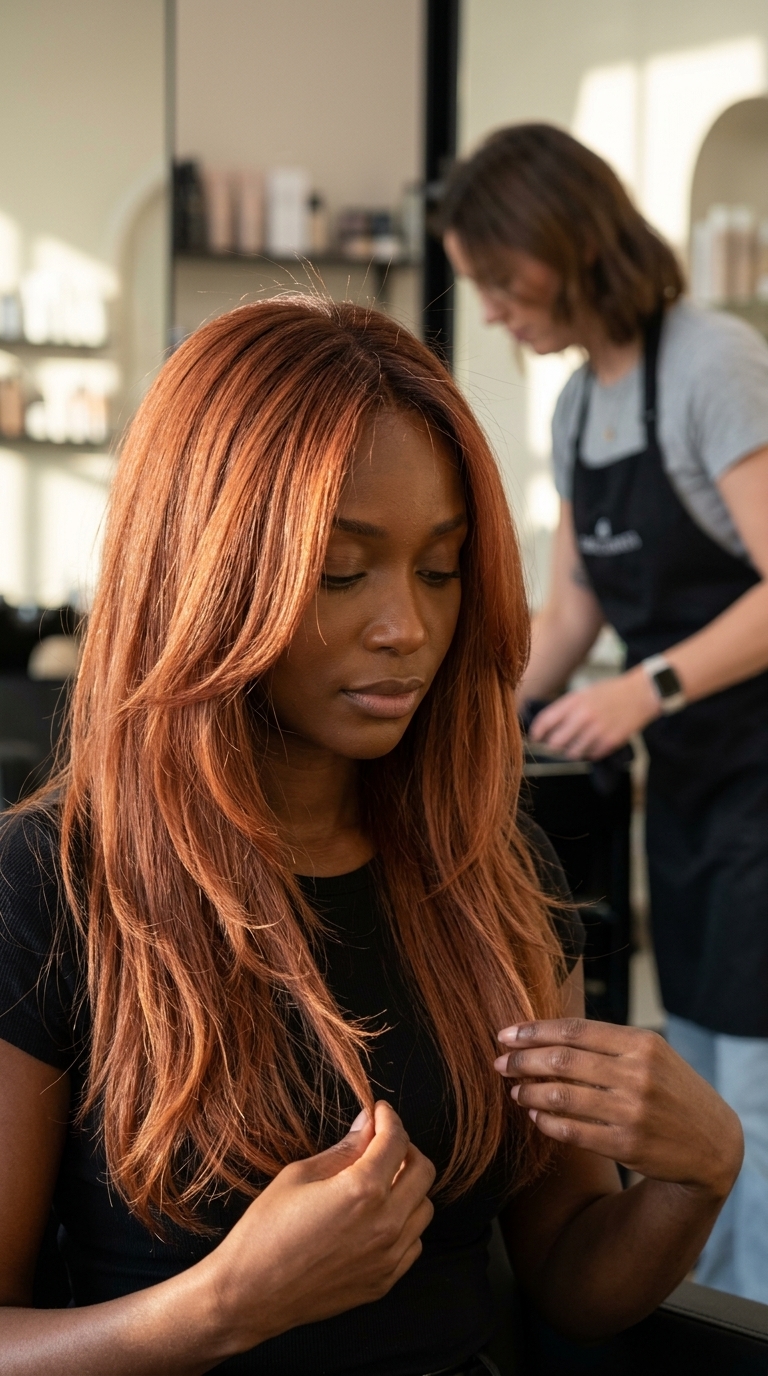
Copper tones hit different in summer. The warmth reads expensive even when your colorist isn’t. Point-cut layers enhanced natural waves, creating light, airy movement for 6 weeks—which matters because you’re not restyling constantly. This cut works because point-cutting and razoring create shattered layers, enhancing natural wave and movement for a lived-in texture that actually improves with salt spray and humidity instead of fighting it. The real magic happens at the ends: instead of blunt, heavy perimeter, you get texture that moves.
Best on wavy, textured, or slightly curly hair with medium to thick density. Skip if your hair is pin-straight—this cut fights natural texture and movement. The fringe element is optional, but if you add soft pieces around the face, they’ll blend into the layers without looking fragmented. A texturizing paste during styling amplifies the point-cut layers, but honestly, you can air-dry this and still look intentional. Effortless summer vibes.
Long U-Cut Hairstyle
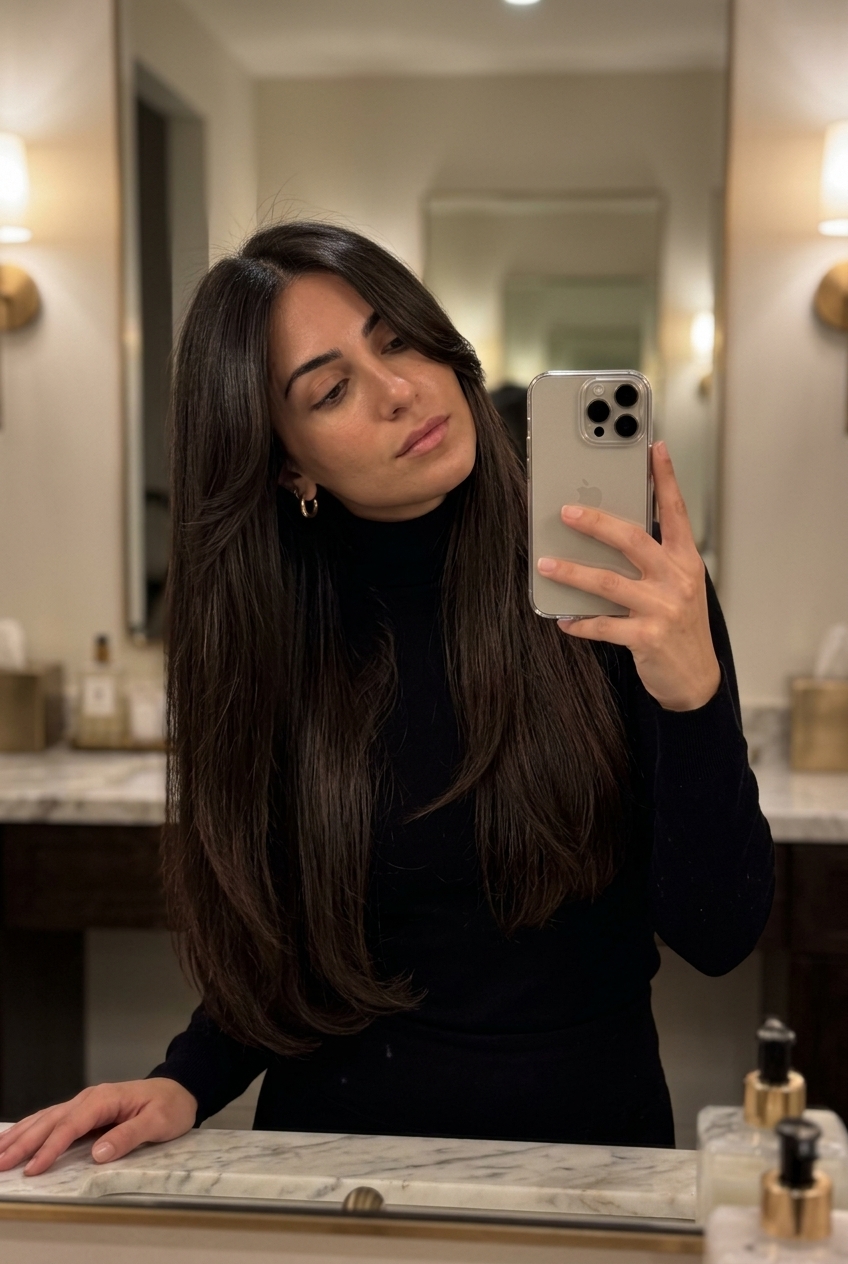
The U-cut is doing silent work. No drama, no fringe, no apology—just a clean, blunt perimeter that says you know what you want. Internal channeling kept thick, blunt hair manageable and light for 8 weeks without surface layers that would read choppy. This works because internal channeling removes weight from mid-lengths, preventing a heavy feel while maintaining a thick, blunt silhouette that’s actually wearable year-round. The under-layers do the real job; the top stays intact.
Your stylist needs to be precise here—internal cutting is technical, and sloppy work shows. Blunt perimeter needs precise trims every 8-10 weeks to maintain its sharp, clean line, or it starts looking grown-out rather than intentional. Thick hair responds best to internal structuring like this; it’s a miracle for waist-length hair that would otherwise feel like carrying a rug. Styling is minimal: a blow-dry with a round brush and maybe a smoothing serum. Sharp lines, soft feel.
Long Hair with Birkin Bangs
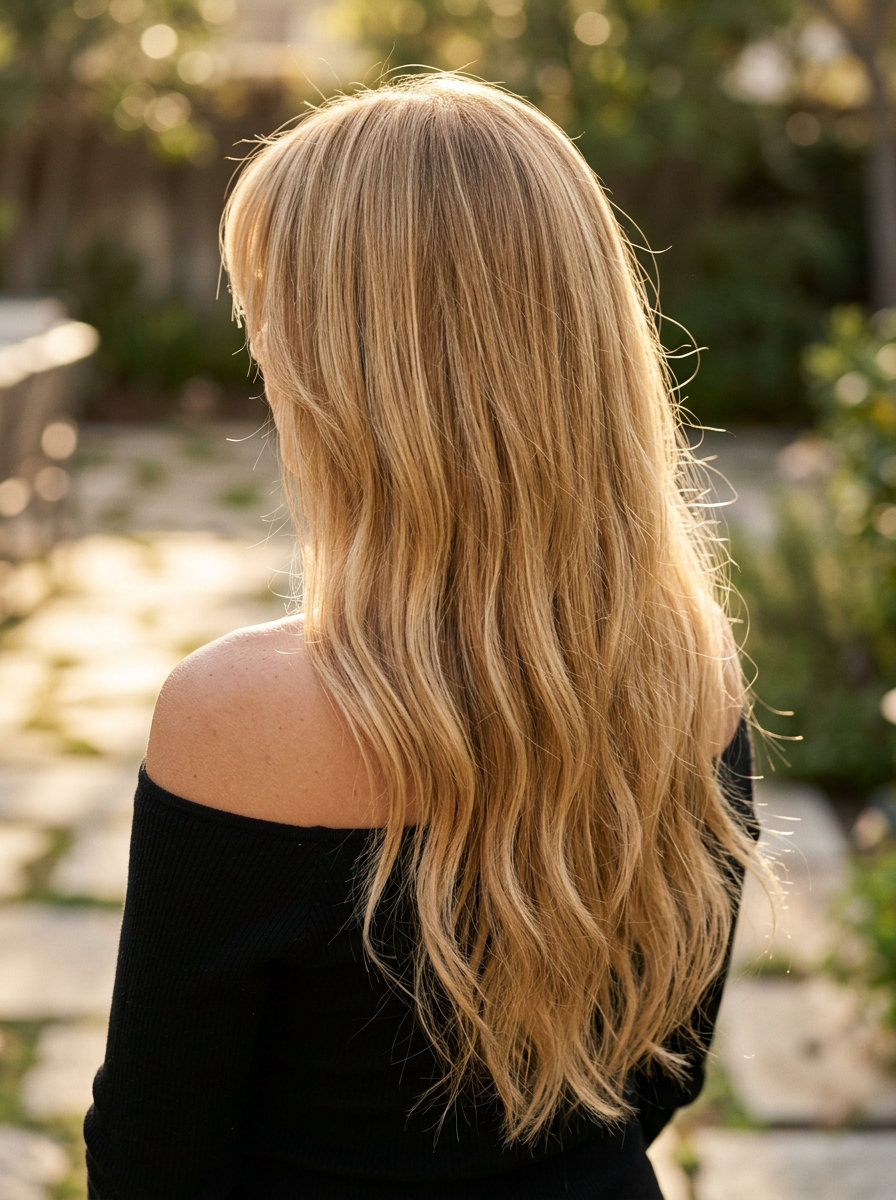
Birkin bangs are the fringe move that doesn’t feel trendy because it actually works on almost everyone. Birkin fringe grew out gracefully for 6 weeks, blending seamlessly into face-framing layers instead of hitting that awkward two-week wall where everything sticks up. Soft-blunt Birkin fringe grazes eyelashes and blends at temples, creating a face-framing effect that doesn’t require constant styling to look intentional. The fringe makes it. The layers underneath matter equally—without them, the fringe sits isolated and costume-y.
This is strategic: the fringe sits just above lash line, and it’s slightly curved rather than blunt straight across (or maybe the subtle face-framing, honestly—the exact angle depends on your eye shape). Skip if your hair is very curly—the Birkin fringe will require excessive heat styling. Fine hair loves this because the fringe adds shape without weight. You’ll want a texturizing product or light hairspray to keep the fringe piece from separating too much during wear, and a blow-dryer for the final pass. For long hair with birkin bangs 2026, this is the closest thing to a universal choice.
Beachy Blonde Long Layers
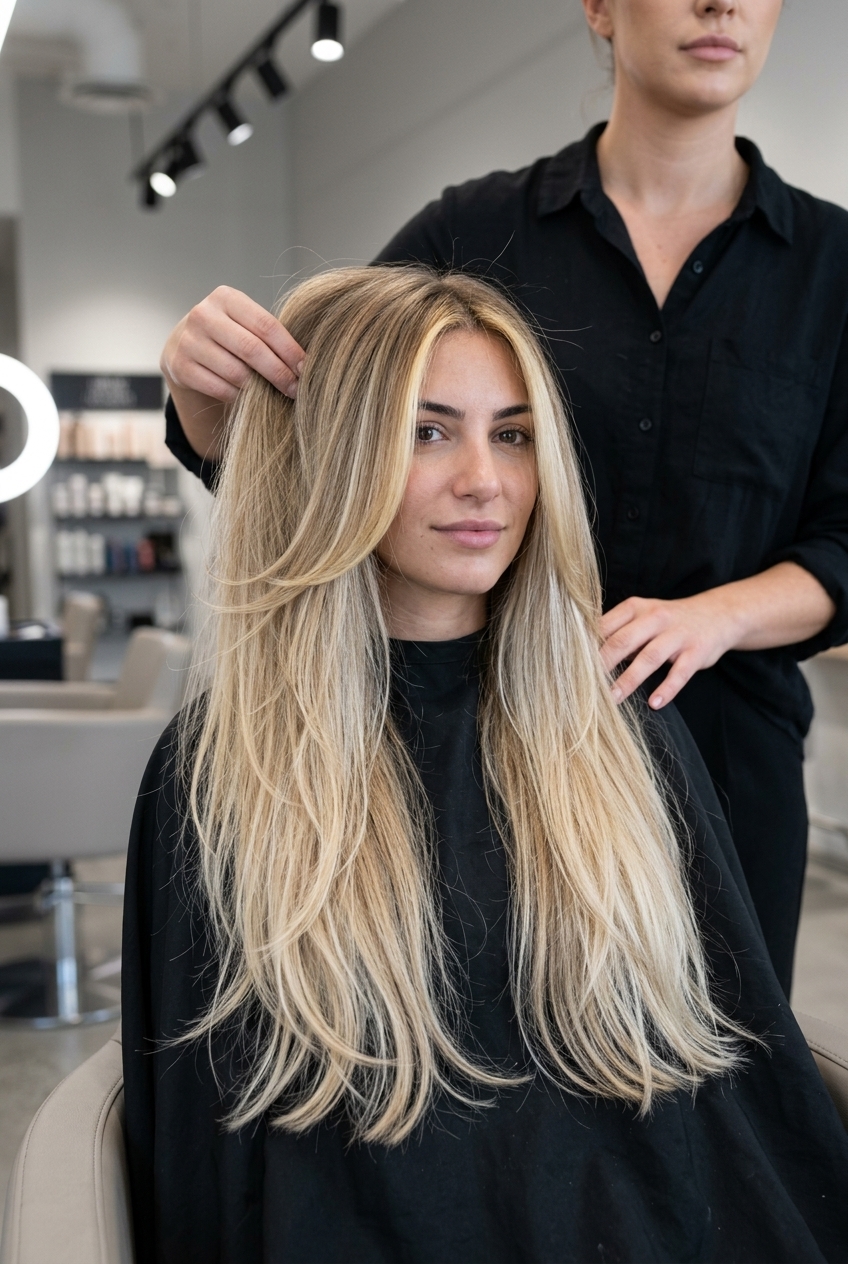
Beachy layers are the opposite of trying. Razored ends air-dried without frizz, mimicking sun-kissed texture, and maintained shape for 10 weeks—which is exactly why stylists everywhere are recommending this over tight balayage. The technique matters: strategically placed layers and razored ends enhance natural texture, creating a soft, diffused, free-flowing finish that works in salt air without looking damaged. You’re paying for movement, not just color. The blonde can be brassy, buttery, or icy—the cut carries the look either way.
Extreme length requires significant product usage and careful detangling to prevent breakage, so budget for a leave-in conditioner and maybe a silk pillowcase. Layering from mid-length down keeps weight off the crown while preserving length, which sounds contradictory but it’s the math that works. Air-dry or quick blow-dry with a diffuser. A texturizing spray before bed gives you beachy texture for round two wearing. This cut is probably worth the extra conditioning treatments. Length for days.
Rose Gold Hair Long Layers
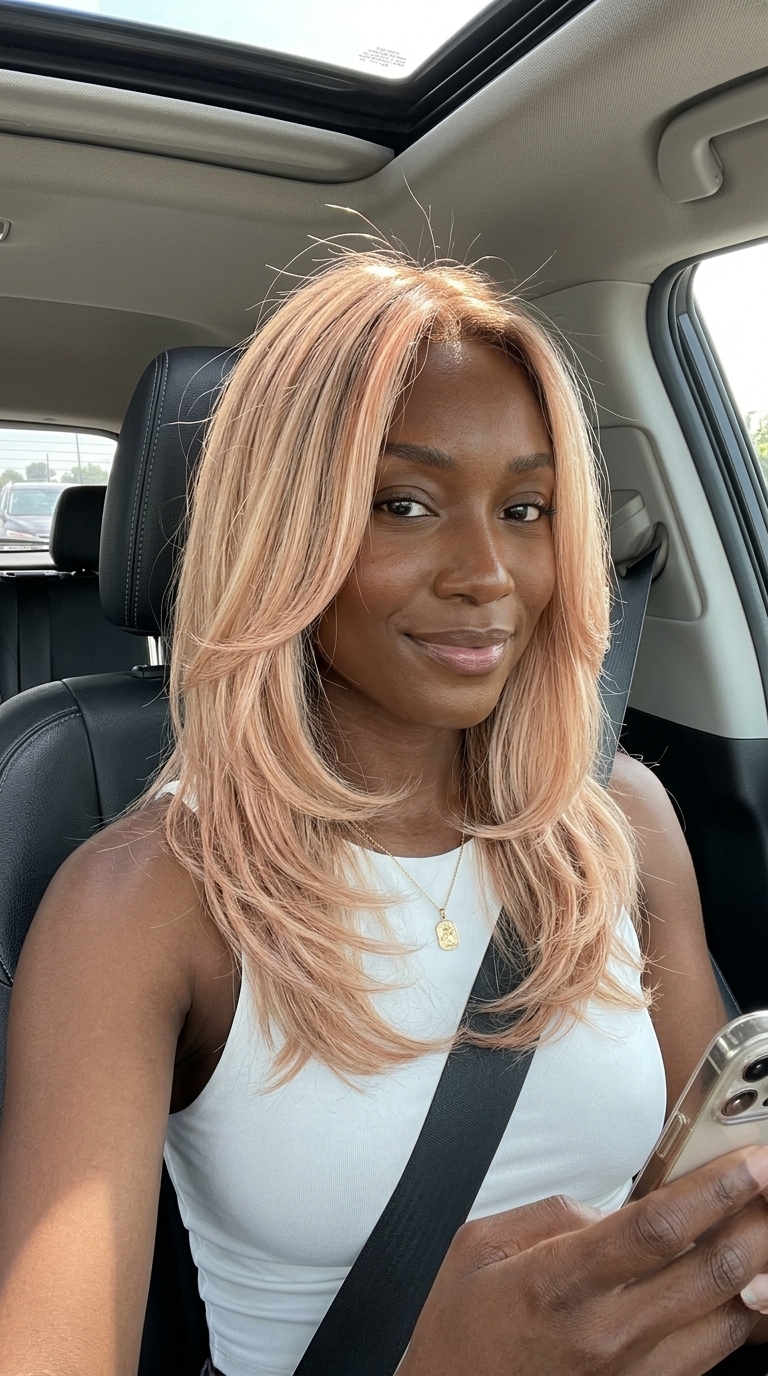
Rose gold is the color that works on literally everyone—cool undertones read it as mauve, warm ones see pink, and neutral skin just gets radiance. Graduated layers added fullness and movement to fine hair, lasting 8 weeks before needing a trim, which tells you something about how well this cut holds its shape. Graduated layers from collarbone to ends enhance fullness and movement, while point-cutting creates an airy finish that doesn’t thin fine hair dangerously. The color does half the work; the cut does the other half.
Fine to medium density hair is ideal here. Graduated layers may not reduce enough bulk for extremely thick hair, feeling heavy rather than voluminous. The rose gold tone needs a purple-toning shampoo every three washes or it fades to brassy gold, which isn’t a disaster but isn’t the dream either. Styling is genuinely minimal—a blow-dry with a round brush on low heat, or air-dry if your hair wants to cooperate. One texturizing paste for definition. Subtle, yet impactful. This is the ultimate ‘I woke up like this’ cut—it reads expensive, it behaves well in humidity, and rose gold hair long layers photographs like you actually sleep peacefully at night.
Still Deciding? Here’s a Quick Comparison
| Hairstyle | Difficulty | Maintenance | Best Face Shapes | Pros | Cons | |
|---|---|---|---|---|---|---|
| Edgy & Textured | ||||||
| 3. The Sedona Shag | Moderate | Low — every 10-12 weeks | square, diamond, oval | Low maintenanceSuits most face shapesWorks on multiple textures | Not ideal for fine hair |
| 4. The Summer Breeze Undercut | Salon-only | Low — trim every 8 weeks | round, square, oval | Low maintenanceSuits most face shapesWorks on multiple textures | Requires professional styling |
| 7. The Sun-Kissed Mediterranean Shag | Moderate | Medium — every 10-12 weeks | square, diamond, heart | Suits most face shapesWorks on multiple texturesLayers add movement | Not ideal for very curly hair |
| 21. The Terracotta Earth Goddess | Moderate | High — every 4-6 weeks | oval, diamond, heart | Suits most face shapesWorks on multiple texturesLayers add movement | Frequent salon visits needed |
| 24. The Sun-Kissed Surfer Girl | Easy | Low — every 12-16 weeks | oval, square, diamond | Low maintenanceEasy to style at homeSuits most face shapes | Not ideal for very curly hair |
| Classic & Clean | ||||||
| 1. Nectarine Ribbon Streaks | Moderate | High — every 3-4 weeks | oval, heart, square | Suits most face shapesWorks on multiple texturesLayers add movement | Frequent salon visits needed |
| 2. The Romantic Birkin Fringe | Moderate | High — every 3-4 weeks | oval, long, high forehead | Suits most face shapesWorks on multiple texturesLayers add movement | Frequent salon visits needed |
| 5. Golden Gloss Waves | Moderate | Medium — every 6-8 weeks | oval, heart, long | Suits most face shapesLayers add movementFlattering face-framing | Not ideal for very curly hair |
| 6. The Sleek Summer U-Cut | Easy | Medium — every 8-10 weeks | round, long, oval | Easy to style at homeSuits most face shapesWorks on multiple textures | Not ideal for very curly hair |
| 10. The Effortless Espresso Flow | Salon-only | Low — every 12 weeks | round, square, heart | Low maintenanceSuits most face shapesWorks on multiple textures | Requires professional styling |
| 12. The Golden Hour Lowlight | Moderate | Medium — every 8-10 weeks | oval, heart, diamond | Suits most face shapesWorks on multiple texturesLayers add movement | Not ideal for very curly hair |
| 13. The Hydro-Layered Stream | Moderate | Medium — every 8-10 weeks | oval, heart, diamond | Suits most face shapesWorks on multiple texturesLayers add movement | Not ideal for very curly hair |
| 14. The Parisian Fringe Flow | Moderate | High — every 3-4 weeks | long, oval, high forehead | Suits most face shapesWorks on multiple texturesFlattering face-framing | Frequent salon visits needed |
| 15. The Liquid Glamour Cascade | Moderate | Medium — every 10-12 weeks | oval, round, square | Suits most face shapesWorks on multiple texturesLayers add movement | Not ideal for very curly hair |
| 18. The Sleek Espresso Luxe | Moderate | Medium — every 8-10 weeks | oval, square, round | Suits most face shapesWorks on multiple texturesFlattering face-framing | Not ideal for very curly hair |
| 19. The Sculpted Curve Cut | Moderate | Medium — every 8-10 weeks | square, rectangle, long | Suits most face shapesWorks on multiple texturesLayers add movement | Not ideal for very curly hair |
| 22. Sculpted U-Cut | Easy | Low — every 10-12 weeks | round, oval, square | Low maintenanceEasy to style at homeSuits most face shapes | Not ideal for very curly hair |
| 23. The Birkin Breeze | Moderate | High — every 3-4 weeks | long, oval, high forehead | Suits most face shapesWorks on multiple texturesLayers add movement | Frequent salon visits needed |
| 25. The Rose Gold Summer Dream | Moderate | High — every 4-6 weeks | oval, heart, long | Suits most face shapesWorks on multiple texturesLayers add movement | Frequent salon visits needed |
| Soft & Romantic | ||||||
| 9. The Caramel Butterfly Cascade | Moderate | Medium — every 10-12 weeks | oval, square, heart | Suits most face shapesWorks on multiple texturesLayers add movement | Not ideal for very curly hair |
| 11. The Undone Ghost Layers | Easy | Low — every 10-12 weeks | all | Low maintenanceEasy to style at homeWorks on multiple textures | Not ideal for very curly hair |
| 17. Retro Voluminous Blowout | Moderate | Medium — every 8-10 weeks | oval, square, long | Suits most face shapesWorks on multiple texturesLayers add movement | Not ideal for very curly hair |
| 20. The Golden Hour ‘C’ Curve | Moderate | Medium — every 8-10 weeks | square, rectangle, oval | Suits most face shapesWorks on multiple texturesLayers add movement | Not ideal for very curly hair |
Frequently Asked Questions
What are the easiest long hairstyles for summer 2026 if I’m short on time?
The Sedona Shag requires just 5–10 minutes of air-drying—apply a texturizing spray to damp roots and let it dry naturally. The Summer Breeze Undercut also thrives on minimal styling; the internal texturizing does the heavy lifting, so you can skip the blow dryer entirely on humid days and still look intentional.
How can I temporarily add color or highlights to my long hair for summer events?
If you love the Nectarine Ribbon Streaks concept but want to test it first, try temporary color sprays or hair chalk applied to strategically placed braids or sections. This lets you see how warm, peachy tones sit against your skin tone before committing to a salon appointment.
Are there long hairstyles that help reduce bulk and keep me cool in the summer heat?
The Summer Breeze Undercut removes internal weight through texturizing and channeling, making thick hair feel significantly lighter without sacrificing length. The Sedona Shag’s choppy, disconnected layers also reduce density by breaking up bulk throughout the cut—both air-dry beautifully without trapping heat.
What’s the best way to maintain wispy bangs like The Romantic Birkin Fringe at home?
The Romantic Birkin Fringe needs daily attention: mist the roots with dry shampoo for grip, then gently curve the bangs inward with a mini flat iron or small round brush in 3–5 minutes. A leave-in conditioner keeps the fringe soft and prevents that crispy, over-styled look. Plan for a trim every 3 weeks to maintain the wispy shape.
Final Thoughts
Whether you’ve embraced the shag or merely wrestled your bangs into submission, remember that an ‘effortless’ look often requires effort. And dry shampoo. The summer haircuts for long hair 2026 in this list all share one truth: they’re designed to work with humidity, not against it. Layers, texturizing, internal channeling—these aren’t decorative choices. They’re survival strategies.
The real tell of a good summer cut isn’t how it looks fresh from the salon. It’s how it behaves on day four, when you’ve air-dried it twice and humidity has opinions. If your stylist understands that distinction, you’ve found the right person.