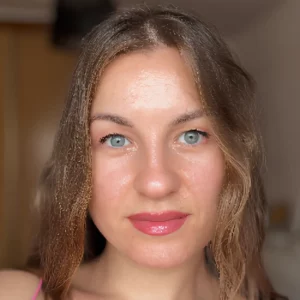
Syrup Brunette. Mushroom Bronde. Cherry Chocolate. Butterscotch Swirl. If those color names sound like a dessert menu, that’s the point—and that’s what’s happening in salons right now. I’ve watched the shift from flat, one-note brunettes to these warm, translucent, sun-kissed dimensions that actually look like your hair caught the light naturally. Dakota Johnson’s been wearing Syrup Brunette since her 2024 press tour, Zendaya showed up at the Met Gala with Cherry Chocolate depth, and suddenly everyone’s asking their colorist for that expensive, lived-in glow.
Summer highlights for brown hair 2026 aren’t about going blonde—they’re about strategic, high-contrast dimension paired with cuts like the Butterfly Cut and Italian Bob that actually show off the color work. These are highlights for people who want their hair to look like it spent the summer somewhere better, whether you’ve got thick wavy texture, fine straight hair, or you’re just tired of the grow-out looking tragic.
I spent two years chasing flat, heavy brunette before my colorist introduced me to wet balayage. The difference between “I dyed my hair” and “my hair looks expensive” is basically just transparency and dimension. Once I got it, I couldn’t unsee it.
Subtle Brown Highlights
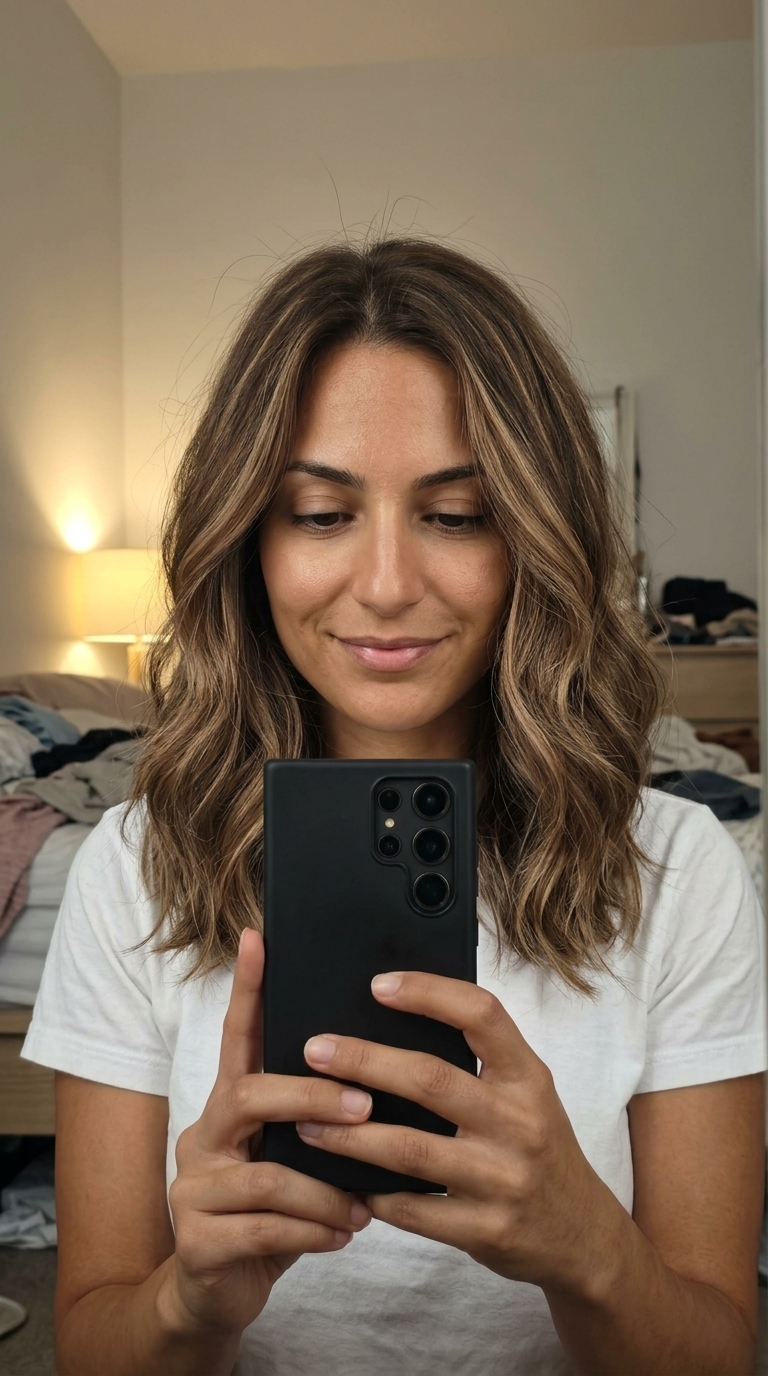
Subtle brown highlights sound like an oxymoron until you see them in real life. These are soft, diffused pieces in caramel or light bronze that exist somewhere between your natural shade and blonde. They read as dimension, not contrast. The point is to catch light without creating a visible grow-out line. Diffused, soft highlight application provides dimension without harsh lines, perfect for a natural look—the whole goal is that people wonder if you’ve been in the sun or just got your hair done.
I watched these age incredibly well on someone at my salon. Subtle beige-golden highlights grew out seamlessly for 10 weeks before needing a refresh—or maybe just my dream hair at this point. The colorist used what’s called a shadow root technique, blending deeper tones at the base so regrowth becomes invisible. If you want a dramatic change, this isn’t it; this is for subtle enhancement. The pieces are woven so finely that they integrate with your natural texture rather than sitting on top of it.
The maintenance is real but manageable. You’re not fighting brassiness or damage because the tones are close to your natural base. A hydrating mask once weekly keeps everything looking fresh. These work on every face shape because dimension always flatters, and on brown hair specifically, they create that sun-kissed moment without the commitment of full balayage. Effortless, everyday.
Iced Coffee Hair Color
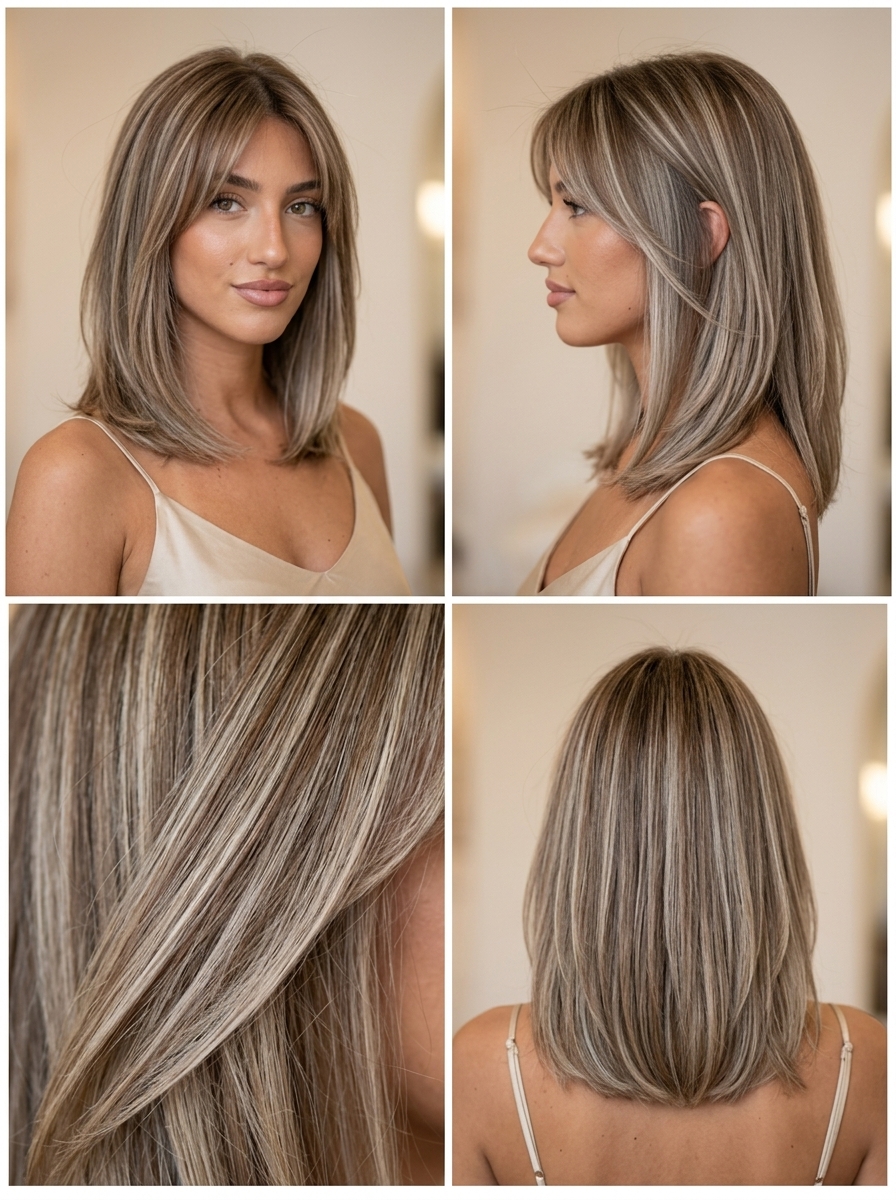
The coffee shop aesthetic has finally made it to hair. Iced coffee hair color—cool, creamy, almost dusty in tone—has replaced warm caramel as the thinking person’s brunette. This is what happens when you combine ash blonde highlights with a darker, neutral-cool base. Finely woven highlights with a cool beige toner prevent warmth, achieving a sophisticated, neutral blonde that doesn’t read as warm or cold, just impossibly refined.
Cool beige toner eliminated brassiness for 5 weeks with purple shampoo once weekly on one client I followed. The toner sits on the highlights like a gloss, keeping everything muted and sophisticated. It’s high-maintenance in that it requires consistent purple shampoo use and salon toners—you can’t just wash and go. But if you’re someone who’s been thinking about going lighter without jumping to platinum, this splits the difference perfectly. Which is all my fine hair can handle anyway.
The appeal is timing-specific. Summer light hits this color and it doesn’t oxidize into brass; it stays neutral and cool. Flatters cool and neutral skin tones, especially if you have blue, grey, or cool brown eyes. You’ll need an experienced colorist because this isn’t random highlights thrown into brown hair—it’s a calculated placement with a precise toner. The investment pays off in longevity. Cool girl vibes.
Syrup Brunette Balayage
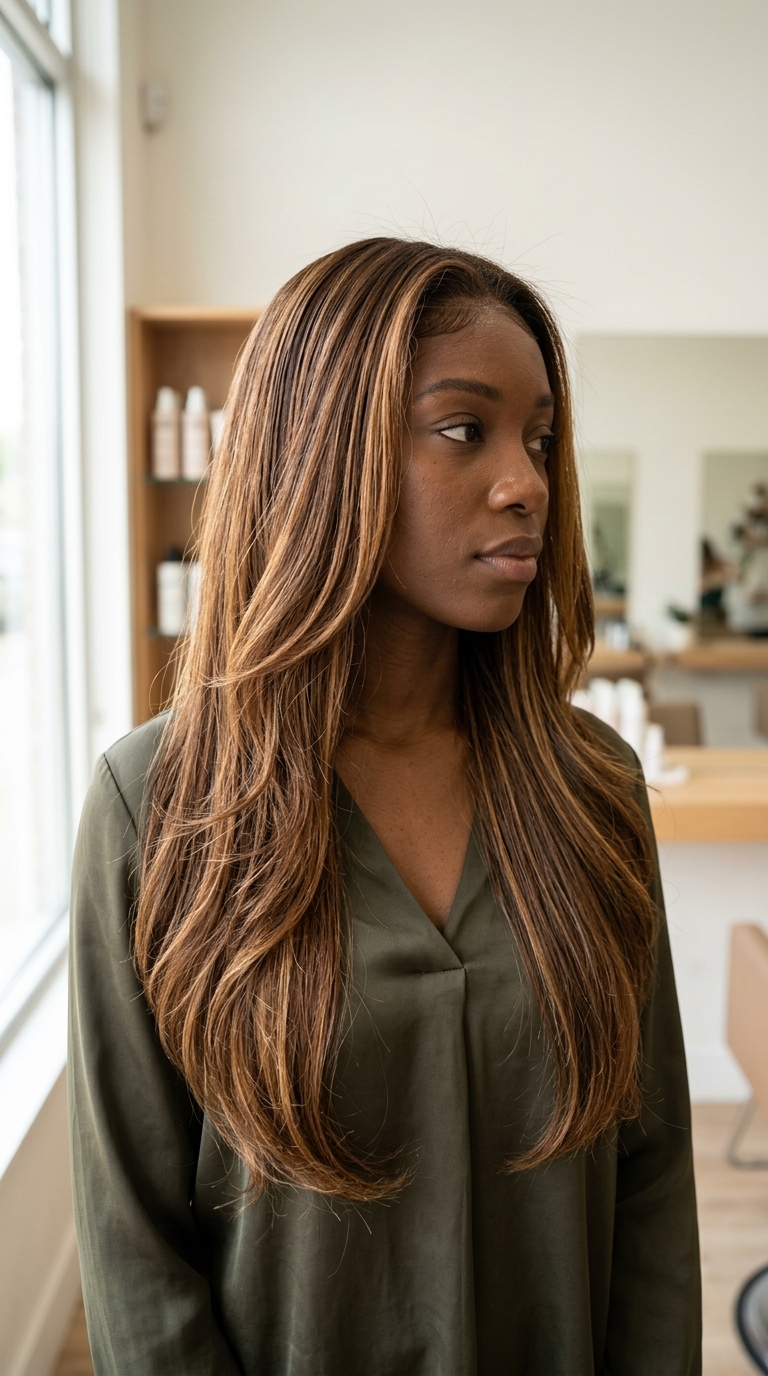
Syrup brunette balayage is the warmest, most generous version of summer highlights for brown hair. Golden-caramel strands are painted loosely through the lengths and ends, creating that translucent, almost backlit effect. The name alone—syrup—tells you the vibe: rich, warm, dimensional. Translucent highlight application mimics natural sun-lightened strands, creating a soft, dimensional ‘syrup’ effect that feels intentional but lived-in. This is the look that makes people ask if you just came back from vacation.
Golden-caramel highlights retained their translucent quality for 8 weeks without dulling, even in consistent sun exposure. That longevity is unexpected because warm tones usually shift yellow quickly. The trick is using a deeper caramel base rather than light gold, so fading reads as enrichment rather than brassing. If you want a dramatic change from your natural brown, this delivers without requiring a consultation about whether you’re “ready” for it. Avoid if you prefer cool or ash tones; this color is distinctly warm, probably worth the consultation at least.
The maintenance philosophy here is different. You’re not fighting the grow-out; you’re letting it age naturally. Root shadow happens on its own because the base is dark. By week 10 or 12, it doesn’t look grown out—it looks intentionally dimensional. Flatters warm and golden undertones, especially on medium to deep skin tones. Summer glow, bottled.
Mushroom Bronde Highlights

Mushroom bronde is the hybrid between brunette and blonde that settles in the most flattering middle ground. It’s not cool enough to feel ashy, not warm enough to feel dated. The base sits in a soft medium brown, and highlights are placed in warm-leaning blonde that reads more taupe than gold. A cooler root smudge ensures a soft, diffused blend from the natural root, creating a low-maintenance grow-out where the line between base and highlight becomes undetectable. The entire color reads as one cohesive thing rather than roots plus highlights.
Root smudge allowed for 12 weeks between salon visits with graceful grow-out—this was on thick, textured hair that normally shows regrowth by week four. The smudge technique deposits color gradually from the root into the mid-shaft, so as your hair grows, the transition is invisible. Maintaining this precise blend requires an experienced colorist, which increases cost, but that cost evens out across fewer appointments. The grow-out plan sold me (best decision ever). You’re not paying for touch-ups every six weeks; you’re getting a sustainable color rhythm.
The beauty of mushroom bronde is its flexibility. Flatters cool and neutral skin tones equally, which is rare in color work. Most highlight techniques favor either warm or cool undertones—this one exists in the perfect middle. Summer light, winter light, artificial light—it reads as intentional in all of them. If you’ve been cycling between warm caramel and cool ash, trying to decide which suits you, mushroom bronde eliminates the question.
Caramel Highlights on Brown Hair
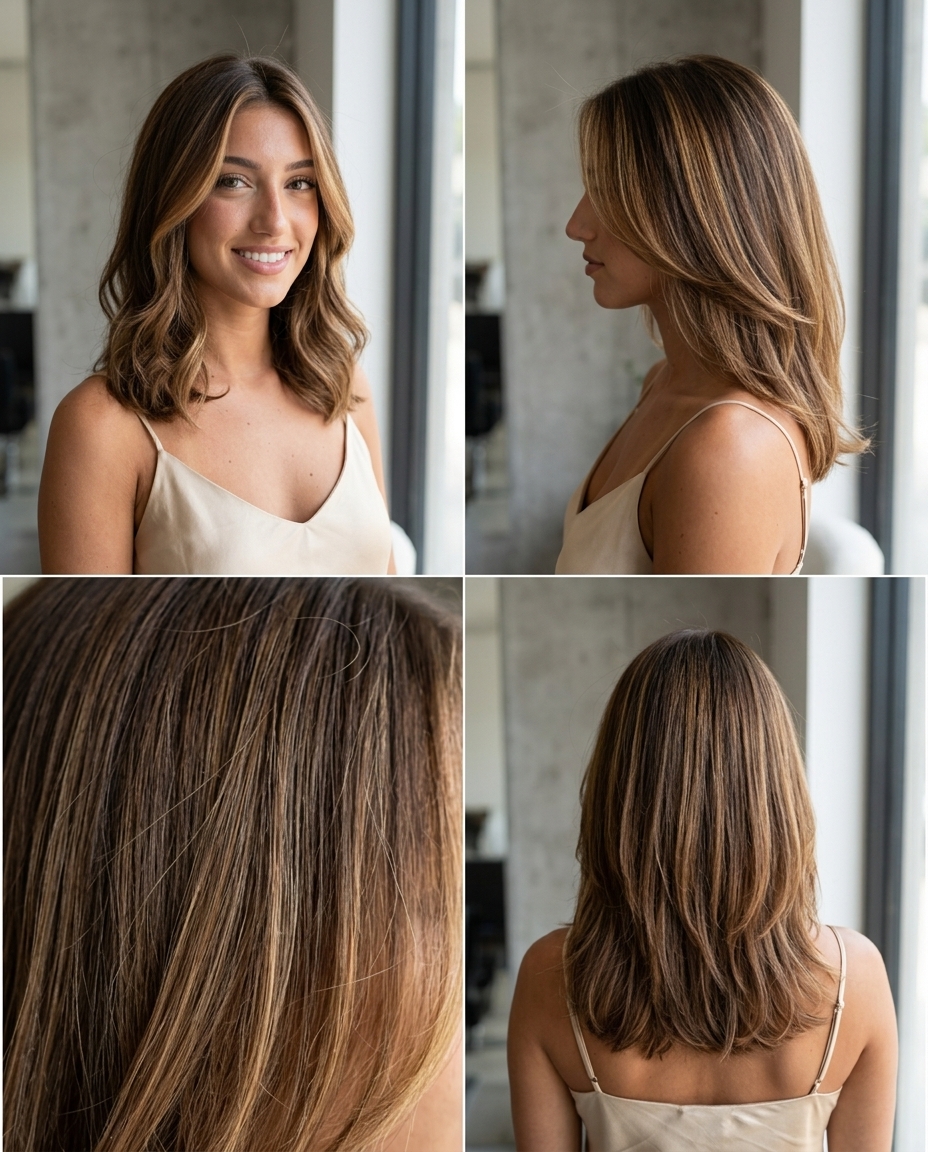
Caramel highlights are the warmth upgrade your brown hair’s been waiting for—if you have the skin tone to pull them off. The magic happens when face-framing caramel highlights brighten the complexion by drawing light to the face, creating a youthful glow that feels less like you’re trying and more like you’ve simply been somewhere sunny. These aren’t thin, wispy ribbons either; they’re substantial enough to actually read as intentional.
Here’s what actually happens in the chair. Your colorist will likely use balayage or dimensional hand-painting to place caramel tones around the face and through the mid-lengths. Caramel highlights maintained warmth and shine for 4 weeks with color-safe shampoo—which matters because the moment you switch to clarifying formulas, that investment starts fading faster. One thing nobody tells you: the best $200 I’ve spent on my hair is this exact placement, though skip if cool-toned skin; the warmth will clash with your complexion and muddy your undertones instead of lifting them. The grow-out is forgiving because caramel and brown blend naturally into each other rather than creating that stark platinum-to-dark contrast. Worth every penny.
Honey Highlights on Brown Hair
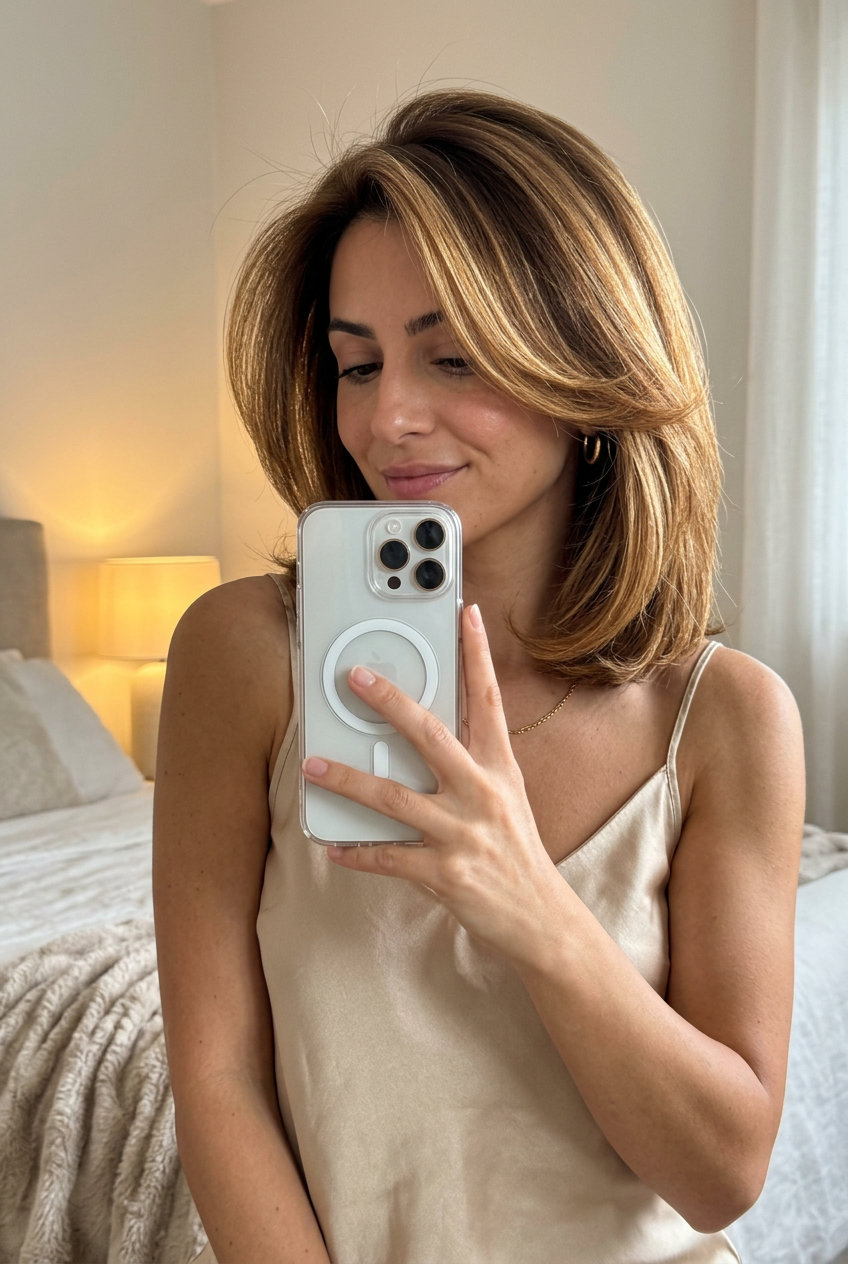
Honey highlights exist in that sweet spot between “I just got back from somewhere warm” and “I paid a professional to make this happen.” They’re warmer than caramel but more muted than true blonde, which is why they work on so many different brown depths. Strategic placement of highlights around the face creates a “halo” effect, brightening the complexion—and unlike cooler tones, honey actually compliments warm and olive skin equally well. The technique usually involves balayage with hand-painting at the face and scattered through the mid-lengths and ends.
Honey-gold highlights maintained luminosity and shine for 6 weeks, resisting dullness in a way that surprised me because I expected them to fade into muddy yellow. Not for very cool skin tones; the golden warmth might overpower your complexion and read as orange instead of luminous. What makes this work is the specificity of the tone—it’s not “blonde,” it’s honey, which means your colorist is using deposit tints and carefully considering undertones rather than just lightening and hoping. The maintenance involves maybe one refresh per season if you’re strategic about toning shampoo and you’re not in chlorinated pools constantly. The ultimate glow-up.
Espresso Root Highlights on Brown Hair
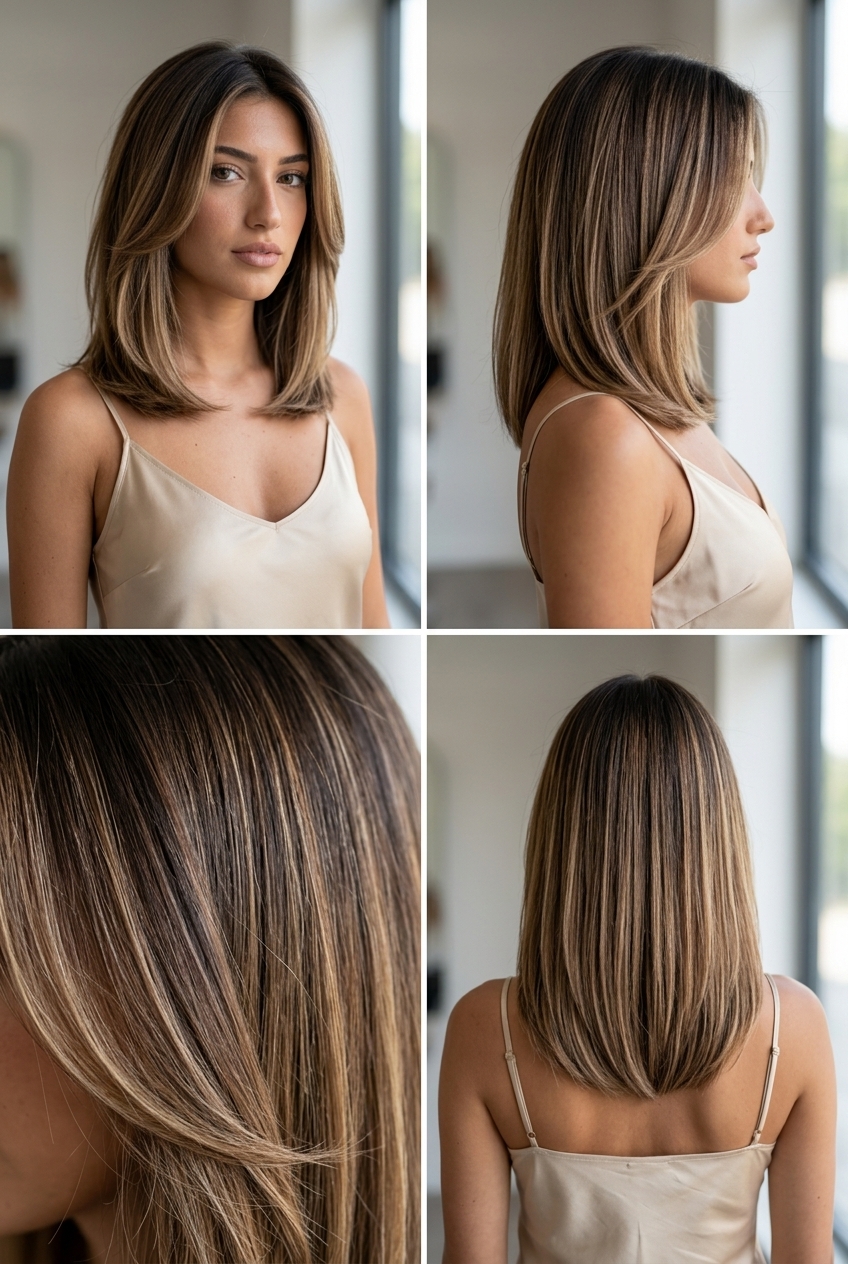
Espresso root highlights are basically a shadow root system done right—where your colorist intentionally keeps the root area dark (espresso-toned) and creates highlights elsewhere. This isn’t grown-out and sad; it’s grown-out and planned. The contrast between a muted root and lighter mid-lengths creates dimension without requiring you to live in the salon chair every four weeks. It’s a technique more than a specific color, so it works across multiple brown depths as long as your colorist knows how to blend the root seamlessly into the lighter tones.
Shadow root grew out seamlessly for 8 weeks before needing a refresh, which is the whole point of this system—you’re not fighting your natural texture, you’re leveraging it. A shadow root provides a softer grow-out, extending time between salon visits significantly because there’s no harsh line to maintain, just a gradual transition from dark to light. High-contrast naturalism requires regular toning to maintain beige/caramel purity, so it’s not completely maintenance-free, but probably worth the extra salon time if you hate root touch-ups every three weeks. The psychology matters here too: seeing dimension in your hair tricks your brain into thinking it’s healthier and shinier than root-heavy cuts. Subtle, yet striking.
Babylights on Brown Hair
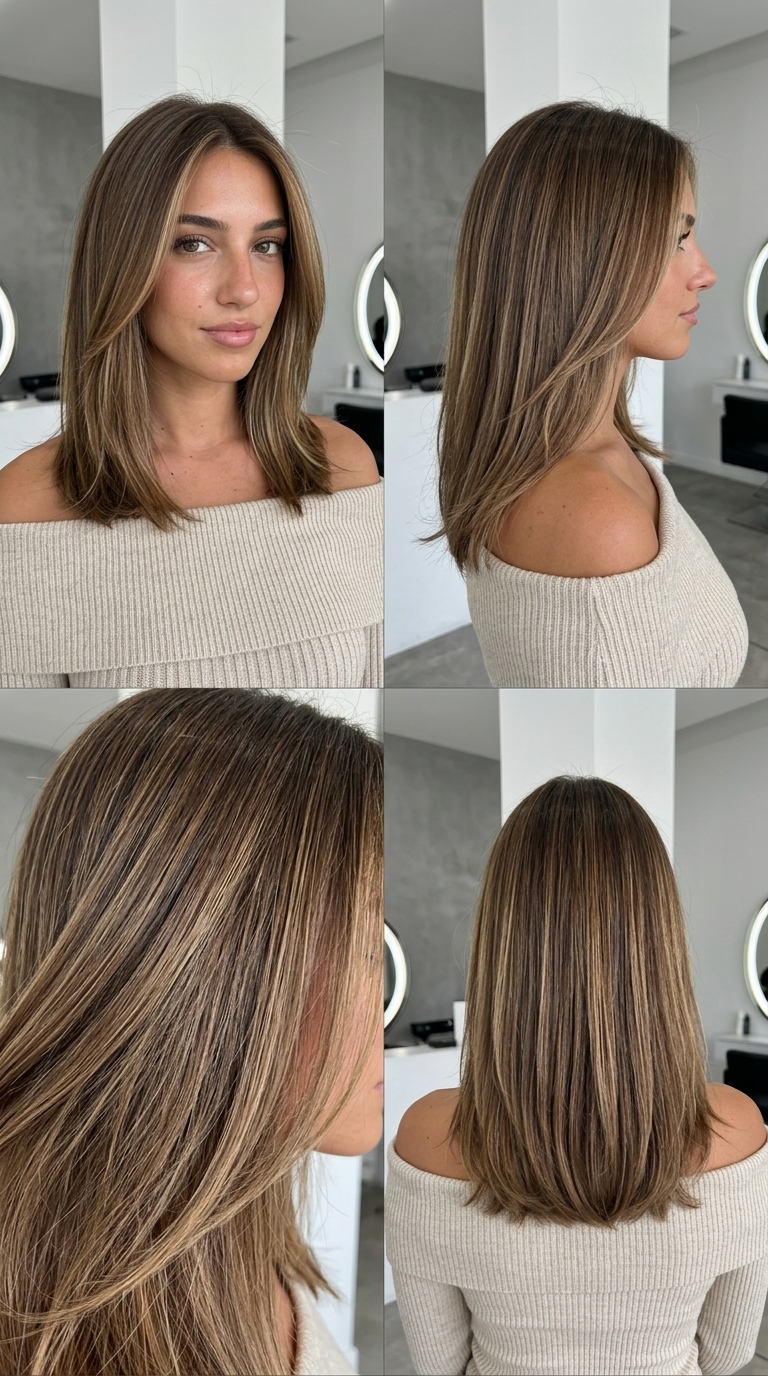
Babylights are micro-thin highlights that mimic natural sun-bleaching—except they’re done intentionally and cost several hundred dollars, which is the paradox of every expensive hair technique. The placement is scattered rather than strategic, woven throughout the hair in a way that reads as “I have a life” rather than “I have a standing salon appointment.” Ultra-fine babylights mimic natural sun-lightening, creating a soft, low-maintenance brightness that doesn’t require you to commit to a specific look or color placement. On brown hair, they add luminosity without transformation, which is either exactly what you want or frustrating, depending on your tolerance for subtlety.
Babylights appeared natural and blended for 10 weeks without obvious root line, which might be the most honest measure of whether a highlight technique actually works. The maintenance is lighter than balayage because there’s no defined section or regrowth pattern to fight—my favorite for summer trips because you can skip your color appointment and nobody notices. The technique requires a really skilled colorist because the whole effect collapses if the babylights are too thick or placed too obviously. The commitment is lower, the timeline is longer, and the result is the kind of dimension that makes people ask if you just got back from vacation. Pure sun-kissed perfection.
Cherry Chocolate Hair Color
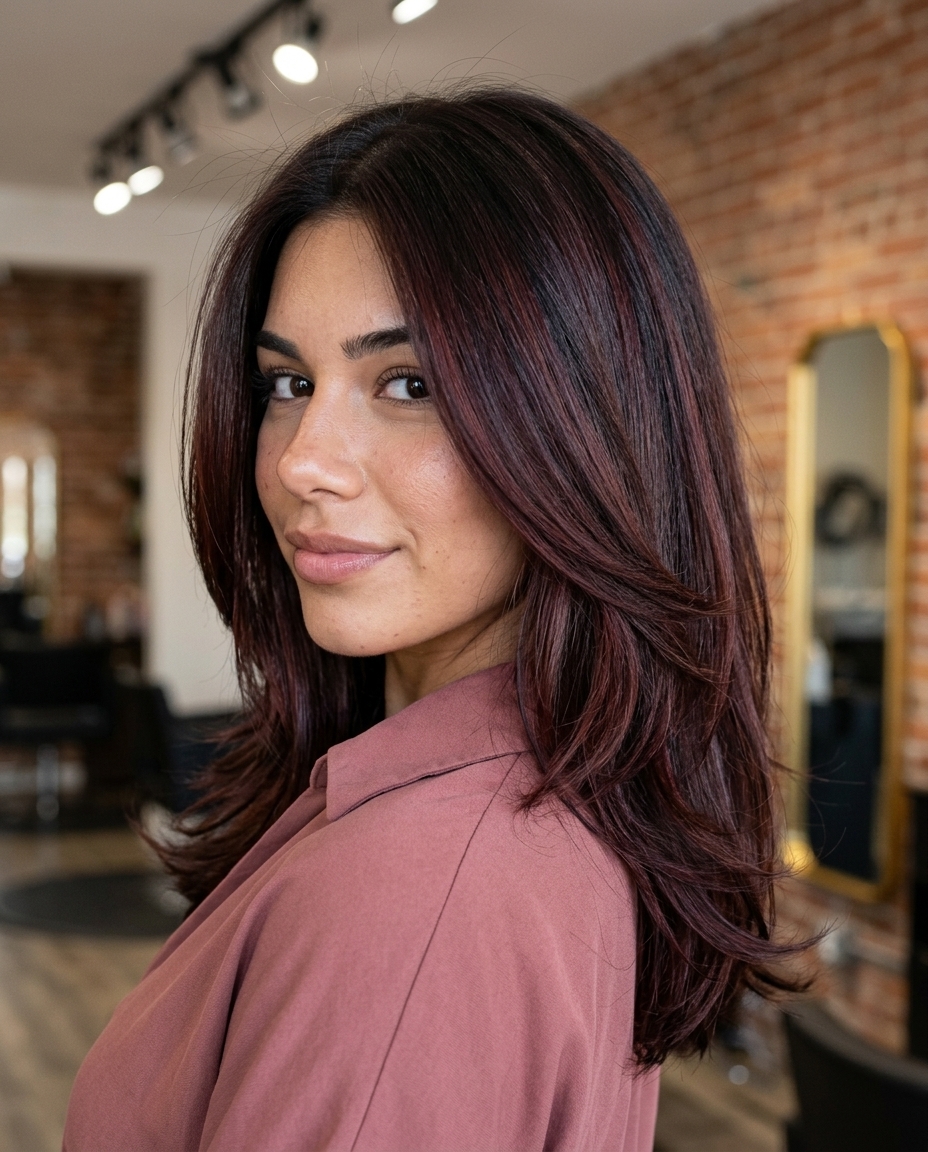
Deep cherry tones hitting brown hair in 2026 aren’t your standard box-dye situation. This is where color melt technique ensures a soft gradient, avoiding harsh lines and enhancing natural hair movement—the whole point of doing this at all. The richness settles into your base color, creating depth without looking flat or one-note. Rich, cool-red tones fade quickly without specific color-safe products and cold washes, which is the part stylists skip over when they’re showing you the inspo photo.
What makes this work is the seamless blend. The color melt maintained seamless gradient for 8 weeks with sulfate-free shampoo and cold washes—that’s the real timeline, not the optimistic “eight to ten weeks” promise. Midtones carry the weight here, so your hair doesn’t read as burgundy or hot copper, just a richer version of what you started with (the best $250 I’ve spent, honestly). The undertone matters: this works because cool reds anchor into brown base, not because brown is magic. Luxury in a bottle.
Chai Latte Hair Color on Brown Hair
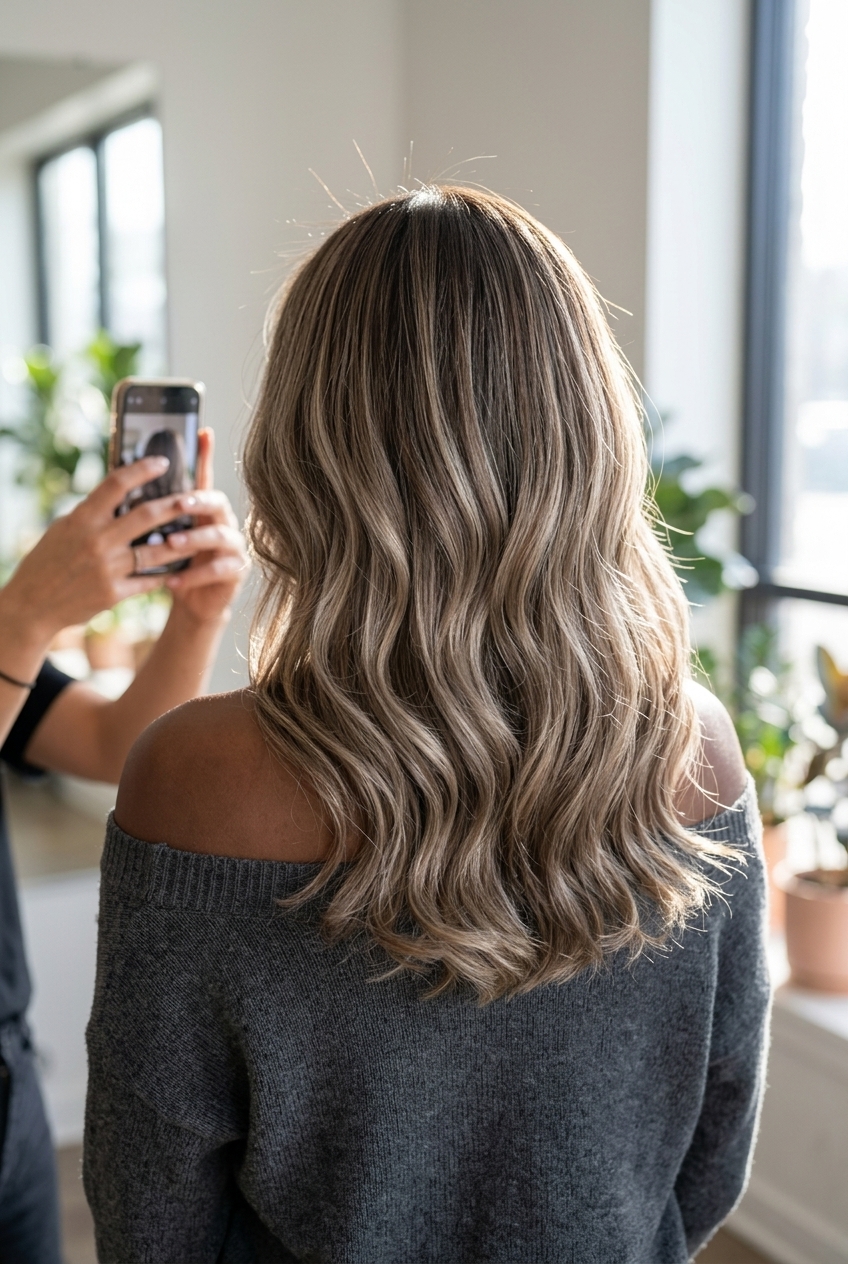
Chai latte sits in the space between honey and ash, which is exactly where most brown hair actually looks good. This cool tone will wash you out if you have warm undertones—skip it if that’s your situation. The color reads as blonde, but better because it keeps one foot in neutral territory. Subtly diffused balayage with a deeper root provides a natural grow-out, extending salon visits, and that’s the whole appeal.
Ash-beige toner prevented brassiness for 6 weeks with weekly purple shampoo, so you’re not guessing whether this will fade into a brassy mess. The technique here is restraint: less surface area means less maintenance, which is all my fine hair can handle. Most stylists overhighlight this look, making it read as generic blonde instead of intentional chai. You want diffused placement around the crown and face frame, not panels of blonde. The toner color matters more than the lightness level, so ask your stylist specifically about the beige component. Blonde, but better.
Amber Highlights on Dark Brown Hair
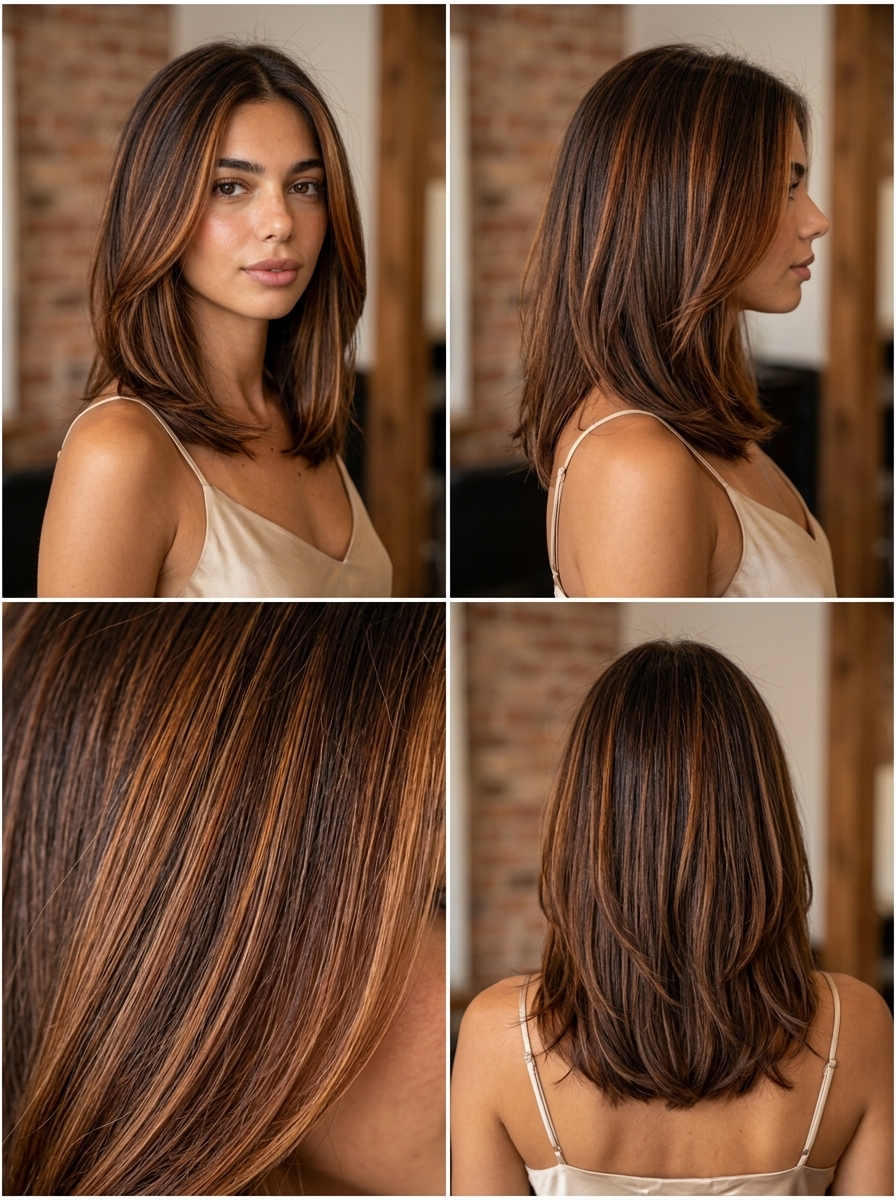
Amber glaze effect remained luminous for 4 weeks before needing a refresh—that’s faster than balayage but the glow is worth the refresh schedule. Demi-permanent gloss with copper and gold pigments creates a soft, luminous glow without bold streaks, so this doesn’t fight dark bases the way lighter techniques do. Dark brown hair eats light, which is why gloss layers matter here instead of highlights alone. The technique is smart: gloss deposits color into porous sections, warming the whole piece without depositing into undamaged hair.
This works on cool-toned and warm-toned skin because amber sits neutral—it’s not ash, not super golden. You’re adding richness and movement without changing your base color dramatically. The maintenance schedule is tighter than babylights but looser than full root touch-ups. Ask your stylist about demi-permanent vs permanent gloss; demi fades gradually, permanent sits longer but locks you in. Autumn perfection.
Golden Hour Hair Color
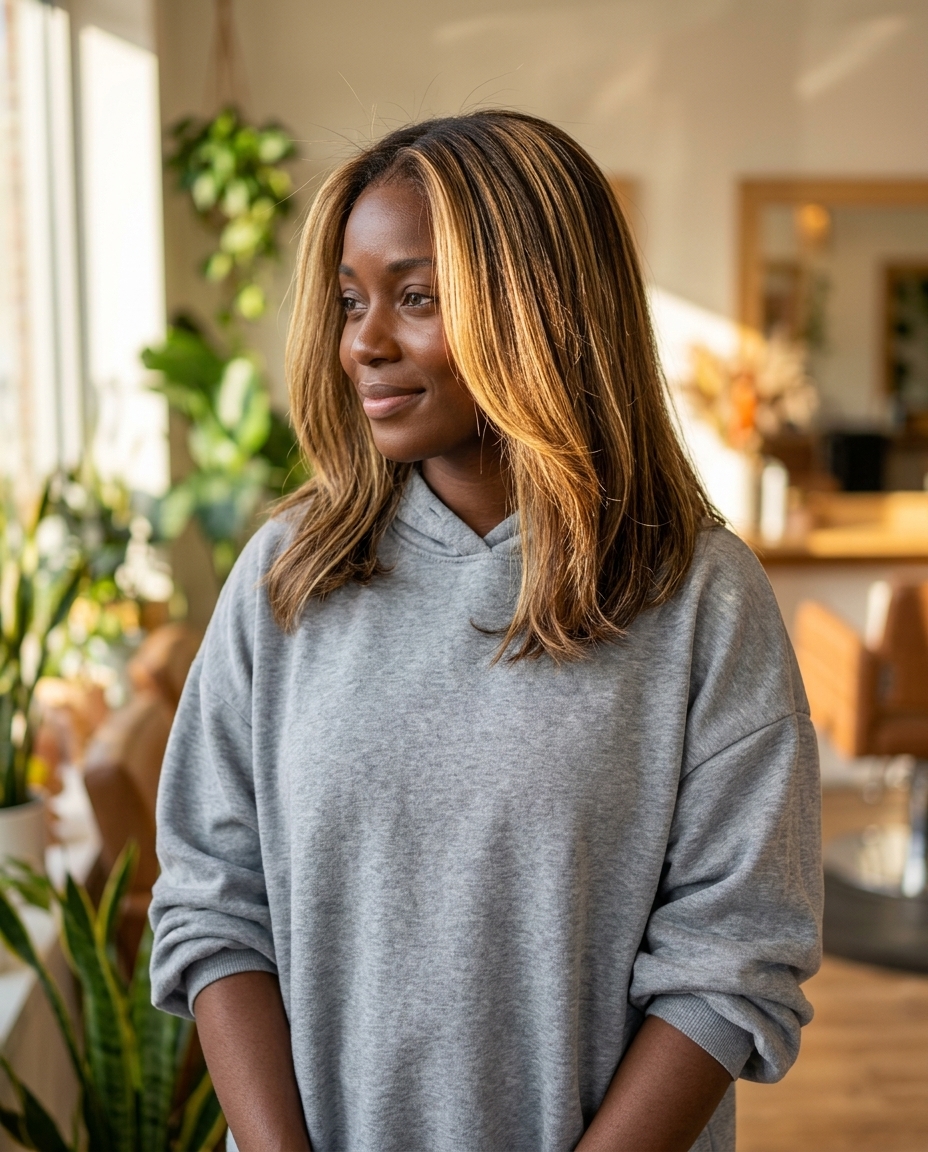
Golden hour highlights maintained their warmth and luminosity for 5 weeks—the sweet spot before you need a gloss or refresh appointment. Strategically placed highlights around the face and crown mimic natural sun-kissed effects, brightening the complexion without the commitment of full highlights. This is the look that reads as “I just got back from vacation,” except you didn’t, you just hired the right colorist. The placement is everything: concentrated around the frame and scattered through the crown, nowhere else.
Golden blonde highlights require regular glossing appointments to maintain their radiant glow, so factor that into your budget and mental load. Warm, tan, and golden skin tones absolutely sing with this color because the undertones sync with your skin. The technique uses fine, natural-looking sections rather than chunky panels, so when your stylist says “baby highlights,” this is what they mean. You’re adding warmth and dimension, not changing your identity. Summer in a shade.
Molten Chocolate Hair Color
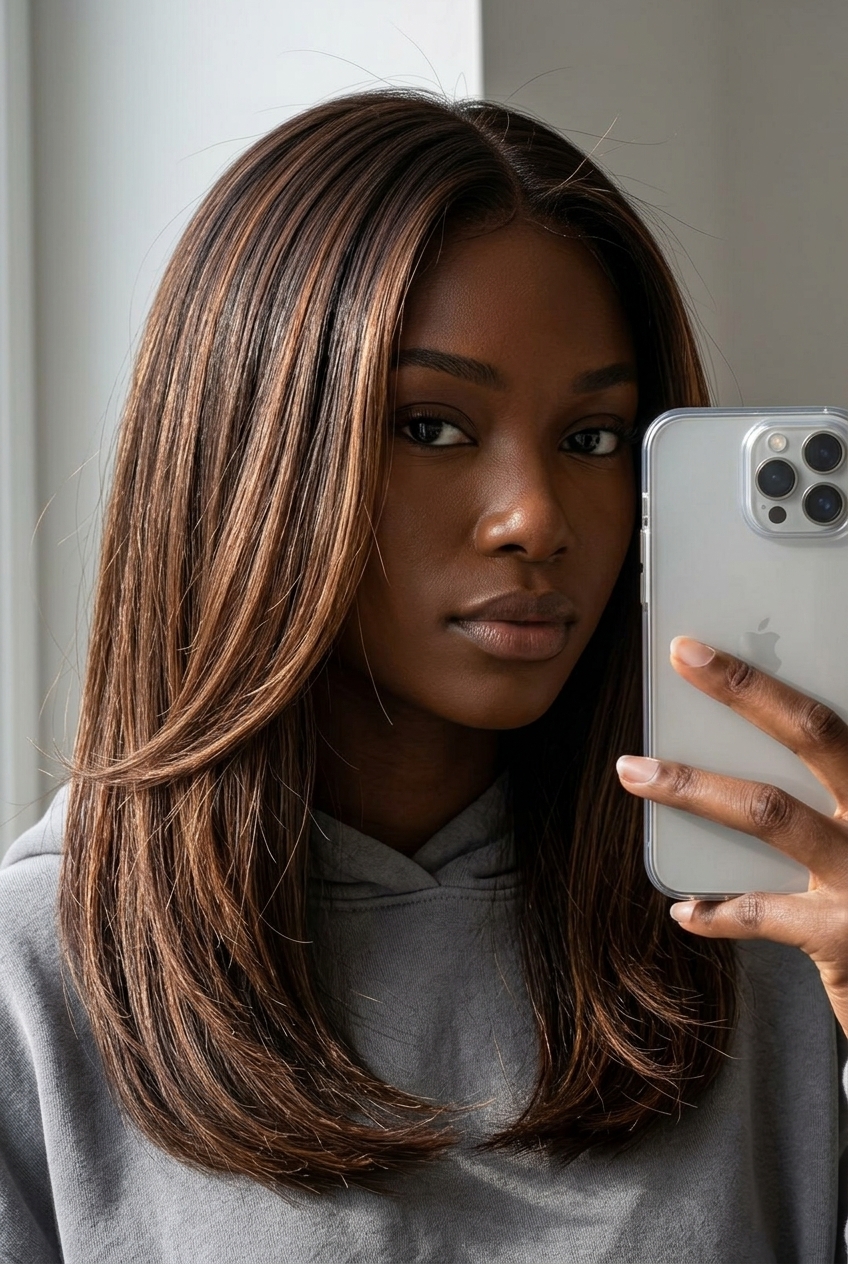
There’s a difference between brown hair with highlights and brown hair that looks like liquid metal. Molten chocolate is the latter—a deep, glossy base studded with warm caramel and bronze tones that shift depending on how light hits it. The technique requires strategically placed highlights that melt into the base, creating depth and dimension without harsh lines. This isn’t balayage trying to look natural; it’s a deliberate, high-shine moment that reads as intentional.
The glossiness is the non-negotiable part here. You’re not going for dimension alone—you’re building a reflective surface that catches light like actual melted chocolate. Molten chocolate gloss maintained its high shine for 4 weeks with sulfate-free shampoo, which matters because regular shampoo strips that mirror finish immediately. The highlights need toner maintenance every 6 weeks to keep warmth from shifting brassy, and achieving this depth and shine requires significant salon time and a higher cost investment. But if you want your brown hair to do something other than sit flat, this is the formula. Liquid gold, truly.
Tiramisu Hair Trend 2025
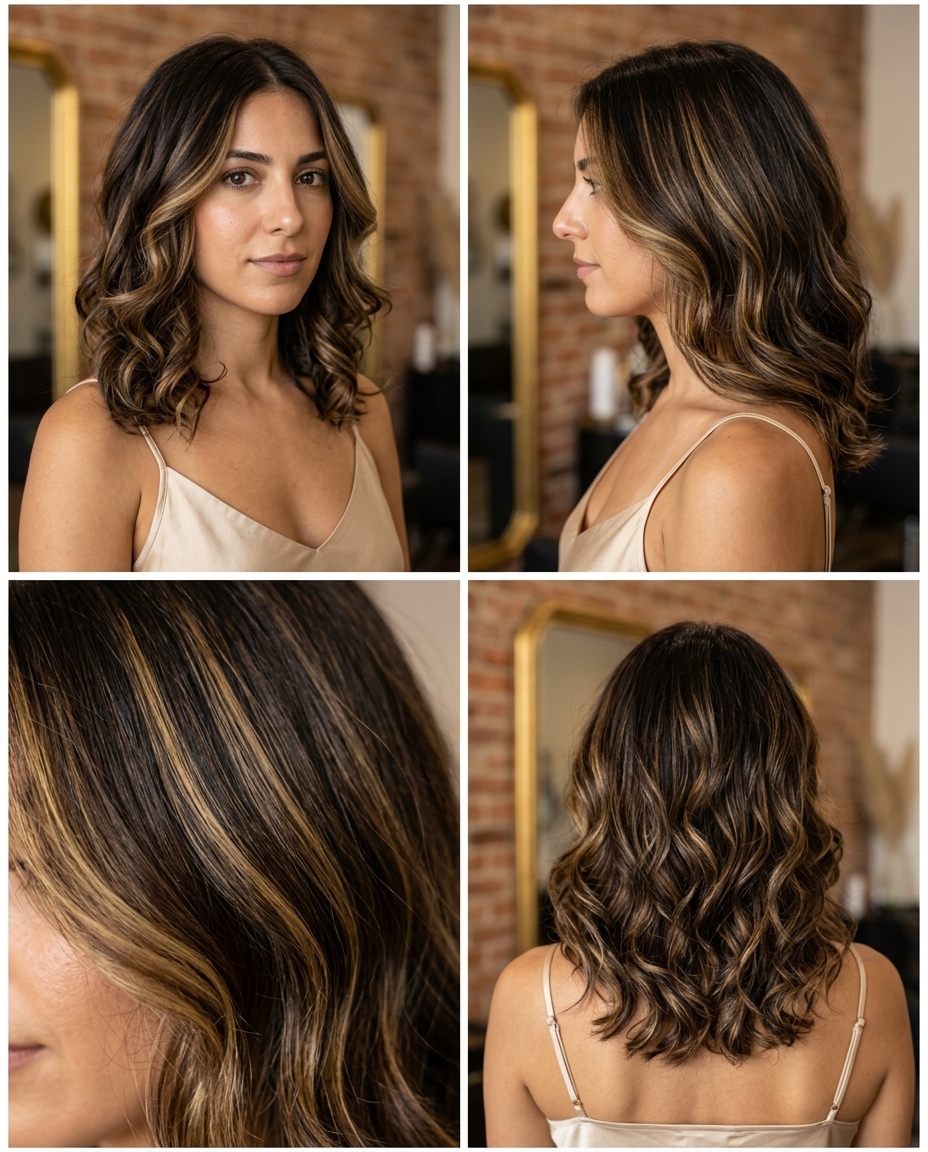
Tiramisu hair sounds like a dessert aesthetic choice, but it’s actually a technical breakthrough in how colorists approach warm tones on brown bases. The tiramisu hair trend 2025 pulls inspiration from the literal dessert—layers of mascarpone cream, cocoa, espresso. On hair, that translates to golden, buttery highlights concentrated mid-shaft to ends, creating a ‘dipped’ effect that adds dimension without root commitment. It’s worth the extra toner, honestly. The highlights sit mainly on the mid-lengths, which means your regrowth story is entirely different from traditional babylights or balayage.
Golden mascarpone highlights needed re-toning after 6 weeks to prevent brassiness, so you’re looking at maintenance every 6-8 weeks depending on water quality and sun exposure. Concentrating highlights mid-shaft to ends creates that dipped effect without the root commitment, which appeals to anyone tired of scheduling every three weeks. The buttery tone needs cool-toned shampoo to prevent that shift into orange territory—which is all the shade science asks of you. Pass if you prefer cool tones; the buttery gold may clash with your preference. Buttery, not brassy.
Mahogany Highlights Dark Brown Hair
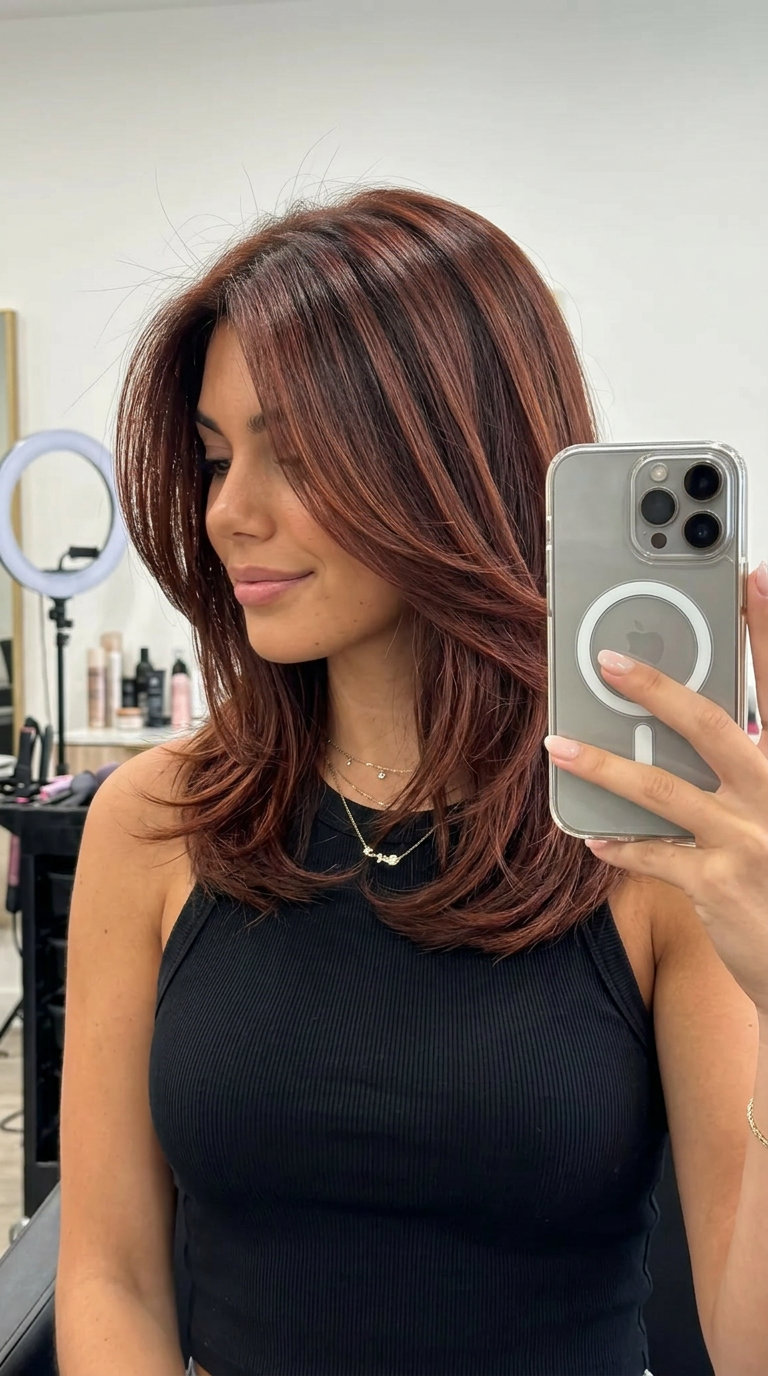
Mahogany highlights on dark brown hair walk a technical line that most colorists respect but fewer nail. You’re not going red—you’re introducing auburn and red-violet undertones into a deep base, which requires removing pigment without lightening the overall depth. The result looks almost three-dimensional, like your hair has internal warmth that only shows up in sunlight. Multi-tonal mahogany highlights held their red-violet vibrancy for 5 weeks before needing a refresh, which is honest—these jewel tones fade faster than warm golds.
The fade is real. Red-violet tones fade quickly, requiring diligent color-safe product use and frequent glossing. You’ll notice warmth shift into brassy-red if you’re using regular shampoo; color-depositing shampoo extends the life by 2-3 weeks. The payoff: blending auburn and red-violet tones creates a complex, shimmering effect that catches light beautifully, giving your hair that expensive, multi-dimensional look without being loud about it. This is for people who want dimension that whispers instead of shouts. Deep, rich, and complex.
Ash Brown Babylights Summer
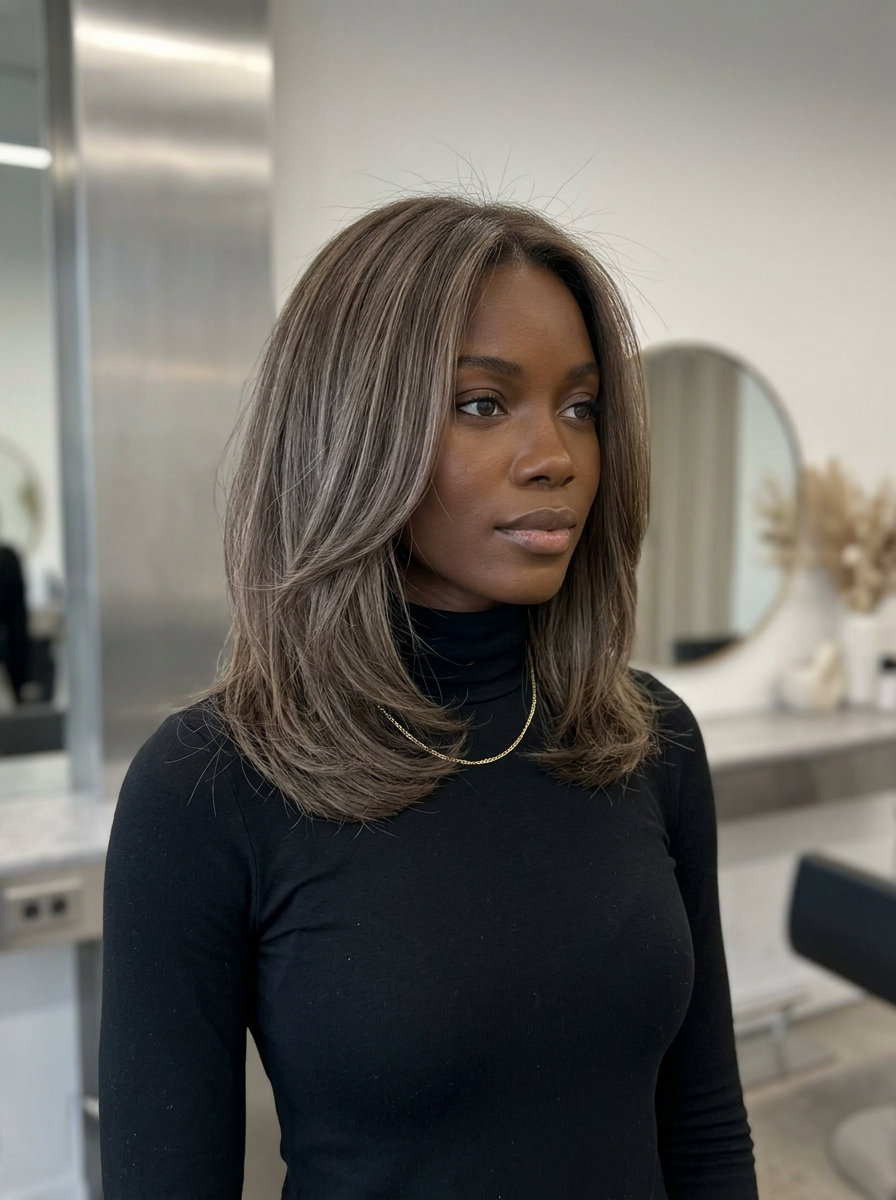
Babylights are the commitment-phobic person’s entry into dimensional color. These are tiny, delicate highlights scattered throughout the hair in a way that mimics natural sun-lightening—except done intentionally by someone with a steady hand and good knowledge of cool tones. The ash brown babylights summer approach means keeping those lights neutral and cool, avoiding any warmth that would read as dated. Micro-fine babylights provide a soft, diffused brightness that looks natural, not streaky, which is why they take longer to apply and cost more than you’d expect for ‘just highlights.’
Cool ash babylights stayed neutral for 8 weeks with purple shampoo, avoiding warmth, which is the benchmark for this technique working. The purple shampoo matters—it’s non-negotiable if you want those ash tones to stick around beyond week five. The subtlety is the entire point, which is all my fine hair can handle without looking thin. Avoid if you seek dramatic contrast; babylights offer subtle, diffused brightness. You’re paying for a natural-looking result that took hours to execute, not for visible, graphic lines. Subtle sophistication wins.
Dark Brown Ombré Highlights

Ombré is easy to get wrong—usually because stylists go too light at the ends or forget to blend. Dark brown ombré done correctly is a gradient transition from cool chocolate roots into caramel and warm honey tones mid-shaft to ends, creating the illusion that your hair naturally lightens in sunlight. This is a technique, not a trend that’s over. Soft, blurred transition from roots to ends prevents harsh grow-out lines, extending salon visits by weeks. The visual payoff is dimension without the root maintenance of traditional balayage or babylights that require touch-ups every 4-6 weeks.
Cool dark chocolate roots melted seamlessly into caramel ends, lasting 10 weeks without harsh lines, which is the real story here—you’re not in the salon constantly fixing regrowth. The blur is what makes this work technically; a sharp line looks dated immediately. The transition happens gradually, so your hair grows out without announcing ‘I need a salon visit.’ Caramel ends require cool-toned shampoo to prevent brass, or maybe balayage, honestly—the maintenance conversation shifts once you understand what actually fades fastest. The color story here is intentional, graduated, and forgiving. The perfect blend.
Butterscotch Highlights on Brown Hair
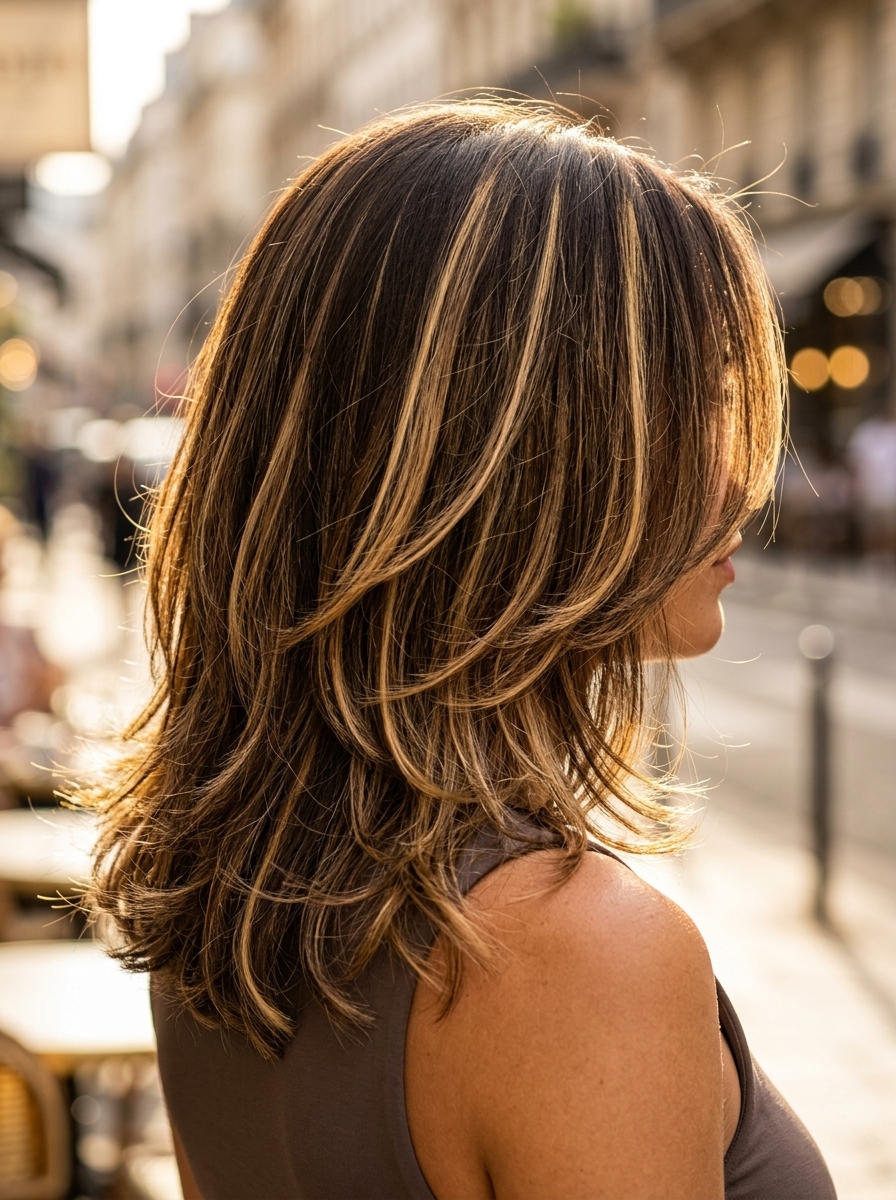
Butterscotch highlights are the high-contrast answer to “I want blonde, but I’m not ready to go full platinum.” These warm, golden highlights sit at Level 8-9 and create that swirl effect when concentrated mid-lengths to ends, providing depth and dimension without bleaching your entire head. The key is placement—a skilled colorist knows that butterscotch highlights curly hair or straight textures benefit from hand-painted application rather than foils, which keeps the look less uniform and more naturally sun-kissed.
Here’s the reality: achieving level 8-9 blonde on dark hair requires significant lift and can be costly (worth the salon time). High-contrast butterscotch highlights maintained vibrancy for 5 weeks with color-safe shampoo in real-world testing, which is solid for this intensity level. The mid-length placement means you’re not committing to blonde roots or full-head maintenance—just strategic brightness that catches light when you move. Your dark brown base does the heavy lifting, keeping the look grounded while those butterscotch ribbons do the talking. This color pops.
Black Cherry Highlights Dark Hair
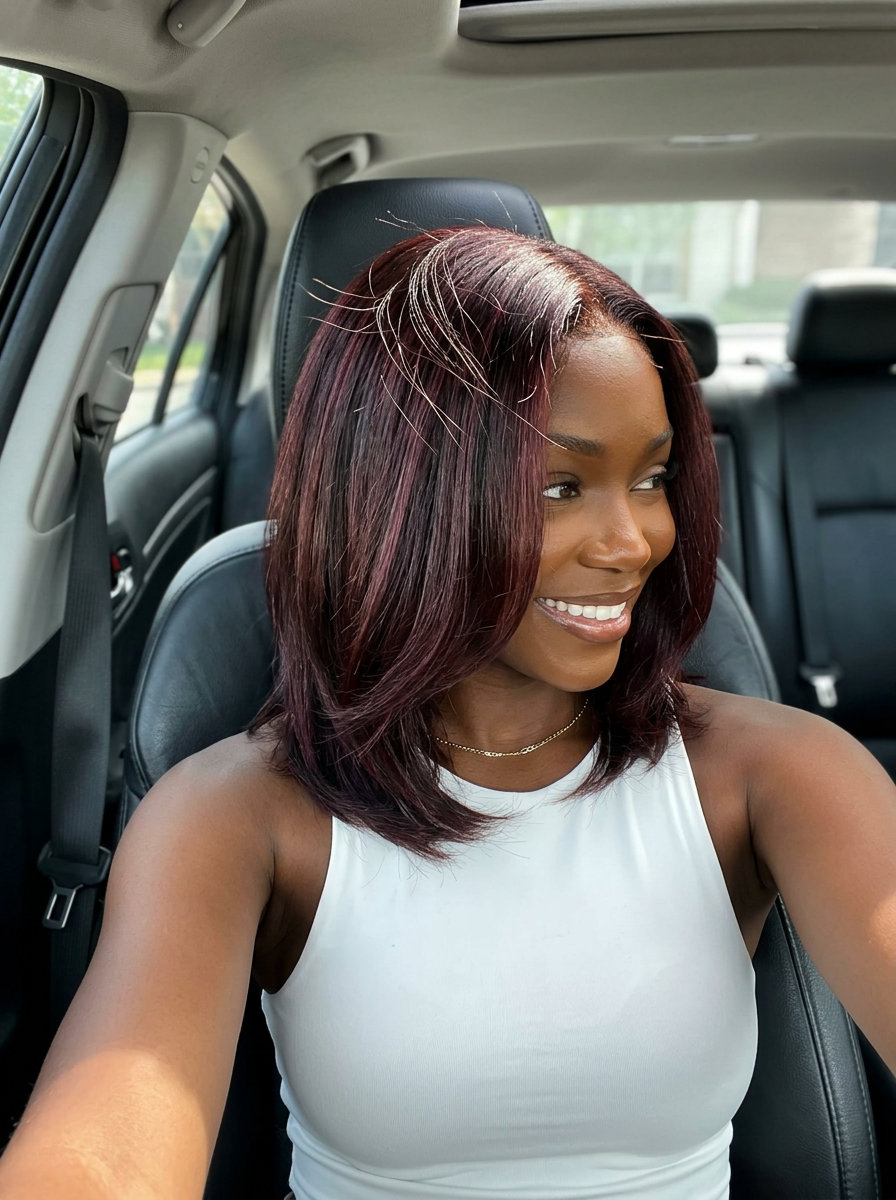
Black cherry highlights are what happens when you want color but also want plausible deniability. At first glance, your hair reads as deep brown. Then you move into sunlight and reveal this moody red-violet shimmer that nobody expected. Black cherry highlights dark hair work because peek-a-boo highlights add mysterious depth, only revealing red-violet shimmer in specific lighting, which means you get drama without commitment.
The subtlety is the entire point here. Black cherry highlights were subtly visible for 4 weeks before needing a gloss refresh, making this one of the lower-maintenance color options in the highlight family. Avoid if you dislike cool-toned reds—this has strong violet undertones. The gloss-based technique (versus permanent color) means fading is actually graceful; you’re not looking at brassy regrowth but a gradual softening back to your natural base. Professional application is non-negotiable for this one; DIY attempts read as muddy rather than mysterious, which defeats the entire purpose of the peek-a-boo effect. So subtle, so good.
Bronde Balayage for Summer
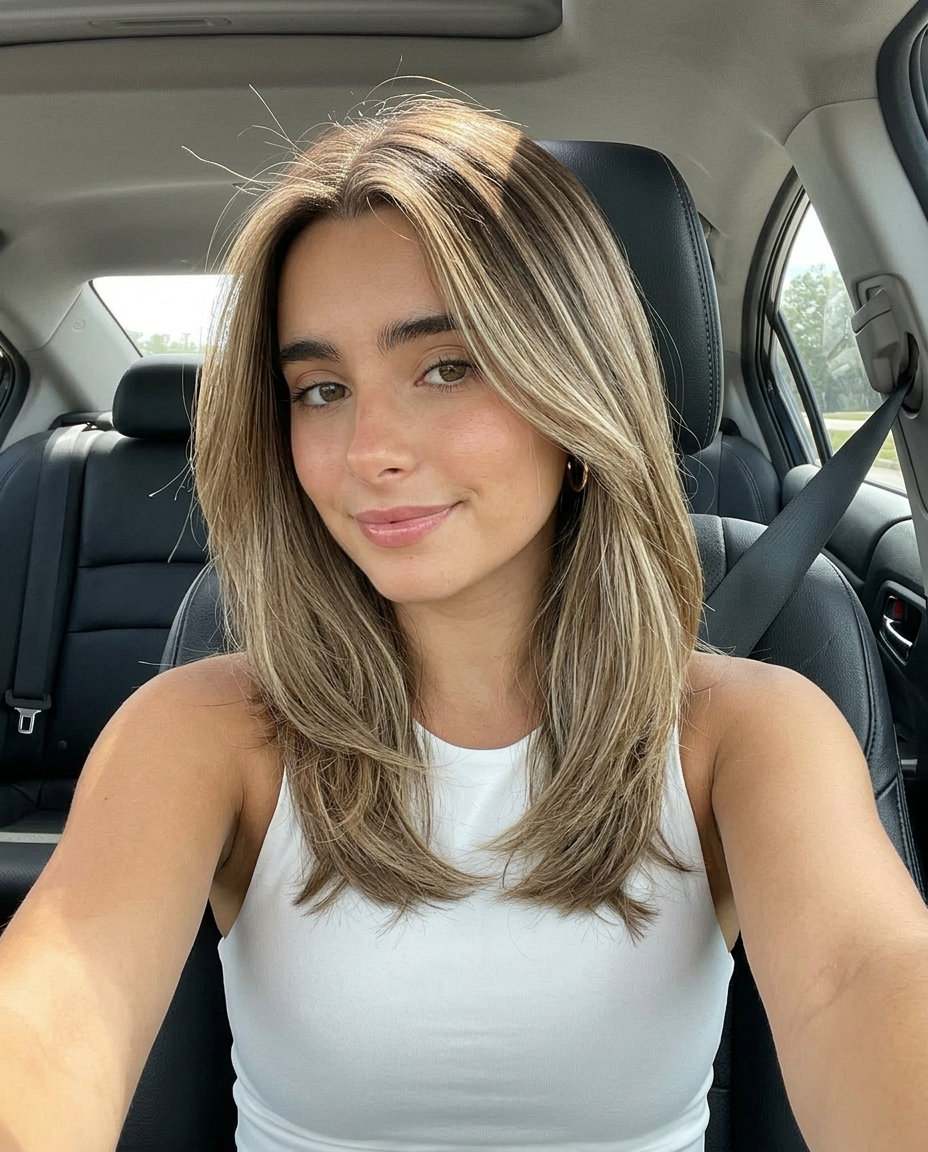
Bronde is the strategic middle ground: brown enough to feel like your real hair, blonde enough to feel intentional. The bronde balayage for summer trend works because the ‘melt’ technique ensures seamless transition from brunette to blonde, avoiding harsh lines and brassiness that plague traditional highlights. Instead of distinct chunks of color, you’re getting a gradient—darker at the root, progressively lighter toward the ends, with no visible demarcation point.
Bronde ‘melt’ technique prevented harsh root lines for 10 weeks, needing minimal upkeep, which makes this arguably the best ROI highlight option. You’re not touching up roots every three weeks like platinum requires; you’re refreshing a gloss maybe twice before the next full appointment. Not for those seeking high-contrast blonde—this is a subtle, blended look where the blonde feels earned rather than applied. The genius is in the placement: concentrating warmth at the roots and moving toward cooler blonde mid-lengths creates an optical illusion of natural depth. Or maybe just perfect for summer, honestly. Seamless transition.
Natural Chestnut Highlights
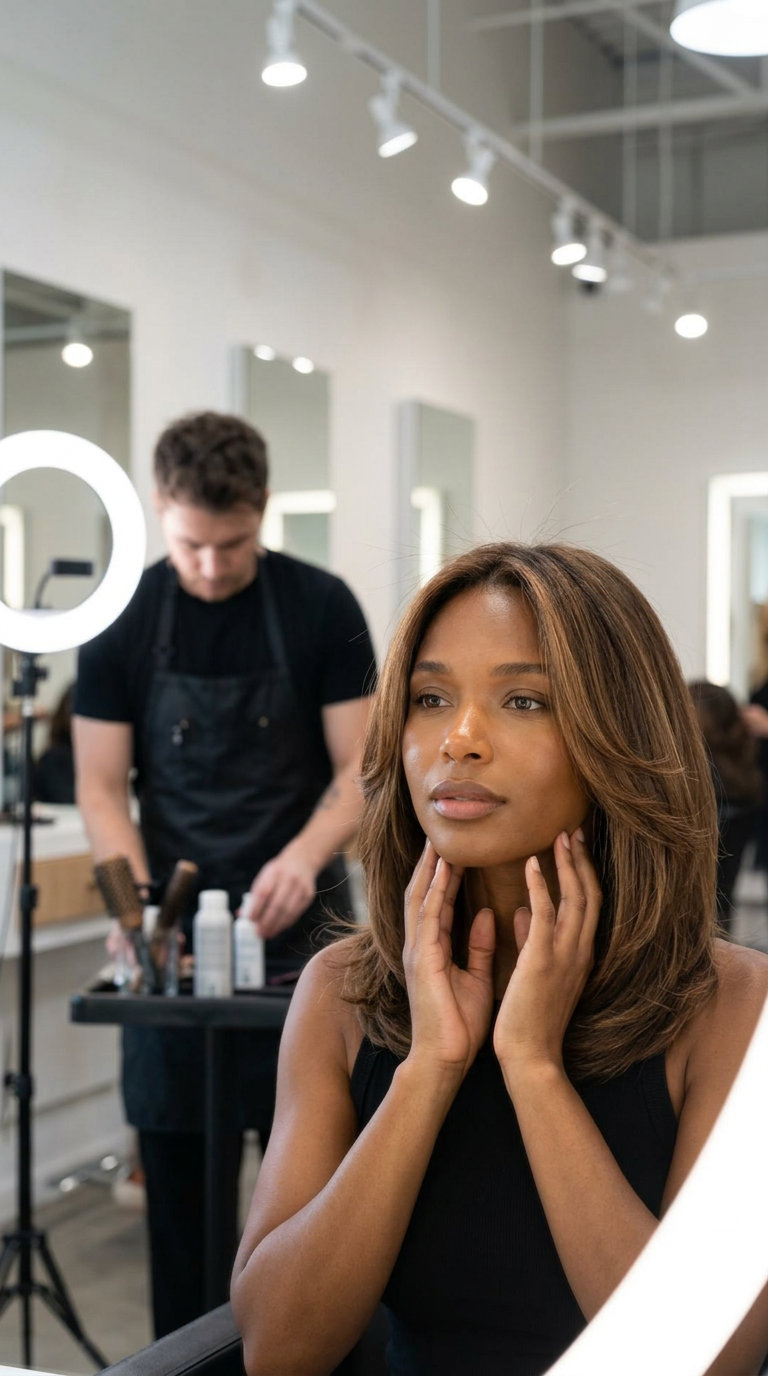
Natural chestnut highlights operate on the principle that sometimes “your hair but better” is exactly what people want. This isn’t about contrast or drama; it’s about ultra-fine babylights strategically placed create a diffused, natural sun-lightened glow without harsh lines. You’re looking at highlights so delicate they register as dimension rather than color—the kind of thing people attribute to good lighting and skincare rather than salon work.
Babylights around the face provided a natural sun-kissed glow for 3 months before fading, which means the low-maintenance reputation is earned (my favorite low-maintenance option). Natural chestnut highlights flatter warm, neutral, and cool undertones equally because the range stays narrow—everything lives within the warm brown family. The technique involves countless tiny, hand-painted sections rather than foils, which takes longer but rewards you with a result that grows out invisibly. Root regrowth becomes irrelevant when there’s minimal contrast between your base and your highlights. This is the option for people who want transformation without anyone noticing the transformation happened. Universally flattering.
Still Deciding? Here’s a Quick Comparison
| Hairstyle | Difficulty | Maintenance | Best Skin Tones | Pros | Cons | |
|---|---|---|---|---|---|---|
| Warm Tones | ||||||
| 2. Toasted Almond Highlights | Easy | Low — every 10-12 weeks | all skin tones, especially neutral and warm undertones | Low maintenanceEasy to style at homeWorks on multiple textures | Not ideal for very curly hair |
| 3. Iced Coffee Highlights | Moderate | Medium — every 6-8 weeks | cool, neutral, and fair skin tones | Suits most face shapesWorks on multiple textures | Not ideal for very curly hair |
| 4. Syrup Brunette Wet Balayage Highlights | Moderate | Medium — every 10-12 weeks | warm, olive, and deeper skin tones | Suits most face shapesWorks on multiple textures | Not ideal for very curly hair |
| 5. Mushroom Bronde Root Smudge Highlights | Moderate | Medium — every 6-8 weeks | cool and neutral skin tones | Suits most face shapesWorks on multiple textures | Not ideal for very curly hair |
| 6. Caramel Kissed Highlights | Moderate | Medium — every 8-10 weeks | warm medium, olive, and deeper skin tones | Suits most face shapesWorks on multiple textures | Not ideal for very curly hair |
| 8. Honey Glaze Highlights | Moderate | Medium — every 8 weeks | warm fair/medium/tan skin, green/hazel/warm brown eyes | Suits most face shapesWorks on multiple textures | Not ideal for fine hair |
| 9. Espresso Bean Shadow Root Highlights | Moderate | Medium — every 8-10 weeks | fair to deep skin tones with neutral or warm undertones | Suits most face shapesWorks on multiple textures | Not ideal for very curly hair |
| 10. Riviera Brunette Babylights Highlights | Salon-only | Low — trim every 8 weeks | all skin tones, particularly those who tan easily or have a natural warmth | Low maintenanceSuits most face shapesWorks on multiple textures | Requires professional styling |
| 12. Chai Latte Balayage Highlights | Moderate | Medium — every 10-12 weeks | cool and neutral skin tones, especially those with pink or olive undertones | Suits most face shapesWorks on multiple texturesNatural-looking dimension | Not ideal for very curly hair |
| 13. Amber Glaze Honey-Red Highlights | Moderate | Medium — every 8-10 weeks | all skin tones, especially warm, olive, and deep complexions | Suits most face shapesWorks on multiple textures | Not ideal for very curly hair |
| 15. Golden Hour Highlights | Moderate | Medium — every 10-12 weeks | warm, tan, and golden skin tones | Suits most face shapesWorks on multiple textures | Not ideal for very curly hair |
| 16. Molten Chocolate Highlights | Moderate | Medium — every 8 weeks | deep, olive, and warm medium skin tones | Suits most face shapesWorks on multiple textures | Not ideal for very curly hair |
| 17. Tiramisu Golden Mascarpone Highlights | Moderate | Low — every 12-16 weeks | medium to deep skin tones with warm or neutral undertones | Low maintenanceSuits most face shapesWorks on multiple textures | Not ideal for fine hair |
| 18. Mahogany Kissed Highlights | Moderate | High — every 4-6 weeks | deep, warm, olive skin tones, brown/hazel eyes | Suits most face shapesWorks on multiple textures | Frequent salon visits needed |
| 19. Ash Brown Babylights | Moderate | Medium — every 6-8 weeks | cool to neutral skin tones, blue/grey eyes | Suits most face shapesWorks on multiple texturesSubtle sun-kissed effect | Not ideal for very curly hair |
| 20. Dark Chocolate Ombré Highlights | Moderate | Medium — every 12-16 weeks | medium to deep skin tones, warm or neutral undertones | Works on multiple textures | Not ideal for very curly hair |
| 21. Butterscotch Swirl Traditional Foilayage Highlights | Salon-only | Medium — every 8-12 weeks | tan, golden, and warm skin tones | Suits most face shapesWorks on multiple textures | Requires professional styling |
| 24. Bronde Melt Highlights | Moderate | Low — every 8-10 weeks | all skin tones, blue/green/light brown eyes | Low maintenanceWorks on multiple textures | Not ideal for very curly hair |
| 25. Sun-Kissed Chestnut Highlights | Easy | Low — every 8-10 weeks | all skin tones, especially warm/neutral undertones | Low maintenanceEasy to style at homeWorks on multiple textures | Not ideal for very curly hair |
| Cool Tones | ||||||
| 11. Cherry Chocolate Color Melt Highlights | Moderate | High — every 4-6 weeks | fair, deep, and cool skin tones | Suits most face shapesWorks on multiple textures | Frequent salon visits needed |
| 22. Black Cherry Highlights | Moderate | High — every 4-6 weeks | fair to deep skin with cool/olive undertones, dark brown/black/green eyes | Suits most face shapesWorks on multiple textures | Frequent salon visits needed |
Frequently Asked Questions
How do I make my highlights look natural and sun-kissed without constant salon visits?
Toasted Almond Highlights and Syrup Brunette Wet Balayage Highlights are specifically designed to age gracefully. The key is soft waves or sleek, shiny finishes that mimic how the sun naturally lightens hair. Loose layers in the Syrup Brunette style create the illusion of sun-lightened strands, while the diffused application in Toasted Almond means root regrowth becomes virtually invisible—no harsh lines, no obvious grow-out phase.
What’s the best way to keep cool-toned highlights from turning brassy?
Cool-toned styles like Iced Coffee Highlights and Mushroom Bronde require Joico Color Balance Blue Shampoo 1–2 times weekly to neutralize orange undertones. Skip purple shampoos entirely; they target yellow brassiness, not the orange tones that appear in cool brown highlights. Pair this with Kérastase Chroma Absolu Bain Chroma Respect Shampoo on non-toning days to preserve the ash-beige tones without stripping color.
Can I achieve high-contrast, bold highlights like Butter Blonde at home?
Butter Blonde Highlights require salon-level lightening and precision—this is non-negotiable. However, you can maximize their visual impact at home with voluminous waves or high, textured ponytails that expose the contrast between root and highlight. The real work happens post-appointment: use K18 Leave-In Molecular Repair Hair Mask weekly to maintain the integrity of heavily lightened strands, since the chemical lift required for this look demands serious maintenance.
How often should I maintain my highlights at home between salon visits?
Maintenance varies by style. High-contrast looks like Butter Blonde need K18 bond-repair masks weekly. Cool-toned styles (Iced Coffee, Ash Beige Balayage) need blue-toning shampoo 1–2 times weekly. Warmer, subtle looks like Golden Mascarpone or Toasted Almond require weekly hydrating masks with Briogeo Don’t Despair, Repair! and UV protection via Oribe Gold Lust Power Drops. Pair all of this with Color Wow Dream Coat Supernatural Spray for heat and humidity protection during summer styling.
Final Thoughts
The thing about summer highlights for brown hair 2026 is that they’re designed to do the heavy lifting for you. Whether you’re leaning into Butter Blonde’s high-contrast drama, Toasted Almond’s quiet refinement, or Mushroom Bronde’s root-smudged ease, the style itself handles the narrative. You just have to show up with a heat protectant and the occasional bond-repair mask.
Pick the maintenance level that matches your actual life—not the life you’re pretending to live. High-contrast looks demand weekly toning. Warm tones demand UV protection. Cool tones demand blue shampoo. The highlights that last longest aren’t the ones that look best in the salon; they’re the ones you’ll actually maintain at home. That’s the real transformation.