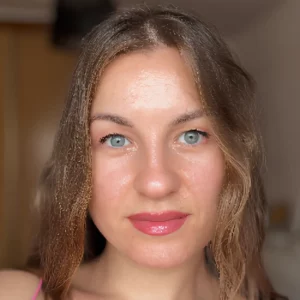
The Jellyfish Cut, the Butterfly Bob, the Bixie—three salons this month alone, and I’m not even counting the TikTok stylists who’ve made soft-sculpt pixies their entire personality. Sabrina Carpenter shortened her layers, Florence Pugh proved that a grown-out buzz can be high fashion, and suddenly everyone’s asking the same question: can I actually pull off short hair this summer? The answer is yes, but the *how* matters.
This year’s trendy summer short haircuts 2026 range from barely-there Soft Pixies to precision Laser-Cut Bobs—cuts that work on fine hair, thick hair, round faces, and the “I-don’t-own-a-hairdryer” crowd. The shift is real: we’re moving away from 2024’s sharp, architectural bobs into what stylists are calling “fluid geometry”—short cuts that actually move in humidity instead of fighting it.
I went from collarbone to a textured pixie in March and spent two weeks convincing myself I didn’t make a mistake. Month three, I was back in the chair asking for even shorter layers. Some decisions stick around. This one’s staying.
Linen Blonde Bob Haircut
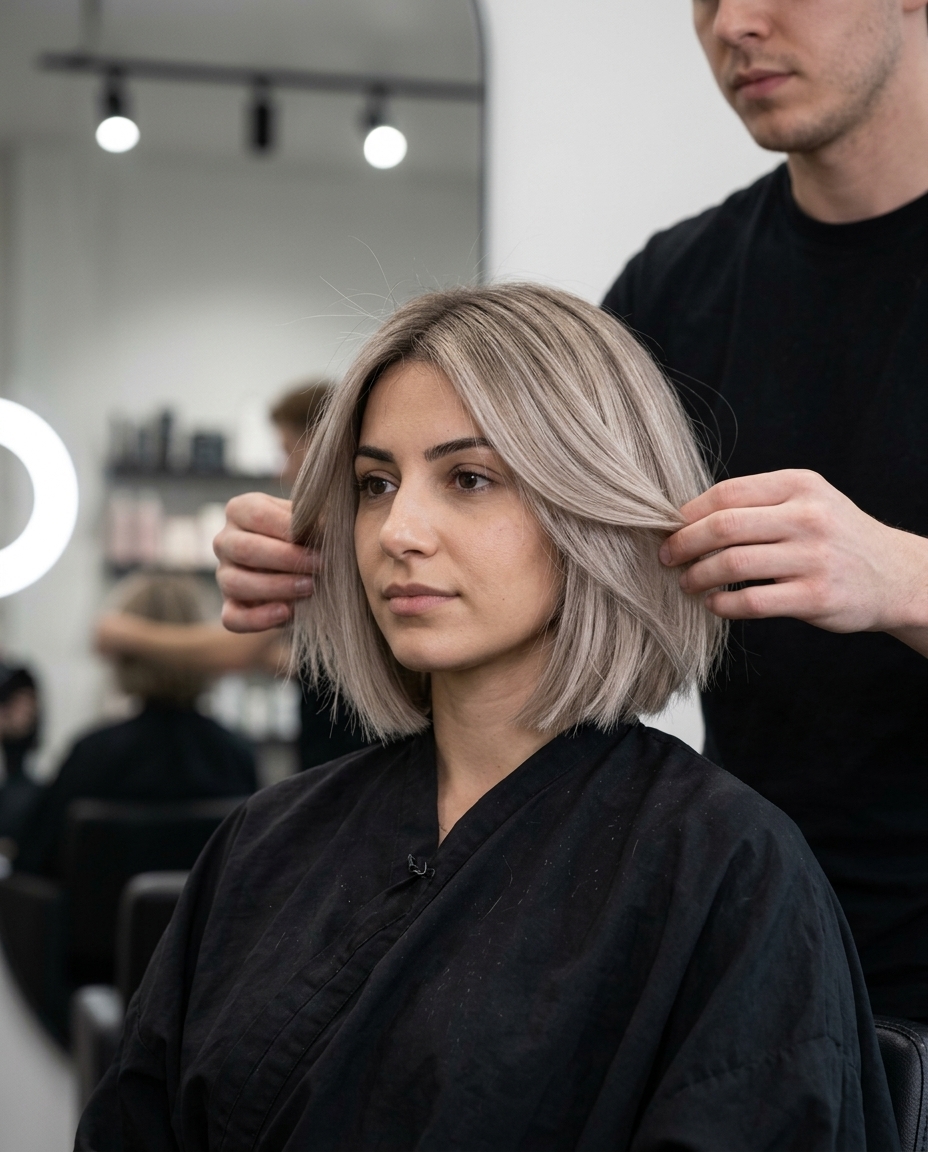
The linen blonde bob haircut exists in the space between blunt and feathered, and it’s doing heavy lifting for people who want movement without chaos. Point-cutting the perimeter creates a softer, diffused edge, giving movement without appearing choppy. The base stays structured at the jawline, but the ends get textured, which means the grow-out doesn’t read as lazy—it reads as intentional, which is all my fine hair can handle. Styling here is genuinely different from a blunt bob: point-cut perimeter softened the grow-out, looking good for 8 weeks without a hard line.
Linen blonde is a cooler, grayer version of golden honey—it’s the color equivalent of linen fabric, which explains the name. Matte. Slightly washed-out. The kind of blonde that doesn’t scream, it whispers. The combination of soft texture and cool tone creates an illusion of effortlessness, but don’t mistake that for low-maintenance. You’re still blow-drying straight most days. You’re still using a smoothing cream or a texture spray depending on humidity. Not for very thick hair—internal layers might not provide enough bulk reduction.
The real advantage here is flexibility. A blunt bob demands daily styling adherence. This one forgives a second-day texture without looking like you skipped a wash. The point-cut perimeter creates movement that reads intentional even when you’re genuinely just running late.
Laser Cut Bob
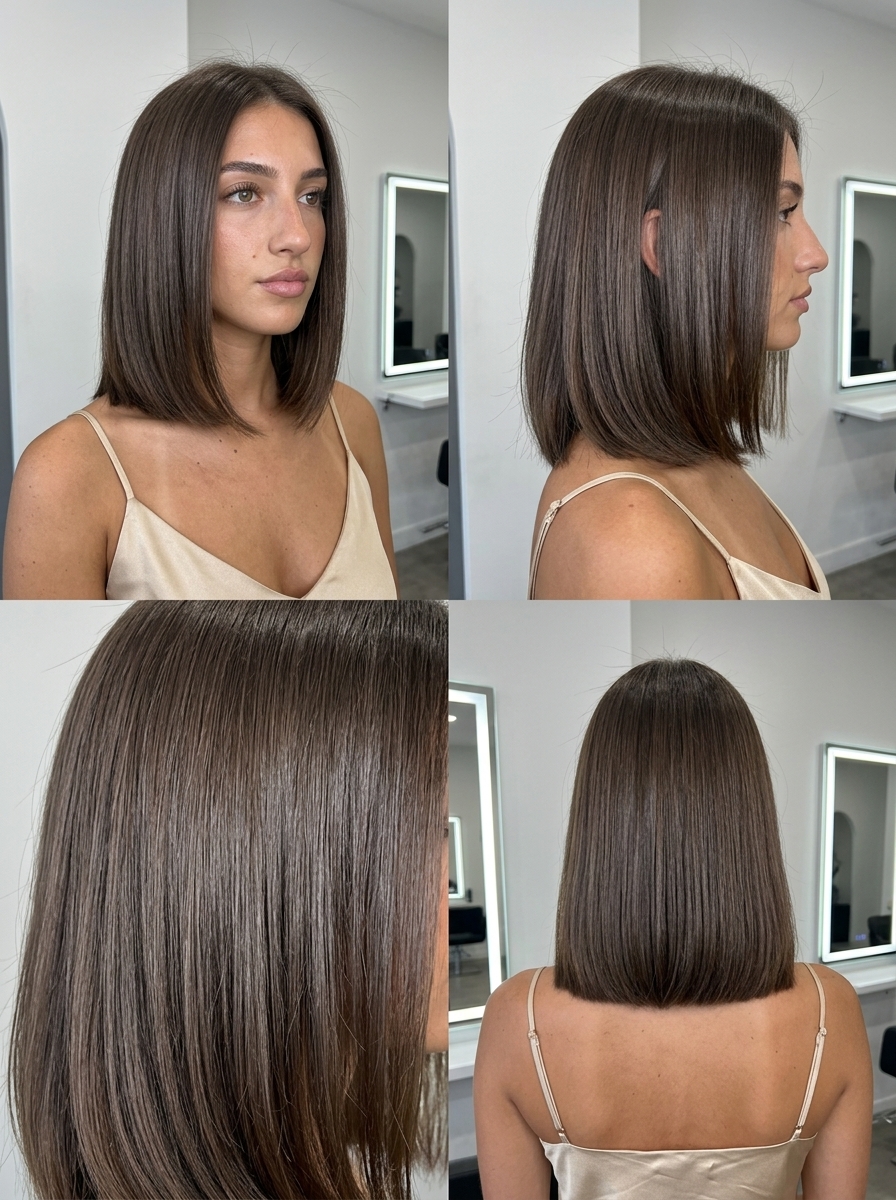
The laser cut bob is what happens when a stylist treats hair like geometry and refuses to compromise. Dry cutting ensures perfect symmetry and a solid, weighty perimeter, crucial for this blunt bob’s precision. The name is literal—the line is that clean. It lands at the jawline and doesn’t waver. This level of precision requires a highly skilled stylist, increasing salon cost significantly, which is probably worth the consultation at least.
The salon investment here is steep, but the look is uncomplicated once you understand what you’re paying for: not a cut that’s easy to maintain, but one so architecturally perfect that even when it needs trimming, it still reads as intentional for six full weeks. The dry-cut technique ensured perfect symmetry, maintaining its sharp line for 6 weeks, which is how you know the stylist understood the assignment. Most stylists cut hair wet and hope it dries into what they envisioned. This one doesn’t hope. They cut on the assumption that your hair is straight.
If you have texture, you’re either straightening this daily or you’re wasting the investment. The payoff is a silhouette so clean that you could shoot it for a haircut advertisement. Precision personified.
Soft Pixie Cut
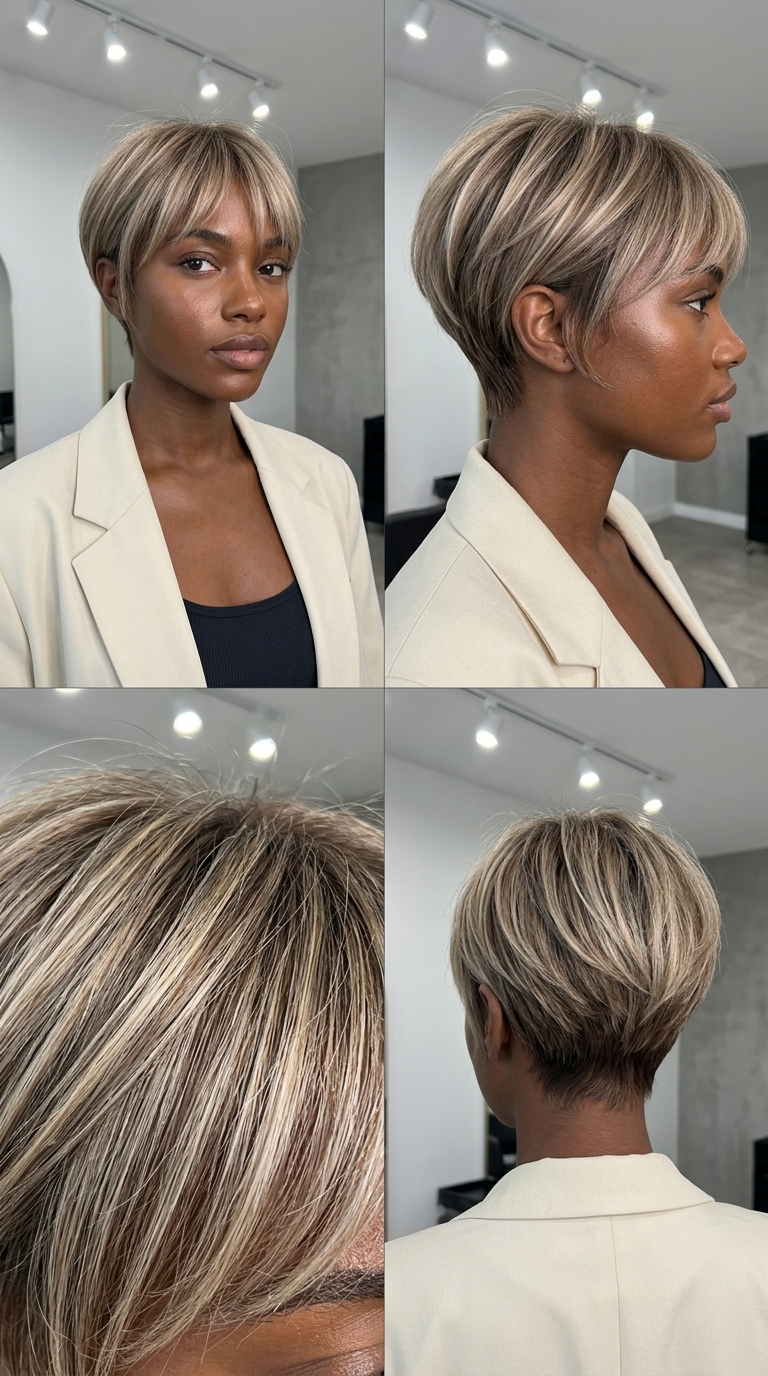
The soft pixie cut is the response to every person who said pixie cuts look harsh and masculine and demanded proof that short hair could be delicate. Scissor-over-comb techniques create soft, tapered edges, avoiding harsh lines for a delicate finish. The crown has length—nothing sits shorter than two inches—and the nape tapers instead of sitting blunt. Best on fine to medium hair, straight to slightly wavy, yes, the short one. The soft edges are easier to achieve on this hair type because you’re not fighting density.
This is genuinely different from a pixie-pixie cut. You’re not shaving the sides. You’re not creating geometric art. You’re creating something that moves, something you can run your fingers through and have it fall back into place because the technique is doing the work. Scissor-over-comb tapering kept the nape clean for 5 weeks before looking shaggy, which is better longevity than I expected from something this short. A light texturizing paste helps on day three or four. That’s it.
Avoid if you only air-dry—this needs styling for movement and texture. The cut is forgiving, but it’s not invisible. You’re still showing up for it. Finally, a pixie that moves.
Textured Pixie Cut
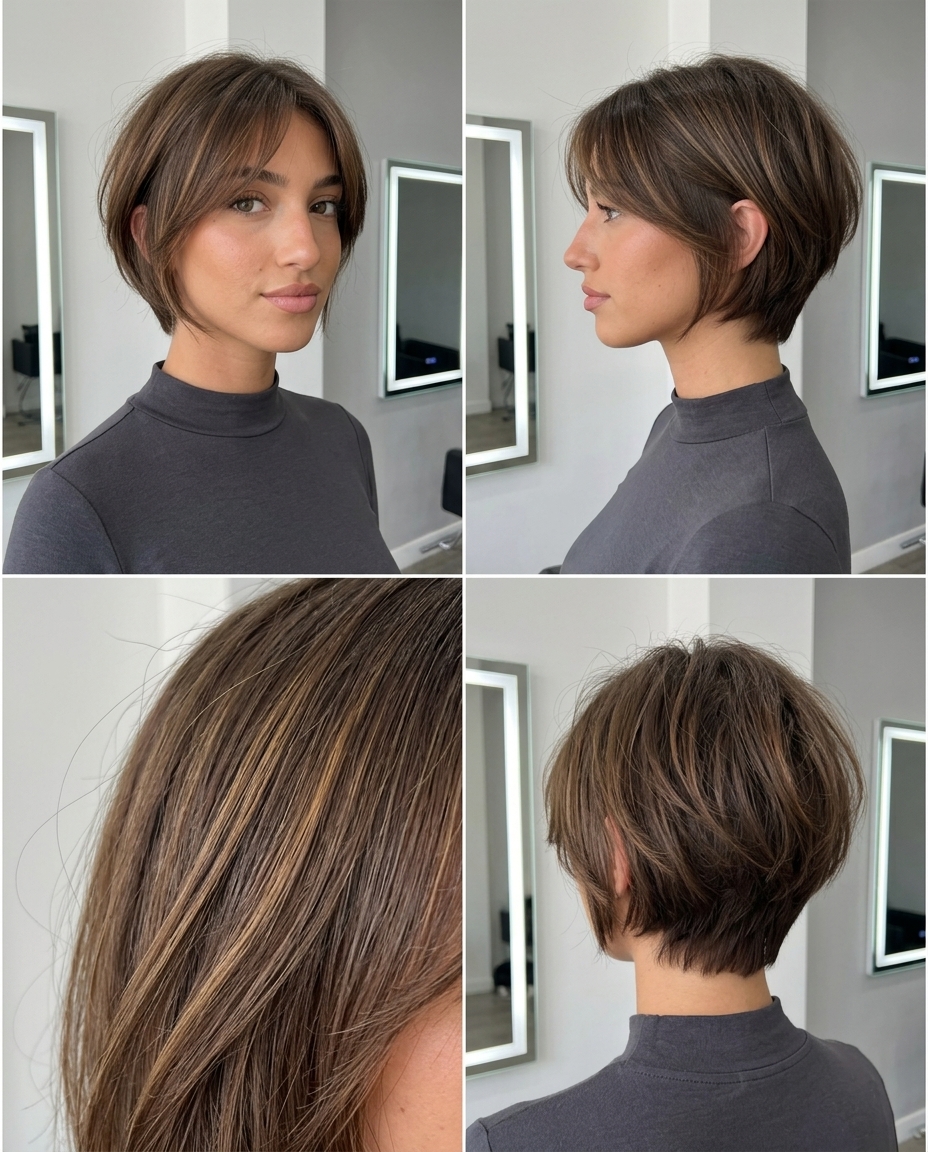
Point-cutting exists for a reason, and that reason is creating texture when your hair would otherwise just lay there. A textured pixie takes the shortest cut on this list and makes it move—which is exactly what fine hair needs. Point-cutting softens ends and reduces weight, allowing for a piecey, textured finish that moves naturally. The stylist isn’t taking an inch off and calling it done; they’re shaping individual sections, creating micro-layers that catch light and create dimension even on a cut this short.
Point-cut ends created a piecey, tousled finish that air-dried perfectly in 15 minutes. No blow dryer. No styling product. Just dry your hair and walk out looking like you spent actual time on it. The nape stays tapered, the sides tuck behind your ears without any weird pinching, and the top has enough length to spike or smooth depending on your mood. This is the cut you choose when you’re genuinely tired of hair taking up mental space, but you still want to look like you tried. Tousled bixie cut textures do the heavy lifting for you. Texture for days.
Wispy Pixie Cut
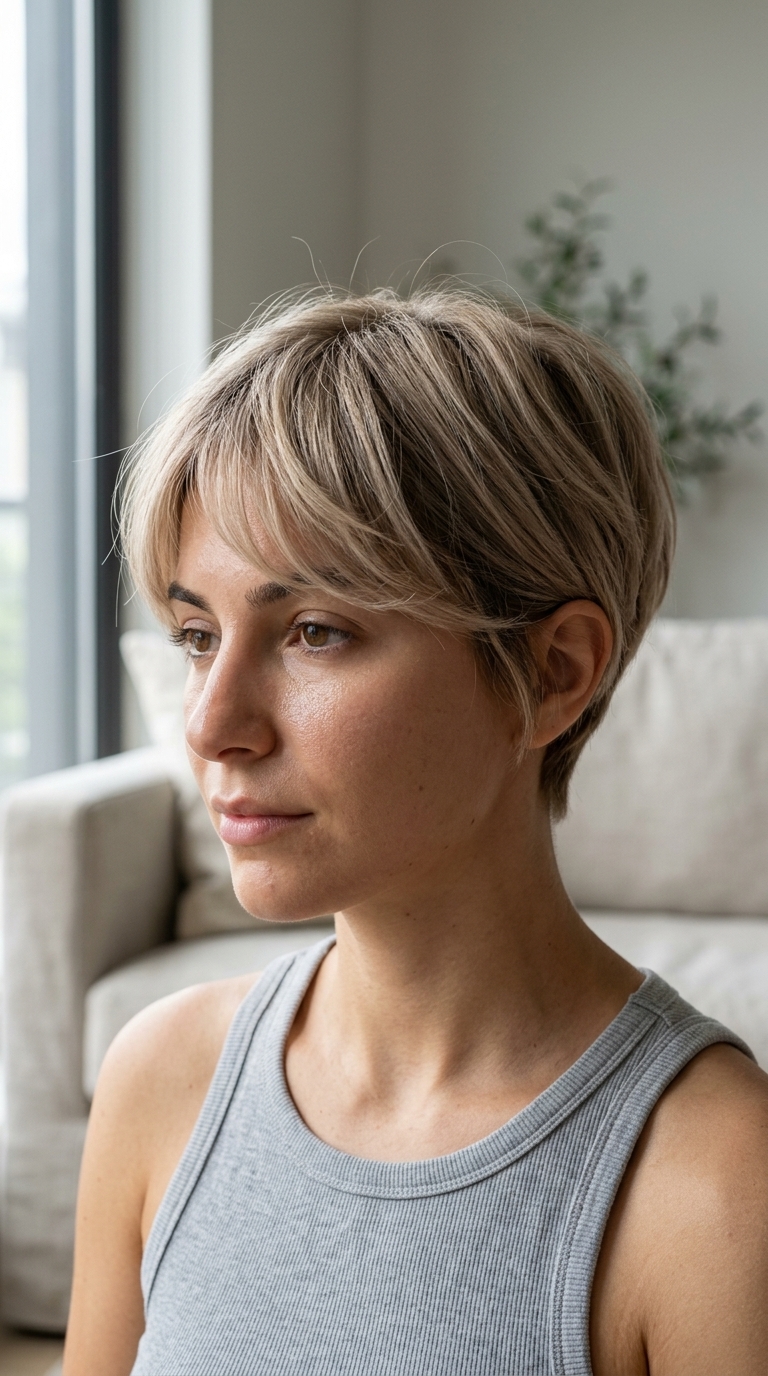
Fine hair has gotten the short end of the stick (no pun intended) for years—stylists act like short cuts require thick, heavy hair to work. That’s wrong. Blended point-cut layers create an airy feel, adding volume and enhancing natural texture in fine hair. A wispy pixie proves it: you can have short hair, fine hair, and still look intentional instead of just chronically underfed. The cut uses graduated layers that build toward the crown, adding lift where your hair naturally lacks density.
Point-cut layers added volume to fine hair, lasting 2 days before needing a refresh. Two days is honestly solid—that’s not nothing. The back stays feathered, the sides blend into the top without creating a weird shelf, and the overall effect reads as airy and intentional. Requires frequent trims to maintain the clean nape and wispy fringe shape, which is the trade-off for having a cut that actually works with your hair type instead of against it. But if you’re already in the salon every six weeks for color anyway, the extra trim appointment is the best summer cut—the kind that makes you forget you ever wanted longer hair. Light and airy.
Butterfly Layer Bob
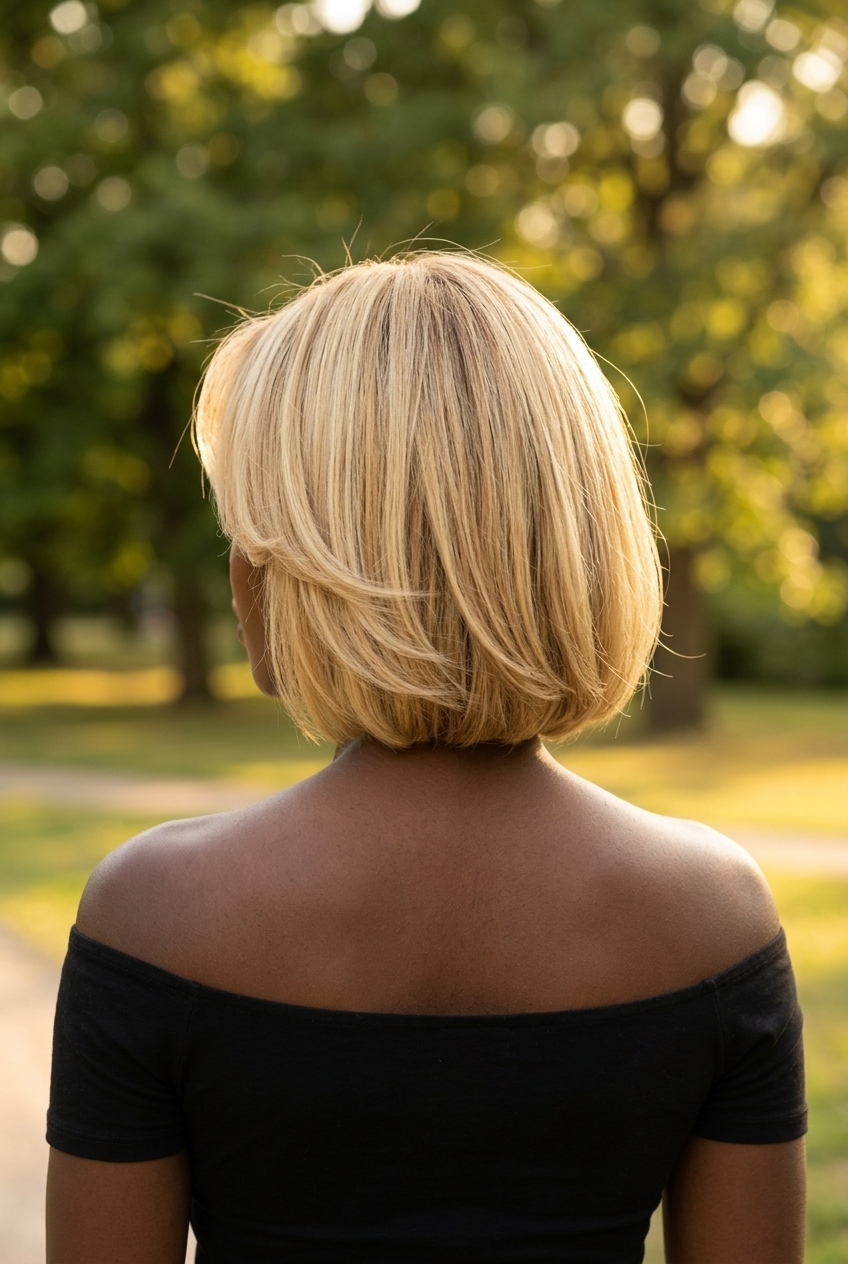
Butterfly layers are the 2026 version of “I want layers but make them flattering.” Instead of choppy, uneven pieces that make you look like you cut your own hair at 2 AM (been there, don’t recommend), butterfly layers frame your face with intentional, blended sections that create movement without reading as severe. Face-framing butterfly layers create volume around the cheekbones, adding softness and movement to the face. The cut works because it’s not fighting your bone structure—it’s highlighting it.
Face-framing butterfly layers provided volume around the face that held shape for 2 days. The bob sits at chin-length, which means it’s long enough to feel like an actual change but short enough to be genuinely manageable in summer heat. Avoid if you have very straight hair—the layers might not hold their shape well. You need at least a little natural texture for the layers to read the way they’re supposed to. This cut probably worth the consultation at least because your stylist will need to map where your bone structure sits before committing to the cut. The new bob.
Precision Blunt Bob
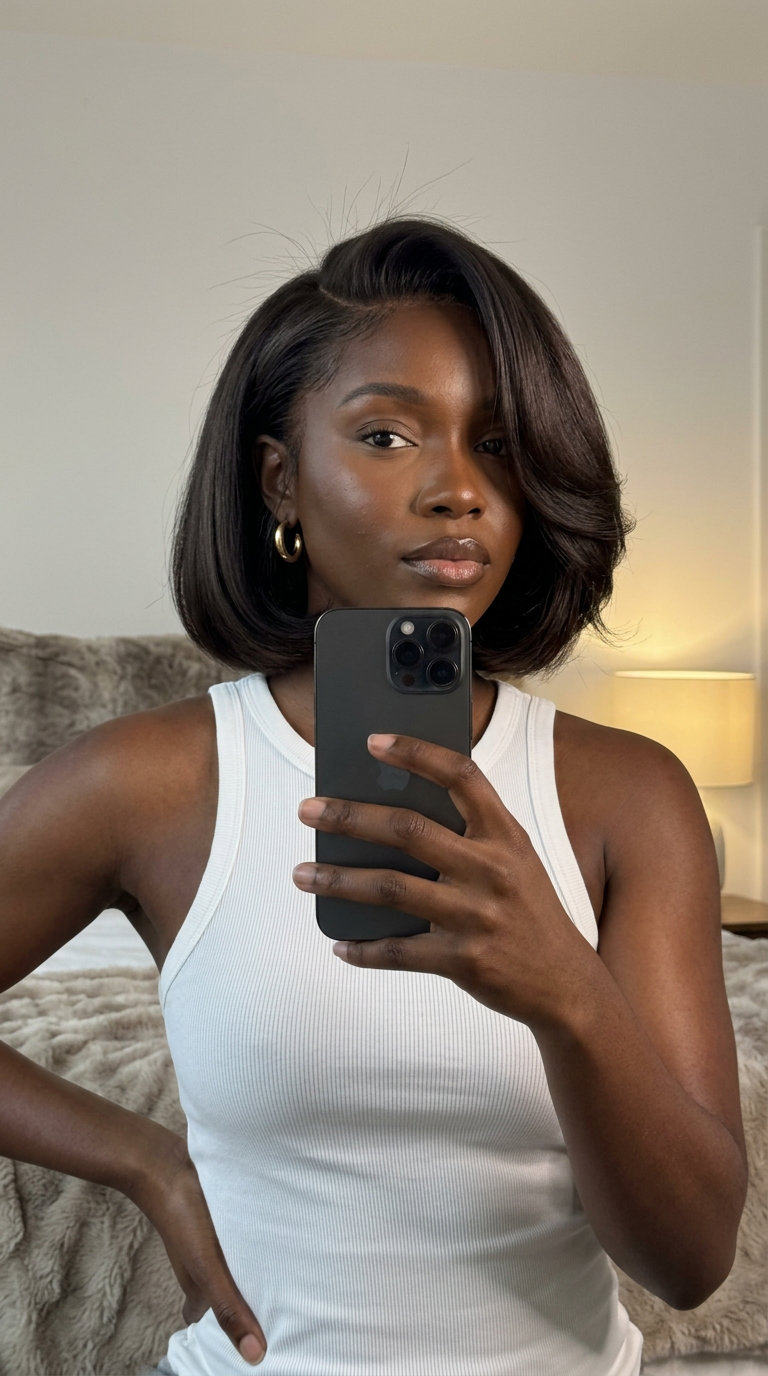
The blunt bob isn’t subtle. It announces itself the moment you walk in a room. This cut works because it’s intentionally heavy: a one-length perimeter, sharp and sculpted, with minimal to zero layers. Scissor-over-comb technique creates a smooth, sculpted finish, providing significant weight and volume that photographs like a dream and feels substantial in your hands. The line should hit your jawline or just below—precision matters more than it sounds.
Blunt perimeter held its sharp, weighty line for 5 weeks before needing a precise trim, which is honestly better than most bobs manage. Requires precise, regular salon trims every 4–5 weeks to maintain its sharp, heavy line, so budget accordingly before you commit. This needs a stylist who gets blunt cuts—not someone who defaults to “softening” everything with layers. Ask directly: “No layers. Just a clean, blunt perimeter.” You want someone who understands that weight is the point. The straightness of your hair matters here; this cut flatters straight to wavy textures best. Power bob energy.
Blonde Bixie Cut
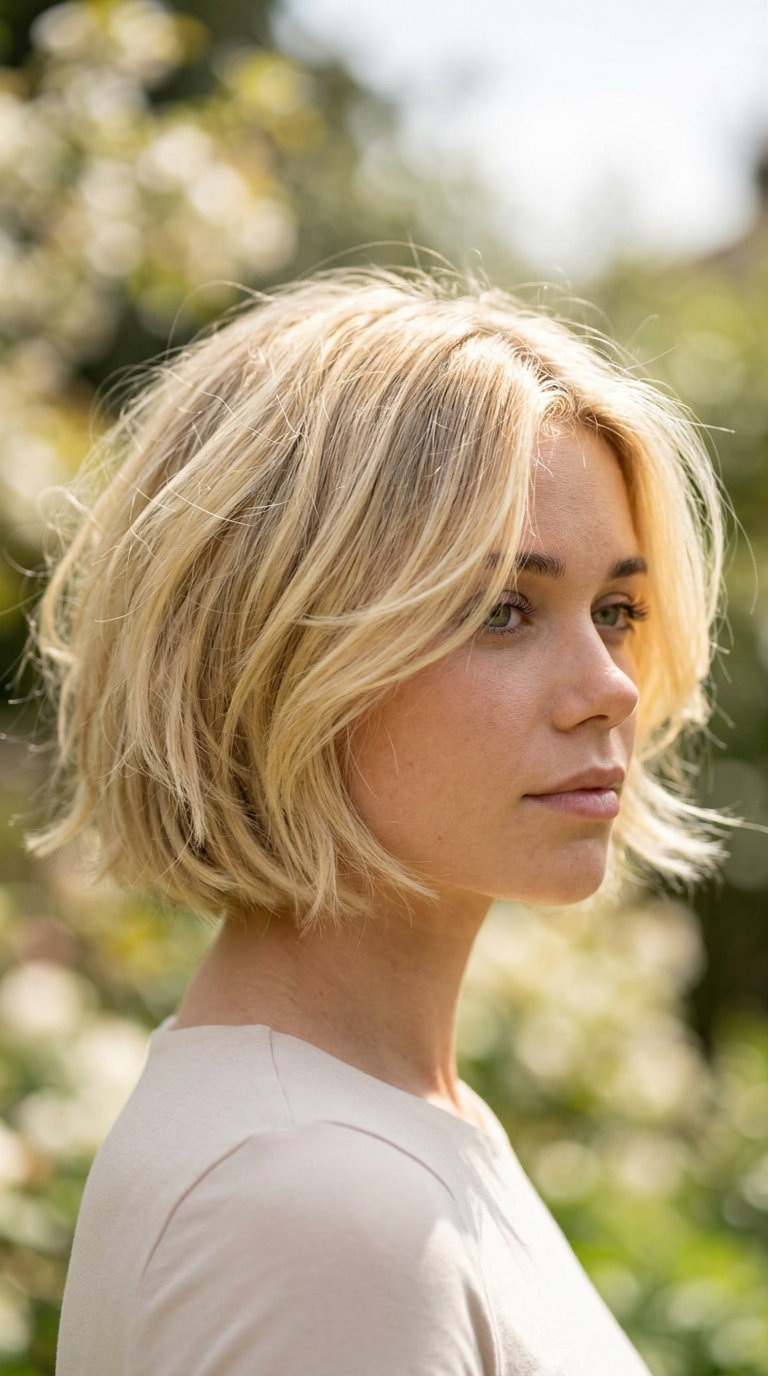
A bixie sits right where bob and pixie shake hands. It’s chin-length with textured layers throughout, giving you the professional vibe of a bob without the commitment. The crown has more volume, the sides taper slightly, and the texture front-loads the styling work—but in a good way. Point-cutting softens the perimeter and layers, allowing for natural movement and a playful, tousled finish that doesn’t require a full blowout every morning. In blonde, especially pale or cool-toned blonde, those textured layers catch light and add dimension naturally.
Textured crown provided lift, making styling quick and easy for a tousled, playful finish that works for both office days and weekend chaos. Not for very thick hair—layers may add too much volume without significant thinning. A texturizing paste works wonders here, though or maybe just a really good dry shampoo refreshes the texture between wash days. You’re looking at roughly two products maximum to make this work. Straight to wavy hair wears this best; curly hair gets too much volume with all these layers. The perfect in-between.
Soft Curtain Fringe Bob
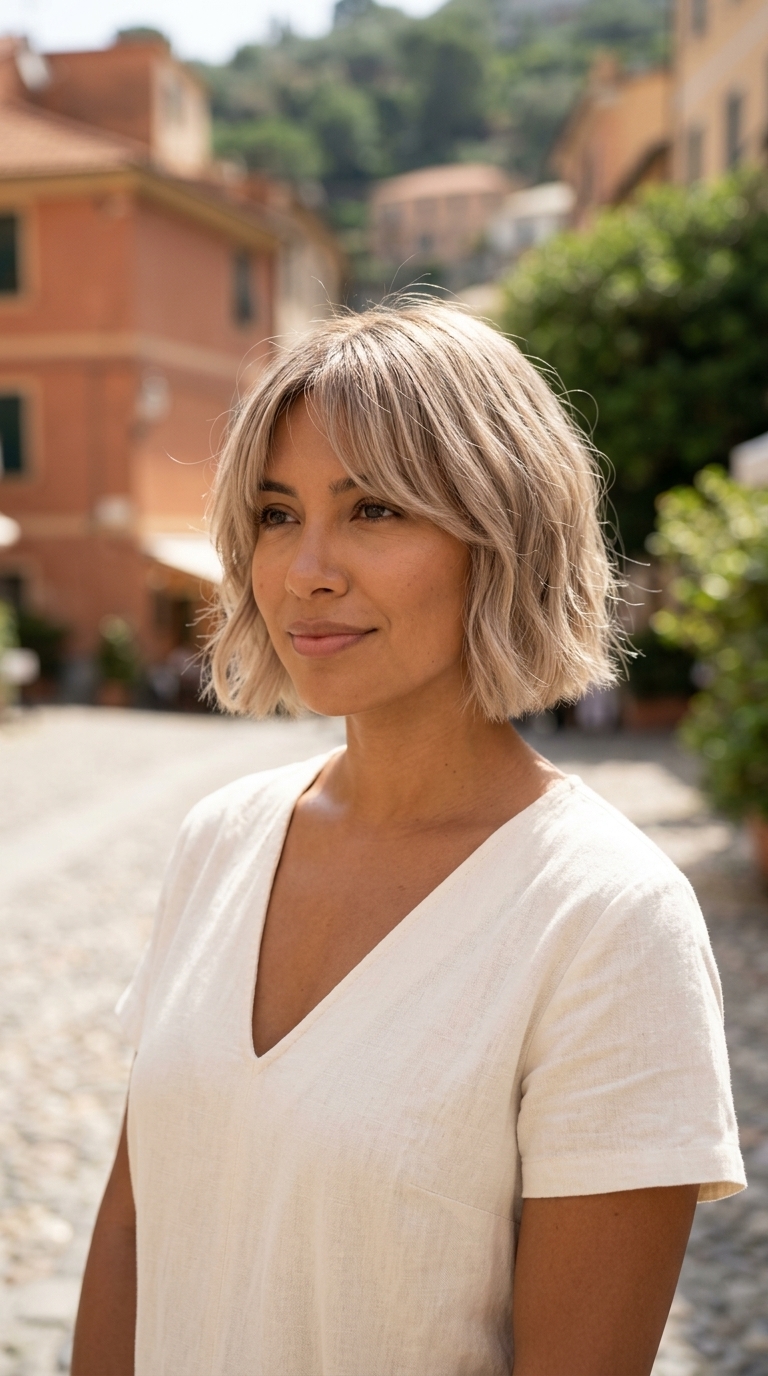
Curtain bangs aren’t new, but putting them on a chin-length bob with internal point-cutting? That’s the 2026 move. The bangs sit just below the brow and part naturally in the center, framing the face without requiring precision positioning. The bob itself stays chin-length with soft, angled layers that create movement rather than stiffness. Strategic internal point-cutting removes bulk, preventing a ‘bell’ shape and encouraging natural wave. The overall effect reads polished but lived-in, which is exactly where the best summer cuts live.
Tapered nape kept the bob clean for 6 weeks, avoiding an awkward grow-out phase that plagues most bobs around week four. This cut rewards routine; you’ll want a trim every 5–6 weeks to maintain the soft shape. Avoid if you only air-dry—curtain bangs need blow-drying to look right, which means this isn’t truly zero-effort. That said, probably worth the consultation at least to see how your stylist approaches the bangs. Fine to medium hair wears this beautifully; thicker hair needs internal thinning to prevent that stiff, helmet feel. Curtain bangs done right.
Ultra-Short Blonde Crop
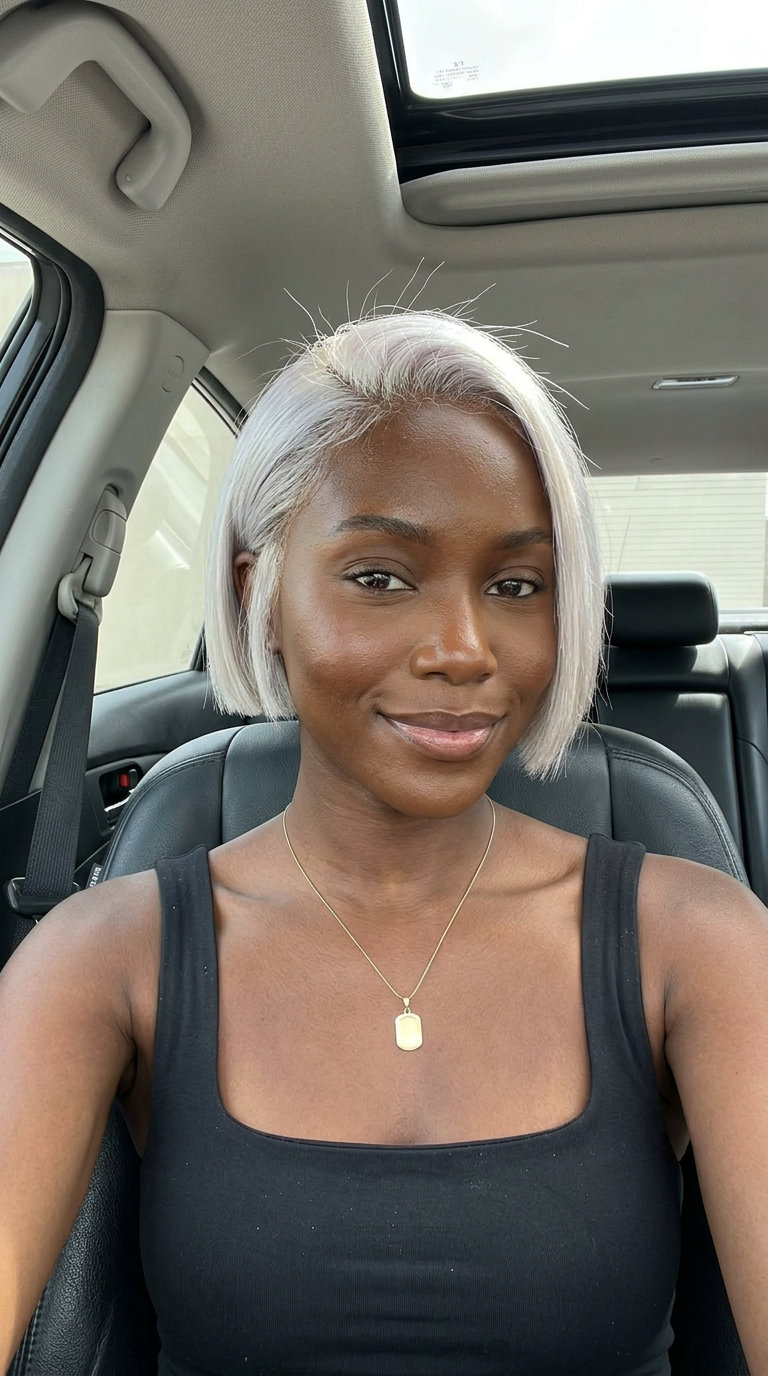
This is the cut that turns heads. Not long enough to tuck behind your ears, barely longer than a buzz at the sides, with a slightly textured crown for movement. Zero layers and a blunt, one-length perimeter creates a graphic, weighty silhouette that reads as intentional and bold. Precision shears create an extremely blunt, one-length perimeter for a graphic, weighty, high-impact silhouette that doesn’t apologize. In platinum or pale blonde, especially with a slight undercut on the sides, this cut becomes architectural.
Zero layers and blunt perimeter maintained its graphic, sharp silhouette for 3 weeks, which is shorter than most bobs, so factor that in. This ultra-blunt cut requires frequent trims every 3–4 weeks to maintain its precise, sharp line. The investment is real—you’re looking at $150–200 minimum per salon visit, sometimes more depending on your stylist’s demand. Best on straight, fine to medium hair for the sharpest line; yes, the short one. Thicker or curly hair can wear this, but texture softens the graphic edge that makes this cut special. Statement hair, period.
Cyber Jellyfish Bob
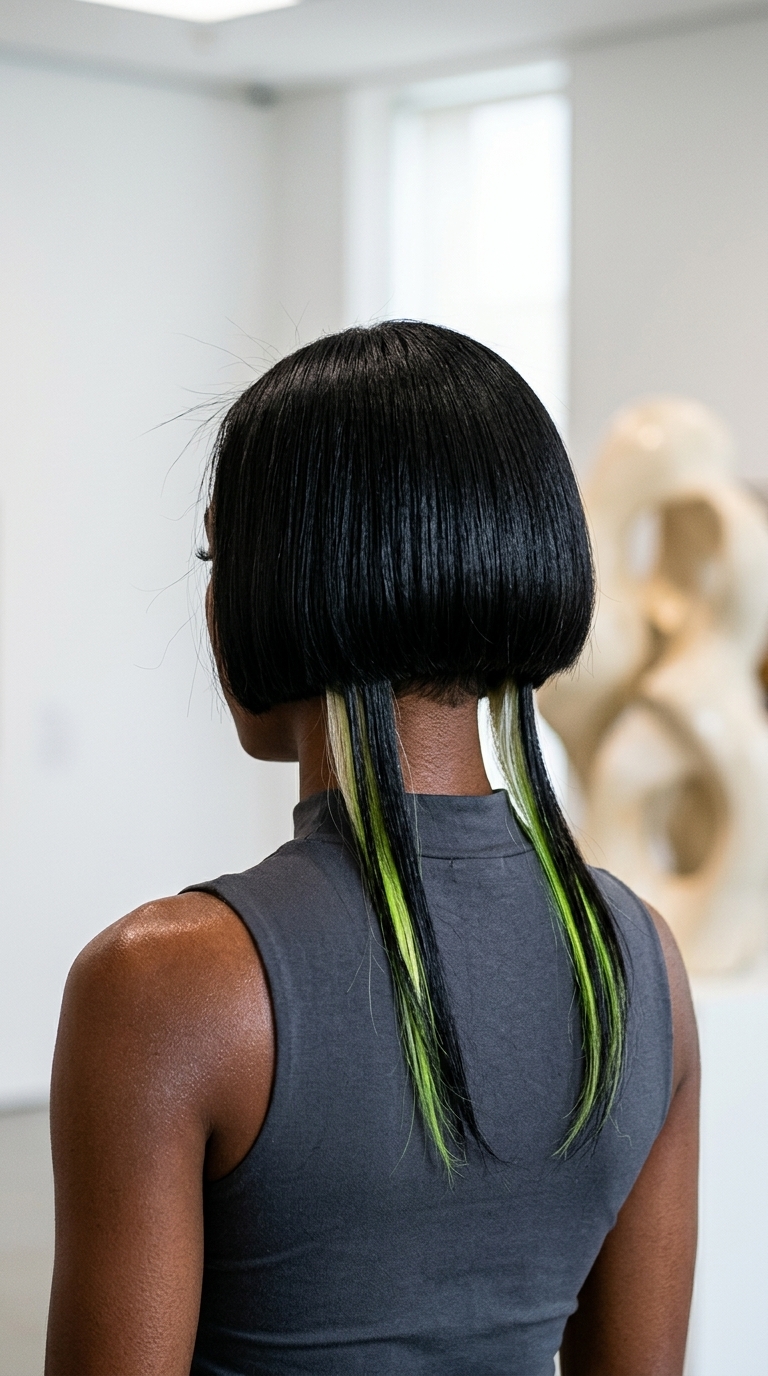
The name alone tells you this cut is not trying to be traditional. It’s a bob—or maybe it’s just two cuts in one—with a blunt outer perimeter and deliberately hidden longer sections underneath that peek out like tentacles. This is the kind of cut that photograph cleanly in still images but reveal their true personality when you move. The longer hidden sections catch light and create unexpected angles. Straight to wavy hair shows this off best, though the commitment to the weird factor needs to be genuine.
Hidden tendrils maintained definition for 4 days before needing restyling with product, which is reasonable for a layered piece like this. The blunt outer perimeter combined with longer hidden sections creates the unique jellyfish silhouette. Styling means either embracing the spiky disconnect with a texturizing paste or smoothing everything with a lightweight cream for a softer read. This is a salon-only cut because the proportions matter—the angle of the hidden layers, the bluntness of the perimeter, all of it has to work in relationship to your head shape. Not for very curly hair, since the blunt bob fights natural texture and you’d lose the whole visual effect. Summer 2026 is when this cyber jellyfish bob styling trend peaks because the texture catches the light differently in golden-hour sun. The contrast is everything.
Cyber Lime Pixie
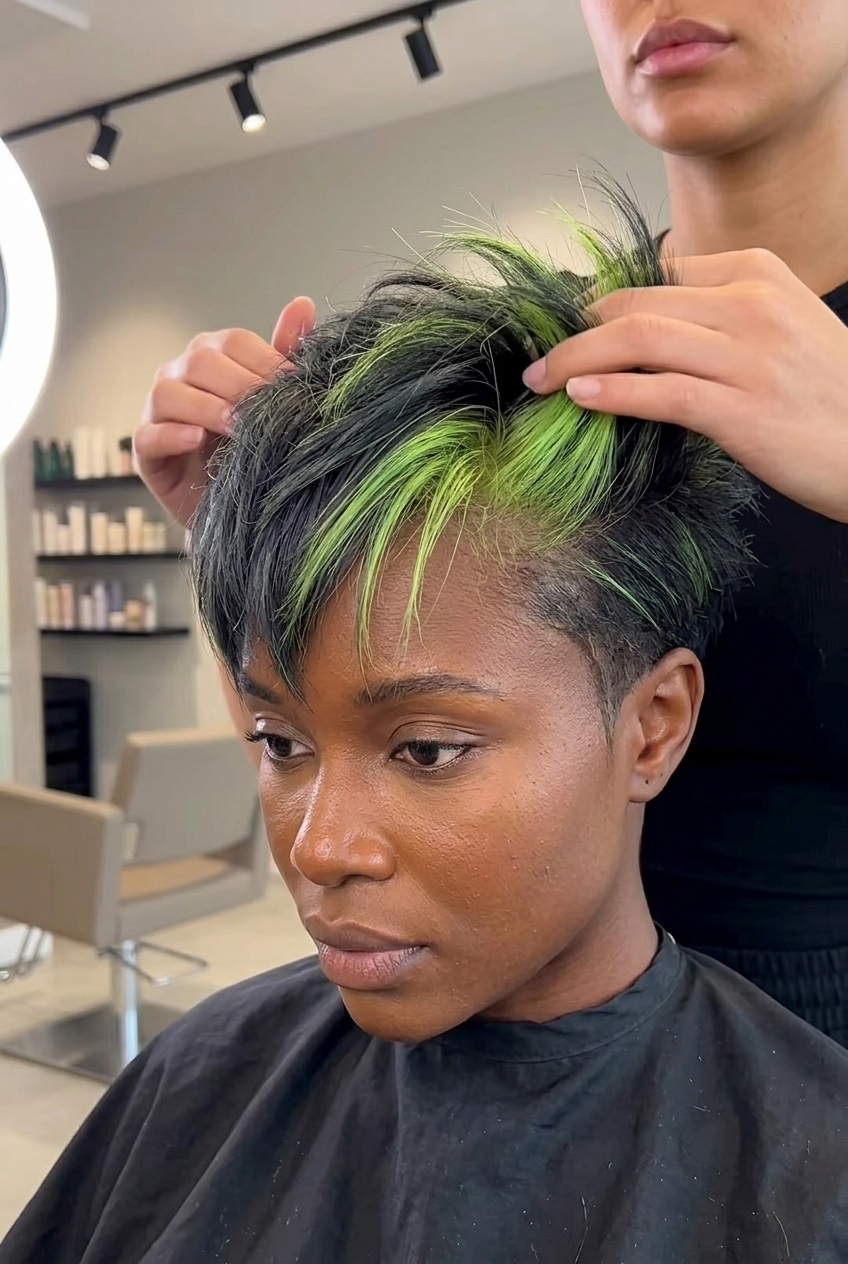
Lime as a color doesn’t exist in nature—at least not in human hair naturally. The point is deliberation. This pixie sits somewhere between yellow and green depending on the light, and the cut itself is all sharp angles. Sharply tapered sides and point-cut top layers create a spiky, edgy texture with versatile volume throughout. Tapered sides stayed clean for 4 weeks before needing a precision touch-up, which is typical for undercuts. The styling is mostly about texture paste and letting the cut do the work—no blow-dry required if you’re okay with a more directional, piece-y look.
Color maintenance on a lime tone is genuinely demanding. You need a toner that corrects both yellow and brassy moments, and you’ll need it every 5-6 weeks minimum. The upside: you’re committing to that salon relationship anyway because the cut itself needs precision trims. Razored edges can frizz in high humidity, requiring specific anti-frizz product use to keep that spiky texture looking intentional rather than damaged. Best on straight to wavy, medium to thick hair for optimal bluntness and volume. This is cyber lime pixie styling that works because the cut is so sharp you could cut yourself on intention alone—which is all my fine hair can handle. Edge with precision.
Voluminous Blunt Crop
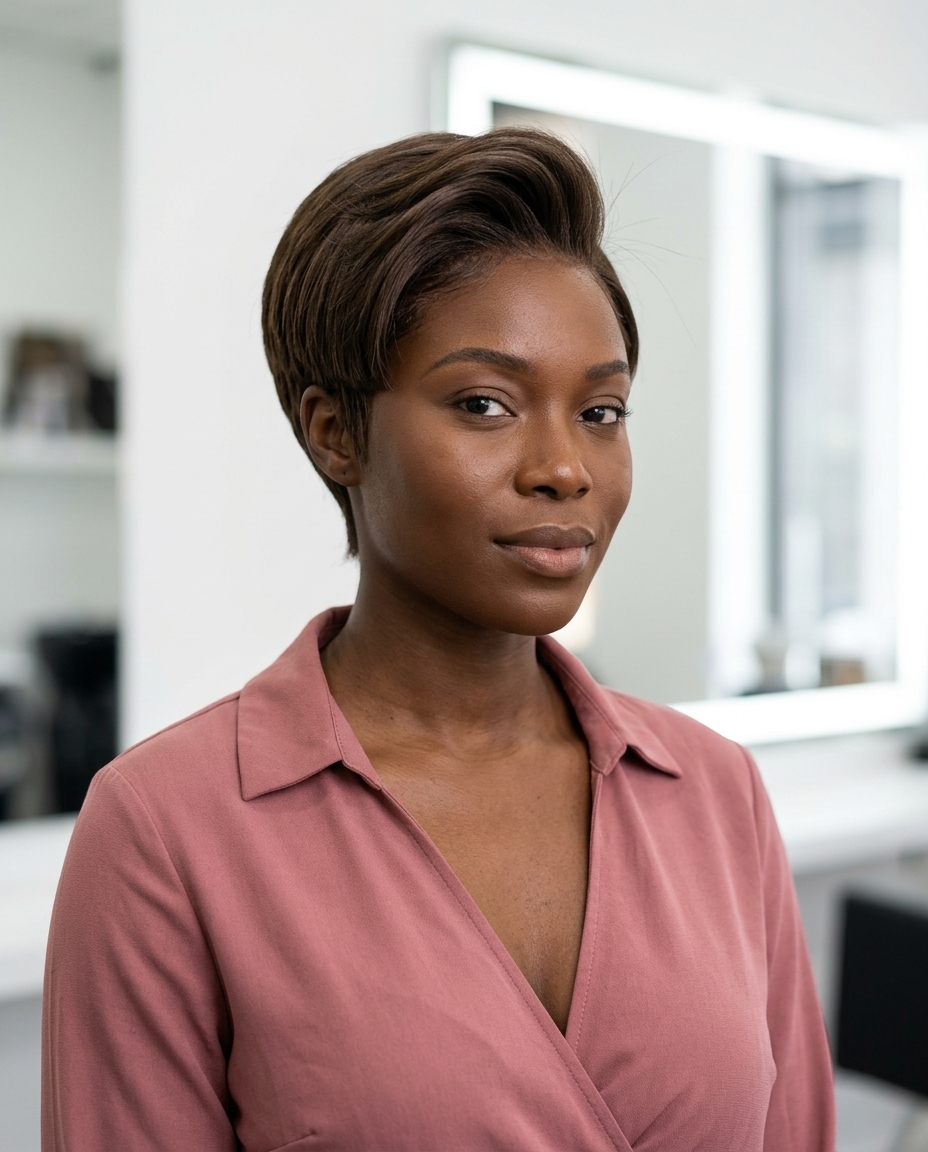
This is barely-there length—maybe two inches on top, shorter at the back. The power comes entirely from the bluntness of the perimeter and the internal taper work that creates volume. Precision blunt cutting with internal thinning creates volume without external layers, maintaining a strong shape throughout. You cannot fake this cut. It requires a stylist who knows how to work with weight distribution and understands that bluntness on very short hair is either perfect or noticeably wrong—there’s no middle ground. Blunt perimeter held its strong, heavy line for 5 weeks before needing a trim.
Styling is simple: damp hair, texture cream or paste, maybe a quick blow-dry with your fingers through it. Some people air-dry and get an equally good result if they have naturally textured hair. This cut requires frequent, precision salon trims to maintain its strong blunt shape—we’re talking every 4-6 weeks, which is a real financial commitment. Color could go anywhere because the cut is so clean that any tone reads high-quality. Best on straight, medium to thick hair for optimal bluntness and volume. The voluminous short bob styling moment is all about the cut itself doing the talking, which is why execution matters more than anything else. (Yes, the short one.) The ultimate power cut.
Razored Pixie Cut Red
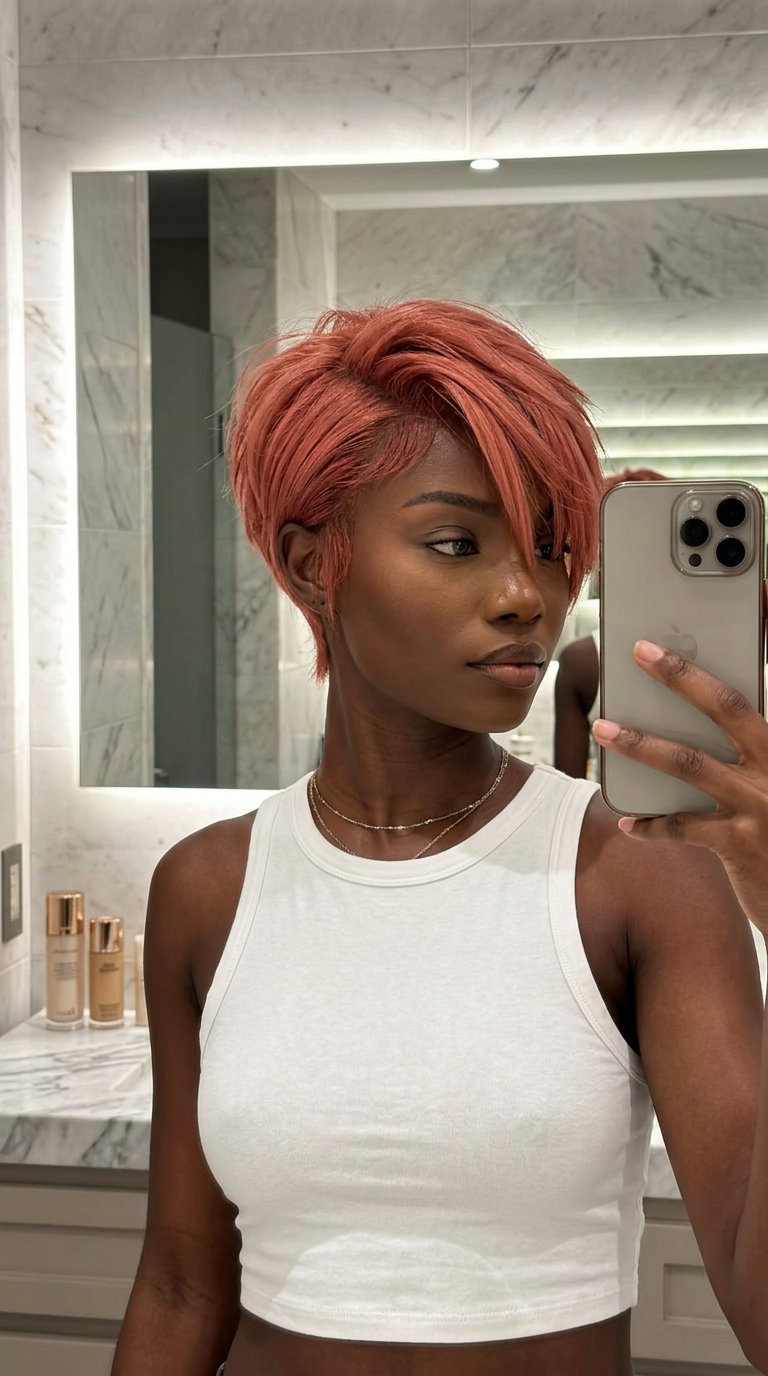
The choppy, deliberate mess. This isn’t a pixie that apologizes for its spikiness—it’s a razored pixie cut red that leans into texture and attitude. Razor-cut layers create separation at every angle, meaning the top has actual dimension instead of just sitting flat. The sides taper clean, but the top? Rough and intentional. (my favorite quick style) You’re looking at a cut that celebrates short hair’s ability to look intentionally disheveled, which somehow reads as more controlled than a blunt crop.
Styling happened in under ten minutes with a strong-hold paste and fingers. Styling achieved defined, spiky texture in 8 minutes using paste and fingers, as promised—no blow dryer required. Strong-hold styling paste defines choppy layers, creating spiky texture and separation for an edgy, modern look. Rubbing the paste between your palms, working it through the choppy sections, and finger-combing forward gives you that lived-in spikiness without looking accidental. The red shade amplifies the texture because lighter tones read sharper against skin. Maintenance? You’ll trim every four weeks to keep that crisp, choppy definition. Spiky perfection, quickly.
Espresso Martini Pixie
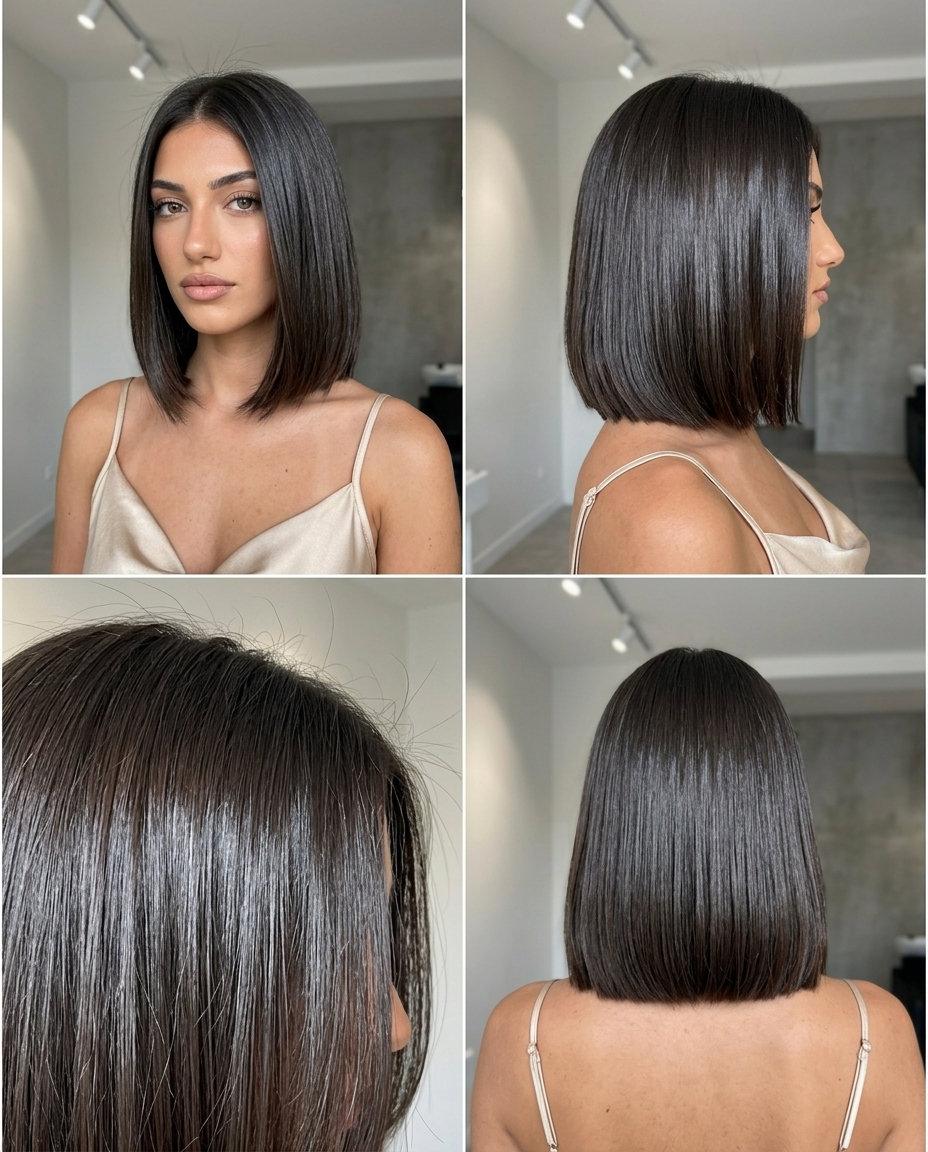
The blunt, zero-compromise statement. An espresso brunette bob with absolutely no layers—just a sharp, dense perimeter that hits at the jawline. This is the cut for people who want their hair to have a point of view. The blunt edge creates weight and presence, making even fine hair look substantial. It’s graphic in a way that whispers precision while you’re actually screaming structure. Dense. Sharp. Intentional.
Blunt jawline perimeter held its sharp line for 6 weeks without needing a trim, proving this cut’s staying power. Zero layers and a blunt cut create a sharp, graphic perimeter, giving the bob a weighty, dense finish. The espresso shade deepens the intensity—darker tones make blunt lines feel even more defined. Here’s the reality: thick hair needs significant thinning to achieve this graphic bluntness, increasing salon time. Your stylist will need to thin the interior to prevent a helmet effect, which adds cost and precision to the appointment. But once it’s cut, the maintenance becomes straightforward: trim every six weeks, blow-dry straight, repeat. The sharpest line wins.
Sculptural Pixie Shag
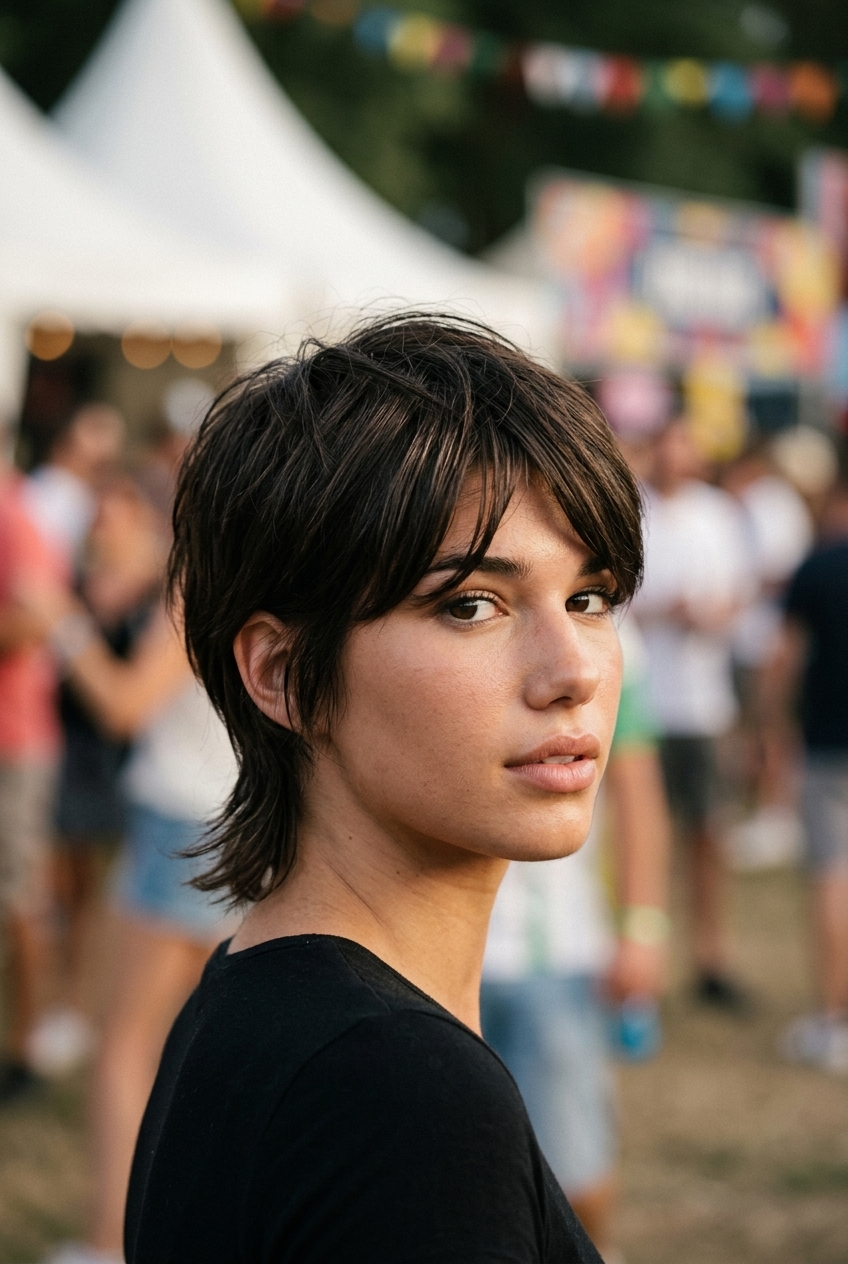
Layering as the entire premise. This sculpted pixie shag isn’t subtle—it’s heavily point-cut on top with choppy sections that create maximum volume. The nape stays piecey and textured, blending into longer pieces at the ear, which gives it that wolf-cut softness. Point-cutting removes the weight that makes short hair look flat, replacing it with movement. Heavily point-cut layers created significant volume and texture, enhancing natural curls for a week, and that’s the magic: this cut works with texture instead of against it, which is perfect for my curls.
Heavily point-cut layers on top create maximum texture and volume, blending into a piecey nape for a soft wolf-cut effect. The layering strategy means air-drying is genuinely possible because the layers encourage separation. Skip if your hair is very fine—layers might remove too much desired volume. On thicker or textured hair, this shag actually adds control because the cuts direct the hair instead of letting it just do whatever. Styling is texture-focused: use a light mousse or sea salt spray on damp hair, scrunch, and let it air-dry. Trims every five to six weeks keep the pieciness intact. The ultimate texture play.
Textured Bixie Cut
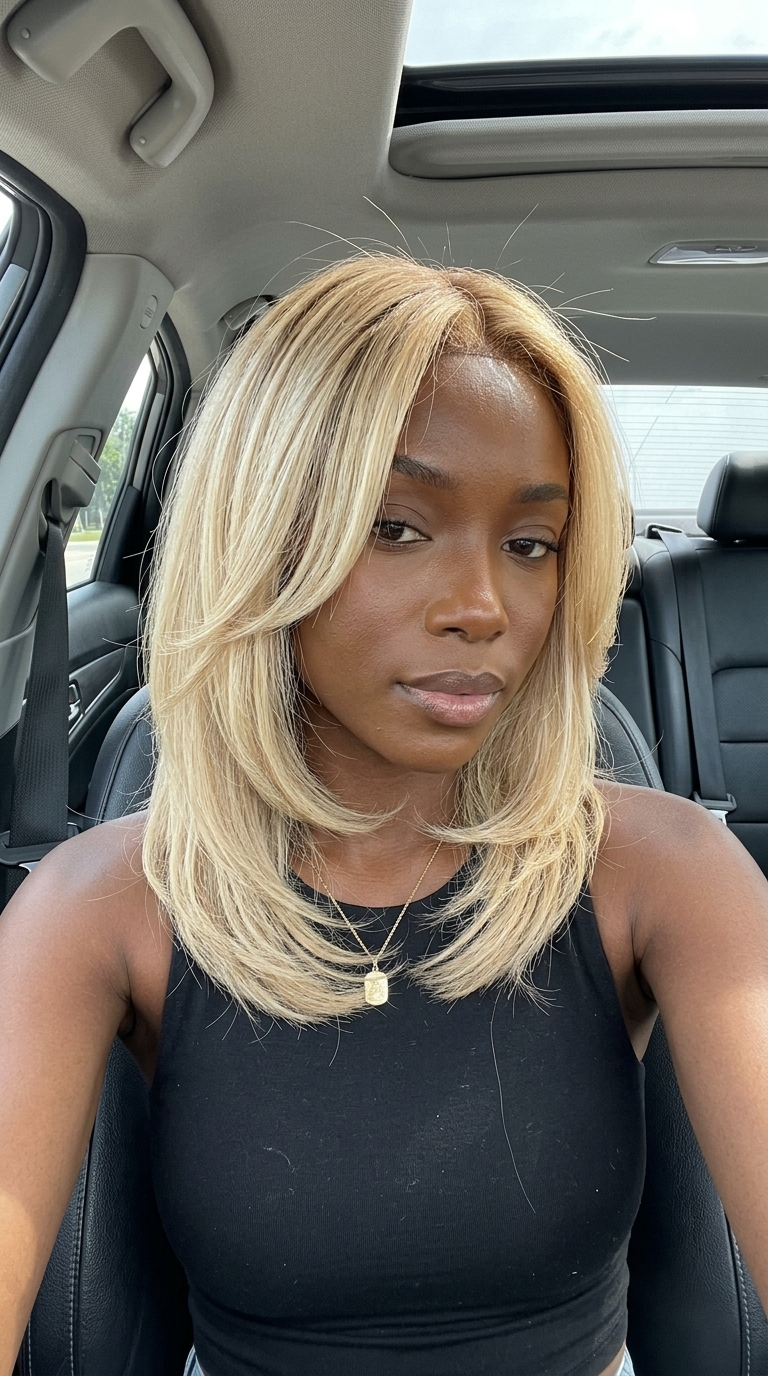
The internal-layer theory. This bixie sits between bob and pixie, and the real work happens inside the perimeter, not on the edges. Internal layering removes bulk from underneath while keeping the outline intact, which means you get structure and movement without looking choppy. Internal layering allowed hair to air-dry with natural movement and no frizz on day one, and that’s the entire selling point. Your edges stay defined. Your interior moves.
Internal layering removes bulk and encourages natural movement, allowing for easy air-drying with a soft, diffused finish. You’re looking at a cut that requires zero blow-drying aggression—or maybe just low maintenance, depending on your starting texture. Avoid if you prefer a highly structured, blow-dried style—this thrives air-dried. The bixie with internal layers works across hair types because the interior taper means even fine hair doesn’t disappear, and thick hair doesn’t bulk up. Styling is literally: damp hair, light product if needed, air-dry or finger-dry. Trims every six to seven weeks. This is the cut for people who say they don’t have time but actually want to look intentional. Effortless air-dry magic.
Air Dry Pixie Cut
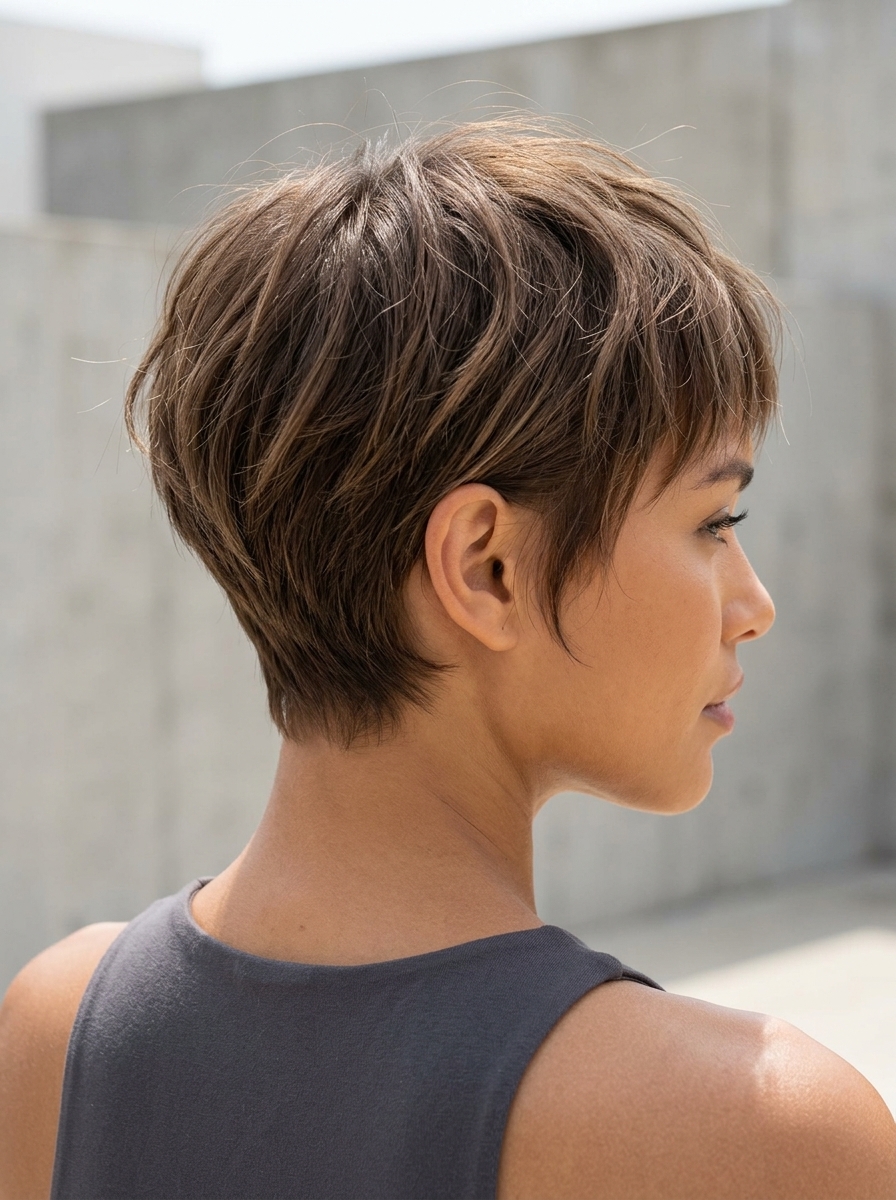
The anti-maintenance argument. This air dry pixie cut uses razoring on top and scissor-over-comb on the sides, creating texture that works with natural patterns instead of fighting them. Razoring on top creates soft, piecey texture, while scissor-over-comb on sides avoids harsh lines, working with natural texture. Razored top created piecey texture that worked with my cowlicks, allowing natural fall for 3 weeks—no product, no blow-dryer, no strategy beyond running your fingers through it. The cut does the work. That’s the entire premise.
This ultra-short pixie requires trims every 3-4 weeks to maintain its precise shape, so understand the commitment before booking. The maintenance timeline is shorter than a longer cut, which might need a good stylist. But between trims, you’re genuinely hands-off. Textured pixies like this one read as intentional rather than undone because the cuts create deliberate separation. Best on all hair textures—especially those with natural waves, curls, or fine hair seeking volume. Styling is optional: damp hair plus fingers equals done. Or add a texturizing spray if you want extra definition. Trims every three to four weeks. Pixie perfection, naturally.
Still Deciding? Here’s a Quick Comparison
| Hairstyle | Difficulty | Maintenance | Best Face Shapes | Pros | Cons | |
|---|---|---|---|---|---|---|
| Edgy & Textured | ||||||
| 14. The Summer Breeze Short Bob | Moderate | Medium — every 6-8 weeks | oval, heart, diamond | Suits most face shapesWorks on multiple texturesLayers add movement | Not ideal for very curly hair |
| 17. The Y2K Cyber Jellyfish Short Bob | Moderate | High — every 6-8 weeks | round, oval | 5-minute styling | Frequent salon visits needed |
| 18. The Cyber Lime Edge Pixie | Moderate | High — every 3-4 weeks | round, square, oval | Suits most face shapesWorks on multiple texturesLayers add movement | Frequent salon visits needed |
| 21. The Crimson Riot Pixie | Moderate | High — every 4-6 weeks | square, round, oval | Suits most face shapesWorks on multiple texturesLayers add movement | Frequent salon visits needed |
| 23. The Edgy Festival Shag-Pixie | Moderate | High — every 4-6 weeks | square, round, oval | Suits most face shapesWorks on multiple texturesLayers add movement | Frequent salon visits needed |
| 24. The Effortless Fluid Bixie | Easy | Low — every 8-10 weeks | oval, heart, square | Low maintenanceEasy to style at homeSuits most face shapes | Not ideal for very curly hair |
| 25. The Effortless Summer Air-Pixie | Easy | Low — every 6-8 weeks | oval, small features | Low maintenanceEasy to style at homeWorks on multiple textures | Not ideal for fine hair |
| Classic & Clean | ||||||
| 2. The Linen Blonde Textured Bob | Moderate | Medium — every 6-8 weeks | oval, heart, diamond | Suits most face shapesWorks on multiple texturesFlattering face-framing | Not ideal for very curly hair |
| 4. The Espresso Martini Bob | Moderate | Medium — every 5-6 weeks | oval, long, square | Suits most face shapesWorks on multiple texturesLayers add movement | Not ideal for very curly hair |
| 5. The Wispy Linen Pixie | Easy | Low — every 4-6 weeks | oval, small features, heart | Low maintenanceEasy to style at homeSuits most face shapes | Not ideal for very curly hair |
| 8. The Tousled Bixie Charm | Easy | Low — every 6-7 weeks | oval, round, heart | Low maintenanceEasy to style at homeSuits most face shapes | Not ideal for very curly hair |
| 9. Linen Blonde Layered Pixie | Easy | Low — every 4-6 weeks | oval, heart, small features | Low maintenanceEasy to style at homeSuits most face shapes | Not ideal for very curly hair |
| 10. The Summer Butterfly Bob | Moderate | Medium — every 6-8 weeks | square, heart, oval | Suits most face shapesWorks on multiple texturesLayers add movement | Not ideal for very curly hair |
| 12. The Executive Espresso Crop | Salon-only | Medium — every 6-8 weeks | long, oval, square | Suits most face shapesWorks on multiple texturesLayers add movement | Requires professional styling |
| 15. The Futuristic Platinum Crop | Moderate | High — every 4-6 weeks | oval, long, heart | Suits most face shapesWorks on multiple texturesLayers add movement | Frequent salon visits needed |
| 20. The Amalfi Coast Short Cut | Salon-only | Medium — every 6-8 weeks | long, oval, square | Suits most face shapesWorks on multiple texturesLayers add movement | Requires professional styling |
| 22. Espresso Martini Gloss Bob | Moderate | Medium — every 6-8 weeks | All face shapes | Suits most face shapesWorks on multiple texturesLayers add movement | Not ideal for very curly hair |
| Soft & Romantic | ||||||
| 13. The Playful Buttercream Bixie | Easy | Low — every 8 weeks | oval, heart, round | Low maintenanceEasy to style at homeSuits most face shapes | Not ideal for very curly hair |
Frequently Asked Questions
What’s the easiest short summer haircut to style at home?
The Wispy Linen Pixie is your answer—it requires minimal active styling (roughly 2 minutes) and can mostly air-dry thanks to its soft, layered cut. If you’re avoiding heat tools entirely, ask your stylist for scissor-over-comb tapering on the nape; this technique creates the soft shape that does half the work for you.
How do I keep my sleek bob from looking flat in summer humidity?
For styles like The Apricot Crush Sleek Bob or The Espresso Martini Bob, flat-ironing is non-negotiable—these cuts live on precision and shine. Finish with a high-gloss shine spray like Ouai Glossy Shine Spray for an instant mirror-like finish that resists humidity better than matte textures. If you skip the flat iron, these cuts will betray you within hours.
Can I get a textured look without heat tools for short hair?
The Linen Blonde Textured Bob can be diffused on low heat or air-dried entirely, then finished with a texturizing spray for definition. The Buttercream Yellow Textured Crop thrives on scrunching and air-drying—ask your stylist for point-cut layers throughout the crown to enhance natural texture without relying on styling tools.
Which short haircut colors are trending for summer 2026?
Vibrant Apricot Crush reads bold and statement-making, while neutral Linen Blonde offers minimalist sophistication. Playful Buttercream Yellow adds warmth and movement, and deep Espresso Martini brings polished, understated elegance. Each color pairs with specific cuts—ask your stylist which pairing suits your face shape and maintenance tolerance.
How often should I trim a short pixie or crop cut?
Most pixies in this list need a trim every 3–4 weeks to hold their shape, especially tapered styles like The French Chic Tapered Pixie. Textured crops with internal layering can stretch to 5–6 weeks before looking overgrown. Ask your stylist to show you what the cut looks like at week 4—some pixies grow out gracefully, others lose their structure fast.
Final Thoughts
The thing about trendy summer short haircuts 2026 is that they’re not all created equal—some demand a stylist’s precision, others reward a texturizing spray and five minutes of effort. Armed with a good texturizer and a healthy dose of optimism, even the moderate styles might just behave themselves this summer. The real win? Knowing which cut matches your actual life, not the version of yourself you’re pretending to be at the salon.